
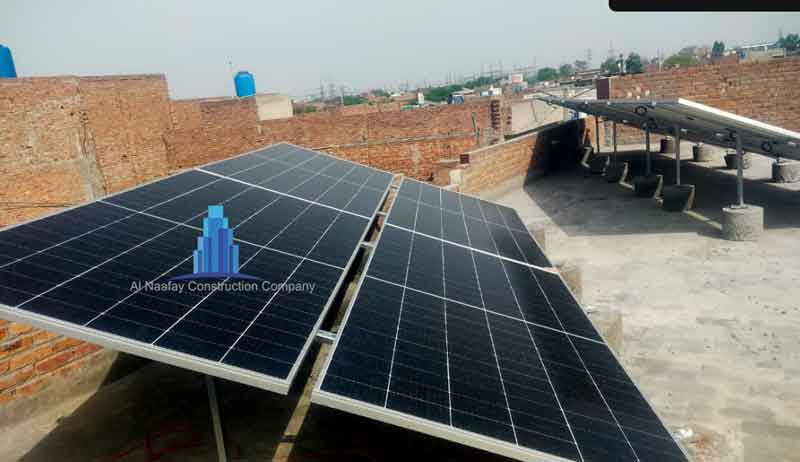
how solar panel works
Solar energy is harnessed from the sun’s radiation and converted into electricity or heat through a series of key components and technologies.
1. Solar Panels (Photovoltaic Cells)
Solar panels, also known as photovoltaic (PV) cells, directly convert sunlight into electricity using the photovoltaic effect. When photons (light particles) strike the semiconductor material—usually silicon—inside the solar cells, they energize electrons and create an electric current. This current flows as direct current (DC) electricity, which needs further processing before use.
2. Inverter: Converting DC to AC Electricity
Most electrical devices and power grids operate on alternating current (AC) electricity, but solar panels generate DC electricity. To make it usable, an inverter converts DC into AC. This conversion enables solar-generated electricity to seamlessly power homes, businesses, and the grid.
3. Mounting and Tracking Systems
Proper positioning of solar panels maximizes energy generation. Panels are commonly installed on rooftops, ground-mounted structures, or building facades. To optimize sunlight exposure, installers adjust the tilt and direction based on location. Advanced systems use solar tracking mechanisms, allowing panels to follow the sun’s movement and improve efficiency.
4. Net Metering and Grid Connection
When solar panels generate more electricity than needed, the excess flows back into the power grid through net metering. A bidirectional meter tracks both energy consumption from the grid and surplus energy contributions. Homeowners can receive credits or compensation for the extra electricity supplied to the grid.
5. Off-Grid Systems and Battery Storage how solar panel works
Some solar systems operate independently from the grid, especially in remote areas or as backup power sources. These off-grid systems include battery storage to save excess energy for use at night or during low sunlight periods. Batteries ensure a continuous power supply, making solar energy reliable even in isolated locations.
6. Solar Thermal Systems: Using Sunlight for Heating
In addition to electricity generation, solar energy can directly heat fluids through solar thermal systems. These systems capture sunlight to warm water or air for space heating, water heating, and industrial applications. Solar thermal technology is highly efficient for direct heat-based needs.
7. Orientation and Tilt Optimization
The efficiency of solar panels depends on their orientation and tilt angle. In the Northern Hemisphere, panels typically face south to capture the most sunlight. The optimal tilt angle varies with location and season. Adjusting these settings enhances energy absorption and overall performance.
8. Solar Irradiance and Efficiency
Solar irradiance measures the amount of sunlight that reaches a specific area over time. Factors like geographic location, time of day, and weather conditions influence energy production. Panel efficiency determines how effectively they convert sunlight into electricity. Higher-efficiency panels generate more power from the same sunlight exposure
this is how solar panel works
Quick Links
Social Icons
Contact Us Information
443 J3 Johar Town Lahore near Expo Center Lahore
