
brick wall calculator
Brick Wall Calculator
Customize Brick Wall Construction Calculator
Brick Wall Calculator
Building walls is one of the most essential steps in any construction project. Whether you are building a small home, a commercial building, or even a garden wall, knowing how many bricks you will need is critical. Using a brick wall calculator can make this process easy, accurate, and fast. In this guide, we will cover everything about brick calculation, including examples, tips, and how to use a brick wall calculator effectively.
What is a Brick Wall Calculator?
A brick wall calculator is a digital tool or software that helps you calculate the number of bricks required to build a wall. Instead of counting bricks manually or estimating, a calculator provides a near-accurate estimate, considering wall dimensions, brick sizes, thickness, and wasteage.
Key Factors Considered by a Brick Wall Calculator:
Wall height and length – the overall size of the wall.
Wall thickness – usually 4.5 inches (half-brick) or 9 inches (full brick).
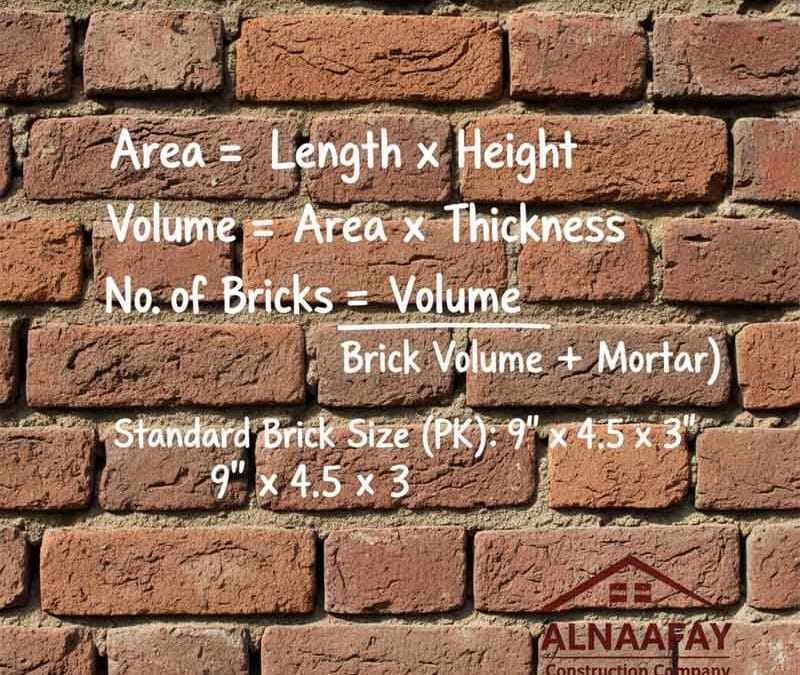
Brick size – standard bricks are usually 9 inches long, 4.5 inches wide, and 3 inches deep.
Wasteage – extra bricks to account for broken pieces, cutting, or mistakes.
By inputting these parameters, a brick wall calculator can give you the total number of bricks required, helping you plan your project accurately.
Why is a Brick Wall Calculator Important?
Using a brick wall calculator has several advantages:
1. Accuracy
Manual calculation often leads to errors. A calculator ensures accurate estimation of bricks, reducing the chance of running short or overbuying.
2. Saves Time
Instead of manually measuring the wall and calculating bricks step by step, a calculator provides results within seconds.
3. Budget Planning
By knowing the exact number of bricks, you can calculate costs accurately. Some calculators even allow you to enter the rate per brick to estimate the total cost.
4. Efficient Construction
Builders can prepare the right number of bricks in advance, reducing delays during construction.
Standard Brick Sizes
Before using a brick wall calculator, it is important to understand standard brick dimensions. Most brick calculators assume the following standard size:
Length: 9 inches
Width: 4.5 inches
Height / Depth: 3 inches
These dimensions help the calculator determine how many bricks are needed per square foot.
How Many Bricks Are in a Square Foot?
Depending on wall thickness, the number of bricks per square foot varies:
9-inch thick wall: ~10.5 bricks per sq ft
4.5-inch thick wall: ~5.5 bricks per sq ft
These numbers include wasteage to account for mistakes, cutting, or broken bricks.
How to Use a Brick Wall Calculator
Using a brick wall calculator is very simple. Here’s a step-by-step guide:
Step 1: Measure Wall Height
Measure the wall height accurately in either feet or meters. Most modern calculators allow unit conversion automatically.
Step 2: Measure Wall Length
Measure the wall length using the same units as the height. Accuracy is important because small differences can affect the total number of bricks.
Step 3: Select Wall Thickness
Choose either 4.5 inches or 9 inches, depending on the type of wall. This significantly impacts the total bricks required.
Step 4: Enter Brick Rate (Optional)
If you want to estimate costs, enter the rate per brick or per kilogram. The calculator will then provide an approximate total cost.
Step 5: Calculate Total Bricks
Click the calculate button, and the calculator will show:
Wall area in sq ft or sq meters
Wall thickness
Total bricks required (including wasteage)
Optional: total cost
Example 1: Small Wall (10 ft × 10 ft, 9-inch Thick)
Wall area: 10 × 10 = 100 sq ft
Bricks per sq ft: 10.5 (for 9-inch wall)
Total bricks: 100 × 10.5 = 1050 bricks
This shows how a brick wall calculator provides an exact estimate.
Example 2: Small Wall (10 ft × 10 ft, 4.5-inch Thick)
Wall area: 10 × 10 = 100 sq ft
Bricks per sq ft: 5.5 (for 4.5-inch wall)
Total bricks: 100 × 5.5 = 550 bricks
Notice how halving the wall thickness almost halves the number of bricks required.
Example 3: Using Meter Units
Wall size: 3 m × 3 m → convert to feet: 3 × 3.28084 ≈ 9.84 ft
Wall area: 9.84 × 9.84 ≈ 97 sq ft
For a 9-inch wall: 97 × 10.5 ≈ 1018 bricks
Modern brick wall calculators automatically handle unit conversions for you.
Brick Wall Calculator Advantages for Builders
Accurate Planning
A calculator ensures that the number of bricks is accurate for every wall. Builders can plan material supply efficiently.
Time-Saving
Manual calculations are time-consuming, especially for large projects. Calculators provide immediate results.
Budget-Friendly
Calculators allow estimating total material cost, preventing over-purchasing or wastage.
Supports Multiple Units
You can enter wall dimensions in feet or meters, making it suitable for local or international projects.
Tips for Using a Brick Wall Calculator Effectively
Include extra bricks: Even if the calculator includes wasteage, add 5–10% extra for safety.
Measure carefully: Small errors in height or length can change the total number of bricks significantly.
Select correct wall thickness: 9-inch walls need almost double bricks compared to 4.5-inch walls.
Check brick size: Calculators assume standard bricks; if using custom sizes, adjust accordingly.
Advanced Features in Modern Brick Wall Calculators
Some advanced calculators include:
Cost Estimation: Enter brick rate to calculate total cost.
Multi-Wall Calculation: Calculate bricks for multiple walls at once.
Unit Conversion: Automatic conversion between meters and feet.
Wasteage Management: Adjust wasteage percentage manually.
Language Options: Some calculators support local languages like Roman Urdu.
Practical Applications of Brick Wall Calculators
Residential Construction:
Homeowners can estimate the number of bricks before starting small projects.Commercial Construction:
Builders and engineers can calculate bricks for commercial walls accurately.DIY Projects:
For small DIY walls, a calculator ensures that you buy the right quantity.
Brick Wall Calculator vs Manual Calculation
| Feature | Calculator | Manual |
|---|---|---|
| Speed | Very fast | Slow |
| Accuracy | High | Medium/Low |
| Cost Estimation | Easy | Complicated |
| Wasteage Included | Yes | Manually done |
| Unit Conversion | Automatic | Manual |
How Brick Wall Calculators Save Money
Avoid over-purchasing bricks
Reduce labor cost with planned materials
Reduce material waste
Avoid construction delays due to missing bricks
Tips for Beginners
Always double-check wall measurements
Use calculators for all walls, even small partitions
Combine brick wall calculator with steel calculator for full construction planning
Keep a small buffer of bricks for cutting, broken pieces, or mistakes
Brick Wall Calculator for Different Wall Types
1. Standard Walls (4.5” and 9” thickness)
Most calculators allow you to select wall thickness.
2. Partition Walls
Usually 4.5 inches thick
Fewer bricks required
3. Load-Bearing Walls
Usually 9 inches or thicker
Requires careful calculation
4. Decorative Walls
Standard or custom bricks
Always include wasteage for cutting
Wasteage Consideration in Brick Wall Calculation
Even though a calculator includes wasteage, it is recommended to add:
5–10% extra for standard walls
10–15% extra for walls with openings (windows, doors)
Special cuts: For walls with arches or decorative patterns
Brick Cost Estimation Using a Brick Wall Calculator
Many calculators allow you to input brick rate. Example:
Total bricks: 1050
Rate per brick: Rs 15
Total cost: 1050 × 15 = Rs 15,750
Adding cost estimation makes planning easier for both homeowners and builders.
Quick Links
Social Icons
Contact Us Information
443 J3 Johar Town Lahore near Expo Center Lahore
