
The Ultimate Guide to Minimalist Design Principles
Have you ever walked into a room and felt an instant sense of calm? That feeling usually comes from spaces that embrace simplicity. Creating a peaceful environment requires specific choices about furniture, colors, and layouts. Understanding minimalist design principles can help you transform any cluttered house into a relaxing home. We will explore everything you need to know about this popular architectural style. You will learn about the benefits, material options, and climate suitability of these concepts. Furthermore, we will look at global influences and specific examples from cities like Lahore.
Table of Contents
- What Are Minimalist Design Principles?
- The Core Benefits of Minimalist Design Principles
- Best Material Options for Minimalist Spaces
- Climate Suitability for Minimalist Home Design
- Which Country is Most Famous for Minimalist Design?
- Minimalist Architecture in Lahore
- Frequently Asked Questions
- Conclusion
What Are Minimalist Design Principles?
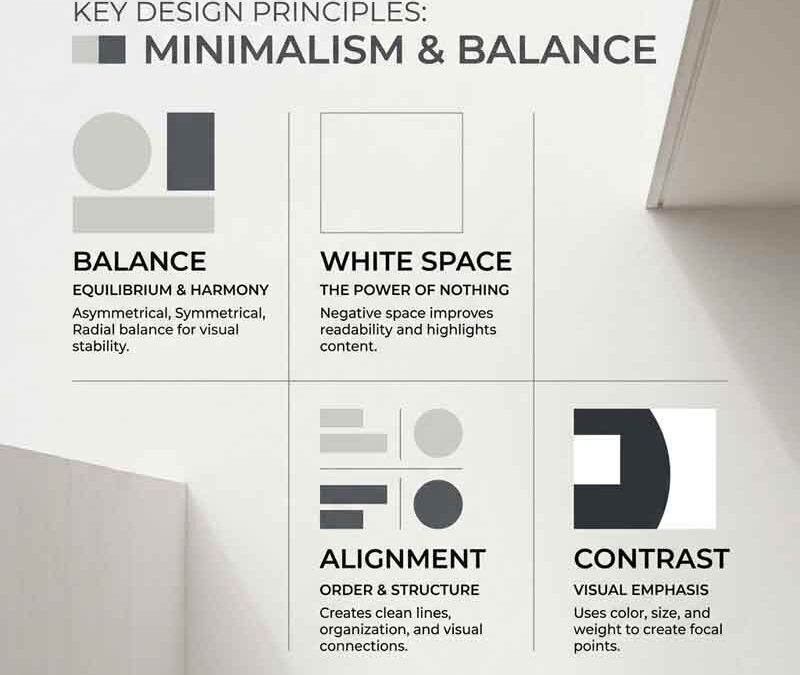
Minimalism is much more than just having white walls and empty rooms. Essentially, minimalist design principles focus on removing unnecessary elements to highlight what truly matters. This style prioritizes function over decoration. Therefore, every single item in a room must serve a specific purpose.
Defining the Minimalist Style
The primary goal of this style involves achieving visual harmony. Designers achieve this balance by using clean lines and open floor plans. Consequently, spaces feel larger and more inviting. Natural light plays a crucial role in illuminating these open areas. Instead of relying on heavy curtains, designers often leave windows bare or use sheer fabrics.
Core Elements of the Aesthetic
Color palettes in minimalist homes remain largely neutral. For instance, shades of white, beige, and light gray dominate the walls and floors. Occasionally, a single accent color might appear in a painting or a piece of furniture. Texture also replaces complex patterns to add visual interest. A smooth leather chair placed next to a woven rug creates depth without causing visual clutter.
The Core Benefits of Minimalist Design Principles
Adopting these ideas offers advantages that extend far beyond simple aesthetics. Actually, living in a simplified space can significantly improve your daily life. Let us examine some of the most compelling reasons to embrace this approach.
Enhanced Mental Clarity
Clutter often leads to increased stress levels. Conversely, a clean environment promotes relaxation and focus. By applying minimalist design principles, you reduce the number of visual distractions in your home. As a result, your brain can rest more easily after a long day at work. Many people report sleeping better when their bedrooms remain free of excessive decorations.
Easier Cleaning and Maintenance
Maintaining a house takes a considerable amount of time. Fortunately, having fewer items means you spend less time dusting and organizing. Sweeping floors becomes a breeze when there are no obstacles blocking your path. Additionally, finding misplaced items happens much faster in an organized space. Ultimately, you gain more free time to pursue hobbies or relax with family.
Financial Savings
Purchasing high-quality, essential items saves money over time. Rather than buying multiple cheap decorations, minimalism encourages investing in durable furniture. Because you buy fewer things, your overall spending decreases. Furthermore, simple designs rarely go out of style. You will not feel pressured to redecorate your home every time a new trend emerges.
Best Material Options for Minimalist Spaces
Selecting the right building components is vital for nailing this aesthetic. Naturally, the materials should reflect the core values of simplicity and durability. Applying minimalist design principles means avoiding overly ornate or synthetic finishes.
Natural Wood
Wood brings warmth to any neutral room. Specifically, light-colored woods like ash, oak, and pine work exceptionally well. These options provide subtle texture without overwhelming the senses. Builders frequently use natural wood for flooring, floating shelves, and custom cabinetry.
Concrete and Stone
Exposed concrete offers a modern, industrial touch to minimalist interiors. Polished concrete floors look incredibly sleek and are incredibly easy to clean. Similarly, natural stone accents can elevate a bathroom or kitchen design. Slate and matte marble provide durable surfaces that maintain a quiet elegance.
Glass and Steel
Transparency is a powerful tool in interior architecture. Glass partitions divide rooms without blocking natural light. Meanwhile, stainless steel provides strong structural support with a very thin profile. Together, these materials create furniture and fixtures that almost seem to disappear into the background.
Climate Suitability for Minimalist Home Design
Many homeowners wonder if these concepts work in their specific environment. The good news is that minimalist design principles adapt beautifully to various weather conditions. You simply need to tweak certain elements based on your local climate.
Hot and Humid Climates
In tropical regions, keeping a house cool is the main priority. Minimalist floor plans naturally promote excellent cross-ventilation. By removing unnecessary interior walls, breezes can flow freely through the house. Hard flooring options like concrete or tile remain cool to the touch during scorching summers. Furthermore, light-colored exteriors reflect the sun’s harsh rays.
Cold and Dry Environments
Conversely, northern climates require homes that retain heat. You can still maintain a minimal aesthetic while ensuring warmth. Incorporating radiant floor heating beneath stone tiles removes the need for bulky radiators. Heavy, insulated glass windows allow winter sunlight to warm the interior naturally. Adding thick wool rugs introduces necessary coziness without cluttering the floor space.
Which Country is Most Famous for Minimalist Design?
While many nations have contributed to this movement, Japan stands out as the ultimate pioneer. Japanese culture has embraced simplicity for centuries. Their traditional architecture perfectly embodies minimalist design principles long before the term existed in the West.
The Influence of Zen Philosophy
The root of Japanese minimalism lies in Zen Buddhism. This philosophy values emptiness and the beauty of the present moment. Traditional Japanese homes feature sliding paper doors called shoji. These screens allow soft light to enter while keeping the interior flexible. Rooms easily transition from living areas during the day to sleeping quarters at night.
The Concept of Ma
Another critical element is the Japanese concept of “Ma,” which translates to negative space. Instead of viewing empty areas as vacant, Japanese designers see them as full of potential. Leaving space between objects gives those items room to breathe. Consequently, the few objects placed in a room receive the attention they truly deserve. This profound respect for space makes Japan the undisputed leader in minimal aesthetics.
Minimalist Architecture in Lahore
Pakistan is experiencing a massive shift in residential architecture. Historically, homes in the region featured heavy ornamentation and complex layouts. However, modern homeowners increasingly favor minimalist design principles. The city of Lahore showcases this transition beautifully.
The Rise of Modern Societies
Several upscale neighborhoods in Lahore now feature stunning examples of minimal architecture. Homebuyers specifically look for clean lines and functional spaces. You can find breathtaking minimalist houses in DHA and Bahria Town. These areas encourage modern construction techniques and innovative layouts.
Top Neighborhoods Embracing Simplicity
Lake City and Valencia have also seen a surge in contemporary housing projects. Developers in Wapda Town and Johar Town frequently incorporate large windows and flat roofs into new builds. Older, established neighborhoods are not being left behind. Renovations in Model Town, Gulberg, Askari, and Cantt often involve stripping away old decorations. Owners in these prestigious sectors now prefer open-concept living and neutral color schemes. Thus, Lahore is rapidly becoming a hub for modern, simplified living in South Asia.
Frequently Asked Questions
Understanding new architectural concepts can bring up several questions. Here are some of the most common inquiries regarding this topic.
Is minimalism just a passing trend?
No, it is a timeless approach to living. While specific furniture styles may evolve, the desire for clean, functional spaces remains constant. Human beings naturally gravitate toward environments that reduce stress.
Can I use bright colors in a minimalist room?
Yes, you certainly can. Applying minimalist design principles does not strictly forbid vibrant shades. You should simply use bright colors intentionally as accents. A single brightly colored chair in a neutral room creates a striking focal point.
Does this style work for large families?
Absolutely. In fact, large families benefit greatly from reduced clutter. Ample hidden storage solutions become essential in these households. Built-in cabinets help keep toys and supplies out of sight when not in use.
Is it expensive to design a minimalist home?
It can actually be quite budget-friendly. Because you are purchasing fewer items, you save money overall. The focus shifts toward buying a few high-quality, durable pieces rather than filling a room with cheap decorations.
Conclusion
Creating a peaceful home environment requires intentional choices. By understanding minimalist design principles, you can transform chaotic rooms into serene sanctuaries. We have seen how this style improves mental clarity and reduces cleaning time. Material choices like natural wood, concrete, and glass help build these tranquil spaces. Moreover, the aesthetic adapts well to any climate, from freezing winters to humid summers.
Drawing inspiration from Japanese philosophy helps us appreciate the value of negative space. Locally, cities like Lahore prove that this global movement continues to gain momentum. Neighborhoods from DHA to Cantt showcase the beauty of stripped-back architecture. Ultimately, embracing minimalism is about making room for the things that truly matter in your life. Start small by clearing one room, and enjoy the profound sense of peace that follows.
Quick Links
Social Icons
Contact Us Information
443 J3 Johar Town Lahore near Expo Center Lahore
