

Steel Weight Calculator
Steel Weight Calculator with information must-read might you save your money
There are so many rumours about steel weight what is correct steel weight in feet,
first of all, I would like to tell you there are three 3 types of steel in Pakistan in the local market.
where you can buy steel for your home or plaza or for small work.
Type of steel
- Local Steel ( mostly used of small work or slabs and local steel manufactured by local scrap)
- Grade 40 (Mostly Used for small houses and grade 40 steel built from pure built of steel )
- Grade 60 ( Mostly used for commercial and for houses long-span slabs)
Steel Weight
there are many small vendors in the market. when you go there to buy the steel
they don't give you full weight they have set the scale with their own.
they forged the weight if actual steel weight is 800/kg their scale gonna show you 1000/kg (1 ton )
Local steel is not correct in the weight they make steel under the weight as recommended.
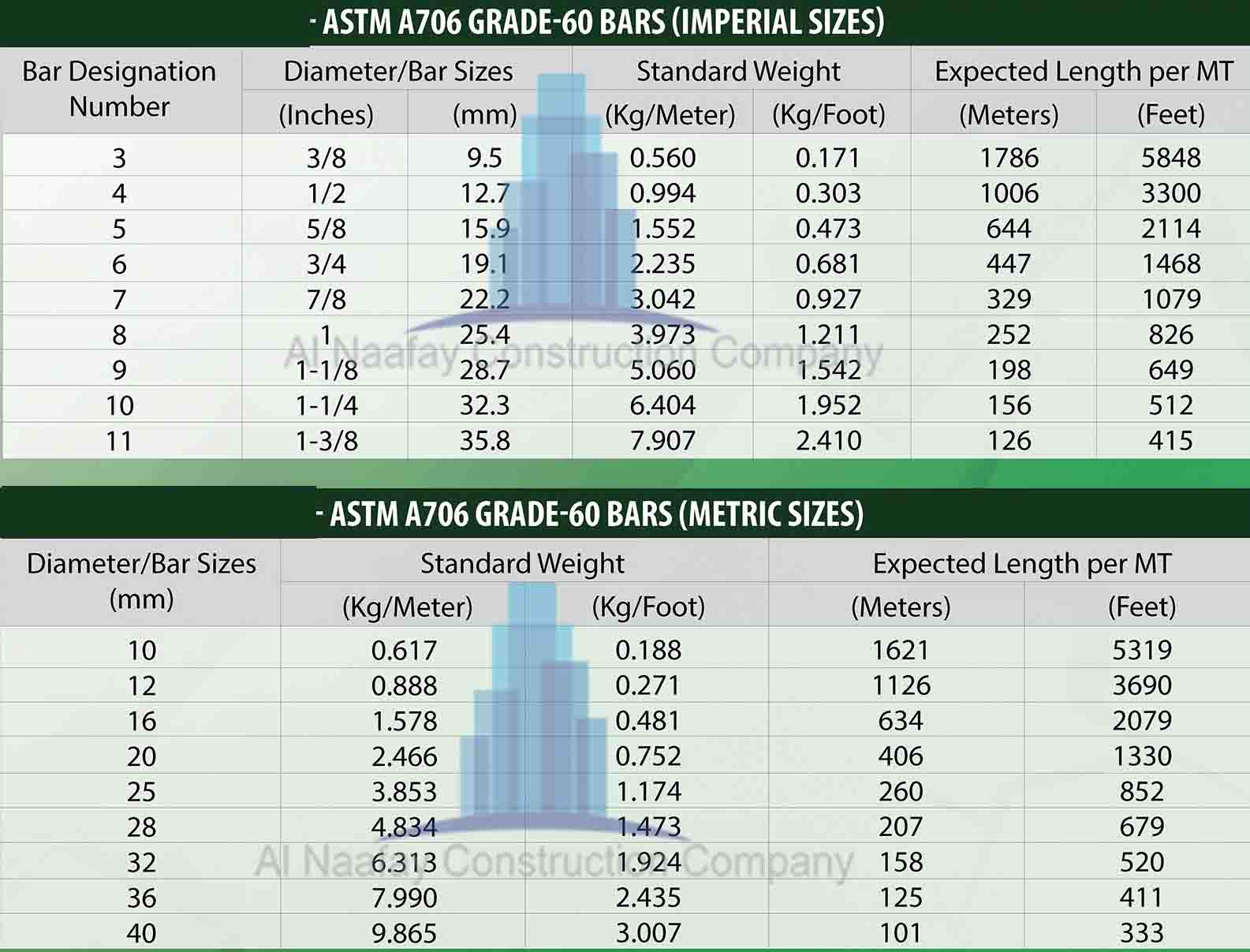
if 10 mm steel is in the 1 feet is 0.171 grams they make steel .0.160 or less.
why they are doing this because with under-weight steel it is their benefit 1st is under-weight steel fulfil your requirements and they're as well by providing underweight steel.
but it is not that sometimes they make steel oversize as well for their best reputation but they are few
that is why to recommend steel is Grade 60 and Grade 40 because it is always available in the same size diameter branded companies
it doesn't matter which company steel you are using for the slabs more or less all are same theirs is not much difference
all you gotta take care is you will buy this steel from a good vendor otherwise for the 2 3 rupees greed you will have to bear much more lose
10mm steel weight in 40 feet
The weight of 10mm steel bars in a 40-foot container depends on several factors, including the specific density of the steel, the length and diameter of the bars, and the number of bars per container.
For general calculations, we can use an average density of 7.85 g/cm^3 for steel. The volume of a 10mm steel bar with a length of 40 feet (12.19 meters) can be calculated as follows:
V = π * (d/2)^2 * L = π * (10/2)^2 * 12.19 = 94.25 cm^3
The weight of one bar can be calculated as follows:
W = V * ρ = 94.25 * 7.85 = 743.97 g
So, the weight of one 10mm steel bar with a length of 40 feet would be approximately 743.97 grams, or 0.74 kg. To find the total weight of the bars in a 40-foot container, you would need to know the number of bars per container and multiply that number by the weight of one bar.
Pure steel, also known as wrought iron, is a type of steel that contains a very low percentage of carbon (less than 0.25%) and other impurities. It is a relatively soft and malleable metal that is highly resistant to corrosion, making it an ideal material for use in a variety of applications.
One of the key benefits of pure steel is its high resistance to corrosion. Unlike other types of steel that can corrode over time, pure steel is highly resistant to corrosion and can last for many years without showing signs of degradation. This makes it an ideal material for use in a variety of applications, such as outdoor furniture, sculptures, and other decorative items.
Another advantage of pure steel is its relatively low cost. Unlike other types of steel that require more expensive materials and processes to produce, pure steel is relatively cheap and easy to produce, making it an affordable option for many applications.
Overall, pure steel is a versatile and durable material that has many uses in a variety of industries and applications. Whether you're looking for a corrosion-resistant material for use in construction, or a decorative material for use in art or other applications, pure steel is a great choice.
Steel Useage
he type of steel and size of steel truss used in a roof depends on several factors, such as the design of the building, the load that the roof needs to support, and local building codes and regulations.
To determine the appropriate size and type of steel truss for a room size of 12 x 14 feet, a structural engineer or a qualified roofing contractor would need to perform a load analysis and structural calculations based on the specific requirements of the building. They would consider the weight of the roof materials, such as the roofing tiles or shingles, as well as any anticipated snow or wind loads that the roof would need to withstand.
Once the load analysis and structural calculations are completed, the engineer or contractor would be able to recommend the appropriate steel truss size and type that would provide sufficient support for the roof.
It is important to note that using the correct size and type of steel truss is crucial to ensure the structural integrity of the building and the safety of its occupants. Using an undersized or inadequate truss could lead to roof failure and potential collapse, which could result in serious injury or property damage. Therefore, it is best to consult with a qualified professional to determine the appropriate size and type of steel truss for your specific roofing needs.
Dont BUy Cheap Steel or reduced Rate their is a catch
If the market price of steel is 250 rupees per kg, some traders will offer it to you at 230 or 235 rupees per kg to attract you. They use this tactic to grab your attention by offering a lower price. However, when it comes to actual weighing, they manipulate the weight. For example, if you are supposed to receive one ton of steel, they reduce the actual weight, causing you a loss.
This is a trick where they lure you in with a lower price but ultimately give you less weight than what you paid for
Quick Links
Social Icons
Contact Us Information
443 J3 Johar Town Lahore near Expo Center Lahore
