
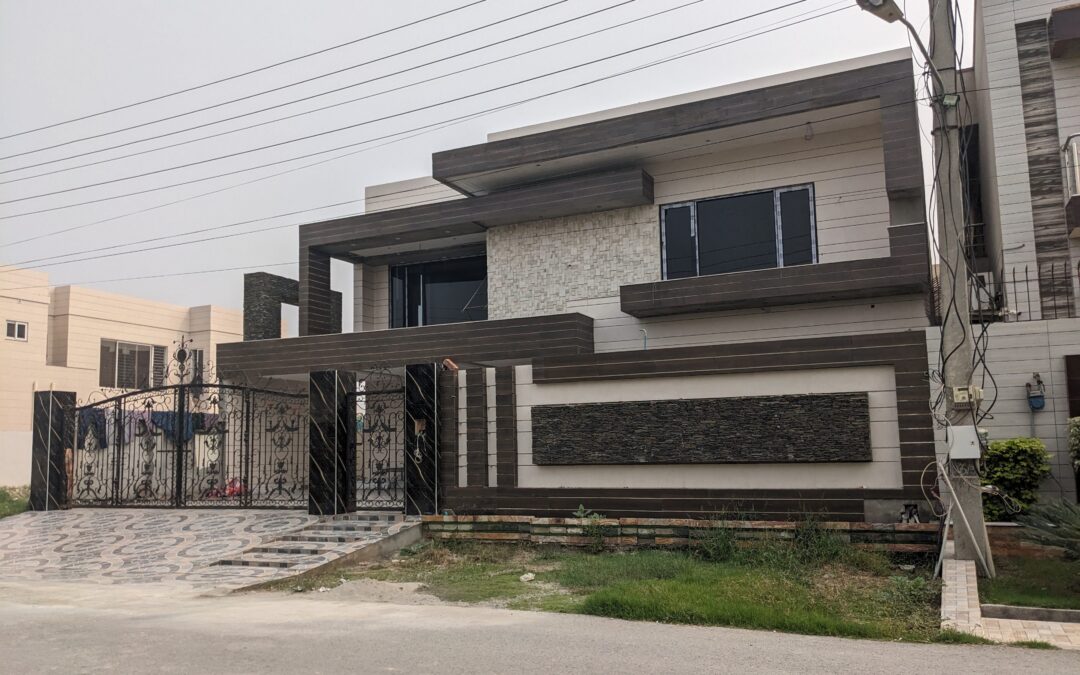
Architecture plans LDA
Site Plan
In the preliminary stages, architects engage in an in-depth dialogue to unravel the unique characteristics of the site. Firstly, environmental considerations take the forefront, exploring factors like sunlight, wind patterns, and views. Additionally, preservation of existing structures and natural features becomes a focal point. As a result, conversations pivot around optimizing the building’s placement for both sustainability and aesthetic harmony. Furthermore, sustainability discussions extend to rainwater harvesting, the integration of green spaces, and the implementation of energy-efficient landscaping practices. Ultimately, this collaborative exploration lays the groundwork for a site plan that seamlessly integrates the architectural vision with the natural context, ensuring a harmonious and sustainable design. Architecture plans LDA
Floor Plans
When it comes to floor plans, detailed discussions go beyond mere spatial arrangement. Architects delve into the intricacies of each space, contemplating the client’s priorities for functionality and aesthetics. Moreover, the flow of spaces becomes a critical point of exploration, aiming to enhance the overall user experience. In addition, conversations navigate zoning requirements, accessibility features, and considerations for future adaptability. Notably, interior design elements such as furniture placement and room connectivity take center stage. Through this process, floor plans emerge that not only reflect the client’s preferences but also optimize the flow of spaces for both practicality and visual appeal.
Elevations
Elevations serve as a canvas for expressing architectural identity, prompting detailed discussions. To begin with, conversations delve into the architectural style and desired aesthetic. Architects explore questions of materiality and finishes, contemplating how the design can authentically express the client’s brand or personal taste. At the same time, sustainability discussions weave into the dialogue, considering the selection of eco-friendly materials and energy-efficient facade solutions. Consequently, the collaborative process extends to capturing the client’s vision through ongoing feedback, refining elevations into a visual manifestation of architectural character and sophistication.
Sections
Sections initiate discussions that penetrate the building’s core, addressing structural and spatial intricacies. Specifically, conversations revolve around desired heights, volumes, and the interplay between different levels. In collaboration with structural engineers, adherence to safety standards and engineering feasibility is ensured. Moreover, discussions explore how internal spaces harmonize, emphasizing fluidity and functionality within the building. This phase also involves meticulous discussions on load-bearing considerations, integration of mechanical systems, and achieving an optimal balance between aesthetic aspirations and structural integrity.
Details
The discussion on details marks the meticulous transition from concept to construction reality. In particular, conversations dissect the finer points of construction, from material specifications to joinery intricacies. Additionally, architects and contractors engage in collaborative discussions to ensure that the proposed details are not only architecturally sound but also practically feasible. Thus, this phase explores the intersection of materials, construction methods, and the realization of intricate design features. By navigating the practicalities of construction, the dialogue balances the aesthetic vision with the pragmatic aspects of building, resulting in a comprehensive and constructible set of design details. Architecture plans LDA
Renderings
Renderings are the culmination of a narrative woven through visual elements. Therefore, the dialogue revolves around the desired emotional response and storytelling aspects of the design. To achieve this, discussions explore various visual styles, lighting scenarios, and landscaping details to evoke the intended ambiance. Throughout the process, iterative discussions, often involving client feedback, refine the renderings until they authentically capture the essence of the architectural vision. Ultimately, the collaborative nature of this phase ensures that the final renderings not only meet the client’s expectations but also serve as powerful tools for communicating the design’s aesthetic and experiential qualities to a broader audience.
Schedules
Schedules become the roadmap for orchestrating the project’s various components. To ensure efficiency, conversations traverse material choices, specifications, and environmental considerations. Additionally, detailed discussions with suppliers and contractors revolve around procurement timelines, cost estimates, and quality standards. By aligning schedules with sustainability goals and budget constraints, efficiency is optimized, and project milestones are met. Moreover, discussions include lead times for materials, allowing for seamless coordination between design conceptualization and construction realization. In the end, schedules play a pivotal role in translating the architectural vision into a tangible, well-coordinated, and efficiently executed construction process.
Plumbing Plans
In the intricate realm of plumbing plans, discussions unfold to meticulously orchestrate the layout of essential systems within a building. To begin with, conversations revolve around strategically placing plumbing fixtures to optimize functionality and efficiency. Moreover, considerations extend to the locations of sinks, toilets, and other fixtures, ensuring not only practicality but also adherence to plumbing codes and regulations. At the same time, the collaborative dialogue explores the intricacies of pipe routing, emphasizing efficiency in water supply and drainage systems. Architecture plans LDA
Discussion
In-depth discussions dive into the specific requirements of the project. For instance, what are the client’s expectations regarding plumbing fixtures and their locations? Similarly, conversations explore the balance between aesthetic considerations and practical plumbing needs. By collaborating with plumbing engineers, the proposed plumbing plans align with safety standards and the overall architectural vision. Additionally, sustainable plumbing practices, such as water-saving fixtures, may find a place in the dialogue, contributing to the project’s eco-friendly footprint. Architecture plans LDA
Considerations
Considerations extend to the intricacies of plumbing systems, addressing potential challenges and ensuring seamless integration within the building structure. Furthermore, discussions often involve exploring innovative solutions for water conservation and energy efficiency. Through collaboration with other design disciplines, such as electrical and structural engineering, cohesive and well-coordinated plans are created. Architecture plans LDA
Electrical Plans
In the dynamic realm of electrical plans, discussions unfold to intricately map out the placement of essential electrical components within a building. To optimize functionality and safety, conversations revolve around strategically locating outlets, switches, and lighting fixtures. Additionally, considerations extend to ensuring compliance with electrical codes and regulations, emphasizing both practicality and adherence to safety standards.
Discussion
Detailed discussions delve into the specific electrical needs and preferences of the client. For example, what are the priorities regarding lighting design and placement of outlets? Likewise, conversations explore the balance between aesthetic considerations and practical electrical requirements. By collaborating with electrical engineers, the proposed electrical plans align with safety standards and the overall architectural vision. Moreover, sustainable electrical practices, such as energy-efficient lighting and smart home technologies, contribute to the project’s efficiency and environmental impact.
Technology Integration
Discussions explore the integration of modern technologies within the electrical plans. For instance, conversations may revolve around the incorporation of smart home systems, security features, and energy management solutions. By considering future advancements in electrical technology, the electrical plans contribute to the building’s adaptability and readiness for emerging trends.
Quick Links
Social Icons
Contact Us Information
443 J3 Johar Town Lahore near Expo Center Lahore
