
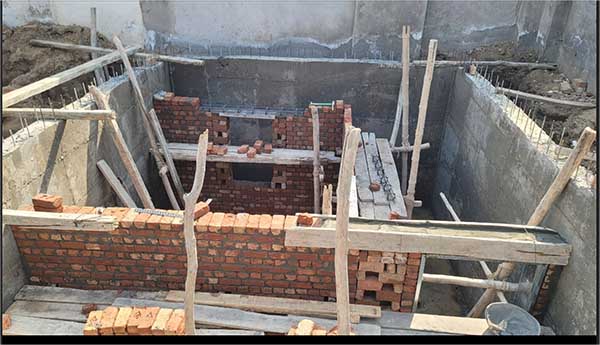
Retaining wall are mostly used for the outer walls of basements

A retaining wall is a structural wall designed to hold back soil or other materials behind it. These are most commonly used in basement constructions and areas with sloped or uneven terrain

Purpose

  • To resist lateral pressure of soil or water.
  • To stabilize slopes and prevent erosion.
  • To support building foundations, especially below ground level

Benefits of Retaining Wall (Especially for Basements):

  1. Support Soil and Prevent Collapse
    Retaining walls hold back soil and prevent it from collapsing or sliding into the basement area.

  2. Protect the Structure
    They protect the basement walls from pressure caused by the surrounding soil and water, keeping the structure safe and strong.

  3. Prevent Water Damage
    With proper drainage, retaining walls help stop water from seeping into the basement, reducing the risk of dampness, mold, and flooding.

  4. Increase Stability
    They increase the overall stability of the building by resisting soil movement, especially on sloped or uneven land.

  5. Enhance Basement Usability
    By keeping the basement dry and safe, retaining walls make it easier to use the space for storage, living, or utility purposes.

  6. Improve Property Value
    A well-built retaining wall not only protects your home but also improves its appearance and increases property value

Disadvantages of Retaining Wall (Especially for Basements):

  1. High Construction Cost
    Building a retaining wall can be expensive, especially if strong materials like concrete or stone are used.

  2. Requires Professional Design
    Poor design or construction can lead to wall failure, so it often requires engineers or experienced professionals.

  3. Maintenance Issues
    Over time, retaining walls may develop cracks, leaks, or drainage problems that need maintenance or repair.

  4. Limited Flexibility
    Once built, it’s hard to modify or relocate the wall without major construction work.
  5. Takes Up Space
    Retaining walls can take up a good amount of space, which might reduce usable area around the basement or property

Retaining walls are primarily constructed along the external perimeter of a building to resist lateral soil pressure

In contrast internal partition walls are non-load-bearing and are commonly built using traditional brick masonry

Quick Links

Contact Us Information 

443 J3 Johar Town Lahore near Expo Center Lahore

Urban planning and zoning

Urban Planning and Zoning Table of Contents Introduction to City Development What is Urban Planning and Zoning? Major Benefits of Urban Planning and Zoning Material Options in Urban Planning and Zoning Climate Suitability for Urban Planning and Zoning The Global...

Landscape architecture

Landscape Architecture Table of Contents Introduction to Outdoor Planning What is Landscape Architecture? Core Styles of Landscape Design Major Benefits of Landscape Architecture Essential Materials in Landscape Architecture Climate Suitability for Landscape...

Interior design trends

Interior Design Trends Table of Contents Introduction to Modern Interior Design Trends Defining the Core Style of Interior Design Trends Major Benefits of Embracing Interior Design Trends Material Options for Popular Interior Design Trends Climate Suitability for Top...

Smart home architecture

Smart Home Architecture Table of Contents Introduction What is Smart Home Architecture? Key Benefits of Smart Home Architecture Material Options for Intelligent Home Design Advanced Glass and Glazing Innovative Insulation Materials Sustainable Wood and Composites...

Precast concrete elements

Precast Concrete Elements Table of Contents Introduction Defining Precast Concrete Elements Key Benefits of Using Precast Concrete Elements in Construction Essential Material Options for Precast Concrete Elements Climate Suitability of Precast Concrete Elements The...

Adhesives and sealants for construction

Adhesives and Sealants for Construction Table of Contents Introduction Defining Adhesives and Sealants for Construction Key Benefits of Using Adhesives and Sealants in Construction Essential Material Options Available Today Climate Suitability of Construction Sealants...

Sustainable building designs

Sustainable building designs A Complete Guide to Sustainable Building Designs Table of Contents Introduction What Defines Sustainable Building Designs? Key Benefits of Sustainable Building Designs Best Material Options for Sustainable Building Designs Climate...

Space optimization in small areas

Space optimization in small areas Master Space Optimization in Small Areas Table of Contents Introduction Defining Space Optimization in Small Areas Key Benefits of Space Optimization Best Material Options for Space Optimization Climate Suitability for Space...
WhatsApp chat