Fly Ash Cement
Introduction
Cement is the backbone of the construction industry. Different types of cement are made to meet the needs of modern buildings. One of these special types is Fly Ash Cement.
Fly Ash Cement is a mixture of Ordinary Portland Cement (OPC) and fly ash, which is a by-product of coal combustion in power plants. Fly ash is a very fine powder that looks like cement, but it has unique chemical properties that improve the quality of concrete.
When fly ash is added to cement, it makes the concrete stronger, more durable, and eco-friendly. This is why Fly Ash Cement is also called Portland Pozzolana Cement (PPC) in many countries.
What is Fly Ash?
Fly ash is a fine, powder-like material collected from the exhaust gases of coal-fired power plants. Instead of throwing it as waste, engineers discovered that fly ash can be used as a pozzolanic material.
A pozzolan is a material that reacts with lime in the presence of water to form compounds that increase strength and durability. Fly ash is one of the best pozzolans available for cement production.
What is Fly Ash Cement?
Fly Ash Cement is a blended cement where fly ash is mixed with Ordinary Portland Cement. It usually contains:
60–80% OPC
20–40% Fly Ash
This mixture improves the workability of concrete and reduces the overall heat of hydration, making it very useful in large construction projects like dams, bridges, and high-rise buildings.
Manufacturing of Fly Ash Cement
Collection of Fly Ash
Fly ash is collected from electrostatic precipitators of thermal power plants.
Mixing with OPC
Fly ash is blended with OPC clinker and gypsum in grinding units.
Grinding
The mixture is ground into a fine powder to ensure uniform quality.
Packing and Storage
The finished Fly Ash Cement is packed in bags for supply to the market.
Properties of Fly Ash Cement
Color – Slightly lighter than OPC.
Strength – High long-term strength (though early strength is low).
Durability – More durable and resistant to chemicals.
Workability – Concrete becomes smoother and easier to handle.
Heat of Hydration – Much lower than OPC, which prevents cracks.
Eco-Friendly – Reduces CO₂ emissions and recycles waste.
Uses of Fly Ash Cement
Mass Concrete Works
Dams, bridges, and large foundations.
Reduces heat of hydration and prevents cracks.
Residential and Commercial Buildings
Walls, slabs, and flooring.
Road Construction
Strong and durable pavements.
Precast Concrete Products
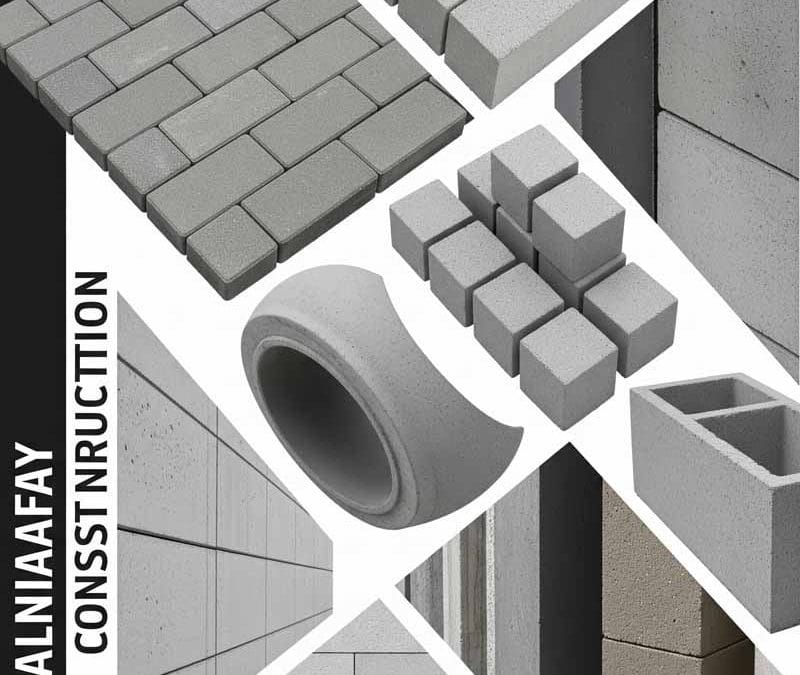
Pipes, blocks, tiles, and precast panels.
Marine Structures
Ports, harbors, and coastal structures because it resists chemical attack.
Advantages of Fly Ash Cement
Environment friendly (recycles industrial waste).
Stronger in the long term.
More durable and chemical resistant.
Cheaper compared to OPC.
Reduces shrinkage cracks.
Provides smoother surface finish.
Disadvantages of Fly Ash Cement
Low early strength (takes more time to set).
Not suitable for very cold weather construction.
Quality depends on source of fly ash.
Needs proper curing to gain strength.
Difference Between OPC and Fly Ash Cement
| Feature | Ordinary Portland Cement (OPC) | Fly Ash Cement (PPC) |
|---|---|---|
| Strength | High early strength | Low early but high long-term strength |
| Durability | Moderate | Very high |
| Heat of Hydration | High | Low |
| Eco-friendliness | Less eco-friendly | More eco-friendly |
| Cost | Higher | Lower |
