
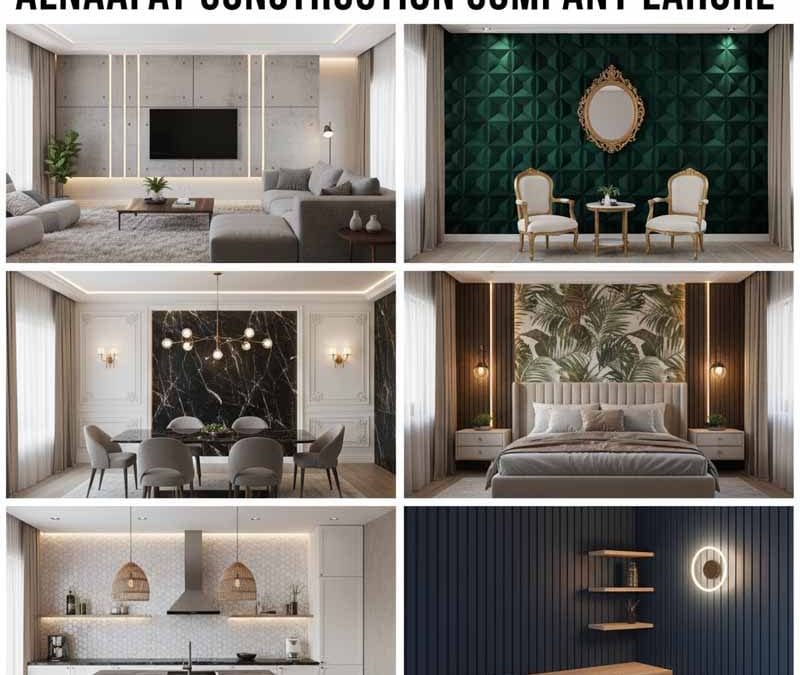
Textured Wall Room Design
A Simple and Unique Guide for Everyone
When we talk about Textured Wall Room Design, we mean walls that are not plain or simple. They have designs, patterns, or special finishes that make them look more interesting and beautiful. It’s like adding “life” to your walls. A textured wall can change the entire mood of a room. Even children can notice how much difference a wall texture makes. In this blog, we’ll explore everything about textured wall room design in very easy English so everyone can understand — from kids to elders.
1. What Is a Textured Wall Design?
A textured wall means a wall that has a special surface finish — not smooth, but designed to have a pattern or feeling when you touch it.
It can be created using paint, plaster, wallpaper, or wooden panels.
Think of it like this:
If a plain wall is like a simple white paper, then a textured wall is like a paper with art drawn on it. Textured Wall Room Design
Texture adds depth, character, and warmth to a room. It helps the space look more stylish without needing too many decorations.
2. Why Is Texture Important in Room Design?
Texture is one of the most powerful design tools because it affects how we feel inside a space.
Here’s why texture is important:
Adds Personality: Every room gets its own unique look and feel.
Hides Imperfections: If your wall has cracks or uneven plaster, texture hides it easily.
Improves Lighting Effects: Light and shadow play beautifully on textured surfaces.
Creates Warmth: Texture makes rooms look cozy and natural.
Enhances Style: Whether your home is modern or traditional, texture fits everywhere.
3. Types of Wall Textures
There are many kinds of wall textures. Let’s learn about the most popular ones that are used in homes today:
a. Stucco Finish
Stucco is a plaster that gives a rough but elegant look. It’s perfect for both interior and exterior walls.
It gives a Mediterranean or villa-like feeling.
b. Popcorn Texture
It looks like small bubbles or grains. Mostly used on ceilings but sometimes also on walls to reduce sound.
c. Orange Peel Texture
Just like the skin of an orange — smooth with small bumps. It’s one of the most common wall textures.
d. Knockdown Texture
A modern favorite! It gives a random, artistic pattern created by “knocking down” the plaster while it’s drying.
e. Comb Texture
Lines or curves are created using a comb-like tool. It’s simple but gives a rich look.
f. Sand Texture
Sand is mixed in the paint or plaster to give a rough, natural feel — looks great in rustic or farmhouse designs.
g. Brick or Stone Texture
Artificial or real bricks can be used to make a natural wall texture. This works well behind a TV or in living rooms.
h. Wooden Texture
Wood panels or wallpaper with wood grain add warmth and elegance.
4. Where You Can Use Textured Walls
Textured walls can be used in almost any room, but some spaces look extra beautiful when textured properly:
Living Room
Use texture on one main wall — usually the wall behind the TV or sofa.
Choose stone, wood, or plaster texture for a strong, stylish effect.
Bedroom
A soft texture behind the bed adds calmness.
Use patterns like waves, linen, or floral textures.
Dining Area
Textures like marble or sand finish create a luxury touch.
Warm colors with mild texture feel inviting.
Kids Room
For children, fun textures or patterns like stars, stripes, or clouds can be used.
It makes the room creative and cheerful.
Bathroom
Waterproof textures such as 3D tiles, stone, or marble finish give a modern spa-like feeling.
Office or Study
Use calm and elegant textures like linen or matte concrete for a focused environment.
5. Material Options for Textured Walls
There are different ways to create textures. Let’s discuss some easy materials used:
Textured Paint: Comes ready-made in many designs.
Plaster of Paris (POP): For 3D and artistic textures.
Wallpapers: 3D wallpapers give the feel of texture without actual thickness.
Wood Panels: For natural warmth and class.
Tiles or Stones: For strong and durable textured effects.
6. Choosing the Right Color for Textured Walls
Texture looks best when the color is chosen wisely.
Here are some tips:
For small rooms, use light shades to keep it bright.
For large rooms, you can go with dark or bold colors.
Combine two tones — for example, beige and brown or white and grey.
Metallic textures (gold, silver, bronze) add luxury to modern homes.
7. Maintenance Tips
Many people think textured walls are hard to clean — but not if maintained properly.
Use a soft cloth or vacuum brush to remove dust.
Avoid strong detergents — they can damage paint.
If it’s a kitchen or kids’ area, use washable texture paint.
Repaint every few years to keep it fresh and bright.
8. Budget-Friendly Textured Wall Ideas
Not everyone wants to spend too much money, but that’s okay!
You can still get beautiful textured walls by using smart ideas:
Use texture paint on one wall only.
Try DIY texture rollers for fun patterns.
Use sponge painting or fabric printing for artistic looks.
Use 3D wallpapers instead of plaster work.
9. Textured Walls in Pakistani Homes
In Pakistan, textured walls are becoming very popular — especially in cities like Lahore, Karachi, and Islamabad.
Most modern homes use textures in:
Drawing rooms for a classy touch.
Bedrooms for comfort and relaxation.
TV lounges with stone or marble textures.
Offices with soft concrete or linen textures.
Cement-based textured paints are also trending because they are long-lasting and dust-resistant — perfect for Pakistan’s weather.
10. Combining Textures with Other Elements
Textures look best when matched with other materials carefully.
Texture + Lighting: Soft warm lights make patterns pop beautifully.
Texture + Furniture: Use simple furniture to balance heavy textures.
Texture + Curtains: Go for plain curtains if walls are textured.
Texture + Ceiling: If your ceiling has design, keep wall texture minimal.
Balance is key — too much texture can make the room feel heavy. One feature wall is usually enough.
11. Creative Texture Ideas for Modern Homes
Here are a few creative textured wall concepts that make your house stand out:
Marble Texture Paint: Looks like real marble but costs less.
Concrete Finish Wall: Perfect for modern or industrial-style homes.
Geometric Patterns: Stylish for offices and living areas.
Wave or Ripple Texture: Gives a flowing, calming effect.
Metallic Texture: Adds shine and luxury to bedrooms or hallways.
Fabric Texture: Feels soft and royal.
12. Future of Textured Wall Design
As technology grows, wall design trends are changing fast.
Now, we have digital 3D wall panels and eco-friendly materials that save energy and add style.
Soon, we’ll see walls that not only look beautiful but also absorb sound, reflect light better, and even control temperature.
Textured walls are not just decoration — they’re becoming part of smart home design.
Quick Links
Social Icons
Contact Us Information
443 J3 Johar Town Lahore near Expo Center Lahore
