
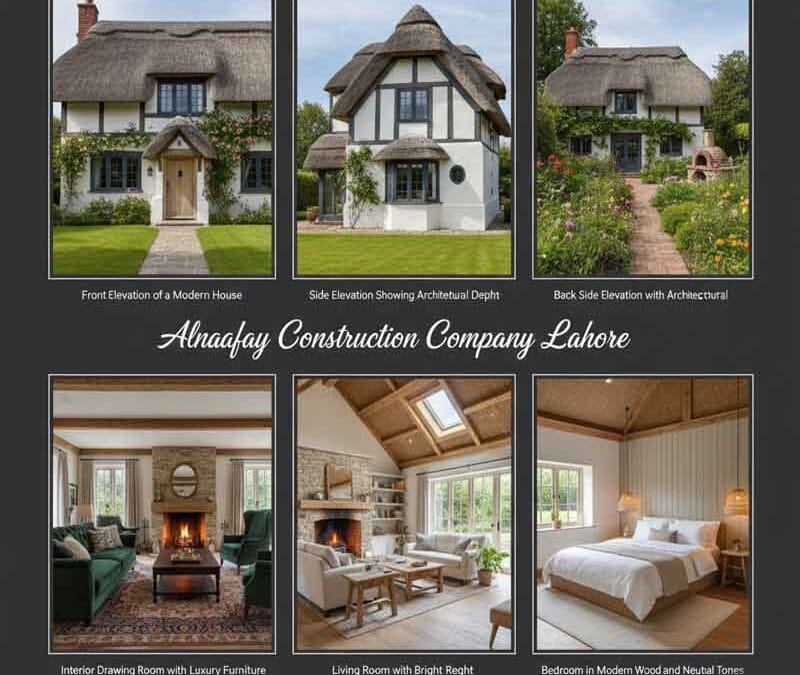
Thatched roof cottage
A Story That Begins in the Fields
Once upon a time, before tall buildings filled the sky, people built homes using what nature offered freely. The wind whispered through barley fields, the rivers carried clay and reeds, and the forests gave timber for beams. From these humble gifts, people created one of the most charming home designs in history—the Thatched Roof Cottage.
Imagine standing in front of a cozy little house with white walls, flowers by the doorway, and a roof made of golden straw, sparkling like sunlight frozen in time. Birds sometimes land on it; raindrops glide down softly. It feels alive, almost breathing, like it has a heartbeat made of wind and laughter. That is the magic of a thatched roof cottage.
What Is a Thatched Roof Cottage?
A Thatched Roof Cottage is a small, usually countryside home topped with a roof made from dried vegetation such as straw, reeds, or palm leaves. The word “thatched” means “covered with a bundle of straw or reeds,” and “cottage” means “small, simple house.” Together, they form one of the oldest and most poetic home designs humans ever created.
Thatching is the art of weaving plant materials tightly so that rain cannot enter. Builders lay the straw layer after layer, carefully binding and fixing it onto wooden frames. When done correctly, the roof becomes waterproof, wind-resistant, and amazingly long-lasting.
Although the design looks ancient—and it is thousands of years old—it remains alive in modern times. People around the world still build or restore thatched cottages because they offer beauty, comfort, and connection with nature.
Why People Choose Thatched Cottages Today
People fall in love with these homes for many heartfelt and practical reasons.
1. Timeless Beauty
Thatched cottages look like something straight out of a fairytale. Because natural materials age gracefully, the home seems to belong to the landscape. Moreover, each roof handmade by artisans gives the cottage an original personality.
2. Eco-Friendliness
Nothing in a thatched roof harms the Earth. The straw or reeds grow back yearly, and when replaced, the old thatch returns harmlessly to the soil. Consequently, thatching is among the most sustainable roofing styles on Earth.
3. Natural Insulation
Thatch cleverly keeps homes warm in winter and cool in summer. The air trapped within the straw acts as insulation, balancing inside temperatures naturally.
4. Cultural Charm
In many countries, especially England and parts of Europe, these roofs symbolize heritage and tradition. Homeowners feel proud to live within a piece of history.
5. Quiet and Peaceful
The thick thatch layer absorbs sound, making interiors wonderfully peaceful. Therefore, even if the wind howls or rain pours outside, inside feels calm.
Materials Used in a Thatched Roof Cottage
Building a thatched home begins with an artist’s love for natural materials.
- Wheat Straw: Most common in European cottages; soft, durable, golden-brown in color.
- Water Reed: Used mainly near lakes and rivers; more silvery and long-lasting.
- Palm Leaves: Common in tropical areas, flexible and good against sun.
- Timber and Wood: Make the basic frame for the cottage and support the roof.
- Clay, Lime, or Brick Walls: Form the base structure below the roof.
Because these materials breathe and adapt, the entire building feels alive along with the changing seasons.
Top 5 Countries Famous for Thatched Homes
Although thatching appears around the world, some places are particularly known for mastering it.
- England: Perhaps the most famous country for thatched cottages. Villages in Devon, Dorset, and the Cotswolds look like living postcards. The damp but mild climate suits reed and straw roofs perfectly.
- Ireland: Irish countryside homes with thick thatch and white-painted walls are admired worldwide for their simplicity.
- Netherlands: Dutch builders modernized thatching with fire-resistant layers, so it’s both safe and stylish.
- Japan: In areas like Shirakawa-go, old farmhouses with steeply sloped thatch roofs resist heavy snow.
- Kenya: African thatched huts known as “makuti” use palm leaves, keeping rooms cool under hot sunlight.
These five countries stand out because tradition, craft skills, and climates come together harmoniously.
Step-by-Step Construction of a Thatched Roof Cottage
Building a thatched cottage blends engineering, art, and patience. Here’s a simple roadmap.
Step 1: Designing the Cottage
Architects draw the shape, roof pitch, and interior layout. Because thatch requires steep slopes for rain runoff, most roofs tilt between 45°–60°. This angle ensures durability.
Step 2: Foundation and Walls
Builders begin with stable ground foundations. Stones or reinforced concrete protect from rising moisture. Walls follow, made from bricks, clay, or even cob (earth mixture) depending on local tradition.
Step 3: Preparing the Frame
Carpenters assemble a wooden framework to hold the roof. It includes beams, rafters, and ridge poles. The structure must be solid to support the weight of wet thatch during work.
Step 4: Gathering Thatching Material
Craftsmen collect straw or reeds after harvest season. They clean, dry, and bundle them tightly. Good thatching material is clean, straight, and firm.
Step 5: Laying the Thatch
Thatchers begin from the bottom edge of the roof and slowly move upward. They tie bundles carefully with wooden pegs or wires. Each layer overlaps the previous, ensuring water slides down smoothly and never seeps in.
Step 6: Ridge Finishing
The ridge is the top spine of the roof. It’s shaped beautifully—sometimes with patterns like waves or diamonds pressed into the straw.
Step 7: Final Touches
Finishers trim stray pieces, compact layers, and brush the outer surface. Traditionally, a layer of wire mesh protects against birds. The result is a golden wave of straw shimmering like sunshine.
With patient planning, respect for local climate and codes, and good teamwork with experts, Avoid using to go crazy as it is potentially harmful. Consider using an alternative, such as to go wild, to go out of control, to go up the wall, to be aggravated, to get confused.
Why Thatch Works So Well
It seems impossible that a bunch of grass can keep people dry through heavy rain. However, science explains it clearly.
Each stalk of reed or straw has a waterproof waxy layer. When packed tightly and sloped correctly, water runs across the surface instead of soaking in. Meanwhile, air pockets within the thatch keep inside conditions mild. Consequently, the roof behaves almost like a natural thermostat.
Moreover, because it’s light, strong winds find little to grab onto. Properly fixed thatch moves with the breeze rather than fighting it. As a result, these roofs survive storms that damage heavier ones.
Cost Factors of a Thatched Roof Cottage
Costs vary depending on size, region, material quality, and craftsmanship. However, we can explore the key parts.
1. Materials
Water reeds cost more than straw but last nearly twice as long. Thatching grasses need harvesting, cleaning, and bundling—which adds time costs.
2. Labor
Thatched roofing is a specialized skill. Few artisans master it today, so labor can represent 60% of total cost. However, their craftsmanship ensures decades of beauty.
3. Maintenance Schedule
Although a thatched roof’s main body can last 30–60 years, the ridge section often needs renewal every 10–15 years.
4. Fire Protection
Modern cottages include treatment sprays or fireproof barriers, adding an extra layer of expense and safety.
Consequently, building a thatched home can initially cost more than an ordinary roof. Yet, because they last long and require few repairs, overall costs balance out.
Maintenance Tips
Every roof needs some love, and thatch is no different. Follow these care tips to keep it strong.
- Inspect Annually: Look for moss, bird nests, or signs of wear.
- Keep Trees Away: Overhanging branches trap moisture and shade, shortening roof life.
- Repair Early: Small damages quickly fixed prevent larger, costlier problems.
- Maintain Fire Barriers: Spray treatments or wire mesh reduce risk.
- Keep Gutters Clean: Debris around eaves holds water. Regular cleaning helps longevity.
Because thatch ages gracefully, gentle maintenance rather than heavy repair is usually enough.
Common Mistakes to Avoid
- Wrong Pitch: If too flat, water collects; correct slope is essential.
- Poor Quality Thatch: Cheap, thin straw wears out too quickly.
- No Ventilation Inside Attic: Without airflow, dampness invites mold.
- Delayed Repairs: Even tiny bird holes can worsen fast.
- Ignoring Local Regulations: Some areas need special fire standards for thatched roofs.
Avoiding these missteps ensures peace of mind and a long-lasting cottage.
Safety Tips for Kids in a Thatched Roof Cottage
Thatched cottages delight children—they look magical. Still, safety matters.
- Fire Safety: Teach kids never to light candles or sparklers near roofs.
- Climbing Caution: The soft outer straw may attract curious climbers; explain it’s fragile.
- Secure Loft Access: If there’s an attic under the roof, railing and short ladders should be safe.
- Hide Electrical Cables: Ensure wiring runs through protective casing, far from straw.
- Bird and Insect Care: Birds may nest on thatch, which is fun to watch, but teach kids to observe—not touch.
With sensible rules, children can enjoy the fairy-tale atmosphere safely every day.
Thatched Roof Cottages in Lahore’s Evolving Architecture
Though Pakistan’s architecture usually favors brick and concrete, concepts similar to thatched designs appear in creative corners of Lahore.
In DHA Lahore, modern farmhouses outside city limits sometimes use straw or reed gazebos modeled after traditional thatched huts. Bahria Town Lahore integrates thatch-style roof cafés within parks. Lake City Lahore occasionally shows villas with decorative thatch on terraces for rustic charm.
Valencia Town, Wapda Town, and Johar Town homeowners decorate gardens with small thatched sheds for outdoor lounging. Model Town, Gulberg, Askari, and Lahore Cantt communities also experiment with resort-style patios blending straw and bamboo for aesthetics.
These designs are not formal rankings but clear hints that Lahore’s people crave nature-inspired beauty and climate-smart relaxation spaces. Because thatch reduces heat, it’s both decorative and functional in Pakistan’s weather.
How Environment and Climate Affect Thatch
Thatched roofs behave differently in different climates.
- Wet Climate (like England): Moss grows faster; frequent cleaning is needed.
- Hot and Dry Climate (like Lahore): Sunlight dries straw quickly, but frequent dust cleaning helps longevity.
- Snowy Regions (like Japan): Steep slopes let snow slide off easily.
- Coastal Areas: Salt spray requires regular maintenance checks.
Therefore, tuning design to local weather conditions guarantees success anywhere.
Environmental Benefits
Thatching proves that old methods often hold the greenest answers.
- Low Carbon Footprint: No factory process required.
- Biodegradable: Worn-out thatch feeds soil, not landfills.
- Energy Saving: Naturally regulates indoor temperatures.
- Supports Wildlife: Birds and insects sometimes find safe homes in small roof sections—part of nature’s cycle.
Consequently, choosing this design supports ecology beautifully.
Famous Examples Around the World
1. English Villages—The Heart of Charm
Drive through Devon or the Cotswolds, and you’ll see lanes lined with thatched cottages glowing under the soft sun. Many date back 400 years.
2. Irish Farmhouses
Whitewashed walls and thick golden roofs stand beside green meadows. They feel cheerful even on foggy days.
3. Dutch Countryside Homes
In the Netherlands, thatched villas combine old craft with modern glass walls—tradition meets innovation.
4. Japan’s Shirakawa-go Houses
These UNESCO-listed wooden homes have massive triangular thatch roofs to tackle deep snow.
5. African Beach Lodges
Kenyan and Tanzanian coastal lodges use palm-thatch roofs that flutter gently in the sea breeze, giving visitors natural cooling.
Each proves that the thatched dream fits across continents, climates, and cultures.
Modern Twists on Thatched Roof Cottages
While many love the traditional style, architects now merge thatch with the latest technology.
- Fireproof Linings: Layers beneath thatch provide safety.
- Rainproof Sheeting: Hidden membranes under straw channel extra water away.
- Solar Panels: Some owners install small, discreet panels over or beside thatched areas.
- Reed Tile Combinations: Durable sections get a hybrid thatch-tile mix for longevity.
Therefore, the age-old idea continues evolving gracefully with new solutions.
Artistry and Culture of Thatching
Thatching is both profession and art. Skilled roofers known as “thatchers” inherit ancient techniques, often learning from parents or community masters. They know how every fiber behaves, how to twist straw ends, and how to align bundles perfectly. Watching them feels like watching painters shape a roof brushstroke by brushstroke.
Moreover, symbolic decorations often appear atop the ridge—birds, hearts, or flowers woven into the top layer. These finishing touches give each cottage character and personal flair.
Challenges in Building or Maintaining Thatched Cottages
Despite their charm, these houses bring responsibilities.
- Fire Risk: Natural materials need fire barriers or suppression systems.
- Skilled Labor Shortage: Fewer thatchers exist now, especially in urban regions.
- Insurance Costs: In certain countries, thatched roofs cost more to insure.
- Maintenance Commitment: Regular inspections are necessary, not optional.
- Pest Control: Birds or rodents may occasionally seek nesting; wire mesh prevents this.
Still, admirers accept these challenges as part of owning something timeless and meaningful.
Cottage Interior Design Inspiration
Inside a thatched cottage, design can be as poetic as outside.
- Wooden Beams: Leave them visible for rustic charm.
- Clay or Lime Walls: Keep interiors breathable and cozy.
- Fireplace Focus: Central fireplaces define cottage warmth.
- Small Windows with Deep Ledges: Perfect for flower pots or books.
- Furniture: Choose locally made wooden pieces to match natural textures.
Because every space is small and warm, interiors invite peace after a busy day.
Educational Value for Children
Living in or learning about thatched cottages teaches children countless things.
- Science: Understand insulation, waterproofing, and natural materials.
- History: Explore how ancestors lived smartly without modern gadgets.
- Art: Learn through observing patterns and craftsmanship.
- Environmental Respect: Realize how nature can build shelter creatively.
Therefore, this style becomes a window to both past and future knowledge.
Community Joy and Shared Skills
In villages where thatching still thrives, people come together in harmony. Neighbors help gather straw, children assist in bundling, and elders guide designs. The process feels almost like a festival of cooperation.
Moreover, modern eco-villages across Europe and Asia revive the same spirit. People complement technology with traditional wisdom—building homes that feel like music composed with sunshine, earth, and human hands.
Cultural Meaning in Different Regions
- England: Symbol of rural grace and heritage.
- Japan: Reminder of respecting natural cycles.
- Africa: Reflection of harmony between materials and climate.
- Pakistan: Evokes historical links to mud-hut villages and respect for simplicity.
Therefore, although countries differ, the soul of the thatched roof cottage—humility, warmth, and balance—remains universal.
Cost Comparison with Modern Roofs
At first glance, straw roofs seem expensive because of specialist labor. However, their long lifespan and insulation cut energy bills. Moreover, owners rarely need full replacements more than once in several generations.
In contrast, typical modern roofs require frequent partial repairs. Consequently, thatch’s value grows over time, not fades.
Lahore’s Future and Natural Design Trends
Architectural schools and eco-developers in Lahore increasingly discuss sustainability. Students study how natural cooling systems like thatched coverings could lower heat without heavy electricity use. Some resort projects near the city edges already model eco-cottages for tourism.
Although full-scale thatched houses are rare in urban Lahore presently, the idea travels fast. Moreover, designers combine thatch with local bamboo or wickerwork to create hybrid green-roof shelters. Consequently, Lahore might soon revive traditional materials reimagined for city life.
Caring for Your Thatched Roof Over Time
To preserve your magical roof:
- Watch for Green Growth: Remove moss gently with brushes.
- Control Chimney Sparks: Fit spark arresters where fireplaces exist.
- Avoid Power Washing: Water jets damage delicate layers; gentle brushing works best.
- Trim Trees Nearby: Sun and airflow dry thatch naturally.
- Hire Professional Inspection: Thatched roofs are specialized—only experts should handle major repairs.
Because prevention always costs less than restoration, regular care brings peace of mind.
Emotional Appeal of Living in a Thatched Roof Cottage
Stepping into a thatched cottage feels unlike stepping anywhere else. There’s a certain quiet joy. You can hear the rustle of straw when winds blow softly. The scent reminds you of hayfields after rain. Even sunlight entering through small windows feels warmer.
People often say such houses invite slower living. Meals taste better; conversations last longer. Children grow curious about nature again. Consequently, the home becomes both refuge and inspiration.
Conclusion
The Thatched Roof Cottage remains more than a building style—it’s a living heritage. Built from the Earth’s own gifts, it teaches lessons of care, patience, and creativity. Its beauty lies not in luxury, but in balance and craftsmanship.
From English meadows to African coasts, from Japanese mountains to the creative backyards of Lahore, this timeless design connects cultures beautifully. It shows that elegance doesn’t need concrete or brightness; it only needs honesty between human and nature.
When we step under a straw roof, we step back into harmony—the kind of harmony our planet hopes we’ll remember.
FAQ: Thatched Roof Cottage
Q1. How long does a thatched roof last?
A well-built roof can last 40–60 years, while the top ridge often needs freshening every 10–15 years.
Q2. Is thatch only for old-fashioned houses?
No. Modern architects use thatch creatively for eco-homes, resorts, and even city cafes.
Q3. Are Thatched Roof Cottages safe from fire?
With proper barriers, sprays, and spark arresters, modern thatched roofs maintain excellent safety records.
Q4. Where in Lahore can I see thatch-inspired designs?
Areas like Bahria Town Lahore, Lake City, DHA Lahore, and Model Town include eco-gazebos and garden cottages with thatch-inspired looks.
Q5. Why are Thatched Roof Cottages good for the environment?
Because they use renewable materials, need less energy to produce, and recycle naturally back into the Earth.
Quick Links
Social Icons
Contact Us Information
443 J3 Johar Town Lahore near Expo Center Lahore
