Hidden Costs in Construction
Introduction
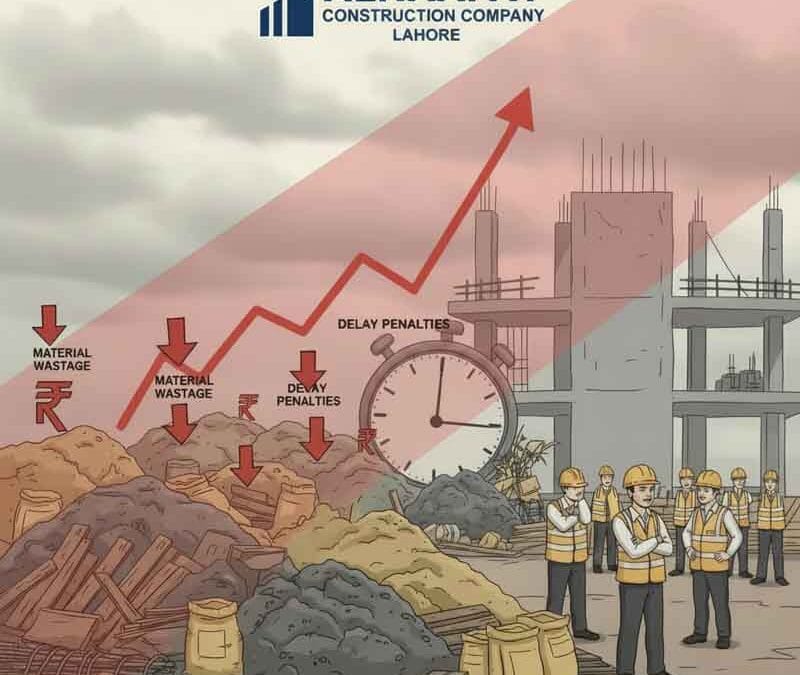
Embarking on a home construction project is an exciting venture. You have the plans, the vision, and a budget you believe is solid. However, construction is a field where the final bill rarely matches the initial estimate. This is because of numerous hidden costs in construction that lurk beneath the surface of any budget. These are the expenses that are not obvious at first glance but can quickly accumulate, causing significant financial stress.
Many first-time homeowners create a budget based on the "hard costs"—the visible expenses like bricks, cement, steel, and labor. They meticulously calculate these figures but often overlook a whole category of expenses that can inflate the total cost by 20-30% or even more. Consequently, understanding and planning for these unseen expenses is the difference between a smooth project and a financial disaster.
This comprehensive guide will shine a light on the shadows of your construction budget. We will identify the most common unexpected expenses, explore how architectural choices can minimize them, and provide actionable strategies to keep your project on track. Furthermore, we will examine specific local factors in a city like Lahore that can contribute to these surprise costs. By the end, you will be prepared to face the financial realities of building a home with your eyes wide open.
The Nature of Hidden Costs in Construction
What exactly are these elusive expenses? Hidden costs in construction are unforeseen or unbudgeted expenses that arise during the project lifecycle. They can be broadly categorized into "soft costs," regulatory fees, site-related surprises, and post-construction expenses. Unlike the fluctuating price of steel, these costs are often fixed but simply forgotten in the initial planning stages.
Soft Costs: The Intangible Expenses
Soft costs are the non-physical expenses essential for any construction project. They are often the most significant category of hidden costs because they are not directly related to a tangible material. These can include:
- Architectural and Engineering Fees: The cost of designing the house and ensuring it is structurally sound.
- Permit and Approval Fees: The money paid to local authorities to legally allow construction.
- Surveying and Soil Testing: The cost to map out your land and analyze the soil's stability.
- Insurance: Builder's risk insurance to cover accidents or damage during construction.
Many people are so focused on the cost of the physical building that they completely forget to budget for these professional services and administrative hurdles. Therefore, a good rule of thumb is to allocate 15-25% of your total budget to cover these soft costs.
How Architectural Style Can Help Manage Hidden Costs
Believe it or not, your choice of architectural style can have a significant impact on the number of unexpected expenses you face. A style that embraces simplicity and standard practices is less likely to encounter unforeseen design-related costs.
Defining the Style: The Japanese Muji Aesthetic
A design philosophy that excels at minimizing complexity and, by extension, hidden costs is the Japanese Muji style. It is not just an architectural style but a brand philosophy centered on simplicity, functionality, and a rejection of waste. Muji-inspired homes are characterized by their minimalist aesthetic, neutral color palettes, efficient use of space, and reliance on natural, unadorned materials like light wood and plaster.
Which Country is Famous for This Design?
Japan is the origin and master of this minimalist approach. It stems from traditional Japanese principles of simplicity (Kanso) and finding beauty in nature (Shizen). The Muji philosophy takes this further by focusing on creating highly functional, "no-brand" quality goods and homes that are timeless and free of unnecessary frills. The goal is to provide a serene and organized living environment through clever design rather than expensive decoration.
Budgetary Benefits of the Muji Style
How does this help with hidden costs in construction? Firstly, the emphasis on standard dimensions and simple, rectangular forms reduces material waste and simplifies the building process. This minimizes the chance of complex construction errors that require costly rework. Secondly, by using the natural beauty of materials like wood and concrete as the final finish, you eliminate entire categories of finishing costs (and potential overruns) like decorative plasters, complex paint jobs, and expensive wallpapers. Finally, the focus on hyper-efficient storage solutions and multi-functional spaces means you can build a smaller, more affordable home that feels spacious and uncluttered.
A Breakdown of Common Hidden Costs in Construction
Let's dissect the project timeline and identify where these surprise expenses typically appear. Being aware of them is the first step toward managing them.
1. Pre-Construction Surprises
Before the first shovel hits the ground, you can already encounter unexpected costs.
- Soil Testing and Compaction: You might budget for a basic soil test. However, if the test reveals the soil is too loose or unstable, you will face the significant added cost of soil compaction or a more expensive foundation design.
- Utility Connection Fees: You know you need electricity, water, and gas. What you might not budget for are the substantial "demand notice" fees charged by utility companies to bring a new connection to your plot. This can run into thousands of dollars.
- Demolition and Site Clearing: If your plot has an old structure, trees, or large rocks, the cost of demolition and clearing the site can be a major unbudgeted expense.
2. Costs During Construction
This is where the bulk of hidden costs in construction emerge.
- Site Security and Management: For the duration of the build, you need a place for labor to stay and a guard to protect your materials from theft. The cost of a temporary hut and a security guard's salary for 6-12 months adds up.
- Transportation and Delivery Charges: The price you are quoted for bricks or tiles often doesn't include the cost of delivery. For heavy materials, these transportation costs can be substantial.
- Equipment Rental: Your contractor's fee may not include the rental of heavy machinery like a concrete mixer, crane, or water pump. These are often billed separately.
- Rework and Corrections: Mistakes happen. A wall might be built slightly out of alignment, or a plumbing line might be placed incorrectly. The cost of tearing down and redoing work is a pure loss that comes directly out of your pocket.
3. Post-Construction and Finishing Costs
Even when the house looks finished, there are more expenses to come.
- Final Cleanup: After construction, your site will be filled with debris, dust, and leftover materials. The cost of a thorough final cleaning and hauling away debris is often overlooked.
- Landscaping and Exterior Works: The budget often stops at the front door. The cost of building a driveway, a boundary wall, a gate, and basic landscaping is a major expense that many forget to include.
- Window Coverings: Your beautiful new windows need blinds or curtains. Outfitting an entire house can be surprisingly expensive.
Regional Focus: Hidden Costs in Lahore's Societies
Lahore is a city of diverse housing societies, and each has its own unique set of potential hidden costs. A savvy builder must understand these local nuances.
DHA (Defence Housing Authority)
DHA has strict bylaws. A common hidden cost here is fines. If your contractor stacks materials on the road or your exterior finish deviates from the approved plan, you can face hefty penalties. Furthermore, DHA requires specific quality tests for materials like concrete, and the cost of these lab tests is on you.
Bahria Town
Bahria Town has its own building control authority. A surprise cost can arise if Bahria's design department demands changes to your architectural plans after you've already had them drawn up. The cost of revising architectural drawings is a classic hidden expense. Additionally, Bahria has its own utility connection process, which comes with its own set of fees.
Lake City and Valencia
In these rapidly developing societies, infrastructure is constantly being upgraded. You might find that a road is being dug up just as you are about to start, delaying material deliveries. The cost of these delays (idle labor, project timeline extension) is a significant financial hit.
Wapda Town and Johar Town
These are crowded, established areas. A major hidden cost is managing the neighbors. If your construction work damages a neighbor's wall or disrupts their access, you may be liable for repair costs or face disputes that delay your project. Budgeting for protective measures and good neighborly relations is wise.
Model Town and Gulberg
Building a modern home here often means demolishing an old one. A huge hidden cost can be the safe removal of hazardous materials like asbestos, which was common in older buildings. This requires specialized labor and disposal methods, which are very expensive.
Askari and Cantt
The most significant hidden costs in construction here are related to time. The strict security protocols for entry of labor and materials can create a slow, start-stop workflow. While not a direct cash expense, the cost of a project taking two extra months to complete due to logistical friction is very real, especially if you are paying interest on a loan.
Mistakes to Avoid That Lead to Hidden Costs
Many surprise costs are not random; they are the result of poor planning or common mistakes.
Not Finalizing the Design
This is the number one cause of budget overruns. Every "small change" made after construction begins has a ripple effect. Changing a window's location means breaking the wall, redoing the lintel, and re-plastering. These changes are a primary source of what people perceive as hidden costs in construction. They aren't hidden; they are self-inflicted.
Choosing the Cheapest Contractor
A contractor who gives a suspiciously low bid is likely cutting corners somewhere. They might be using substandard materials or unskilled labor. The cost of fixing their poor workmanship—leaky roofs, cracked walls—will far exceed the initial savings. This is a classic "buy cheap, buy twice" scenario.
Ignoring the Importance of Contracts
Relying on verbal agreements with your contractor or laborers is a recipe for disaster. A clear, written contract that specifies the exact scope of work, the materials to be used, and the payment schedule protects you from unexpected charges and disputes. Without it, you are vulnerable to endless "extra" charges.
Budgeting for the Unforeseen
Since hidden costs are a reality, the only defense is to plan for them.
The Contingency Fund: Your #1 Tool
This cannot be stressed enough. A contingency fund is a pot of money, typically 15-20% of your estimated construction cost, set aside purely for unexpected expenses. It is not a fund for upgrading your kitchen countertops. It is your emergency buffer that turns a potential project-ending crisis into a manageable problem. Effective management of hidden costs in construction is impossible without it.
Getting Detailed Quotes
When you get a quote from a contractor, ensure it is a detailed, line-item bid. A simple "Total Cost" figure is useless. You need to see a breakdown of what is included and, more importantly, what is not included. Ask them directly: "Does this price include equipment rental, site security, and final cleanup?"
Long-Term Maintenance: The Costs That Never End
The financial life of your house extends far beyond the construction phase.
- Property Taxes: This is a recurring annual expense that is often forgotten during the excitement of building.
- Insurance: Homeowner's insurance is another mandatory annual cost.
- Utility Bills: A larger house, or one that is poorly insulated, will come with higher electricity and gas bills. This is a long-term cost directly influenced by your initial design and material choices.
- Repairs and Upkeep: Things break. The water heater will eventually fail. The exterior will need repainting. Prudent financial planning involves setting aside a small amount each year (around 1% of the home's value) for these inevitable repairs.
A Successful Build Through Proactive Planning
The journey of construction can be smooth and rewarding if you approach it with foresight and diligence. With patient planning, respect for local climate and codes, and good teamwork with experts, you can anticipate and manage most of the financial surprises. This philosophy emphasizes that uncovering hidden costs is a proactive exercise in risk management, not a passive acceptance of fate.
The Value of a Good Project Manager
If you are busy or lack construction experience, hiring a project manager or an experienced architect to supervise the project can be a wise investment. They can spot potential issues before they become costly problems, ensure the contractor is not cutting corners, and help keep the project on schedule. Their fee can often be offset by the savings they generate in preventing costly mistakes.
FAQs: Shining a Light on Hidden Expenses
Q: What is the single biggest hidden cost to watch out for?
A: Foundation issues are often the biggest and most frightening surprise. If soil tests reveal a need for deep piling or a specialized raft foundation, it can add tens of thousands of dollars to the budget unexpectedly.
Q: Are government taxes and fees a significant hidden cost?
A: Yes. Depending on your location, you can face a multitude of taxes and fees: property purchase tax, capital value tax, stamp duties, and various municipal fees for plan approvals. These can add up to a substantial sum and are almost always forgotten by first-time builders.
Q: How do I budget for things I can't possibly know about, like a sudden fuel price hike?
A: This is precisely what the contingency fund is for. You cannot predict specific events, but you can predict that something unexpected will happen. The contingency fund is your all-purpose buffer for these kinds of market volatilities.
Q: Can my contractor charge me for their mistakes?
A: They shouldn't, but some will try. This is where a strong contract is vital. The contract should state that any rework required due to the contractor's error is to be done at their own cost.
Q: Does the climate affect the potential for hidden costs?
A: Absolutely. Building during a heavy monsoon season can lead to endless delays, which cost money in idle labor and extended overheads. In extremely hot climates, concrete may need special additives or procedures to cure properly, which can be an unexpected cost. A smart plan accounts for these climate-related risks.
Conclusion
The term "hidden costs in construction" is slightly misleading. In reality, most of these costs are not truly hidden; they are simply unplanned for. They are the predictable consequences of an incomplete budget and a lack of foresight. By taking the time to understand the entire lifecycle of a construction project—from the initial land survey to the final landscaping—you can unmask these expenses and bring them into the light of your budget.
Whether you are building in a highly regulated area like DHA Lahore or a more relaxed suburban neighborhood, the principles of fiscal diligence apply. Create a comprehensive budget that includes soft costs, regulatory fees, and site management expenses. Build a generous contingency fund. Vet your team carefully and bind them with clear contracts.
A construction project is a complex undertaking with many moving parts. Surprises are inevitable. However, by planning for the unexpected, you transform these surprises from budget-breaking disasters into manageable challenges. This proactive approach is the key to ensuring that the home of your dreams is built on a foundation of financial stability, not on a mountain of unforeseen debt.
Quick Links
Social Icons
Contact Us Information
443 J3 Johar Town Lahore near Expo Center Lahore
