
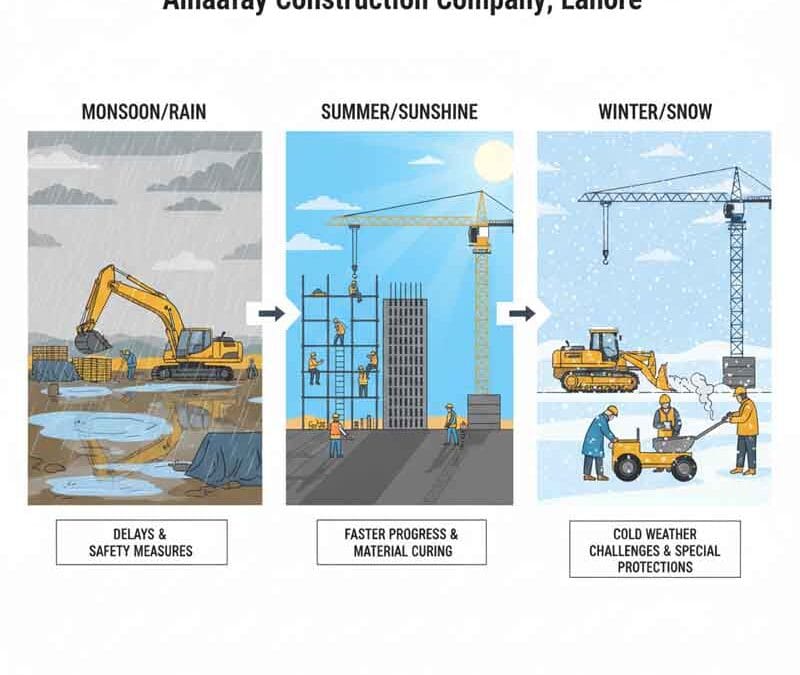
Seasonal Impacts on Construction Timelines
Introduction
Building a house or a commercial structure is a battle against the elements. Every contractor knows that the weather is the one variable you cannot control. However, you can control how you react to it. Understanding seasonal impacts on construction timelines is crucial for success. If you ignore the changing seasons, you will face delays, budget overruns, and frustrated clients.
Conversely, a smart builder uses the seasons to their advantage. They schedule specific tasks for specific months. They choose materials that can withstand the current climate conditions. This guide will explore the rules you must follow to navigate these challenges. We will look at the benefits of seasonal planning and the best materials to use. Furthermore, we will examine which country handles these challenges best and what you can learn from them.
The Must-Follow Rules for Seasonal Construction Planning
To keep a project on track, you must adhere to strict guidelines. The seasons dictate the pace of work. Therefore, your schedule must be flexible yet robust.
Rule 1: Respect the Temperature Limits
Every material has a temperature limit. Concrete, paint, and adhesives will not work properly if it is too hot or too cold. Consequently, you must know the specifications of every product you use. If the manufacturer says do not paint below 50 degrees, you must listen. Ignoring this rule leads to peeling paint and cracking concrete. Thus, seasonal impacts on construction timelines often stem from material failures caused by temperature.
Rule 2: The “Dry-In” Priority
In almost every climate, water is the enemy. Your primary goal should always be to get the building “dried in” as fast as possible. This means the roof, windows, and exterior cladding are installed. Once the shell is weather-tight, you can work on the interior regardless of rain or snow. Therefore, schedule your foundation and framing during the driest months of the year.
Rule 3: Anticipate Daylight Changes
Winter days are short. In some regions, you might lose three or four hours of daylight compared to summer. This drastically reduces the amount of work a crew can do in a single day. As a result, you must adjust your labor expectations. Do not expect the same productivity in December that you get in June. You may need to bring in portable lighting towers to keep the site safe and productive after sunset.
Benefits of Adapting to Seasonal Changes
Why should you spend time planning for the seasons? The benefits go beyond just avoiding disaster. Indeed, proactive planning can improve your business significantly.
Reduced Financial Risk
Delays cost money. If a sudden storm stops work for a week, you still have to pay for equipment rentals. Additionally, you might face penalties for missing the completion deadline. By anticipating seasonal impacts on construction timelines, you can build buffers into your budget. This protects your profit margin from unexpected weather events.
Higher Quality Workmanship
Rushing to finish a job before winter often leads to mistakes. However, if you plan correctly, your team can work at a steady pace. They will not be forced to pour concrete in freezing rain or paint in scorching heat. Consequently, the final quality of the building will be higher. A well-built structure leads to fewer warranty calls and happier clients.
Improved Worker Safety and Morale
Working in extreme weather is miserable and dangerous. Frostbite, heatstroke, and slips on ice are real risks. When you plan around the seasons, you protect your crew. You schedule indoor work for the coldest or hottest days. This shows your employees that you care about their well-being. In turn, they will be more loyal and productive.
Spring: Navigating Mud and Rain
Spring is a season of renewal, but for construction, it is often the season of mud. The ground thaws, and heavy rains are common.
Handling Site Conditions
The biggest challenge in spring is site access. Heavy trucks can easily get stuck in the mud. Therefore, you must stabilize the entrance to your site. Use crushed stone or temporary road mats to create a solid surface. If you ignore this, you will waste hours pulling delivery trucks out of the mud.
Concrete and Foundation Work
Spring is a risky time for foundations. If the ground is still frozen deep down, pouring concrete can be disastrous. You must ensure the frost is completely out of the ground. Additionally, sudden rainstorms can wash away fresh concrete. Thus, always keep tarps and protective covers on standby. Managing these risks is a key part of handling seasonal impacts on construction timelines.
Material Selection for Wet Seasons
- Moisture-Resistant Wood: Use pressure-treated lumber for any framing that might get wet.
- Waterproof Membranes: Install high-quality house wraps immediately after framing.
- Quick-Dry Adhesives: Use glues that set fast to avoid washout.
Summer: battling the Heat and Humidity
Summer offers long days and generally dry weather. However, extreme heat presents its own set of problems.
Managing Concrete Curing
Hot weather causes concrete to dry too fast. This leads to surface cracks and weak structural integrity. To combat this, you must keep the concrete wet. Use misting sprays or wet burlap to slow down the curing process. Additionally, try to pour concrete early in the morning before the sun gets too high.
Worker Safety in High Heat
Heat exhaustion is a serious threat. You must provide plenty of water and shaded rest areas for your crew. Consider shifting the work schedule. Start at 6:00 AM and finish by 2:00 PM to avoid the hottest part of the day. This adjustment is a simple way to mitigate negative seasonal impacts on construction timelines.
Dust Control Measures
Dry summer weather creates dust. This can be a nuisance for neighbors and a health hazard for workers. Therefore, use water trucks to dampen the ground. Keep piles of dirt covered. These small steps prevent complaints and stop the job from being shut down by local authorities.
Autumn: The Race Against Winter
Autumn is often the best time for construction. The weather is mild, and the ground is dry. However, the clock is ticking. You are in a race to finish before winter arrives.
Prioritizing the Exterior
Your main focus in autumn must be the building envelope. Finish the roof, install the windows, and complete the siding. If you can get the building sealed before the first snow, you have won the battle. Consequently, you should delay interior tasks like drywall until the exterior is secure.
preparing for the Freeze
As temperatures drop, you must prepare the site for winter. Drain water lines to prevent freezing. Service your heaters and generators. Order winter fuel supplies early. This preparation ensures you are not caught off guard by an early cold snap.
Material Considerations for Cooling Temps
- Caulk and Sealants: Most caulks become thick and hard to apply in the cold. Keep them warm until the moment you use them.
- Paint: Switch to low-temperature paints that can cure at 35 degrees Fahrenheit.
- Roofing: Asphalt shingles can become brittle in the cold. Handle them with care to avoid breakage.
Winter: Surviving the Freeze
Winter is the most challenging season. Snow, ice, and freezing temperatures make every task harder. However, construction does not have to stop.
Heating the Job Site
To work inside, you need heat. Temporary propane or diesel heaters are essential. However, they introduce moisture into the air. This can cause condensation on windows and mold growth. Therefore, you must ventilate the space while heating it. Balancing heat and ventilation is a tricky but necessary part of managing seasonal impacts on construction timelines.
Ground Thawing Strategies
If you must dig in winter, you have to thaw the ground. This is expensive and slow. You can use ground-thawing blankets or hydronic heating coils. Alternatively, you can tent the area and heat the air inside. Avoiding winter excavation is always the best strategy, but sometimes it is unavoidable.
Safety on Ice and Snow
Slips and falls are common in winter. Keep the job site clear of snow and ice. Spread sand or salt on walkways. Furthermore, ensure workers wear insulated boots with good traction. Roof work is particularly dangerous in winter and should be avoided if possible.
Climate Suitability Considerations for Construction
Different regions have different “seasons.” A winter in Florida is very different from a winter in Minnesota. You must adapt your strategy to your specific climate zone.
Tropical and Humid Climates
In these regions, the “season” is often defined by rain, not temperature. The hurricane season poses a major threat.
- Strategy: Secure the site daily. Do not leave loose materials that can become projectiles in high winds.
- Materials: Use rot-resistant materials like concrete block and steel. Wood can rot quickly in high humidity.
- Timeline: Schedule exterior painting for the dry season only.
Arid and Desert Climates
Here, the challenge is extreme temperature fluctuation. It can be scorching hot during the day and freezing at night.
- Strategy: Protect materials from UV damage. The sun can degrade plastics and wood very quickly.
- Materials: Use materials with high thermal mass, like adobe or stone, to regulate indoor temperature.
- Timeline: Work at night or early morning during the peak summer months.
Cold and Snowy Climates
These regions require the most robust winter planning.
- Strategy: Focus on “getting out of the ground” before the frost depth sets in.
- Materials: Use admixtures in concrete to accelerate curing before it freezes.
- Timeline: Allow extra time for tasks. Workers move slower in heavy winter gear.
Global Leader: Scandinavian Construction Efficiency
When we look for a country that has mastered seasonal impacts on construction timelines, we look to Sweden.
Why Sweden is Famous for This
Sweden faces long, harsh winters with very little daylight. Despite this, their construction industry is incredibly efficient. They do not shut down for the winter. Instead, they have adapted their entire building culture to work with the cold.
Prefabrication as a Solution
The secret to Swedish success is prefabrication. They build huge sections of houses in warm, well-lit factories. Walls, floors, and even entire bathrooms are built indoors. Then, they ship these components to the site.
- The Process: A crane lifts the walls into place. A house can be weather-tight in just one or two days.
- The Benefit: By moving the work indoors, they eliminate the impact of snow, rain, and cold. The factory environment allows for precision and speed that is impossible on a muddy job site.
Lessons for the World
Sweden teaches us that technology and planning can overcome nature. You do not have to fight the weather; you can bypass it. By adopting prefabrication, builders around the world can reduce the negative seasonal impacts on construction timelines. It reduces waste, improves quality, and ensures the project finishes on time, regardless of the season.
Material Options for All Seasons
Selecting the right materials is a powerful tool. Some products are designed to be installed in adverse conditions.
Weather-Resistant Barriers
Invest in high-quality house wraps and flashing tapes.
- Standard Wrap: Tears easily in the wind.
- Premium Wrap: Resists tearing and allows moisture to escape while blocking rain.
- Benefit: A good barrier protects the structure even if the siding installation is delayed by weather.
Composite Decking and Siding
Wood is sensitive to moisture and temperature. It expands, contracts, warps, and rots.
- Composite Option: Made from plastic and wood fibers. It is stable and does not rot.
- Benefit: You can install it in damp conditions without worrying about future warping. This helps keep seasonal impacts on construction timelines to a minimum.
Admixtures for Concrete and Mortar
Chemistry can help you beat the cold.
- Accelerators: Make concrete set faster so it does not freeze.
- Retarders: Make concrete set slower so it does not crack in the heat.
- Benefit: These chemicals extend the working season for masons and concrete crews.
How Financing Affects Seasonal Timelines
Money flows differently in different seasons. Banks and lenders often have fiscal years that impact when loans are approved.
End-of-Year Crunch
Many projects rush to finish before December 31st for tax reasons. This creates a shortage of labor and materials.
- Impact: Prices go up, and subcontractors become unavailable.
- Strategy: Plan your project to finish in October or November to avoid this rush.
Spring Funding Release
New budgets often open up in the spring. This leads to a flood of new projects starting at the same time.
- Impact: Permitting offices get overwhelmed. Inspections take longer.
- Strategy: Submit your permits in the winter so you are first in line when spring arrives.
The Role of Technology in Seasonal Management
Modern software helps contractors predict and manage weather risks.
Weather Tracking Apps
Apps like Dark Sky or specialized construction weather services provide hyper-local forecasts.
- Usage: Check the forecast before pouring concrete or opening a roof.
- Benefit: Avoids costly mistakes and wasted materials.
Project Management Software
Tools like Procore or Buildertrend allow you to adjust schedules instantly.
- Usage: If rain is forecast for Tuesday, shift the outdoor work to Thursday and move indoor work up.
- Benefit: Keeps the team productive and minimizes downtime. This agility is essential for managing seasonal impacts on construction timelines.
Detailed Breakdown: Excavation and Grading
Excavation is the phase most vulnerable to weather. Mud can stop a bulldozer in its tracks.
Winter Excavation
Digging frozen ground is like digging concrete. It requires heavy breakers and rips the teeth off buckets.
- Cost: It is significantly more expensive than summer excavation.
- Tip: If you must dig in winter, cover the ground with insulating blankets weeks before you start. This keeps the frost from penetrating deep into the soil.
Wet Season Grading
Grading wet soil is impossible. It turns into soup and will not compact.
- Risk: If you build on poorly compacted soil, the foundation will settle and crack.
- Tip: Use lime or cement stabilization. Mixing these powders into wet soil dries it out chemically and makes it hard. This is a great trick for mitigating seasonal impacts on construction timelines during rainy months.
Detailed Breakdown: Framing and Roofing
Framing is dangerous in high winds and slippery conditions.
Wind Impacts
Handling large sheets of plywood or long trusses in the wind is a safety hazard.
- Rule: Establish a wind speed limit. If gusts exceed 20 mph, stop crane operations.
- Safety: Secure all loose lumber at the end of every day. A flying 2×4 can be lethal.
Roofing in Extremes
Roofing materials react poorly to temperature extremes.
- Cold: Shingles become brittle and crack when nailed.
- Heat: Shingles become soft and can be scuffed by boots.
- Tip: In summer, roofers should work early mornings. In winter, they should work in the midday sun.
Detailed Breakdown: Interior Finishes
Once you are inside, you might think you are safe. However, the seasons still matter.
Drywall and Paint
Drywall mud and paint need to dry. High humidity or low temperatures stop this process.
- Problem: If you paint over wet drywall mud, it will bubble and peel.
- Solution: Use dehumidifiers and heaters to control the interior climate. You must simulate a “perfect spring day” inside the house, regardless of the weather outside.
Flooring Acclimatization
Wood flooring expands and contracts with humidity.
- Rule: You must bring the wood into the house and let it sit for a week before installing.
- Risk: If you install cold, dry wood in a humid house, it will buckle when it expands.
- Connection: Ignoring this step is a common failure in managing seasonal impacts on construction timelines.
The Human Element: Managing Client Expectations
Clients often do not understand why weather causes delays. They see a sunny day and wonder why no one is working.
Communication is Key
You must explain the “why” behind the delay.
- Example: “We cannot pour the driveway today even though it is sunny because the ground is still frozen solid.”
- Benefit: An informed client is a patient client.
setting Realistic Dates
Do not promise a completion date that assumes perfect weather.
- Strategy: Give a date range, not a specific day. “We expect to finish between mid-May and early June.”
- Benefit: This accounts for the inevitable weather delays without disappointing the client.
Conclusion
Construction is an outdoor sport. You cannot separate the building process from the environment. Therefore, understanding seasonal impacts on construction timelines is a fundamental skill for any builder. It requires knowledge of materials, weather patterns, and human limitations.
To recap, you must respect the temperature limits of your materials. You should prioritize getting the building dry-in. Furthermore, you must look to leaders like Sweden and adopt prefabrication where possible. Use technology to track the weather and adjust your schedule dynamically.
The seasons will change, and the weather will be unpredictable. However, with solid planning and the right rules, your project can weather any storm. Do not let the calendar dictate your success. Instead, use the seasons as a guide to build better, safer, and more efficient structures. Start planning for the next season today, before it arrives. Your timeline, and your bottom line, will thank you.
Quick Links
Social Icons
Contact Us Information
443 J3 Johar Town Lahore near Expo Center Lahore
