
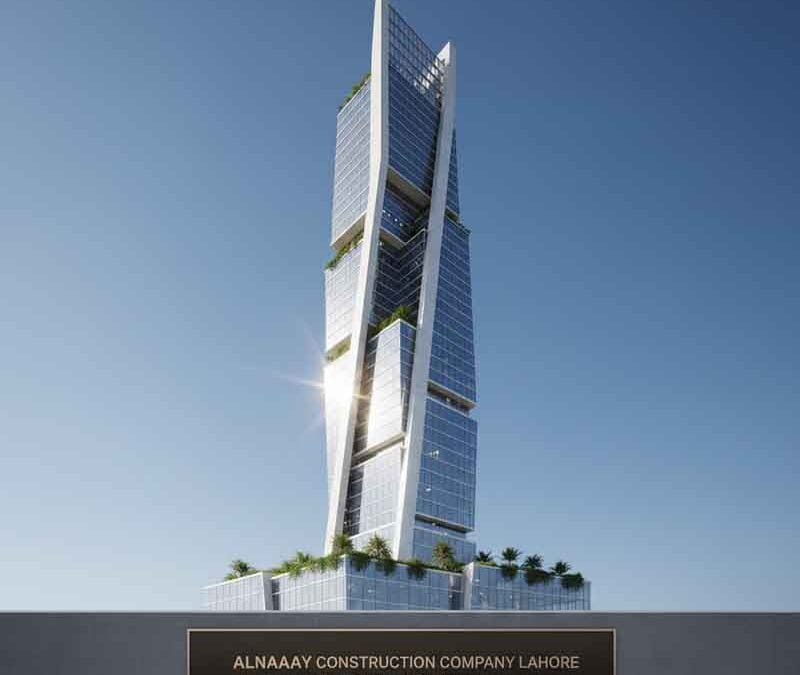
Modern architectural styles
A Complete Guide to Modern Architectural Styles
Table of Contents
- Introduction
- What Defines Modern Architectural Styles?
- Key Benefits of Modern Architectural Styles
- Best Material Options for Modern Architectural Styles
- Climate Suitability for Modern Architectural Designs
- Countries Famous for Modern Architectural Styles
- Exploring Modern Architectural Styles in Lahore
- FAQs About Modern Architectural Styles
- Conclusion
Introduction
Building design has changed completely over the last century. Furthermore, architects now focus on clean lines and function rather than heavy decoration. Consequently, modern architectural styles have become the standard for new homes and commercial buildings. This guide will explore everything you need to know about these designs. Therefore, whether you want to build a house or simply love architecture, you will find valuable information here.
What Defines Modern Architectural Styles?
Understanding modern architectural styles requires looking at their core rules. First, form follows function in this type of building. This means the shape of the building must relate directly to its intended purpose. Moreover, designers remove unnecessary details and ornaments. Instead, they focus on simplicity and open spaces.
Additionally, large windows are a major feature of modern architectural styles. These windows allow natural light to flood into the rooms. Therefore, the line between indoor and outdoor spaces blurs beautifully. Another key element is the use of flat or low-pitched roofs. Such roof designs create a sleek, horizontal profile that blends with the surrounding land. Furthermore, modern architecture often features open floor plans. Walls are kept to a minimum inside the house. Consequently, families can enjoy connected, spacious living areas.
Meanwhile, geometric shapes play a massive role in the overall look. Boxes, rectangles, and straight lines replace arches and complex curves. As a result, the buildings look organized and uncluttered. Ultimately, modern architectural styles aim to make daily living more efficient and comfortable.
Key Benefits of Modern Architectural Styles
Choosing modern architectural styles comes with many wonderful advantages. First and foremost, these designs are incredibly energy efficient. Because they use massive glass windows, homeowners save money on artificial lighting during the day. Additionally, high-quality insulation materials keep the indoor temperature stable. Therefore, heating and cooling bills drop significantly.
Furthermore, modern homes require much less maintenance. Simple surfaces are easier to clean and repair than complex, carved details. Moreover, the open floor plans promote a better lifestyle. Families can communicate easily across the kitchen, dining, and living rooms. Consequently, these homes feel highly welcoming and social.
Another benefit is the connection to nature. By using large sliding doors, modern architectural styles bring the outside environment inside. Thus, residents enjoy beautiful views and fresh air constantly. Likewise, these designs adapt easily to future changes. If a family grows, open spaces can be reconfigured without tearing down multiple structural walls.
Finally, modern houses hold their value incredibly well. Real estate markets favor clean, updated looks. Therefore, investing in modern architectural styles usually guarantees a good return if you decide to sell the property later.
Best Material Options for Modern Architectural Styles
Builders use specific materials to bring modern architectural styles to life. First, steel is a foundational element. It provides unmatched strength and allows for those famous large, open floor plans. Because steel can support heavy loads, architects do not need as many supporting pillars.
Furthermore, glass is practically the signature material of this design. Huge panes of glass replace traditional solid walls. Consequently, homes look transparent and lightweight. Concrete is another essential component. However, it is not just used for the foundation anymore. Designers often leave concrete walls exposed for an industrial, minimalist look.
Additionally, natural wood adds warmth to modern architectural styles. While steel and glass can feel cold, wooden floors or exterior accents balance the design. Therefore, spaces feel cozy and inviting. Many builders prefer sustainable woods like bamboo or reclaimed timber. Thus, the construction process remains environmentally friendly.
Brick is sometimes used, but usually in a very clean, straight-line pattern. Painted bricks can add texture without ruining the sleek aesthetic. Ultimately, the chosen materials must look neat and perform incredibly well over time.
Climate Suitability for Modern Architectural Designs
People often wonder if modern architectural styles work in every climate. The answer is generally yes, but specific adjustments are necessary. First, in hot climates, architects use deep roof overhangs. These overhangs block direct sunlight from hitting the large glass windows. Consequently, the house stays cool during the intense summer heat.
Furthermore, cross-ventilation is a major focus in warm regions. By placing windows strategically on opposite sides of a room, natural breezes flow right through the house. Therefore, the reliance on air conditioning goes down. Additionally, builders might use lighter-colored materials to reflect the sun's rays.
Conversely, cold climates require a different approach for modern architectural styles. Triple-glazed windows become absolutely essential here. These special windows trap heat inside the house while still letting in beautiful winter sunlight. Moreover, dark exterior colors can be used to absorb solar heat. Thick concrete walls also help by storing heat during the day and releasing it slowly at night.
In rainy or snowy areas, flat roofs must be built with perfect drainage systems. Otherwise, water can pool and cause serious leaks. Fortunately, modern waterproofing technology solves this problem easily. Thus, modern architectural styles can be perfectly adapted to practically any weather condition.
Countries Famous for Modern Architectural Styles
Several countries have led the way in developing modern architectural styles. However, the United States stands out as a major pioneer. Famous architects like Frank Lloyd Wright completely changed American housing. He introduced the Prairie School style, which emphasized horizontal lines and natural integration. Furthermore, mid-century modern design exploded in California. Consequently, cities like Palm Springs are now famous for their flat-roofed, glass-walled homes.
Germany is another crucial country in this architectural history. It was the birthplace of the Bauhaus movement in the early 1900s. This school taught that art and industrial design should merge perfectly. Therefore, German architects stripped away decorations and focused purely on function. Their ideas spread globally and shaped modern architectural styles forever.
Additionally, Japan holds a unique place in modern design. Japanese architects beautifully blend traditional minimalism with modern materials. They excel at building small, highly efficient homes in crowded cities. Moreover, they treat light and shadow as actual building materials. As a result, Japanese modern houses feel incredibly peaceful and grounded.
Finally, Scandinavian countries like Sweden and Denmark are famous for their specific take on this style. They prioritize warmth, natural light, and extreme coziness. Therefore, their modern homes feature lots of pale wood and simple, beautiful furniture.
Exploring Modern Architectural Styles in Lahore
Pakistan is experiencing a massive boom in modern construction. Specifically, Lahore showcases some of the best modern architectural styles in South Asia. The city perfectly blends its rich history with brand-new, sleek housing developments. Let us look at the top societies driving this change.
DHA and Bahria Town
The Defense Housing Authority (DHA) represents the peak of luxury living in Lahore. Here, modern architectural styles dominate the newer phases. You will see massive homes featuring straight lines, huge glass fronts, and minimalist landscaping. Furthermore, Bahria Town offers incredible modern infrastructure. Architects in Bahria Town frequently use Spanish-modern hybrid designs. Consequently, the houses look grand but maintain clean, contemporary edges.
Lake City and Valencia
Lake City is another hotspot for cutting-edge construction. Designers here focus heavily on eco-friendly modern architectural styles. Therefore, many houses feature solar panels and energy-efficient glass. Additionally, Valencia town is famous for its spacious plots. This extra space allows architects to build sprawling, single-story modern homes with beautiful open courtyards.
Wapda Town and Johar Town
Moving closer to the city center, Wapda Town showcases a transition from traditional to modern architectural styles. Homeowners are actively renovating older properties to feature flat roofs and large windows. Similarly, Johar Town is a bustling hub of modern commercial and residential buildings. Because the area has many students and young professionals, the architecture leans towards trendy, compact modern designs.
Model Town, Gulberg, Askari, and Cantt
Model Town is historically famous for its large parks and classic homes. However, new constructions here strictly follow modern architectural styles to maximize natural light. Gulberg is the absolute center of modern commercial architecture in Lahore. Tall glass plazas and sleek apartment buildings define its skyline.
Furthermore, Askari housing schemes offer secure, modern living. The newer phases of Askari feature beautiful contemporary apartments and villas. Finally, Lahore Cantt mixes colonial history with ultra-modern renovations. Wealthy residents in Cantt frequently hire top architects to build minimalist, highly secure modern homes. Consequently, Lahore remains a fantastic place to observe architectural evolution.
FAQs About Modern Architectural Styles
What is the main difference between modern and contemporary architecture?
Modern architecture refers to a specific design movement from the early to mid-20th century. Contemporary architecture means the styles being built right now today. However, people often use the terms interchangeably.
Are modern architectural styles expensive to build?
They can be. Because they require high-quality materials like massive glass panes and structural steel, the initial costs might be high. However, their energy efficiency usually saves money in the long run.
Can I furnish a modern house with traditional furniture?
Yes, you absolutely can. Mixing traditional, ornate furniture with clean, modern architectural styles creates a beautiful contrast. Therefore, your home will look unique and personal.
Why do modern homes have flat roofs?
Flat roofs emphasize the horizontal lines that define modern architectural styles. Additionally, they provide extra usable space. Many people turn their flat roofs into terrace gardens or outdoor seating areas.
Is modern architecture good for families?
Definitely. The open floor plans are perfect for keeping an eye on children. Moreover, the lack of unnecessary walls makes the home feel much more spacious and interactive.
Conclusion
Building design continues to evolve every single day. However, modern architectural styles remain incredibly popular for very good reasons. They offer clean living spaces, excellent energy efficiency, and a deep connection to the outdoors. Furthermore, by using materials like steel, glass, and concrete, these homes are built to last a lifetime.
Whether you are looking at the historic designs of Germany or the booming new societies in Lahore like DHA and Gulberg, the impact of this design is undeniable. Therefore, embracing modern architectural styles means investing in a comfortable, beautiful, and highly functional future. If you are planning to build or renovate a home, consider incorporating these timeless, sleek elements into your project.
Quick Links
Social Icons
Contact Us Information
443 J3 Johar Town Lahore near Expo Center Lahore
