
Architect Build Drawings Working
Type of Plans
1. Site Plan
– A site plan typically includes information about property boundaries, lot size, and the orientation of the building on the site.
– It shows existing structures on the site, such as houses, roads, parking lots, and other significant features.
– Utilities such as water lines, sewer lines, and electrical connections are indicated on the site plan.
– It may also include topographic information, indicating the contours of the land and any significant slopes or changes in elevation.
– The site plan helps in understanding how the building will interact with the site, including access points, parking areas, and outdoor amenities.
2. Floor Plan:
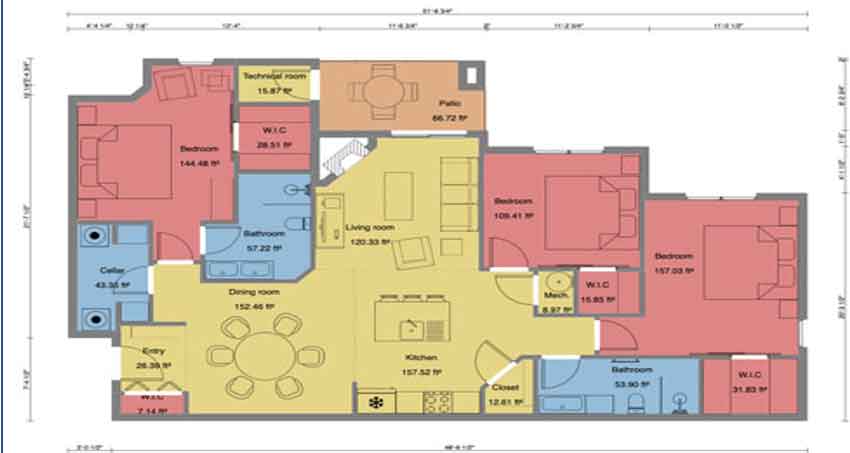
– A floor plan provides a bird’s-eye view of a single level of a building.
– It shows the layout of rooms, including their dimensions, shapes, and locations within the building.
– Walls, doors, and windows are represented, indicating their positions and sizes.
– Other features like built-in cabinets, fixtures, and appliances may also be included.
– Symbols and labels are used to indicate different elements, such as bedrooms, bathrooms, kitchens, and living areas.
– Floor plans help visualize the flow of movement within the building, the relationship between rooms, and the overall spatial organization.
3. Landscape Plan/Garden Plan:
– A landscape plan focuses on the outdoor areas surrounding a building, such as gardens, lawns, courtyards, and outdoor recreational spaces.
– It includes information about the types of plants, trees, shrubs, and flowers that will be used in the landscape design.
– The plan may specify the locations of pathways, patios, seating areas, and other hardscape elements.
– It considers factors like drainage, irrigation systems, and lighting to ensure the functionality and sustainability of the landscape.
– The landscape plan aims to create an aesthetically pleasing outdoor environment that enhances the overall design of the building and provides a pleasant and inviting space for users.
Site Plan Drawings
A site plan drawing gives you a bird’s-eye view of a building and its surroundings. It shows the property from above, including nearby buildings and roads. It’s like looking down on the building and its surroundings from a high point in the sky.
Architect Build Drawings Working
Cross-Sectional Drawings: A Peek Inside the Building
Cross-sectional drawings are 2-dimensional representations that provide a glimpse into the interior of a building. It’s like cutting the building in half vertically and revealing what’s inside.
These drawings show a combination of visible elements, such as walls and furniture, as well as hidden elements like pipes, electrical wiring, and structural components.
They help architects, engineers, and contractors understand how different building systems and components interact and are positioned within the structure. architect build drawings working
Elevation drawings
An architectural elevation drawing is a representation of the exterior of a building as viewed from a vertical plane.
It is like looking directly at the building from the front, back, or sides. These drawings focus on showcasing the external features, such as the shape, proportions, and details of the building’s façade.
Elevation drawings provide a clear visual understanding of how the building will look from different angles and help in evaluating its aesthetic appeal and overall design.
Finishing drawings
These architectural drawings provide close-up views of the finishes used in the building.
They allow architects to convey specific details about the types of floor coverings, mouldings, textures, and colors to be used.
These drawings help in communicating the desired aesthetic and material choices for different areas of the building, ensuring that the selected finishes are accurately represented in the construction process.
Asbuilt drawings
As-built drawings, also known as “as-builts,” are revised drawings that document any variations or changes between the original plans and the actual construction of the building.
They provide an updated representation of the building, incorporating any modifications, additions, or deviations that occurred during the construction process.
As-builts serve as a record of the final as-built condition of the building and are valuable for future reference, maintenance, and renovation purposes. architect build drawings working
Excavation drawings
Excavation drawings offer detailed information about trenches, pits, shafts, tunnels, and other forms of soil removal during construction.
These drawings provide important details about the excavation process, including dimensions, depths, slopes, and structural support requirements.
Architects can use excavation drawings to communicate specific instructions to contractors and ensure safe and efficient excavation operations.
These drawings help in accurately planning and executing excavation activities while considering factors such as soil conditions, groundwater levels, and the protection of existing structures.
Location Drawings: An Overview of Construction Elements
Location drawings, also known as general arrangement drawings, are a type of architectural plan that provides a general overview of the location and arrangement of various construction elements. They can include a combination of floor plans, elevations, and cross-sections. These drawings give a broad representation of how different components of a building, such as walls, columns, stairs, and major equipment, are positioned and relate to each other within the overall structure. Location drawings help stakeholders visualize the spatial organization and layout of the building, aiding in understanding the general arrangement of its elements. architect build drawings working
Design Drawings: Visualizing Aesthetics and Spatial Flow
Design drawings are illustrations that showcase the aesthetic aspects and overall flow of a space. In the past, architects and designers used to create hand-drawn sketches to depict 3D views of the final project. These drawings capture the artistic vision of the designer and provide a visual representation of the intended design concept.
They showcase elements such as furniture arrangement, color schemes, textures, and architectural features, helping clients and stakeholders understand and visualize the proposed design. Design drawings serve as a starting point for discussions and collaborations to refine and finalize the design before proceeding with construction.
Quick Links
Social Icons
Contact Us Information
443 J3 Johar Town Lahore near Expo Center Lahore
