
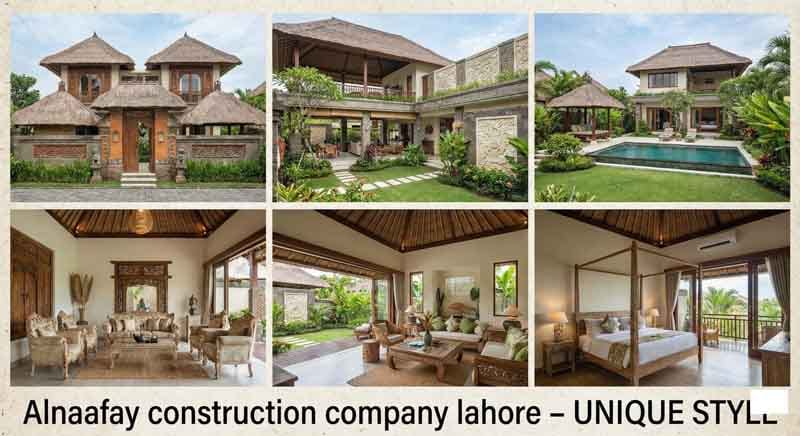
Balinese Vacation House Design
Balinese Vacation House Design sounds like something from a travel magazine or a luxury resort brochure. Yet, when it is explained in very simple words, this style becomes easy to understand, even for students and beginners. Houses in Bali are not only beautiful; they are also clever, comfortable, and full of nature.
Bali is an island in Indonesia. That means this design is most famous in Indonesia, especially in Bali itself. However, many other countries now copy Balinese villas for resorts and private homes, because the style feels peaceful and relaxing.
Throughout this guide:
- Language will stay simple.
- Ideas will be explained step by step.
- Hard words will be described in easy ways.
Moreover, any harmful phrase like “to go crazy” will be avoided. Softer, kinder phrases such as “to go wild” or “to feel out of control” are much better if needed.
By the end, you will understand:
- What Balinese Vacation House Design means
- Why Balinese homes look the way they do
- Which parts of the design make you feel like you are always on vacation
- How to bring Balinese style to a small or big house
- In which country this design is most famous
- What advantages and problems this style can have
- A simple path to create your own Balinese-style holiday home
1. What Is Balinese Vacation House Design?
Before talking about roofs, pools, and gardens, it helps to know the main idea.
1.1 Simple Meaning of Balinese Vacation House Design
In very easy words:
Balinese Vacation House Design is a way of building and decorating houses inspired by the island of Bali, using open spaces, natural materials, tropical gardens, and calm, relaxing interiors so that the home feels like a holiday resort.
These homes:
- Connect rooms to fresh air and plants
- Use lots of wood, stone, and bamboo
- Often have open pavilions and outdoor bathrooms
- Mix traditional Balinese culture with modern comfort
Because of that, people feel as if they are in a spa or resort, even when they are just at home.
1.2 Why Bali Influences This Style So Much
Bali is a tropical island. Weather there is:
- Warm or hot most of the year
- Humid, with plenty of rain in some seasons
- Full of sun, with strong light
At the same time, Balinese culture:
- Respects nature and spirits
- Uses temples and shrines everywhere
- Loves art, dance, and carving
Therefore, Balinese houses try to:
- Let breezes move through rooms
- Protect people from strong sun and heavy rain
- Keep close contact with plants, water, and stone
- Express local culture through shapes and decorations
All these things combine and form the base of Balinese Vacation House Design.
1.3 Why People Love Balinese Villas Around the World
Resorts in Bali became famous worldwide. Visitors enjoyed:
- Private pools
- Open living rooms with no hard walls on some sides
- Bedrooms that open directly to gardens
- Outdoor showers among plants
After returning home, many guests wanted similar houses. As a result, Balinese Vacation House Design spread to:
- Other parts of Indonesia
- Countries like Thailand, Malaysia, and Sri Lanka
- Tropical areas in Australia
- Parts of the United States, Europe, and Middle East
However, Bali in Indonesia remains the place where this style is most famous and most natural.
2. Main Principles of Balinese Vacation House Design
Instead of jumping only to details, it helps to understand the deep rules behind this style.
2.1 Strong Connection with Nature
Balinese homes do not try to shut nature out. Instead, they open up to it.
Key ideas:
- Living spaces face gardens and water
- Many walls are partly open or can slide away
- Birds, sunlight, and wind become part of daily life
This connection is one of the reasons Balinese Vacation House Design feels peaceful. You are never fully separated from trees, sky, or air.
2.2 Indoor–Outdoor Living
In cooler countries, people mostly live inside. In Bali, and in Balinese villa design, life happens both inside and outside.
For example:
- Living room might have only three solid walls; one side stays open to a terrace
- Dining table may stand under a roof but without solid walls around it
- Bathrooms sometimes have open roofs or open sides with high walls for privacy
Because of this, you feel fresh and free all day. Rooms do not feel like boxes, but like pavilions in a garden.
2.3 Respect for Balinese Culture and Spiritual Balance
In Balinese tradition, houses follow spiritual rules. Many families:
- Place small temples or shrines in their homes
- Offer daily flowers and incense at these spots
- Follow rules about where to put kitchens, bedrooms, and holy places
Modern Balinese Vacation House Design often keeps this feeling of balance, even if the owner is not Balinese. For example, there might be:
- A quiet corner for meditation or prayer
- A special place for candles, statues, or spiritual items
- A layout that feels ordered and peaceful, not random
Spiritual calm and physical comfort move together in this style.
2.4 Use of Natural Materials
Balinese homes usually use what is easily found in nature. Common materials include:
- Wood, especially teak or local hardwoods
- Bamboo for roofs, ceilings, and screens
- Stone and pebbles for floors and walls
- Thatched roofs made from alang-alang grass in traditional villas
When you walk through a Balinese house, you feel wood under your feet, smell natural materials, and see textures that are not plastic. As a result, the atmosphere becomes soft and organic.
2.5 Simple Luxury, Not Loud Show-Off
Balinese villas often feel luxurious. However, that luxury is usually:
- Calm
- Gentle
- Based on space and nature instead of only gold and glass
You might see a beautiful stone tub, but it sits in a simple space with plants and soft light. You may find high-quality wooden furniture, yet its shapes stay clean and not overly decorated.
Therefore, Balinese Vacation House Design shows that true luxury can be quiet and natural, not only rich and shiny.
3. Site and Layout in Balinese Vacation House Design
Understanding how spaces are placed on the land will help you imagine a full Balinese vacation home.
3.1 Plot and Garden Planning in Balinese Villa Design
Balinese houses are often designed as compounds. That means:
- Several small buildings or pavilions
- Connected by paths and gardens
- Not just one big box structure
Main elements of such a compound might be:
- Entrance gate
- Main house or pavilion
- Separate bedroom pavilions
- Kitchen pavilion
- Open “bale” (a raised, roofed platform)
- Pool and deck
- Garden and small shrines
Even on a smaller plot, the Balinese Vacation House Design can still use this idea by:
- Dividing spaces into zones
- Using outdoor walkways and covered terraces
- Creating at least one open pavilion for sitting or dining
3.2 Orientation and Wind in Balinese Tropical House Design
Climate in Bali is hot and humid. Because of this, planning must use natural wind as much as possible.
Good orientation often:
- Places main openings toward cooling breezes
- Avoids fully closing all sides with glass only
- Protects kitchens and bedrooms from the strongest direct sun
Architects may test:
- Where the sun rises and sets
- How wind usually moves across the site
- Where neighbors’ houses stand
Then they design walls, windows, and roofs so that:
- Air can move
- Light can come in
- Heat can be controlled
Consequently, Balinese Vacation House Design can sometimes feel cooler than you expect, even without strong air-conditioning everywhere.
3.3 Zoning: Public, Private, and Service Areas
Balinese villas divide space into:
- Public zones – where guests can come easily
- Private zones – for bedrooms and personal time
- Service zones – for cooking, storage, staff if present
Examples:
- A guest might move from the gate to a reception area or living pavilion and then to the pool without passing bedroom doors.
- Family members reach bedrooms through garden paths or side corridors.
- Kitchen, laundry, and staff rooms may sit slightly behind the main pavilions.
Clear zoning keeps the house feeling both open and private. Visitors can enjoy the main beauty of the Balinese Vacation House Design without entering very personal spaces.
4. Roofs and Structures in Balinese Vacation House Architecture
Roof shapes and structures give the Balinese house its special silhouette.
4.1 Traditional Balinese Roof Forms
Traditional roofs often:
- Have steep slopes to shed rain quickly
- Use natural thatch (alang-alang grass) or tiles
- Show layered, tiered shapes on temples and important buildings
In a vacation house, you might see:
- High, pointed roofs over main pavilions
- Exposed wooden beams inside
- Deep overhangs that create shade and protect from rain
Even when modern materials like metal or tiles replace thatch for safety or maintenance reasons, designers sometimes keep the same roof shape. That way, the Balinese Vacation House Design still looks authentic.
4.2 Structure: Columns, Beams, and Open Sides
Because many Balinese rooms are open to outside, walls are not always the main support.
Structures often use:
- Strong wooden or concrete columns
- Beams supporting the roof above
- Open sides under the roof, sometimes with only railings or low walls
This structure allows:
- Big openings without many solid walls
- Large outdoor living areas under a roof
- Easy airflow around furniture and people
Floor levels might be slightly raised on platforms. Those platforms protect from ground moisture and mark space changes between garden paths and indoor zones.
4.3 Natural and Modern Materials Together
Originally, houses used all-natural materials. Modern Balinese Vacation House Design may mix:
- Concrete for foundations and main structure
- Stone for visible pillars and floors
- Hardwood for ceilings and doors
- Glass for larger views where needed
Using this mix:
- Improves safety against fire and weather
- Reduces maintenance in rainy seasons
- Still keeps the warm look of traditional Balinese homes
Good designers hide the strong modern elements behind natural finishes, so the feeling stays gentle and tropical.
5. Outdoor Spaces in Balinese Vacation House Design
Balinese villas are famous for their outdoor areas. These are often the most loved parts of the house.
5.1 Tropical Gardens in Balinese Villa Design
Balinese gardens:
- Use many layers of plants
- Mix trees, shrubs, and groundcovers
- Often include flowers with strong scent
Common plants may be:
- Frangipani trees with white or pink flowers
- Coconut or other palm trees
- Banana plants
- Hibiscus and bougainvillea
- Ferns and other lush greenery
Stones, small statues, and pots also appear between plants. Together, these details give the garden a feeling of a natural temple or jungle.
5.2 Pools and Water Features in Balinese Vacation Homes
Water cools air and calms the mind. Therefore, many Balinese Vacation House Design examples include:
- Swimming pools directly beside living and bedroom pavilions
- Shallow ponds near entrances or paths
- Water walls or small cascades for sound
Pool shapes can be:
- Long and narrow, good for swimming
- Curvy and organic, like a natural pond
- Square or rectangular for a modern look
Edges might use:
- Dark stone tiles that make water look deep and reflective
- Wooden decks with sun loungers
- Grass strips and stepping stones
View from living spaces toward water is one key reason Balinese villas feel like luxury resorts.
5.3 Balinese “Bale” Pavilions and Gazebos
A bale is a traditional open pavilion. It usually has:
- A raised floor platform
- Four or more columns
- A roof above
- No solid walls
In Balinese vacation homes, bales might be used for:
- Relaxing or reading
- Massage and spa treatments
- Dining outside
- Yoga or meditation
Sometimes curtains or blinds can be drawn for extra privacy or shade. These pavilions are one of the most special parts of Balinese Vacation House Design, because they combine inside comfort with outside air.
5.4 Entrance Gates and Walls in Bali-Style Vacation Houses
Even the entrance in Balinese style is important.
You may find:
- Carved stone gates
- Wooden gates with rich detailing
- Walls topped with plants or simple roof tiles
Often, designers create a “transition space” between street and home, such as:
- A small garden
- A path with stepping stones
- A simple shrine or statue
As you walk through, your mind slowly leaves busy life and enters vacation mood.
6. Interior Spaces in Balinese Vacation House Design
Now that the outer parts are clear, it is time to step inside and see how rooms are arranged and decorated.
6.1 Open Living Rooms in Balinese Villa Style
The living room in Balinese Vacation House Design is often:
- Open to the garden on at least one side
- Under a high, visible roof
- Filled with natural materials
Furniture can include:
- Large wooden sofas with thick cushions
- Rattan or bamboo chairs
- Wooden coffee tables
- Simple built-in benches along some edges
Flooring is usually:
- Stone tiles
- Polished concrete
- Wooden planks in some cases
Because sides are open, ceiling fans help keep air moving. Sometimes big sliding glass doors are used instead of full open sides, especially in areas with more insects or if the owner wants air-conditioning.
6.2 Bedrooms in Balinese Vacation House Design
Bedrooms often feel like small private resorts themselves.
Common features:
- Beds facing large windows or doors to the garden or pool
- Four-poster beds with soft mosquito nets around them
- Wooden floors or natural stone
- Simple bedside tables and gentle lighting
Decor stays calm:
- Neutral or earthy colors on walls
- A few art pieces or textile panels
- Warm light from lamps rather than harsh ceiling lights
Many Balinese bedrooms open directly to a terrace, so a person can wake up and walk straight outside without passing through corridors.
6.3 Bathrooms and Outdoor Showers in Bali-Style Vacation Homes
One of the most exciting parts of Balinese Vacation House Design is the bathroom.
Bathrooms may have:
- Partly open roofs or high openings to the sky
- Garden views from the bathtub
- Outdoor showers within private walled gardens
Materials include:
- Stone bathtubs
- Pebble floors where water falls
- Wooden or stone counters with bowl sinks
Privacy is protected by high walls and plantings. Even though the bathroom is partly outdoors, people inside remain unseen from outside. This design makes daily washing feel like a spa treatment.
6.4 Kitchens and Dining Spaces in Balinese Holiday Houses
Kitchens in Balinese villas can be:
- Fully open to dining and living spaces
- Semi-open with screens or folding doors
- Hidden in the back in some traditional compounds, especially in homes with staff
Modern holiday houses often choose open-plan kitchens so that:
- People can cook and still talk with others
- Food moves easily from kitchen to dining table
- The social feeling of vacation stays strong
Dining areas may be:
- Inside under a roofed pavilion
- Outside on the terrace by the pool
- In a bale overlooking the garden
Tables usually use wood. Chairs can be wood, rattan, or mix of both. Soft hanging lamps above the table create a warm glow at night.
7. Materials, Colors, and Decoration in Balinese Vacation House Design
The look and feel of a Balinese home come from the right mix of colors, textures, and objects.
7.1 Natural Materials in Balinese Holiday Home Interiors
As mentioned earlier, Balinese houses love natural materials. Inside, you will often see:
- Wood – for doors, windows, ceilings, and furniture
- Stone – for floors, walls, and some sinks or tubs
- Bamboo and rattan – for chairs, lamp shades, and decorations
- Cotton and linen fabrics – for bedding and curtains
These materials:
- Feel nice to touch
- Stay cool in hot weather (stone)
- Add warmth (wood and fabrics)
- Remember local traditions and crafts
Synthetic materials are sometimes used where needed, but the visible parts usually try to look natural.
7.2 Color Palette of Balinese Vacation House Design
Colors in Balinese villas are often:
- Soft and earthy for big surfaces
- Bright and lively for small accents
Base colors may be:
- White or off-white walls
- Cream, beige, or light brown floors
- Dark brown or medium brown wood
Accent colors can include:
- Green from plants
- Teal and turquoise inspired by the sea and pool
- Deep reds or oranges in cushions and art
- Gold touches in decorations or fabrics
Because the garden already has rich green, many designers keep interior colors gentle. That way, your eyes feel relaxed and not overloaded.
7.3 Furniture Style in Balinese Villa Design
Furniture shapes in Balinese Vacation House Design are usually:
- Simple and strong
- Not too sharp, not too curvy
- Comfortable rather than extremely formal
Examples:
- A long wooden bench with soft cushions along one side of the living room
- A low coffee table made from a solid piece of wood
- A desk with straight legs and a woven chair
- Bedside tables that match the bed frame in tone and style
Carving appears in some pieces, such as headboards or door frames, but is often used in moderation. Too much carving everywhere can feel heavy for modern tastes.
7.4 Art, Textiles, and Accessories in Balinese Vacation Homes
Balinese culture is very artistic. In a vacation house, you may find:
- Carved wooden panels mounted on walls
- Stone or wood statues of deities or dancers
- Local paintings of rice terraces, dancers, or nature scenes
- Handwoven textiles used as wall hangings or bed runners
Accessories such as:
- Bowls filled with flower petals
- Woven baskets
- Ceramic vases
can add small touches of color and texture. When using decoration, it helps to choose a few items that you love rather than filling every table and wall. That approach keeps the house calm and stylish.
7.5 Lighting Design in Balinese Vacation House Style
Light is a big part of the mood.
Balinese villas usually mix:
- Daylight from large openings and skylights
- Night lighting from lamps and hidden fixtures
Types of lamps may be:
- Hanging pendant lights above dining tables
- Floor lamps near reading chairs
- Table lamps beside beds
- Recessed lights in ceilings or walls, often warm in color
Warm white light feels like sunset and suits wood and stone. Very cold, blue-toned lights can make natural materials look harsh, so they are often avoided in Balinese Vacation House Design.
8. Comfort, Climate, and Practical Issues in Balinese Vacation House Design
So far, the style looks perfect. However, practical questions also matter.
8.1 Ventilation and Cooling
Open Balinese houses rely on:
- Cross-ventilation
- Ceiling fans
- High roofs that let hot air rise
Windows and doors are placed across from each other so air can move. Roof vents and open eaves allow heat to escape. Fans then help distribute cooler air.
In some modern villas, air-conditioning is added, especially in bedrooms. Even then, the layout still tries to support natural cooling when AC is off.
8.2 Sun and Rain Protection
Because Bali is hot and sometimes has heavy rain, roof and wall design is important.
Protection methods include:
- Deep roof overhangs above terraces and windows
- Roof shapes that drain water quickly
- Covered paths between pavilions
- Use of shade plants and trees
With these details, people can move between parts of the house even during rain without getting fully wet. At the same time, too much direct sun is blocked, keeping indoor areas comfortable.
8.3 Insects and Wildlife
Tropical regions have insects like mosquitoes. Balinese Vacation House Design respects nature while still protecting comfort.
Solutions are:
- Mosquito nets above beds
- Sliding or folding screens that can close at night
- Fans that make it hard for insects to land
- Small water features designed to avoid stagnant, still water
Good designers think about these issues from the start so owners do not feel aggravated later by bug problems.
8.4 Privacy and Noise
Open houses can create privacy concerns if neighbors are close.
Balinese villas solve this by:
- Using high boundary walls
- Placing bedrooms in quiet corners
- Positioning windows so they do not directly face neighbors’ windows
- Adding hedges, trees, or screens in between areas
In a busy area, some glass walls may remain closed with curtains or blinds to reduce noise and keep the holiday feel inside.
9. Modern Variations of Balinese Vacation House Design
Design never stays frozen. Modern life and new techniques have changed the Balinese style in many ways.
9.1 Contemporary Minimal Balinese Villa Design
Some new villas blend:
- Clean, straight modern lines
- White or grey walls
- Large glass areas
with:
- Traditional roofs
- Wooden ceilings
- Tropical gardens
This fusion keeps the heart of Balinese Vacation House Design but feels more simple and international. Minimal decoration, larger plain surfaces, and fewer patterns often appear in such homes.
9.2 Small Urban Homes Inspired by Balinese Vacation Houses
Not everyone has a big plot by the beach. In cities, people adapt this style to smaller areas.
They might:
- Use one open-plan living room with sliding doors to a small garden
- Create a tiny internal courtyard with plants and maybe a plunge pool
- Add a Balinese-style bathroom with an outdoor shower on a hidden terrace
- Bring wooden ceilings and stone floors inside apartments
By doing these things, even a small city property can carry some feeling of a Balinese Vacation House Design.
9.3 Balinese Vacation House Design in Non-Tropical Countries
In colder or drier countries, open houses must be adjusted.
Possible changes:
- Use double-glazed windows instead of fully open sides
- Keep indoor heating, but still use a lot of wood and stone
- Create indoor gardens under glass roofs
- Build covered, enclosed verandas that can be opened in warm months
Core ideas like indoor–outdoor connection, natural materials, and calm interiors can stay. Technical parts like insulation, glazing, and heating simply change to match local climate.
10. Where Is Balinese Vacation House Design Most Famous?
You asked: “Yeh design kis country main zyada famous hai?”
The answer is clear, yet there are a few layers.
10.1 Indonesia as the Home of Balinese Vacation House Design
Balinese style comes from the island of Bali, which is part of Indonesia. That is the country where Balinese Vacation House Design is most famous and most natural.
In Indonesia, you will see:
- Traditional Balinese family compounds
- Modern Balinese villas for tourists
- Hybrid houses that mix Balinese with other Indonesian styles
Cities like Ubud, Seminyak, Canggu, and Uluwatu in Bali are full of examples.
10.2 Spread of Bali-Style Villas to Other Countries
Beyond Indonesia, this style is very popular in:
- Thailand – many beach resorts use Bali-inspired villas
- Sri Lanka and Maldives – luxury resorts borrow Balinese elements
- Malaysia and the Philippines – tropical homes use similar ideas
In addition, parts of Australia (such as Queensland and Byron Bay region) and Hawaii in the United States also show houses that look and feel like Balinese villas, because their climates are similar.
10.3 Global Love for Balinese Vacation House Design
Even in non-tropical countries:
- Interior designers copy Balinese bathrooms and bedrooms
- People build backyard gazebos similar to Balinese bales
- Hotels create spa areas with Balinese decoration
Nevertheless, Indonesia and especially Bali remain the main center and most famous place for true Balinese Vacation House Design.
11. Advantages of Balinese Vacation House Design
Choosing this style brings many good things.
11.1 Relaxing Holiday Feeling Every Day
The biggest advantage is the feeling. When you step into a well-designed Balinese home:
- Stress levels start to drop
- Air feels lighter
- Mind becomes calmer
Open spaces, natural materials, and garden views make it hard to stay tense for long. Life may still be busy, yet the home supports rest and peace.
11.2 Strong Connection with Nature
Many modern people live in boxes of concrete and glass. Balinese Vacation House Design fixes that by:
- Pulling nature into the house
- Letting you see trees, sky, and water from most rooms
- Allowing birds and sounds of wind to become part of the background
This connection is good for mental health and happiness.
11.3 Flexible Use of Spaces
Because many rooms are open and multi-purpose, a Balinese home can:
- Host parties
- Provide quiet spaces for reading or working
- Offer yoga or meditation areas
- Change furniture arrangement easily
For example, a bale pavilion might act as a lounge one day and a yoga spot the next.
11.4 Natural Ventilation and Light
Good design reduces overuse of electricity by:
- Using daylight instead of lights during the day
- Letting wind replace air-conditioning in many hours
- Keeping temperatures more stable through materials
Of course, modern systems are still helpful. However, the Balinese Vacation House Design reduces their load and saves some energy.
11.5 Strong Aesthetic Appeal
Balinese style photographs well and also feels even better in real life. People often enjoy:
- Taking photos in such spaces
- Posting their homes or rentals online
- Attracting guests if they rent the home to tourists
Therefore, the style can also support business for those who build holiday rentals.
12. Challenges and Things to Watch Out for in Balinese Vacation House Design
No style is perfect. This one also has points that need special care.
12.1 Maintenance of Natural Materials
Wood, bamboo, and thatch are beautiful. At the same time, they:
- Can suffer from moisture
- May attract insects if not treated
- Need regular protection and repairs
Good builders in Bali understand these issues. In other countries, owners must find contractors who know how to work with such materials or use strong substitutes with similar look.
12.2 Weather and Climate Differences
Fully open houses work best where nights are warm and days are not extremely cold. In other climates:
- Cold winds may enter
- Rain might blow in if openings are not well designed
- Energy use can rise if heating or cooling must fight the open design
Therefore, adapting Balinese Vacation House Design for local weather is very important.
12.3 Insects and Security
Outdoor living brings insects and sometimes security concerns.
To manage these:
- Use mosquito nets and screens wisely
- Plan secure boundary walls and gates
- Install proper lighting in dark corners
- Consider safe locks even on sliding or folding doors
With careful planning, safety and comfort stay high without ruining the open-air feeling.
12.4 Cost of Good Craftsmanship
Balinese style often relies on skilled:
- Carpenters
- Stone carvers
- Bamboo workers
High-quality work has a cost. If you try to copy complex designs with low-skill labor, the result may look weak or fake.
A better choice is:
- Use simpler forms where craftsmanship is limited
- Spend more only on a few special features, such as entrance doors or one main pavilion
That way, the house still feels true to the Balinese Vacation House Design idea without making the budget go wild.
13. Simple Step-by-Step Guide to Plan a Balinese Vacation House
If you want to design or remodel a house with this style, a step-by-step roadmap can help.
13.1 Step 1 – Decide How “Balinese” You Want to Be
First, think honestly:
- Do you want a full Balinese compound with several pavilions?
- Will you be happy with just a few Balinese bathroom and garden elements?
- Is the house mainly for living, or for renting to tourists?
Writing down your goals keeps later decisions clear.
13.2 Step 2 – Study Balinese Vacation House Design Examples
Next, collect references:
- Look at villa photos from Bali websites and travel pages.
- Notice which parts you love most: pools, bales, bathrooms, or bedrooms.
- Study how rooms connect to the garden.
Save or print the best examples. These images will help architects and builders understand your dream.
13.3 Step 3 – Work with an Architect or Designer
A professional who understands tropical design is extremely helpful.
When you meet:
- Share your goals and reference images.
- Explain the climate and plot conditions where you live.
- Mention that you want Balinese Vacation House Design ideas adapted for your country.
Good designers will combine:
- Local building rules
- Climate needs
- Your budget
with Balinese spirit.
13.4 Step 4 – Plan the Layout with Balinese Principles
While creating the floor plan:
- Try to include at least one strong garden or courtyard.
- Place main living and dining areas facing this garden or pool.
- Design bedrooms to open onto private outdoor spaces.
- Add at least one open pavilion (bale) if space allows.
Planning movement paths is also important. People should be able to walk from one area to another under shelter where possible, especially in rainy places.
13.5 Step 5 – Choose Roof and Structure Style
At this stage:
- Decide whether you want traditional steep roofs or more modern flat or shallow ones.
- Agree on materials: thatch, tile, metal, or a mix.
- Plan where you want high ceilings with visible beams.
Remember that the roof shape strongly affects the overall Balinese Vacation House Design character.
13.6 Step 6 – Select Materials and Color Palette
Now decide on:
- Floor materials (stone, concrete, wood)
- Wall finishes (plaster, stone cladding, timber)
- Ceiling designs (wooden planks, bamboo mats, or painted surfaces)
Pick a base color scheme:
- Neutrals for walls and large surfaces
- One or two accent colors for fabrics and decor
Choosing all this early helps keep your home consistent and calm rather than randomly mixed.
13.7 Step 7 – Design Bathrooms and Special Features
Because Balinese bathrooms and pools are loved by many, treat them as special projects.
Consider:
- Outdoor or semi-outdoor shower areas
- Bathtubs with garden views
- Pebble floors and green plants in bathroom corners
- Pool shape, depth, and view-lines from rooms
Discuss water proofing, drainage, and privacy with your architect to avoid technical problems.
13.8 Step 8 – Plan Lighting and Electrical Details
Before building finishes start, electrical points must be planned.
Think about:
- Where lamps, fans, and switches should go
- Which plants or walls you want to highlight with spotlights
- How to create soft, warm lighting rather than single harsh bulbs
Planning this well makes it easier to enjoy the Balinese mood at night.
13.9 Step 9 – Choose Furniture and Decoration
As building finishes near completion, you can:
- Select sofas, beds, tables, and chairs made of wood or rattan
- Purchase rugs, cushions, and bed covers in natural fabrics
- Buy lamps, statues, and art pieces that fit the Balinese theme
Starting with main furniture and adding smaller decor later prevents the interior from feeling messy.
13.10 Step 10 – Add Plants and Final Touches
Lastly, bring in life.
Add:
- Indoor plants in large pots
- Patio plants around terraces and paths
- Floating flowers in bowls
- Personal items like books, photos, and handmade crafts
At this point, your Balinese Vacation House Design should feel complete, calm, and ready to host many happy days.
14. Frequently Asked Questions about Balinese Vacation House Design
A few short answers can help fix ideas in memory.
14.1 What Is Balinese Vacation House Design in One Simple Line?
You can say:
“Balinese Vacation House Design is a way of making a home that feels like a Bali resort, with open-air rooms, natural materials, tropical gardens, and peaceful, relaxing spaces.”
That short line covers the main idea.
14.2 In Which Country Is This Design Most Famous?
This style is most famous in Indonesia, especially on the island of Bali. Many of the world’s best examples of Balinese villas stand there. However, similar designs now appear in tropical areas of Thailand, Sri Lanka, Maldives, and other countries.
14.3 Is Balinese Vacation House Design Only for Large Villas?
Not at all. Even a small house or apartment can use:
- A Bali-style bathroom
- A tiny garden or courtyard
- A wooden ceiling and stone floor
- A small open balcony with plants and a lounge chair
Using a few elements thoughtfully can give a strong Balinese feeling without needing a huge property.
14.4 Is This Style Very Expensive?
Cost depends on:
- Size of the house
- Quality of materials
- Amount of special craftsmanship
Using natural stone, hardwoods, and custom carvings can be costly. Yet, you can control budget by:
- Using simple forms
- Choosing mid-range materials with natural look
- Adding expensive details only in key areas like entrance or main bathroom
In that way, Balinese Vacation House Design can work for different budgets.
14.5 Can Balinese Style Work in a Cold Country?
Yes, with changes.
You might:
- Keep the idea of indoor–outdoor connection but use large insulated windows
- Build enclosed sunrooms instead of fully open pavilions
- Use fireplaces or floor heating along with wood and stone finishes
Spirit of the style—calm, nature, and open feel—can remain. Technical systems must adapt to protect you from cold.
14.6 How Hard Is It to Maintain a Balinese-Style House?
Maintenance level depends on choices:
- Fully open houses need more cleaning of dust and leaves.
- Natural materials like wood and bamboo require regular care.
However, if:
- Roof design is strong
- Drainage is good
- Materials are chosen wisely
then maintenance can be quite manageable. Regular small care is better than rare big repairs.
Quick Links
Social Icons
Contact Us Information
443 J3 Johar Town Lahore near Expo Center Lahore
