
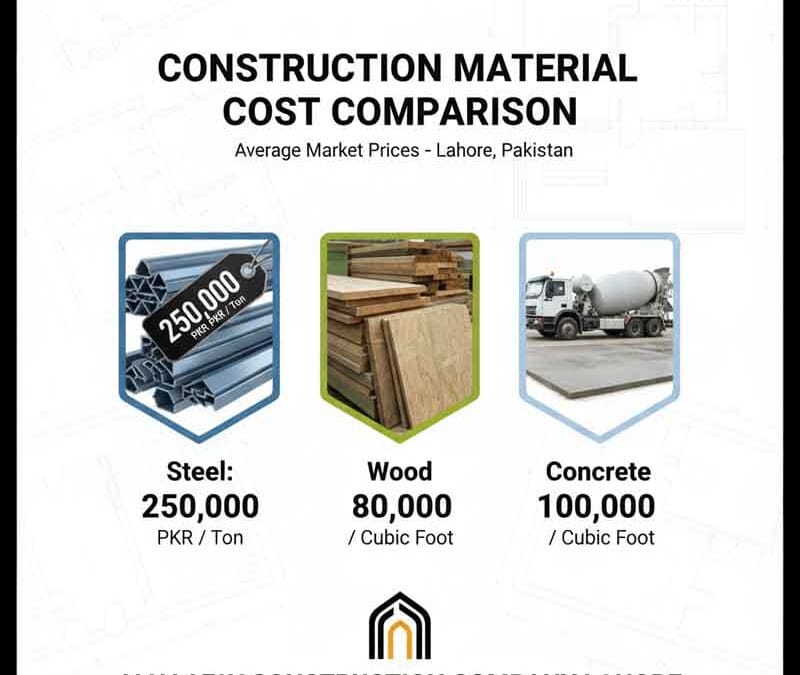
Cost Comparison of Materials
Introduction
Building a home is a journey of countless decisions, but none are more crucial to your budget than the materials you choose. From the foundation beneath your feet to the shingles on your roof, every selection has a price tag. A thorough cost comparison of materials is not just a smart financial move; it is the cornerstone of a successful construction project. It allows you to balance your aesthetic vision with your financial reality, ensuring your dream home doesn’t become a financial strain.
Many people fall into the trap of looking only at the initial purchase price. However, the true cost of a material includes its installation, maintenance, and lifespan. For example, a cheaper flooring option might save you money today but could require expensive replacement in just a few years. Consequently, a holistic approach is necessary.
This detailed guide will provide you with a comprehensive framework for comparing building supplies. We will break down costs for different parts of the house, explore how architectural style influences your choices, and offer specific insights for building in a major city like Lahore. By the end, you will be empowered to make informed decisions that deliver the best value for your investment.
The Philosophy of Material Selection
At its heart, a cost comparison of materials is about understanding value, not just price. Value is a combination of cost, durability, aesthetics, and maintenance requirements. A material that scores well in all these areas is a winner, even if it’s not the absolute cheapest option on the shelf.
Looking Beyond the Upfront Cost
The “life-cycle cost” is a critical concept in construction. It considers the total cost of a material over its entire lifespan. This includes:
- Initial Purchase Price: The amount you pay at the store.
- Installation Cost: Some materials require specialized, expensive labor to install.
- Maintenance Cost: How much you’ll spend on upkeep (e.g., painting, sealing).
- Replacement Cost: How soon you’ll need to replace the material.
For instance, vinyl siding may be cheaper to buy and install than brick. However, brick lasts a lifetime with almost no maintenance, while vinyl may need replacing after 15-20 years. Therefore, over a 30-year period, brick could be the more economical choice.
The Link Between Quality and Cost
It’s a common saying that “you get what you pay for,” and this is often true in construction. Opting for the lowest-priced materials for critical components like plumbing pipes or electrical wires is a dangerous gamble. A failed pipe inside a wall can cause thousands of dollars in damage, making the initial savings insignificant. A smart cost comparison of materials involves identifying where you can save and where you must invest in quality.
Architectural Style and Its Impact on Material Costs
Your chosen architectural style dictates a certain palette of materials, which directly influences your budget. A style that utilizes simple, readily available materials will be inherently more affordable.
Defining the Style: The Craftsman Bungalow
An excellent example of a style that balances beauty and practicality is the Craftsman. This style emphasizes natural materials, fine craftsmanship, and a connection to the outdoors. Key features include low-pitched roofs with wide overhangs, large front porches with tapered columns, and exposed wooden structural elements.
Which Country is Famous for This Design?
The United States is the birthplace and most famous proponent of the Craftsman style. It emerged in the early 20th century as part of the Arts and Crafts movement, which was a reaction against the mass-produced, ornate styles of the Victorian era. The Craftsman philosophy celebrated the artisan and the use of honest, local materials like wood, stone, and brick.
How the Craftsman Style Aids in Cost Comparison
The Craftsman style provides a perfect framework for a smart cost comparison of materials. Firstly, its reliance on wood allows for flexibility. You could use expensive hardwoods like oak for key features but opt for more affordable pine or cedar for siding and trim. Secondly, the prominent use of stone for porch columns and foundations offers choices. You could select premium natural stone or achieve a similar look with more affordable manufactured stone veneer. This inherent flexibility allows you to mix and match materials to meet your budget without compromising the style’s integrity.
A Detailed Cost Comparison of Materials for Your Home
Let’s break down the house into its key components and compare the cost of popular material options for each.
1. Structural Materials: The Bones of Your House
This is where you should never compromise on quality, but you can still make smart choices.
- Bricks: A traditional and durable choice. In many regions, you have options like Class A (best quality, for exteriors) and Class B (slightly irregular, for interior walls that will be plastered). Using Class B bricks for internal partitions can offer significant savings.
- Concrete Blocks: These are often cheaper and faster to lay than bricks. Hollow concrete blocks also offer better insulation.
- Steel: The price of steel reinforcement bars is volatile. The key cost-saving measure here is an efficient structural design that uses the optimal amount of steel, not more.
- Cement: While brands vary in price, the differences are usually minor. The more significant factor is buying from a reputable dealer to ensure you get fresh, unadulterated cement.
2. Exterior Finishes: Your Home’s First Impression
The exterior must be durable and weather-resistant.
- Plaster and Paint: This is the most common and affordable option. The cost varies based on the quality of the paint (e.g., standard emulsion vs. premium weather-resistant acrylic).
- Stone Cladding: Using natural stone is a premium option that is very expensive. A more budget-friendly alternative is manufactured stone veneer, which looks realistic at a fraction of the cost.
- Brick Facing: A brick exterior is timeless and maintenance-free but costs more than plaster and paint.
3. Roofing: The Ultimate Protector
Your roof protects your entire investment, so durability is key.
- Concrete or Clay Tiles: A popular choice in many climates. Clay tiles are often more expensive but can be more durable and color-fast. Concrete tiles offer great value and a wide range of profiles.
- Asphalt Shingles: Common in North America, these are affordable and easy to install. However, they have a shorter lifespan than tiles, especially in harsh sun.
- Metal Roofing: Standing-seam metal roofs are very durable and energy-efficient but have a high upfront cost. They are an excellent long-term investment.
4. Flooring: The Surface You Live On
This is a major expense where a cost comparison of materials is essential.
- Ceramic Tiles: The go-to budget-friendly option. They are durable, water-resistant, and available in countless designs. Cost: Low.
- Porcelain Tiles: Harder and more durable than ceramic. They are suitable for high-traffic areas. Cost: Medium.
- Marble: A luxury natural stone. It is beautiful but porous, requires sealing, and is expensive. Cost: High.
- Laminate Flooring: Mimics wood at a low cost. It’s easy to install but can be damaged by water. Cost: Low to Medium.
- Hardwood: A premium, timeless choice. It is expensive to buy and install but adds significant value to a home. Cost: High.
5. Windows: Your View to the World
Windows impact both aesthetics and energy efficiency.
- Aluminum Frames: The most common and affordable option. They are durable but less energy-efficient unless they have a “thermal break.”
- uPVC Frames: Offer excellent insulation and are low-maintenance. They are typically more expensive than basic aluminum.
- Wood Frames: Provide a classic look and good insulation but require regular maintenance (painting or sealing) and are the most expensive option.
Regional Focus: Material Costs in Lahore
Lahore’s construction market is vast, and material prices can vary based on location, supplier, and demand. A smart cost comparison of materials must take local factors into account.
DHA (Defence Housing Authority)
In DHA, the expectation is for premium quality. Suppliers in and around DHA often stock higher-grade materials. While this means prices might be slightly higher, the quality is generally reliable. For example, you are more likely to find premium Spanish tiles or German plumbing fixtures here. The cost of transportation into DHA is straightforward.
Bahria Town
Bahria Town’s large, planned layout means major developers often buy materials in enormous quantities, which can sometimes influence market prices. For individual builders, the distance from Lahore’s central markets can add to transportation costs, especially for heavy items like bricks and sand. It’s wise to get quotes that include delivery charges.
Lake City and Valencia
These burgeoning societies have a mix of housing, from luxury villas to more modest homes. This creates a market with a wide range of material options. You can find both high-end showrooms and more budget-oriented local suppliers, making a thorough cost comparison of materials particularly fruitful here.
Wapda Town and Johar Town
These areas are a hub for material suppliers. The concentration of shops creates intense competition, which is excellent for the buyer. You can physically go from one shop to another within a small radius to compare prices and quality for everything from electrical wires to paint.
Model Town and Gulberg
Building in these established, upscale areas often means using materials that match the neighborhood’s prestige. However, renovation projects are common here. This presents an opportunity to use salvaged materials. Old houses in these areas often have high-quality, seasoned wood and classic bricks that can be repurposed, offering huge savings.
Askari and Cantt
The primary cost variable here is not the material itself but the logistics. Suppliers may charge a premium for delivery due to the strict security checks and limited entry times. Your cost comparison must factor in these potential “hassle fees.”
Common Mistakes in Material Comparison
Even with the best intentions, it’s easy to make mistakes.
Focusing Only on the Unit Price
Seeing a tile that costs $2 per square foot versus one that costs $3 can be misleading. The more expensive tile might be porcelain, which is far more durable than the cheaper ceramic tile. The cheaper tile may crack in a high-traffic area, requiring costly replacement. You must compare similar quality products.
Ignoring Installation Costs
Some materials are tricky to work with. For example, large-format tiles require a perfectly level surface and specialized labor, making them more expensive to install than standard-sized tiles. Always ask your contractor if a particular material will affect the labor bill.
Forgetting About Waste
During construction, materials get cut, and some pieces are wasted. For tiles and flooring, a standard waste factor of 10-15% is added to the order. However, for irregularly shaped rooms or complex patterns, the waste can be much higher. This needs to be factored into your cost comparison of materials.
Maintenance: The Hidden Material Cost
The cost of a material doesn’t end after installation. Ongoing maintenance is a long-term expense.
- Wood: Wooden decks, siding, and window frames need regular sealing or painting to protect them from sun and rain. This is a recurring cost of both material (paint) and labor.
- Natural Stone: Porous stones like marble or travertine need to be sealed periodically to prevent staining.
- Paint: Exterior paint fades and peels over time. A cheaper paint might save you money now but require repainting every three years, while a premium paint might last for seven years or more.
Budget Tips for Material Purchasing
Here are some actionable strategies to get the most for your money.
Buy During the Off-Season
Construction activity often slows down during heavy rain or extreme cold. During these periods, suppliers may be more willing to negotiate prices to move inventory.
Look for Overstock and Discontinued Items
Tile and flooring shops often have “boneyards” or clearance sections where they sell leftover stock from large projects or discontinued lines at a huge discount. You can find high-quality materials for a bargain if you are flexible with your design.
Consider “Builder Grade” vs. “Custom Grade”
For items like plumbing fixtures, lighting, and door hardware, there is a vast price range. “Builder grade” items are simple, durable, and affordable. “Custom grade” items are high-design and much more expensive. You can save a lot by using builder-grade items in secondary bathrooms and closets.
Finalizing Your Choices for a Successful Build
The process of selecting materials is a journey of discovery and compromise. With patient planning, respect for local climate and codes, and good teamwork with experts, you can assemble a palette of materials that is beautiful, durable, and affordable. This highlights that success comes from a collaborative and well-researched approach, not from simply picking the cheapest items.
The Role of an Interior Designer or Architect
Hiring a professional can seem like an extra cost, but they can save you money in the long run. They have deep knowledge of materials and suppliers. They can create a cohesive design using a mix of high and low-cost materials in a way that looks expensive and intentional.
FAQs: Your Material Cost Questions Answered
Q: Is it cheaper to buy from a big brand or a local manufacturer?
A: It depends. Big brands have economies of scale but also high marketing costs. A reputable local manufacturer may offer similar quality at a better price. The key is to check the product specifications and quality yourself.
Q: Can I save money by importing materials directly?
A: For a single home project, it’s almost never worth it. The complexities of international shipping, customs duties, and potential for damage usually outweigh any savings. It’s better to buy from a local importer.
Q: How do I ensure I’m getting the quality I paid for?
A: Be present when materials are delivered. Check for brand names, manufacturing dates (especially for cement), and signs of damage. For items like steel, learn how to check the grade markings.
Q: Should my contractor buy the materials?
A: If you have a “labor and material” (turnkey) contract, the contractor buys everything. This is convenient but can be more expensive as they add their profit margin. If you buy materials yourself, you have more control, but it’s a lot of work. A “labor rate” contract, where you buy the main materials, is often a good compromise.
Q: How does climate suitability affect material cost?
A: Choosing materials ill-suited for your climate leads to high long-term costs. For example, using dark roofing in a hot climate increases A/C bills. Using untreated wood in a rainy area leads to rot and replacement. A smart cost comparison of materials must include these long-term operational and replacement costs.
Conclusion
A thoughtful and detailed cost comparison of materials is the most powerful tool you have for controlling your construction budget. It’s a process that moves beyond simple price tags to consider durability, installation, and long-term maintenance. By thinking like an investor and evaluating the life-cycle cost of your choices, you can build a home that is not only beautiful but also financially sound.
Whether you are navigating the competitive markets of Johar Town in Lahore or building in a planned community like Bahria Town, the principles are the same. Do your research. Get multiple quotes. Understand the trade-offs between different materials. Don’t be afraid to mix high-end materials in visible areas with more budget-friendly options elsewhere.
Building a home is a complex puzzle. The materials are the pieces, and your budget is the frame. By carefully selecting each piece, you can create a stunning picture that fits perfectly within that frame, resulting in a home you will love for years to come, free from financial regret.
Quick Links
Social Icons
Contact Us Information
443 J3 Johar Town Lahore near Expo Center Lahore
