
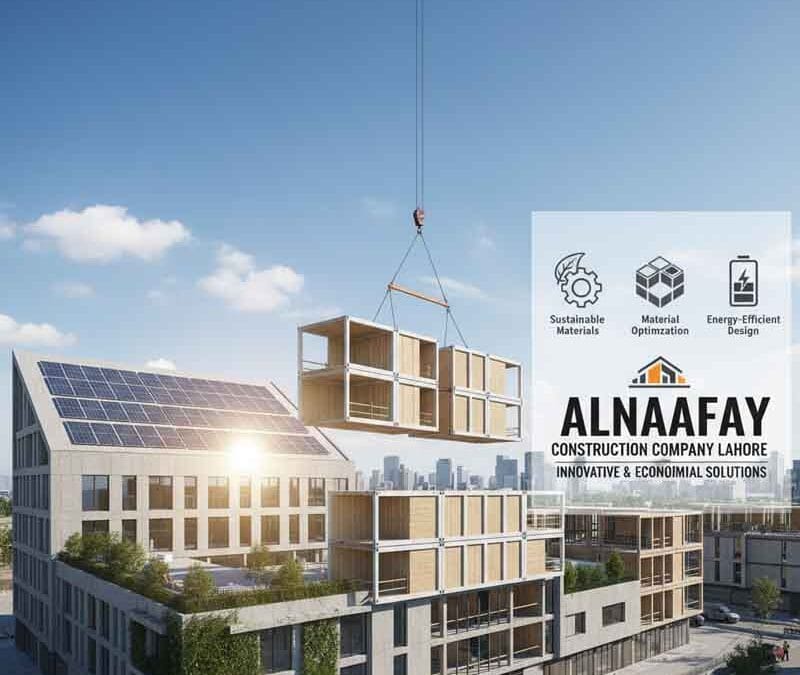
Cost-Saving Techniques in Construction
Build More for Less
Introduction
Building a home is one of the most significant financial commitments you will ever make. The rising prices of materials and labor can make this dream seem out of reach for many. However, with smart planning and strategic decisions, it is possible to build your desired home without breaking the bank. The key lies in understanding and implementing effective cost-saving techniques in construction.
Many people believe that saving money means compromising on quality. This is a common misconception. In reality, being economical is about efficiency, smart substitution, and long-term thinking. For example, choosing a slightly more expensive but energy-efficient window can save you a substantial amount on utility bills over the years. Therefore, the goal is not just to build cheaply, but to build smartly.
This comprehensive guide will explore numerous ways to reduce your construction expenses. We will delve into design choices, material selection, and efficient project management. Furthermore, we’ll provide context by looking at specific architectural styles and their implications for your budget, including a detailed focus on building in a major city like Lahore. By the end, you’ll have a clear roadmap for a more affordable and successful construction project.
The Philosophy of Economical Building
At its core, saving money in construction is about maximizing value. It is a mindset that prioritizes function, efficiency, and durability over unnecessary ornamentation. This approach doesn’t mean your house will be plain or unattractive. On the contrary, many modern architectural styles emphasize simplicity and clean lines, which are inherently more cost-effective to build.
Beyond the Initial Price Tag
A crucial aspect of economical building is considering the life-cycle cost of your home. This includes not only the initial construction price but also future maintenance and operational expenses. For instance, investing in good quality insulation might increase your upfront cost slightly. However, the resulting savings on heating and cooling will pay back that investment many times over. Therefore, true cost-saving techniques in construction involve a holistic view of your home’s long-term financial footprint.
The Power of Good Design
One of the most effective ways to save money is during the design phase. A well-thought-out architectural plan can minimize wasted space, optimize material usage, and reduce labor hours. Simple, rectangular floor plans, for example, are much cheaper to build than complex layouts with many corners and angles. This is because they require less cutting of materials and are simpler for labor to construct.
Embracing a Cost-Effective Architectural Style: Minimalism
When exploring cost-saving techniques in construction, the choice of architectural style plays a pivotal role. A popular and inherently budget-friendly style is Minimalism. This design philosophy is built on the principle of “less is more.” It focuses on clean lines, simple forms, and a lack of ornate decoration.
Which Country is Famous for This Design?
Japan is arguably the country most famous for mastering minimalist architecture. Traditional Japanese design has long valued simplicity, natural materials, and a connection to the outdoors. This approach was born from a need for functionality and efficiency in often-limited spaces. Today, modern Japanese architects are celebrated for creating serene, beautiful, and highly functional homes that use resources wisely. The focus is on light, space, and a few high-quality materials, rather than a multitude of decorative elements.
The Financial Benefits of a Minimalist Design
Why does this style save you money? Firstly, simple, open-plan layouts require fewer interior walls, which means less lumber, drywall, and paint. Secondly, the absence of complex rooflines, arches, and decorative moldings reduces both material and labor costs significantly. Lastly, minimalist homes often feature large windows to maximize natural light, which can lower your electricity bills. This focus on essentials makes it a perfect match for budget-conscious builders.
A Detailed Breakdown of Construction Savings
To effectively apply cost-saving techniques in construction, you must understand where your money goes. We can divide the project into two main phases: the grey structure and the finishing. Savings can be found in both.
Phase 1: Savings in the Grey Structure
The grey structure forms the skeleton of your house and typically accounts for a large portion of the budget. While you should never compromise on structural integrity, there are still ways to be economical.
Smart Foundation Design
The foundation is critical, but over-engineering it is a waste of money. A soil test is a small upfront cost that can save you thousands. If the soil is stable, you might not need an expensive raft foundation. An experienced structural engineer can design a foundation that is safe and efficient, using the optimal amount of steel and concrete.
Choosing the Right Bricks
In many regions, you have a choice of brick quality. While top-grade (Class A) bricks are ideal for visible exterior walls, you can often use slightly lower-grade (Class B) bricks for interior partition walls that will be plastered anyway. This small change, multiplied by thousands of bricks, can lead to noticeable savings.
Efficient Use of Steel
Steel is one of the most expensive components. A good structural design will optimize the placement and amount of steel reinforcement needed. Additionally, buying all your steel at once from a single supplier can often get you a better per-ton rate.
Phase 2: Major Savings in Finishing
The finishing phase is where your personal choices have the biggest impact on the final cost. This is where cost-saving techniques in construction are most visible.
Flooring Alternatives
Marble and high-end porcelain tiles can be very expensive. Consider high-quality ceramic tiles or polished concrete floors for a modern, industrial look at a fraction of the price. Polished concrete, for example, is extremely durable and easy to maintain.
Cabinetry and Woodwork
Custom, solid-wood kitchens are a major expense. You can achieve a similar high-end look with modern materials like laminate, UV sheets, or even well-made MDF with a quality paint finish. Opting for ready-made or semi-custom cabinets instead of fully custom ones is another excellent way to save.
Material Selection: The Smart Saver’s Guide
Choosing the right materials is a balancing act between cost, durability, and aesthetics. Here are some smart substitutions and choices.
Plumbing and Electrical Work
While you should never use low-quality pipes or wires, you can save money on fixtures. A simple, functional faucet from a reputable brand performs just as well as a designer one that costs ten times more. The key is to choose reliable brands over flashy designs. For example, spend your money on the quality of the concealed pipes, not on the visible chrome tap.
Windows and Doors
Instead of expensive wood frames, consider high-quality aluminum or uPVC windows. They offer excellent durability and insulation at a lower cost. For interior doors, solid-core flush doors (plain, flat doors) are much cheaper than paneled wooden doors and can be painted to match any decor.
Paint and Exterior Finishes
For the exterior, consider using textured plaster (graffiato) instead of expensive stone or tile cladding. It’s durable, weather-resistant, and comes in various colors. Inside, a good quality emulsion paint can provide a great finish without the high cost of premium velvet or silk finishes.
Climate-Appropriate Construction for Long-Term Savings
Building in harmony with your local climate is one of the most intelligent cost-saving techniques in construction. It reduces your long-term energy consumption.
Building for Hot Climates
In hot regions, the goal is to keep the heat out. Use light-colored paint on the exterior to reflect sunlight. Plan for deep roof overhangs to shade windows during the hottest part of the day. Instead of solid concrete blocks, consider using hollow blocks, which provide better thermal insulation and reduce the load on your air conditioning. Roof insulation is another must-have investment that pays for itself in a few years through lower cooling bills.
Handling Rain and Humidity
In areas with heavy rainfall, preventing moisture damage is crucial for avoiding costly future repairs. Ensure your design includes a sloped roof for proper water runoff. Applying a quality waterproofing membrane to the roof slab and foundation is a non-negotiable expense that prevents dampness and mold.
Regional Spotlight: Applying Savings in Lahore
Lahore is a prime example of a city with a booming construction sector and diverse housing societies. The cost-saving techniques in construction you can apply may vary slightly depending on the location within the city.
DHA (Defence Housing Authority)
DHA is known for its strict building codes and high standards. Here, savings come from efficiency, not shortcuts. Hiring a top-tier architect who can design a space-efficient layout that complies with all DHA bylaws is crucial. You can also save by choosing simple, elegant finishes over overly ornate ones, which align well with the modern aesthetics popular in DHA.
Bahria Town
Bahria Town offers a planned, modern infrastructure. Since it’s often further from the city’s core material markets, you can save significantly by planning material deliveries in bulk. This minimizes transportation costs. Opting for designs that use locally available materials within Bahria’s commercial areas can also reduce your expenses.
Lake City and Valencia
These societies offer a good balance of luxury and value. A key saving strategy here is to adopt minimalist or contemporary designs that require less specialized labor. Since plots are often generously sized, you can also save by planning for a smaller, more efficient house and dedicating more space to a low-maintenance garden.
Wapda Town and Johar Town
These are established, centrally located areas. Proximity to major markets in Lahore is a big advantage. You can save money by personally visiting multiple suppliers for quotes on everything from bricks to tiles. Labor rates might also be more competitive here compared to more exclusive societies.
Model Town and Gulberg
As some of Lahore’s oldest and greenest areas, building here often involves either renovating an old house or constructing on a very expensive plot. The best saving strategy is to preserve as much of the existing structure as possible during a renovation. For new builds, a compact, multi-story design can maximize living space on a smaller, more affordable plot.
Askari and Cantt
These areas are prized for their security and discipline. However, construction can face logistical challenges due to restricted timings for labor and material entry. The key saving technique here is impeccable project management. Having a detailed schedule and ensuring all materials and labor are on-site when needed avoids costly delays.
Common Mistakes That Inflate Your Budget
Avoiding financial traps is as important as actively seeking savings. Here are some common blunders to steer clear of.
Changing Your Mind Mid-Project
This is the number one budget killer. Every time you change the plan after construction has started—whether it’s moving a wall, changing a window size, or adding an electrical point—it costs money. It leads to rework, material wastage, and labor delays. Therefore, finalize your design completely before a single brick is laid.
Neglecting a Contingency Fund
No matter how well you plan, unexpected issues arise. It could be a sudden spike in cement prices or discovering poor soil during excavation. Without a contingency fund (typically 10-15% of your total budget), these surprises can halt your project. Not having this buffer is a mistake that can turn a small problem into a financial crisis.
Choosing the Cheapest Labor
Hiring an unqualified contractor or unskilled labor because they offer the lowest price is a false economy. Poor workmanship leads to endless problems, from leaky roofs to cracked plaster. You will end up paying more in the long run to fix their mistakes. Therefore, invest in a reputable team with a proven track record.
The Hidden Cost of Future Maintenance
A cheap build can become an expensive house if it requires constant repairs. Smart cost-saving techniques in construction also factor in future maintenance.
Proactive Protection
Investing in proper termite proofing before you lay the flooring is a small cost that prevents a catastrophic future expense. Similarly, using weather-resistant paint on the exterior might cost more initially, but it will last years longer than cheap paint, saving you the cost of frequent repainting.
Designing for Easy Upkeep
Simple designs are easier and cheaper to maintain. A complex roof with many valleys and joints is more prone to leaks than a simple hip or gable roof. Choosing durable, easy-to-clean materials for floors and countertops will save you time and money on upkeep for years to come.
Actionable Budget Tips for Every Builder
Here are some practical tips you can use to shrink your construction bill.
Buy Direct and in Bulk
Whenever possible, try to buy materials directly from the manufacturer or a large distributor. This cuts out the middleman’s commission. Moreover, purchasing items like cement, steel, and bricks in bulk for the entire project can secure you a significant discount.
Embrace Salvaged Materials
For certain elements, reclaimed materials can add character and save a lot of money. Think reclaimed wood for a feature wall or vintage doors for a unique touch. Just ensure they are structurally sound.
Do-It-Yourself (Within Reason)
If you have the skills and time, taking on some tasks yourself can be a great way to save. Painting, landscaping, or installing simple fixtures are jobs a handy homeowner can often tackle. However, leave the structural, electrical, and plumbing work to the professionals.
Achieving Your Dream Home Through Smart Planning
The path from an empty plot to a finished home is a marathon, not a sprint. It demands careful forethought and diligent management. With patient planning, respect for local climate and codes, and good teamwork with experts, you can successfully navigate this journey. This core philosophy highlights that saving money is a result of smart processes, not just cheap purchases.
The Value of Professional Input
An architect or designer can seem like an optional expense, but their expertise is a powerful cost-saving tool. They can create a design that maximizes your usable space and minimizes material waste. A structural engineer ensures your home is safe without being over-engineered with unnecessary, expensive steel and concrete. These professionals often save you more money than their fees cost.
Deep Dive: Material Savings in the Grey Structure
Let’s look more closely at specific material choices during the initial construction phase to find more savings.
Sand and Aggregate Choices
In places like Lahore, you might have a choice between different types of sand (e.g., Ravi vs. Chenab). One may be cheaper than the other. While the stronger, coarser sand is essential for concrete, the finer, cheaper sand can be perfectly adequate for mortar and plaster. Similarly, using locally sourced aggregate (crush) can reduce transportation costs significantly.
Scaffolding Rental
Instead of buying new steel or bamboo scaffolding, consider renting it. Many companies offer rental services for the duration of your project, which is much more cost-effective than purchasing and then having to sell it later.
Deep Dive: Finishing Touches on a Budget
Finishing is where your home’s personality emerges, and it’s also a goldmine for cost-saving techniques in construction.
Kitchen and Bathroom Surfaces
Instead of a granite or quartz countertop, consider a high-quality laminate or even a well-sealed butcher block for your kitchen. In bathrooms, use expensive, decorative tiles as an accent strip and cover the rest of the area with simple, affordable ceramic tiles.
Lighting and Electrical Fixtures
LED lights are a must. They consume far less electricity and last much longer than traditional bulbs. For fixtures, you don’t need designer brands. There are many stylish and affordable lighting options available online and in local markets that can create a high-end look without the high-end price.
Ceilings and Walls
A simple, well-plastered ceiling is timeless and the most affordable option. False ceilings add cost. If you want a design element, consider a single-level false ceiling in the main living area rather than complex, multi-level designs throughout the house.
FAQs: Your Cost-Saving Questions Answered
Q: Is it cheaper to build a single-story or a two-story house for the same square footage?
A: A two-story house is generally cheaper per square foot. It has a smaller roof and foundation area for the same amount of living space, which are two of the most expensive parts of a build.
Q: Can I save money by managing the construction myself?
A: You can save the contractor’s fee (typically 10-15% of the total cost). However, this requires significant time, expertise, and effort. If you are not experienced, mistakes and delays could end up costing you more than you save.
Q: When is the best time of year to build to save money?
A: Construction during the dry season avoids weather-related delays. Additionally, material prices are sometimes lower during off-peak construction seasons, so it pays to do some local research.
Q: How can I reduce labor costs?
A: The best way to reduce labor costs is to increase efficiency. A simple design, clear plans, and ensuring materials are always on-site prevent laborers from sitting idle. Paying a fair wage to a skilled team often results in faster, higher-quality work, which saves money overall.
Q: Does the shape of the plot affect construction costs?
A: Yes. A simple, rectangular plot is the cheapest to build on. Irregularly shaped or sloped plots require more complex foundations and design work, which increases costs.
Conclusion
Mastering cost-saving techniques in construction is not about building a cheap house; it is about building a smart one. It’s a strategic approach that involves careful planning, intelligent material choices, and efficient project management. From the initial architectural sketch to the final coat of paint, every decision presents an opportunity to maximize value and minimize waste.
Whether you are building in a high-end society like DHA or a more established neighborhood like Johar Town, the principles of economical building remain universal. Choose simple, efficient designs. Invest in quality where it matters most—in the structure and the systems that ensure your home is safe and comfortable. Be resourceful in your finishing choices.
Building a home is a rewarding journey. By applying the strategies outlined in this guide, you can ensure that the final result is not only a beautiful place to live but also a testament to your financial prudence. Start with a solid plan, work with a trusted team, and you can build the home of your dreams on a budget you can afford.
Quick Links
Social Icons
Contact Us Information
443 J3 Johar Town Lahore near Expo Center Lahore
