
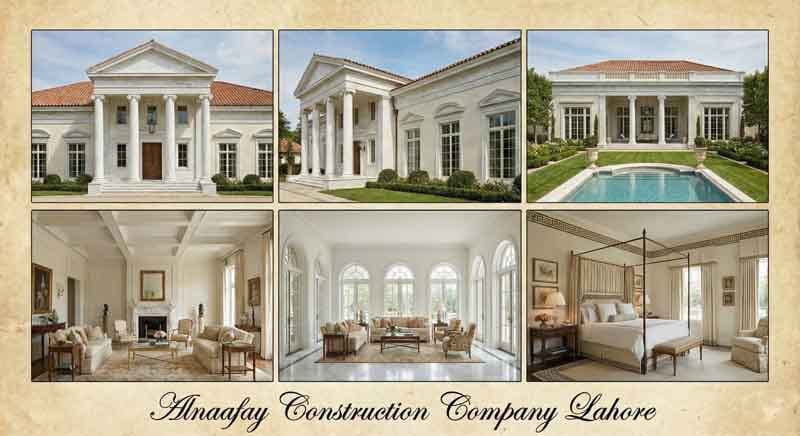
Greek Classic House Design
Creating a beautiful home is a dream shared by millions of families across the globe. However, selecting the perfect architectural style can sometimes feel overwhelming. Therefore, this detailed blog will help you understand everything about the Greek classic house design, which has influenced architects and builders for more than 2,500 years.
With patient planning, respect for local climate and codes, and good teamwork with experts, a Greek classic house can become the most elegant and timeless home for your family. Moreover, this ancient Mediterranean building style offers grace, proportion, and beauty that continues to inspire people in modern times.
What Makes Greek Classic House Design Special and Enduring
Greek architecture has shaped the way humans build homes and public buildings throughout history. Traditionally, builders in ancient Greece developed design principles based on harmony, balance, and mathematical precision. As a result, these principles continue to guide architects around the world today.
First of all, Greek homes are known for their clean lines and perfect proportions. Subsequently, the use of columns became a signature element of this style. Additionally, symmetry plays a central role in every Greek building design. Furthermore, natural materials like marble and limestone create lasting beauty.
In the historic regions of Athens, Corinth, and the Greek islands, you can find remarkable examples of Greek classic house design that have survived for centuries. Interestingly, these ancient builders understood how to create comfortable homes without modern technology. Meanwhile, on islands like Santorini and Mykonos, Greek design adapted to unique landscapes and climates.
The genius of Greek architecture lies in its celebration of simplicity and order. Certainly, every element serves a purpose while contributing to overall beauty. Instead of adding unnecessary decoration, Greek builders focused on perfect proportions. Consequently, these homes feel balanced and peaceful to everyone who enters them.
Where Is Traditional Greek Architecture Most Popular Worldwide
While Greece remains the birthplace of this magnificent architectural tradition, the Greek classic house design has spread across many nations. Notably, numerous countries have embraced this building style with tremendous enthusiasm.
Mediterranean Countries Embrace Greek Architectural Traditions
Italy adopted Greek design principles during the Roman Empire period. Likewise, Spain incorporated Greek elements into many coastal regions. Similarly, southern France, especially along the Riviera, shows strong Greek influences in residential architecture.
Cyprus shares deep cultural connections with Greek building traditions. Besides, Malta features architecture that blends Greek and other Mediterranean influences. Turkey, particularly along its Aegean coast, displays Greek architectural heritage in many historic towns.
American Nations Celebrate Greek Revival Architecture
Surprisingly, the Greek classic house design became extremely popular in the United States during the 1800s. Specifically, the Greek Revival movement swept across America from the 1820s through the 1860s. States like Virginia, Georgia, and Mississippi have thousands of Greek-inspired homes.
Washington D.C. chose Greek architecture for many government buildings. Equally important, banks, courthouses, and universities adopted Greek designs nationwide. The White House itself shows clear Greek architectural influences in its famous columns.
Canada embraced Greek Revival architecture in many eastern provinces. Ontario and Quebec feature beautiful Greek-inspired buildings from the nineteenth century. Australian architects also incorporated Greek elements into colonial-era structures.
European Adoption of Greek Design Principles
The United Kingdom developed its own version of Greek Revival architecture. However, British architects added unique touches while respecting original principles. Grand country estates and urban townhouses display Greek influences throughout England.
Germany appreciated Greek architecture during the neoclassical period extensively. Bavaria, under King Ludwig I, created buildings directly inspired by Greek originals. Many German universities and museums follow Greek architectural models.
Russia incorporated Greek design into palaces and public buildings during the imperial era. Furthermore, Poland and other Eastern European nations embraced neoclassical Greek styles. Scandinavian countries adapted Greek principles to their northern climates thoughtfully.
Understanding the Core Elements of Greek Residential Architecture
Learning about key features helps you appreciate this beautiful design tradition. Primarily, there are several essential elements that define Greek residential architecture. At the same time, each element works harmoniously with others to create unified living spaces.
Classical Columns as Foundation of Greek House Design
Columns represent the most recognizable feature of Greek architecture worldwide. Therefore, understanding column types is essential for any Greek-inspired project. Three main column styles developed in ancient Greece over several centuries.
Doric columns are the oldest and simplest of the three orders. They feature plain capitals without elaborate decoration. Their proportions are sturdy and strong, conveying power and stability. Many people prefer Doric columns for their masculine and dignified appearance.
Ionic columns are more slender and elegant than Doric examples. Scroll-shaped volutes decorate their capitals distinctively. This style originated in the Greek islands and coastal regions. Homeowners often choose Ionic columns for more refined and graceful designs.
Corinthian columns are the most elaborate and decorative style. Carved acanthus leaves adorn their ornate capitals beautifully. This style developed later and represents the height of Greek decorative achievement. Luxury homes often feature Corinthian columns to express sophistication.
Pediments and Entablatures Create Distinctive Rooflines
The triangular pediment above columns is another signature Greek element. Thus, this feature appears on virtually every Greek-inspired building worldwide. Originally, pediments contained sculptural decorations telling mythological stories.
Entablatures rest directly on top of columns and support pediments above. These horizontal bands contain specific decorative elements and proportions. Architects must understand these relationships to create authentic Greek designs.
Modern interpretations may simplify these elements while maintaining essential proportions. Decorative moldings can suggest classical details without full reproduction. These approaches make Greek design accessible for various budgets.
Symmetry and Proportion Guide Every Design Decision
Greek architects believed in mathematical relationships governing beauty. The golden ratio appears throughout Greek buildings and decorative arts. This mathematical proportion creates naturally pleasing visual relationships.
Symmetrical facades create balance and harmony that please human perception. Windows, doors, and other elements align precisely on either side of center. This formal arrangement conveys order, stability, and permanence.
Room proportions within Greek homes also follow mathematical principles. Height relates to width according to specific ratios. These relationships create spaces that feel comfortable and well-designed.
Planning Your Greek Inspired Home Construction Project
With patient planning, respect for local climate and codes, and good teamwork with experts, a Greek classic house can become reality for your family. However, careful preparation remains essential before beginning any construction work.
Selecting the Perfect Location for Greek Architecture
The land you choose influences every aspect of your project significantly. First, consider how the site orientation affects natural lighting throughout the day. Next, think about views and how your home will relate to surrounding landscapes. Then, evaluate privacy needs and neighboring property relationships.
Elevated sites work exceptionally well for Greek-style homes traditionally. Indeed, ancient Greeks often built temples and important buildings on hilltops. Nevertheless, flat terrain can showcase Greek architecture beautifully with proper design.
Local building regulations will shape many of your design choices. Specifically, they may restrict building heights, setback distances, and exterior materials. Some neighborhoods have architectural review requirements that affect design options. Research local rules thoroughly before purchasing property.
Climate conditions should guide your planning decisions from the beginning. Mediterranean climates suit traditional Greek designs most naturally. Colder or wetter climates require modifications to basic Greek approaches. Work with professionals who understand both Greek principles and local requirements.
Assembling Your Expert Design and Construction Team
A successful Greek classic house design project demands talented and experienced professionals. Initially, you will need an architect trained in classical design principles. Subsequently, you will need structural engineers ensuring building safety. Later, you will need craftsmen skilled in creating classical details.
Finding architects with classical training may require extensive research. Fortunately, interest in traditional architecture has grown substantially worldwide. Alternatively, talented architects can study classical principles and work with specialists.
Craftsmen who can create columns, moldings, and other classical elements are invaluable. Stone carvers, plasterers, and woodworkers bring authenticity to projects. Training local craftsmen may be necessary for some specialized work. This investment benefits both your project and preservation of traditional skills.
General contractors coordinate all construction activities on site daily. Specifically, they manage schedules, budgets, and various subcontractor relationships. Selecting a contractor who appreciates traditional craftsmanship is particularly important.
Creating a Realistic and Comprehensive Budget
Greek-inspired homes vary dramatically in cost depending on authenticity and detail level. Therefore, thorough budget planning is absolutely essential from project inception. Consider all costs including materials, labor, permits, and professional fees.
Authentic marble and stone materials increase costs substantially. Local stone alternatives can sometimes achieve similar visual effects. However, compromising on key elements may diminish the overall design impact.
Custom millwork for columns, moldings, and trim requires significant investment. Prefabricated elements offer more affordable alternatives for some applications. Balance authenticity with budget realities to achieve the best possible results.
Including a contingency fund of 15 to 25 percent protects against unexpected costs. Complex projects with custom elements often encounter unforeseen challenges. Adequate reserves prevent financial stress during construction.
Exploring Traditional Materials in Greek Classic Architecture
The materials you select fundamentally define the character of your Greek classic house design. Correspondingly, this decision deserves thoughtful consideration and thorough research.
Marble and Limestone Create Timeless Beauty
Marble represents the ultimate material in Greek architectural tradition. Specifically, white marble from quarries like Mount Pentelicus supplied ancient Athenian buildings. Additionally, marble provides both beauty and impressive durability for centuries.
Limestone offers similar appearance at more accessible price points. Meanwhile, this material appears throughout Greek and Mediterranean architecture. However, limestone requires more maintenance than marble in some climates.
Modern quarries worldwide supply marble and limestone in various colors. White and cream tones remain most authentically Greek in character. Veining and natural variations add unique character to each piece.
Consider where premium stone will have the greatest visual impact. Entry columns and focal points deserve the finest materials available. Secondary areas can use alternative materials that complement the overall design.
Stucco and Plaster for Wall Surfaces
Stucco has covered Greek buildings for thousands of years historically. Moreover, this material allows smooth, uniform wall surfaces at reasonable cost. White stucco particularly evokes Greek island architecture effectively.
Traditional lime-based stucco breathes and ages gracefully over time. Modern synthetic stuccos offer improved durability in some applications. Choose formulations appropriate for your specific climate conditions.
Smooth plaster interiors provide perfect backgrounds for classical details. Crown moldings, chair rails, and baseboards stand out against plain walls. Paint colors should complement rather than compete with architectural elements.
Wood and Metal for Structural and Decorative Elements
Wood appears in Greek architecture for doors, windows, and interior details. Olive and cypress woods were traditional choices in ancient times. Modern projects can use various hardwoods with appropriate characteristics.
Roof structures traditionally used timber framing beneath tile surfaces. Exposed ceiling beams add warmth and character to interior spaces. Wood finishing should enhance natural grain while providing protection.
Metal work appears in railings, gates, and decorative hardware. Bronze and iron were traditional Greek metalworking materials. Contemporary alternatives can achieve similar effects with modern durability.
Designing Interior Spaces in Greek Style Homes
A Greek classic house design creates interiors that feel elegant yet comfortable. Successfully achieving this balance requires thoughtful decisions throughout the design process.
Creating Gracious Room Arrangements
Greek homes traditionally organized around central courtyards or atria. Therefore, consider including interior outdoor spaces in your design. Unlike fortress-like designs, Greek homes welcomed light and air abundantly.
Public rooms for entertaining guests occupy prominent positions. Private family spaces provide retreat from more formal areas. This separation remains practical for contemporary family life.
Ceiling heights should reflect the importance of each space. Grand reception rooms feature tall ceilings with classical proportions. More intimate spaces have lower ceilings creating cozy atmospheres.
Incorporating Classical Decorative Elements
Column details can appear on interior walls as pilasters. These flat column representations add classical character without consuming floor space. Capitals and bases follow the same design principles as freestanding columns.
Crown moldings transition between walls and ceilings elegantly. Classical profiles follow specific proportions and shapes. Dentil moldings with their tooth-like projections are particularly Greek in origin.
Ceiling medallions mark lighting fixtures with decorative emphasis. Plaster rosettes and geometric patterns add further classical refinement. These details elevate interiors from ordinary to distinguished.
Selecting Furnishings That Complement Architecture
Classical furniture designs echo architectural proportions and details. Greek key patterns appear on textiles and decorative accessories. Avoid overly ornate furniture that competes with architectural elements.
Natural materials suit Greek interiors most appropriately. Marble table tops, leather upholstery, and hardwood pieces work well. Metals in bronze and gold tones add warmth and refinement.
Color palettes should remain relatively restrained and elegant. White, cream, and soft neutrals provide classic backgrounds. Accents in blue, terracotta, and gold evoke Mediterranean origins.
Climate Adaptation Strategies in Greek Architecture
With patient planning, respect for local climate and codes, and good teamwork with experts, a Greek classic house can become perfectly comfortable in your local conditions. Climate has always influenced Greek building traditions throughout history.
Designing for Mediterranean Climate Conditions
Greek architecture developed in a climate with hot, dry summers and mild, wet winters. Thick stone walls provide thermal mass moderating temperature swings naturally. Shaded porticos and colonnades create cool outdoor living spaces.
Large openings allow cross ventilation during warm months effectively. Interior courtyards create comfortable microclimates protected from wind. Water features and fountains provide evaporative cooling naturally.
White exterior surfaces reflect intense Mediterranean sunlight effectively. Light interiors stay visually cool even during hot periods. These passive strategies reduce or eliminate mechanical cooling needs.
Adapting Greek Design for Colder Climates
Northern climates require modifications to traditional Greek approaches. Smaller window openings reduce heat loss during winter months. Increased wall insulation maintains interior comfort efficiently.
Enclosed porticos can become heated sunrooms for year-round enjoyment. South-facing orientation maximizes passive solar heating potential. These adaptations maintain Greek character while addressing climate realities.
Modern heating systems integrate invisibly into classical interiors. Underfloor heating works particularly well with stone and tile floors. Careful planning conceals mechanical equipment from view.
Adapting Greek Design for Humid Climates
Humid climates present different challenges than dry Mediterranean conditions. Air circulation becomes even more important for comfort and health. Mold and moisture require specific attention in construction details.
Raised foundations allow air movement beneath living spaces. Wider roof overhangs protect walls from driving rain. Proper drainage prevents water accumulation around foundations.
Material selections must account for moisture exposure concerns. Marine-grade finishes protect wood elements from humidity damage. Breathable wall assemblies prevent moisture problems within construction.
Navigating Building Regulations for Greek Style Homes
Local codes and regulations affect every construction project undertaken. Therefore, understanding requirements early prevents costly problems later.
Working Through Permit and Approval Processes
Most jurisdictions require building permits for new residential construction. Permit applications include complete plans and detailed specifications. Unusual designs may trigger additional review requirements.
Design review boards govern construction in some neighborhoods. Present your Greek classic house design professionally and clearly. Explain how classical elements meet all modern safety requirements. Thorough preparation helps approvals proceed more smoothly.
Historic districts may have specific requirements for new construction. Some areas encourage traditional styles while others restrict them. Research local attitudes before committing to any specific property.
Meeting Modern Building Code Requirements
Structural codes ensure buildings withstand all expected forces safely. Classical construction methods may require engineering verification. Modern reinforcement can hide within traditional-appearing construction.
Fire safety regulations apply universally regardless of architectural style. Non-combustible materials satisfy most requirements naturally. Proper egress routes and detection systems are always required.
Energy codes promote efficient building performance everywhere. Greek design principles can support efficiency with proper implementation. Documentation demonstrates how thick walls and appropriate orientation contribute.
Addressing Universal Accessibility Standards
Accessibility requirements ensure buildings accommodate all users. Door widths, floor surfaces, and bathroom layouts must meet standards. Planning accessibility from the beginning is far easier than retrofitting.
Single-story layouts naturally accommodate most accessibility needs. Greek-style courtyards and colonnades can include accessible paths. Ramps can integrate gracefully into formal landscape designs.
Elevators in larger homes provide multi-story accessibility when needed. Classical design can conceal modern accessibility equipment effectively. These accommodations serve families through all life stages.
Managing Your Greek Home Construction Project Successfully
Building a Greek classic house design requires patience, attention, and careful oversight. Effective project management keeps construction on schedule and within budget.
Establishing Realistic Timeline Expectations
Custom homes with classical details require extended construction periods. Plan for construction timelines of 18 to 30 months or more. Complex decorative work adds significant time to project schedules.
Foundation and structural work follows standard construction sequences. This phase typically requires three to six months minimum. Proper curing and inspection must not be rushed.
Decorative elements often require extended production lead times. Custom carved capitals may need months for completion. Column fabrication and finishing add additional scheduling considerations.
Maintaining Quality Throughout the Building Process
Regular site visits help ensure all work meets your expectations. Review progress against approved plans and specifications carefully. Address any concerns immediately before subsequent work proceeds.
Photographs document construction progress for future reference. Capture hidden elements before walls close around them. These records prove invaluable for future maintenance needs.
Sample approvals prevent surprises with materials and finishes. Review stone selections, plaster textures, and paint colors carefully. Examine samples under various lighting conditions at different times.
Handling Changes and Unexpected Challenges
Construction projects inevitably encounter unforeseen circumstances occasionally. Therefore, maintain clear and honest communication with your entire team. Address emerging issues promptly before they become larger problems.
Design changes during construction increase costs and extend schedules. Complete thorough planning before construction work begins. However, some changes become necessary or highly desirable.
Document all changes through formal written change orders. These documents specify scope, cost impacts, and schedule effects. All parties should sign before any change work proceeds.
Finishing Your Greek Home with Authentic Classical Details
Interior and exterior finishes complete your Greek classic house design beautifully. Thoughtful selections enhance authenticity and overall aesthetic impact.
Completing Interior Finishes with Classical Elegance
Smooth plastered walls provide perfect backgrounds for classical details. Subtle texture variations can add visual interest and depth. Paint colors should remain refined and classically inspired.
Tile work for floors and wet areas requires careful material selection. Marble and stone create authentically Greek appearances. Pattern layouts should complement architectural proportions.
Woodwork for doors, windows, and trim deserves exceptional attention. Classical profiles follow specific traditional shapes and proportions. Paint or natural finishes should enhance wood quality.
Creating Authentic Exterior Finishes
Stucco provides the most authentically Greek exterior wall surface. Smooth application creates clean, uniform appearances. White or cream colors evoke Greek island architecture beautifully.
Stone elements at bases, corners, and entries add substance. Carved details around doors and windows create focal points. Quality stone work defines the character of Greek exteriors.
Roofing materials should complement overall architectural character. Terra cotta tiles are traditionally Mediterranean in origin. Slate or metal alternatives work in some climate conditions.
Adding Landscape Elements Completing the Design
Formal gardens complement Greek architecture appropriately. Symmetrical plantings echo architectural balance and order. Geometric patterns in hedges and paths reinforce classical themes.
Olive trees connect landscapes to Greek heritage directly. Cypress trees provide vertical accents and Mediterranean character. Lavender, rosemary, and other herbs add fragrance and authenticity.
Stone elements extend architecture into surrounding landscapes. Retaining walls, terraces, and paths use complementary materials. Columns and pergolas create outdoor rooms with classical character.
Maintaining Your Greek Style Home Across Generations
Proper maintenance protects your investment and preserves beauty long-term. Greek-inspired homes require attention to specific elements and materials.
Establishing Regular Inspection Routines
Inspect exterior surfaces annually for any signs of deterioration. Stucco, stone, and trim elements need regular monitoring. Addressing small problems prevents major repair needs later.
Check column bases for moisture damage or settling carefully. Water pooling around foundations causes problems over time. Good drainage protects all aspects of your investment.
Review roof conditions and drainage systems seasonally. Clogged gutters cause water damage to walls below. Prompt maintenance prevents costly structural repairs.
Addressing Stucco and Stone Repairs
Stucco may develop cracks from building movement or settling. Repairs should match original texture and color closely. Repainting can unify repaired areas with surrounding surfaces.
Stone elements may chip, crack, or show weathering effects. Professional stone conservators repair valuable carved elements. Replacement pieces should match original stone characteristics.
Pointing mortar between stones deteriorates over time eventually. Repointing with appropriate mortar maintains structural integrity. Color matching ensures repairs blend invisibly.
Caring for Classical Details and Decorative Elements
Painted trim requires periodic refinishing for protection. Classical profiles collect dirt requiring gentle cleaning. Maintain consistent coating schedules for uniform appearance.
Metal elements may corrode without proper protection. Bronze and iron require appropriate cleaning and coating. Address rust promptly before it causes significant damage.
Interior plaster details may crack or separate from substrates. Professional restoration maintains original craftsmanship value. Avoid heavy-handed repairs that diminish classical character.
Cost Analysis for Greek Inspired Construction Projects
Understanding costs enables realistic project planning from the start. Multiple factors influence total investment requirements significantly.
Breaking Down Material Expenses
Stone and marble represent significant budget categories. Premium materials from famous quarries command premium prices. Local stone alternatives can reduce costs while maintaining quality.
Column fabrication varies widely depending on material and detail. Carved stone columns cost more than cast alternatives. Prefabricated options offer savings for some applications.
Millwork for classical moldings and trim adds considerable expense. Custom profiles cost more than standard available shapes. Balance custom work with stock elements strategically.
Understanding Labor Investment Requirements
Skilled craftsmen capable of classical work command premium wages. Their expertise produces results that justify higher costs. This investment ensures quality lasting for generations.
Project location significantly affects labor cost structures. Metropolitan areas typically have higher wage rates. Remote sites may require travel and lodging expenses.
Complex decorative work requires more labor hours than simple construction. Carved details, applied moldings, and painted finishes add time. Budget labor costs realistically for desired detail levels.
Evaluating Long-Term Value Considerations
Greek-style homes typically maintain strong resale values over time. Timeless design appeals to sophisticated buyers consistently. Quality construction commands premium prices in real estate markets.
Lower maintenance requirements save money across decades. Durable materials reduce repair and replacement frequency. These savings offset higher initial construction costs.
Personal satisfaction from living in beautiful spaces is invaluable. Classical environments enhance daily life quality immeasurably. This intangible benefit justifies investment beyond financial returns.
Environmental Benefits of Classical Greek Design
Sustainability concerns make traditional design principles increasingly valuable. Greek architecture offers legitimate environmental advantages worth considering.
Passive Climate Control Strategies
Traditional Greek designs work with climate rather than against it. Thermal mass in stone walls moderates temperature naturally. Proper orientation maximizes beneficial sun exposure.
Shaded outdoor spaces reduce cooling requirements significantly. Colonnades and porticos create comfortable transition zones. Cross ventilation provides natural cooling without energy consumption.
These passive strategies reduce mechanical system requirements. Lower energy consumption means reduced environmental impact. Operating costs decrease alongside environmental benefits.
Durable Materials Reduce Resource Consumption
Stone and masonry construction lasts for centuries when properly maintained. Longer building life means fewer resources consumed over time. This durability represents significant environmental savings.
Quality materials resist deterioration requiring less replacement. Marble and limestone maintain beauty for generations. Reduced replacement frequency conserves resources.
Natural materials can return to earth at end of useful life. Stone and wood do not create persistent toxic waste. This characteristic contrasts favorably with synthetic alternatives.
Timeless Design Prevents Wasteful Demolition
Fashionable designs become outdated and get demolished prematurely. Greek classical design has remained appealing for millennia. Buildings that remain desirable avoid wasteful replacement.
Adaptable floor plans accommodate changing family needs. Rooms can serve different purposes as requirements change. This flexibility extends useful building life.
Classic aesthetics appeal across generations continuously. Future owners will appreciate Greek design as much as you do. This lasting appeal represents profound environmental benefit.
Finding Inspiration for Your Greek Classic House Design
Examining examples clarifies vision and inspires creative possibilities. Many sources offer valuable ideas for your unique project.
Visiting Greek Architecture in Person
Travel to Greece provides unparalleled exposure to authentic examples. Athens offers ancient temples and neoclassical buildings together. Islands like Mykonos and Santorini show vernacular Greek traditions.
Museums worldwide display Greek architectural elements and models. The British Museum houses significant Greek architectural fragments. Many universities have classical architecture study collections.
Greek Revival buildings in America provide accessible local examples. Courthouses, banks, and historic homes demonstrate adapted Greek principles. These buildings show how Greek design works in various contexts.
Exploring Publications and Digital Resources
Architectural books document Greek building traditions comprehensively. Scholarly works explain historical context and design principles. Photography books showcase beauty in excellent reproduction quality.
Online resources provide convenient access to extensive images. Pinterest collections gather thousands of Greek design examples. Instagram accounts share contemporary interpretations worldwide.
Videos reveal spaces in ways photographs cannot capture fully. Virtual tours enable exploration from anywhere globally. Documentary films provide historical background and context.
Collaborating with Design Professionals
Architects translate inspiration into constructible designs effectively. Select professionals who understand and appreciate classical principles. Portfolio review reveals experience with relevant project types.
Interior designers create cohesive and functional living spaces. Their expertise ensures rooms work well practically. Early engagement produces better integrated results.
Landscape architects design grounds complementing architecture harmoniously. Formal garden design requires specific expertise and sensitivity. Comprehensive design creates unified overall environments.
Quick Links
Social Icons
Contact Us Information
443 J3 Johar Town Lahore near Expo Center Lahore
