
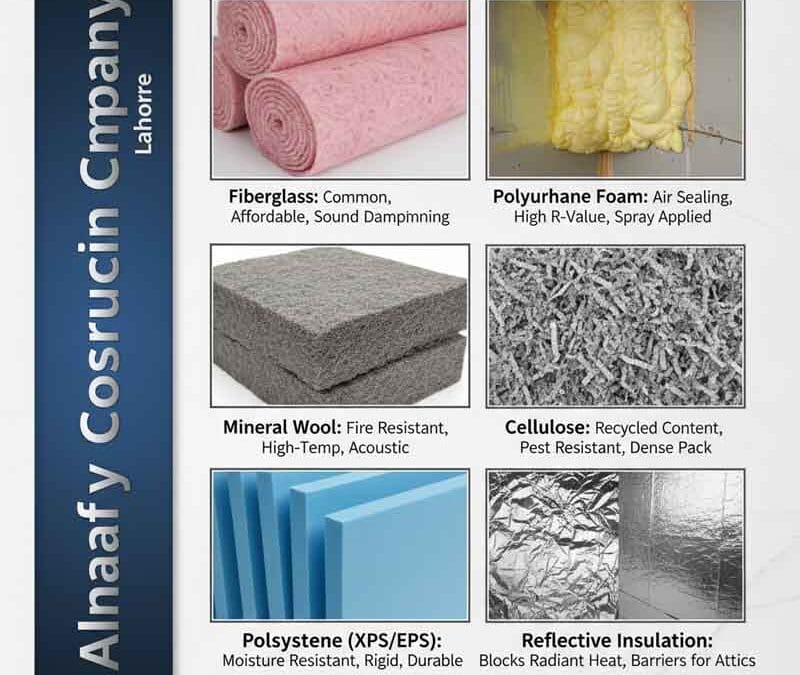
Insulation Materials for Every Home
We often think of our homes as shelter from the storm, but without the right barriers, the outside weather finds its way in. Whether it is the scorching heat of summer or the biting cold of winter, temperature transfer is a constant battle. This is where insulation materials play a critical role. They act as a thermal shield, keeping your living space comfortable while drastically reducing your energy bills. However, choosing the right product can be confusing with so many options available. This comprehensive guide will walk you through everything you need to know about insulation materials, their benefits, and how to choose the best one for your specific needs.
Understanding the Basics of Insulation
Before diving into specific products, it is important to understand how insulation works. Heat naturally flows from warmer areas to cooler areas. In the winter, heat moves directly from your warm living room to the cold outdoors. Conversely, in the summer, the relentless heat from the sun moves from the outside into your cool interior. Insulation materials work by slowing down this conductive heat flow.
Most insulation works by trapping tiny pockets of air within the material structure. Air is a poor conductor of heat, so these pockets act as a barrier. The effectiveness of any insulation is measured by its R-value. A higher R-value means greater insulating power. Therefore, understanding the R-value is crucial when comparing different insulation materials.
Why Insulation Matters More Than Ever
In the past, energy was cheap, and environmental concerns were less pressing. Today, however, rising energy costs and climate change have made efficiency a top priority. A well-insulated home requires less energy for heating and cooling. As a result, this lowers your utility bills significantly.
Moreover, insulation improves comfort. It eliminates cold drafts in winter and hot spots in summer. Additionally, many insulation materials also provide soundproofing benefits, creating a quieter and more peaceful home environment. Thus, investing in quality insulation is one of the smartest upgrades you can make for your property.
The Major Categories of Insulation Materials
There is no single “best” insulation for every situation. Different areas of a house and different climates require specific solutions. To make the best choice, you need to understand the main categories of insulation materials.
1. Blanket Insulation (Batts and Rolls)
This is the most common and widely available type of insulation. It typically comes in the form of batts or rolls that are designed to fit between standard wall studs and floor joists.
- Material: It is usually made from fiberglass, mineral wool, or plastic fibers.
- Best For: Unfinished walls, floors, and ceilings. It is easy to install for DIY enthusiasts.
- Pros: It is relatively inexpensive and widely available. Furthermore, mineral wool options offer excellent fire resistance.
- Cons: It can be itchy to handle (fiberglass) and must be cut precisely to avoid gaps, which reduce effectiveness.
2. Loose-Fill and Blown-In Insulation
Loose-fill insulation consists of small particles of fiber, foam, or other materials. It is blown into place using special equipment.
- Material: Common materials include cellulose (recycled paper), fiberglass, and mineral wool.
- Best For: Attics with irregular shapes or obstructions, and adding insulation to existing finished walls without tearing them down.
- Pros: It fills gaps and hard-to-reach areas perfectly. Additionally, cellulose is eco-friendly as it is made from recycled content.
- Cons: It can settle over time, reducing its R-value. It also requires professional installation or renting a blower machine.
3. Spray Foam Insulation
Spray foam is a liquid chemical that expands into a foam when sprayed. It hardens to form a solid, airtight barrier.
- Material: It is typically a polyurethane mixture.
- Best For: Sealing leaks and gaps, insulating roof undersides, and irregular spaces.
- Pros: It provides an excellent air seal, preventing drafts and moisture. It also has a very high R-value per inch.
- Cons: It is significantly more expensive than other insulation materials. Furthermore, it requires professional installation and proper ventilation during curing.
4. Rigid Foam Boards
These are stiff panels of insulation that can be cut to size.
- Material: Polystyrene (EPS or XPS) or polyisocyanurate (polyiso).
- Best For: Exterior walls under siding, basement walls, and concrete floors.
- Pros: It has a high R-value for its thickness and is resistant to moisture.
- Cons: It must be covered with a fire-rated material (like drywall) if used on interior walls.
Exploring Specific Insulation Materials in Detail
Now that we have covered the forms, let’s look closer at the actual substances used. The chemical and physical properties of these insulation materials determine their safety, longevity, and environmental impact.
Fiberglass: The Industry Standard
Fiberglass is made from extremely fine glass fibers. It is the pink or yellow fluffy material most people picture when they think of insulation.
- Benefits: It is affordable, non-flammable, and resistant to moisture damage.
- Drawbacks: Handling it can irritate skin and lungs. Therefore, protective gear is essential during installation.
Mineral Wool: The Fire Resistant Choice
Mineral wool, also known as rock wool or slag wool, is made from molten rock or industrial waste (slag) that is spun into fibers.
- Benefits: It is naturally fire-resistant and does not melt easily. Additionally, it is hydrophobic (repels water) and offers superior soundproofing compared to fiberglass.
- Drawbacks: It is heavier and slightly more expensive than fiberglass.
Cellulose: The Eco-Friendly Option
Cellulose is made primarily from recycled newspaper that has been treated with fire-retardant chemicals.
- Benefits: It has a high recycled content (up to 85%), making it very green. It effectively blocks airflow because the small particles pack tightly together.
- Drawbacks: It absorbs moisture easily, which can lead to mold if not properly ventilated. It is also heavy.
Polyurethane Foam: The High Performer
This material is used in spray foam applications.
- Benefits: It expands to fill every crack, providing both thermal insulation and air sealing in one step.
- Drawbacks: It is chemical-based and can off-gas if not mixed correctly. It is also the most expensive option upfront.
Climate Suitability for Different Insulation Materials
The climate you live in dictates how much insulation you need and which type performs best.
Hot and Humid Climates
In hot regions, the primary goal is to keep heat out. Radiant barriers (reflective insulation) are very effective here. They reflect radiant heat from the sun away from the attic.
- Best Choice: Spray foam or rigid foam boards are excellent because they resist moisture, which is crucial in humid environments. Fiberglass batts can sag if they absorb too much humidity over time.
Cold Climates
In cold regions, trapping heat inside is the priority. You need insulation materials with a high R-value.
- Best Choice: A combination of bulk insulation (like fiberglass or cellulose) in the attic and rigid foam on exterior walls works well. Preventing heat loss through the roof is the most critical step.
Mixed Climates
For areas with hot summers and cold winters, you need a balanced approach.
- Best Choice: Mineral wool is a great all-rounder. It insulates against both heat and cold effectively and manages moisture changes well.
Global Leaders in Insulation Design
While insulation is used worldwide, some countries have pushed the boundaries of energy-efficient construction further than others.
Sweden: A Pioneer in Thermal Performance
Sweden is arguably the most famous country for advanced insulation practices and energy-efficient home design.
- Why Sweden? The harsh Scandinavian winters forced Sweden to innovate early. They developed the “Passive House” concept (along with Germany), which relies heavily on super-insulation and airtight construction. Swedish building codes are among the strictest in the world regarding thermal performance.
- The Result: Swedish homes often feature triple-glazed windows and extremely thick walls filled with high-grade insulation materials. As a result, they require very little active heating, even in sub-zero temperatures. Their expertise in creating airtight, well-insulated envelopes is a model for the rest of the world.
Insulation in Lahore: Adapting to Extreme Heat
In Lahore, Pakistan, the climate presents a different challenge. The city experiences scorching summers where temperatures frequently exceed 40°C, followed by cool, foggy winters. Consequently, the demand for effective insulation materials in residential and commercial sectors is growing rapidly.
The Shift in Lahore’s Construction
Traditionally, brick and concrete were the sole barriers against the weather. However, these materials have high thermal mass, meaning they absorb heat during the day and radiate it into the house at night. This makes indoor cooling very expensive. Modern construction in Lahore is now integrating specialized insulation to combat this.
Top Societies Embracing Insulation
You can see a significant shift towards energy-efficient building in Lahore’s premium housing societies:
- DHA (Defence Housing Authority): Many new luxury homes in DHA are incorporating roof insulation tiles and cavity wall insulation to reduce AC loads.
- Bahria Town: Known for modern infrastructure, commercial buildings here increasingly use double-glazed windows and insulated cladding.
- Lake City & Valencia: These societies feature modern villas where owners are retrofitting roofs with heat-resistant sheets and foam insulation.
- Wapda Town & Johar Town: In these established neighborhoods, residents are using Jumbolon sheets (polyethylene foam) on rooftops to deflect the summer sun.
- Model Town & Gulberg: Renovations in these central areas often involve adding false ceilings with fiberglass rolls to improve thermal comfort.
- Askari and Cantt: These secure zones are seeing a rise in the use of sandwich panels (insulated panels) for quick and efficient construction of additional rooms or quarters.
Common Mistakes to Avoid with Insulation Materials
Even the best insulation materials will fail if installed incorrectly. Avoiding these common pitfalls is essential for getting the performance you paid for.
Compressing the Material
A very common mistake is jamming fiberglass batts into a space that is too small.
- The Problem: Insulation works by trapping air pockets. If you compress it, you squeeze out the air, drastically lowering the R-value.
- The Fix: Cut the insulation to fit the space perfectly. It should be fluffy, not packed tight.
Leaving Gaps and Voids
Installers sometimes rush and leave small gaps around electrical outlets, pipes, or corners.
- The Problem: Heat acts like water; it flows through the path of least resistance. Even small gaps can cause significant energy loss, undermining the entire insulation system.
- The Fix: Be meticulous. Use spray foam or caulk to seal small gaps before adding the main insulation layers.
Blocking Ventilation
In attics, it is crucial to maintain airflow under the roof deck to prevent moisture buildup.
- The Problem: Homeowners often push insulation right into the eaves (sofffits), blocking the vents. This traps moisture, leading to rot and mold.
- The Fix: Use “baffles” or “raft-r-mates” to keep the insulation away from the vents and ensure air can circulate.
Ignoring the Vapor Barrier
A vapor barrier (or retarder) is a material like plastic sheeting that prevents moisture from moving into the insulation.
- The Problem: Installing the vapor barrier on the wrong side can trap moisture inside the wall cavity, causing the wood to rot.
- The Fix: In cold climates, the vapor barrier usually goes on the warm side (interior) of the wall. In hot, humid climates, it is often omitted or placed differently. Consult local codes.
Maintenance of Insulation Materials
Most people think insulation is “set it and forget it.” However, it does require periodic inspection to ensure it is still working effectively.
Checking for Settling
Loose-fill insulation, especially cellulose, can settle over time due to gravity and vibration.
- Action: Check the depth of your attic insulation every few years. If it has settled significantly, you may need to top it up to maintain the desired R-value.
Inspecting for Moisture
Water is the enemy of most insulation materials. A roof leak can soak fiberglass or cellulose, rendering it useless and promoting mold growth.
- Action: After any storm or roof damage, inspect the insulation in the attic. Wet insulation usually needs to be removed and replaced; it rarely dries out well enough to be saved.
Looking for Pest Infestation
Rodents and insects love to nest in warm fiberglass or cellulose.
- Action: Look for droppings, tunnels, or matted areas in the insulation. If you find signs of pests, you must remove the contaminated material, seal the entry points, and install fresh insulation.
Budget Tips for Insulation Projects
Insulating a home can be expensive, but there are ways to manage costs without sacrificing quality.
Prioritize the Attic
Heat rises. In the winter, most heat loss occurs through the roof. In the summer, the sun beats down on the roof.
- Tip: If you have a limited budget, focus on insulating the attic first. This provides the best return on investment compared to walls or floors.
Consider DIY Where Safe
Installing fiberglass rolls or batts in an accessible attic is a manageable DIY project.
- Tip: You can save significantly on labor costs by doing it yourself. However, leave complex jobs like spray foam to the professionals.
Look for Rebates and Incentives
Many governments and utility companies offer rebates for energy-efficiency upgrades.
- Tip: Check with your local energy provider before buying materials. You might be eligible for cash back or tax credits for installing specific insulation materials.
Compare R-Value per Dollar
Do not just look at the price of the roll. Look at the price per square foot relative to the R-value.
- Tip: Sometimes, a slightly more expensive material with a higher R-value means you need less of it (fewer layers), which could balance out the cost.
With patient planning, respect for local climate and codes, and good teamwork with experts, you can create a thermal envelope that protects your wallet and your comfort for decades.
Frequently Asked Questions (FAQs)
Q: Is “pink” insulation dangerous?
A: Fiberglass insulation (often pink) can cause skin, eye, and respiratory irritation if handled without protection. However, once installed behind drywall, it poses no health risk to occupants. Always wear long sleeves, gloves, and a mask when handling it.
Q: Can I insulate over old insulation?
A: Generally, yes. As long as the old insulation is dry and not moldy, you can add new layers on top. In fact, adding loose-fill over old batts is a common way to upgrade attic R-values. However, do not place a vapor barrier on top of the old insulation, as this can trap moisture.
Q: What is the best insulation for soundproofing?
A: Mineral wool is superior to fiberglass for soundproofing because it is denser. It is an excellent choice for interior walls between bedrooms or bathrooms to reduce noise transfer.
Q: How much insulation do I need?
A: The amount depends on your climate zone. The colder the climate, the higher the R-value needed. For example, an attic in a cold region might need R-49 to R-60, while a hot climate might only need R-30 to R-49.
Q: Does spray foam shrink over time?
A: High-quality spray foam, when applied correctly, should not shrink significantly. However, if the mix ratio of the chemicals was off during installation, it can pull away from the studs. This is why hiring an experienced professional is crucial for spray foam applications.
Evaluating the Environmental Impact
Sustainability is a growing concern for modern homeowners. When choosing insulation materials, it is worth considering their lifecycle impact.
Embodied Energy
This refers to the energy required to manufacture and transport the material.
- Comparison: Fiberglass and mineral wool have moderate embodied energy. Spray foam has high embodied energy due to the chemical processing. Cellulose has very low embodied energy because it is made from recycled paper with minimal processing.
Recyclability and Disposal
What happens to the insulation at the end of the building’s life?
- Comparison: Fiberglass and mineral wool can technically be recycled, but often end up in landfills. Cellulose is biodegradable. Synthetic foams are difficult to recycle and stay in landfills for centuries.
Indoor Air Quality
Some insulation can release Volatile Organic Compounds (VOCs) into the home.
- Comparison: Formaldehyde-free fiberglass and mineral wool are now the standard and are safe. Spray foam must be allowed to off-gas properly during installation, after which it is inert. Natural wool or cotton insulation are excellent choices for those with severe chemical sensitivities.
Detailed Breakdown of Radiant Barriers
While we touched on them briefly, radiant barriers deserve a closer look, especially for hot climates. Unlike mass insulation (like fiberglass) that slows conductive heat, radiant barriers reflect radiant heat.
How They Work
Radiant heat travels in a straight line from a hot surface (like your roof deck) to a cooler surface (like your attic floor). A radiant barrier is a highly reflective material, usually aluminum foil applied to a substrate like kraft paper or plastic film. It reflects up to 97% of this radiant heat.
Installation Best Practices
For a radiant barrier to work, it must face an air space. If you sandwich it between two solid materials, heat will simply conduct through it.
- Placement: It is typically stapled to the underside of the roof rafters. Dust accumulation can reduce its reflectivity, so facing it downwards is often preferred.
Limitations
Radiant barriers do not have an R-value in the traditional sense. They are best used in addition to regular thermal insulation materials, not as a replacement. They are most cost-effective in hot, sunny climates and offer diminishing returns in cool climates.
The Future of Insulation: Aerogels and Vacuum Panels
Technology is constantly evolving, bringing us futuristic insulation materials that offer incredible performance in thin profiles.
Aerogel Insulation
Aerogel is a synthetic porous ultralight material derived from a gel, in which the liquid component has been replaced with gas. It is often called “frozen smoke.”
- Performance: It has the lowest thermal conductivity of any known solid. A thin strip can stop the heat of a blowtorch.
- Application: Currently, it is used in industrial applications and high-end outerwear. As costs come down, it is starting to appear in residential construction for fixing thermal bridges (areas where heat bypasses insulation).
Vacuum Insulation Panels (VIPs)
VIPs consist of a rigid core evacuated of air and sealed in a gas-tight envelope.
- Performance: Because there is no air to conduct heat, they offer R-values up to five times higher than traditional foams.
- Challenges: They are expensive and fragile. If the seal is punctured (e.g., by a nail), the vacuum is lost, and the insulating value drops dramatically. They are currently used in specialized applications like high-performance refrigerators and shipping containers.
Choosing the Right Insulation for Specific House Areas
Different parts of your home have different needs. Here is a quick guide to matching the material to the location.
Exterior Walls
- New Construction: Spray foam or wet-spray cellulose are excellent because they fill the cavity completely and stop air leaks.
- Existing Homes: If you cannot tear down drywall, “drill and fill” using dense-pack cellulose is the standard method.
Basements
Basements are prone to moisture.
- Recommendation: Avoid fiberglass against concrete walls, as it can trap moisture and grow mold. Rigid foam boards glued to the concrete, or closed-cell spray foam, are the best choices because they act as a vapor barrier and insulator in one.
Floors Over Crawlspaces
Cold floors are a major comfort complaint.
- Recommendation: Rigid foam boards attached to the underside of the floor joists are effective. Alternatively, encapsulate the entire crawlspace with a heavy liner and insulate the crawlspace walls instead of the floor. This creates a conditioned space that keeps pipes from freezing.
Conclusion: Wrapping Up Your Home in Comfort
Insulation is the unsung hero of the modern home. It works silently behind the walls, ensuring that your living environment remains healthy, comfortable, and efficient. From the fluffy batts of fiberglass to the advanced chemistry of spray foam, the variety of insulation materials available today ensures that there is a solution for every budget and every climate.
Whether you are building a new house in the expanding suburbs of Lahore or retrofitting an old cottage in a snowy landscape, the principles remain the same. You must stop the transfer of heat. By understanding the properties of these materials—their R-values, their resistance to moisture, and their installation requirements—you are empowered to make the right choice.
Remember that insulation is an investment, not just an expense. The money spent upfront on high-quality insulation materials is paid back over the years in lower energy bills and reduced wear and tear on your HVAC equipment. Furthermore, the increase in comfort and the reduction in your carbon footprint are benefits that are priceless. So, take the time to assess your needs, consult with professionals, and wrap your home in the protective layer it deserves.
Meta Information
Meta Title: Complete Guide to Insulation Materials | Types, Uses & Benefits
Meta Description: Discover the best insulation materials for your home. From fiberglass to spray foam, learn about R-values, climate suitability, and tips for energy efficiency.
Quick Links
Social Icons
Contact Us Information
443 J3 Johar Town Lahore near Expo Center Lahore
