
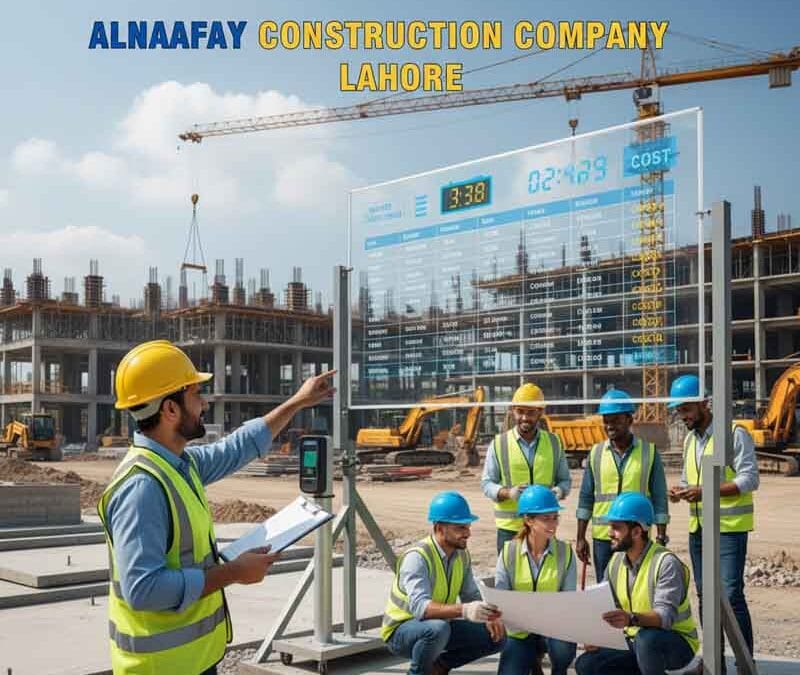
Labor Cost Management
A Strategic Guide for Construction
Introduction
Labor is the heartbeat of any construction project. Without skilled hands to lay bricks, pour concrete, and install wiring, a blueprint remains just a drawing. However, labor is also one of the most significant expenses you will face. Therefore, understanding labor cost management is crucial for anyone planning to build a home or a commercial plaza. It is the art of balancing fair wages with efficient work to keep your budget on track.
Many first-time builders underestimate how quickly labor costs can spiral out of control. Delays, rework, and inefficient scheduling can drain your funds faster than you might expect. Consequently, a solid plan is your best defense against financial stress. You need to know not just how much to pay, but how to get the best value for every hour worked.
In this comprehensive guide, we will explore the depths of managing your workforce expenses. We will look at different payment models, how to select the right team, and specific strategies for different regions. Additionally, we will discuss how design choices impact labor needs. By the end of this post, you will be equipped with the knowledge to lead your project to a successful, cost-effective conclusion.
Understanding the Basics of Labor Cost Management
What exactly is labor cost management? At its core, it is the process of estimating, allocating, and controlling the money spent on human resources. This involves more than just handing out daily wages. It requires a deep understanding of productivity, scheduling, and local market rates.
The Two Main Payment Models
Generally, there are two ways to pay for construction labor. First, you have the daily wage system (often called “daily wagers”). In this model, you pay a set amount for every day the worker is on site. This offers flexibility but carries the risk of slow work, as workers have no incentive to finish quickly.
Second, there is the lump-sum or contract model (often called “theka”). Here, you agree on a fixed price for a specific task or the entire project. For example, you might pay a fixed rate per square foot for the grey structure. This incentivizes speed, but you must monitor quality closely. Therefore, choosing the right model is the first step in effective labor cost management.
Why Efficiency Matters More Than Rate
A common mistake is hiring the cheapest workers to save money. However, a skilled mason who charges 20% more but works 40% faster is actually cheaper in the long run. Moreover, skilled workers make fewer mistakes. Fixing a crooked wall costs materials and time. Thus, efficiency and skill are critical components of the cost equation.
Defining the Style: The Industrial Loft Aesthetic
To understand how design impacts labor, let’s look at a specific style: The Industrial Loft. This design features exposed brick, concrete floors, open ceilings with visible ductwork, and large metal windows. It is a raw, unfinished look that is surprisingly sophisticated.
Which Country is Famous for This Design?
The United States, particularly New York City, is most famous for the Industrial Loft style. It originated in the mid-20th century when artists began moving into abandoned factories and warehouses in districts like SoHo. They needed large, affordable spaces. Instead of covering up the industrial elements, they embraced them. Today, this style is replicated globally because it celebrates the “bones” of a building.
Benefits for Labor Cost Management
How does this style help with labor cost management? Firstly, it reduces the need for finishing labor. You don’t need to pay plasterers to smooth every wall if you are keeping the brick exposed. Secondly, leaving ceilings open saves the cost of framing and installing false ceilings. Finally, concrete floors eliminate the labor cost of laying tiles or wood. By reducing the number of finishing steps, you significantly lower your total labor bill.
Material Options That Reduce Labor
The materials you choose dictate how much labor is needed. Some materials are labor-intensive, while others are quick to install.
Drywall vs. Traditional Plaster
In many parts of the world, traditional wet plaster is the norm. It requires a skilled mason to apply multiple coats and wait for them to dry. In contrast, drywall (gypsum board) is much faster to install. A small team can cover a large area in a single day. Therefore, switching to drywall for internal partitions can drastically cut down labor hours.
Pre-Fabricated Elements
Using pre-cast concrete elements is a smart move. Instead of building a boundary wall brick by brick, you can install pre-cast concrete panels. This turns a week-long job into a two-day job. Similarly, pre-hung doors come with the frame and hinges already attached. This saves the carpenter hours of detailed work.
Interlocking Bricks or Blocks
Newer technologies like interlocking bricks require less mortar and are self-aligning. This means you don’t need a master mason for every part of the wall; less experienced (and less expensive) labor can handle the bulk of the work under supervision. This is a prime example of material choice aiding labor cost management.
Climate Suitability and Labor Productivity
Climate doesn’t just affect the building; it affects the builders. Labor cost management must account for the weather.
Working in Extreme Heat
In hot climates, labor productivity drops significantly during the afternoon. If you force workers to work through the peak heat, they will be slow and prone to mistakes. As a result, it is smarter to schedule split shifts. Have the team work early morning, take a long break during the heat, and return in the evening. This maintains high productivity and protects the health of your team.
Managing the Monsoon Season
Rain brings work to a halt. However, you often still have to pay retainers or provide food for workers who live on-site. To mitigate this, plan indoor tasks for the rainy season. Save electrical wiring, plumbing, and carpentry for wet days. Meanwhile, ensure the roof is watertight before the rains begin so work can continue inside.
Regional Focus: Labor in Lahore
Lahore is a dynamic city with a massive construction industry. However, labor cost management here requires local knowledge. The city is expanding rapidly, and labor is in high demand.
DHA (Defence Housing Authority)
In DHA, strict security protocols exist. Laborers must have passes, and work hours are regulated. This means you cannot have crews working late into the night to speed up the project. Therefore, you must maximize the efficiency of the allowed hours. Additionally, the expectation of quality in DHA is high, so you need A-grade labor, which commands a premium.
Bahria Town
Bahria Town is huge and somewhat self-contained. Transportation is a key factor here. If your labor lives far away in the city center, they might arrive late and leave early. Consequently, providing on-site accommodation for your team is a standard practice here. This ensures they start fresh every morning, improving daily output.
Lake City and Valencia
These societies are peaceful and a bit removed from the central labor markets. Similar to Bahria, logistics matter. However, these areas are seeing a lot of new construction, so you can sometimes find teams moving from one nearby site to another. Catching a team finishing a job nearby can save on mobilization costs.
Wapda Town and Johar Town
These are mature, densely populated areas. Labor is easily available. You can find daily wagers at specific “addas” (stops) nearby. This makes it easy to scale your workforce up or down daily. However, the rates here are competitive, and workers know their worth. Negotiating effectively is key.
Model Town and Gulberg
Building here is often about renovation or high-end luxury. The labor required is specialized. You need artisans who can restore old brickwork or install modern, high-tech fixtures. Labor cost management here is less about speed and more about precision. A mistake on a luxury finish is very expensive to fix.
Askari and Cantt
Security is tightest here. Getting materials and men in takes time. Background checks are often required. This administrative burden can slow down the start of the project. You must factor this “waiting time” into your schedule and budget. Patience is a financial virtue in these zones.
Strategies for Effective Labor Cost Management
Now that we understand the context, let’s look at actionable strategies.
Detailed Scheduling
You cannot manage what you do not measure. Create a detailed schedule that breaks down every task. Know exactly how many days the electrician needs versus the plumber. If the plumber is delayed, reschedule the tiler immediately so he doesn’t show up and charge for a wasted day.
The “Labor Contract” vs. “Material + Labor”
Deciding between a labor-only contract and a turnkey (material + labor) contract is huge. In a labor-only contract, you buy the materials. This saves money on material markups but requires you to be a full-time logistics manager. If you run out of cement, the labor sits idle, and you still pay. For many, a labor-rate contract is the sweet spot for labor cost management, giving you control over material quality while fixing the labor price.
Incentivize Speed and Quality
Consider offering bonuses. If a team finishes the grey structure a week early with zero defects, give them a cash bonus. This small cost can save you weeks of overheads (rent, security guard salaries, electricity). It aligns their interests with yours.
Mistakes to Avoid in Labor Management
Even experienced builders stumble. Here are pitfalls to watch for.
The “Daily Wage” Trap for Large Tasks
Never put major tasks like brickwork or flooring on a daily wage. Workers will naturally stretch the work to get more days of pay. Always use a measured rate (per square foot) for these quantifiable tasks. Use daily wages only for unmeasurable helpers or small repair jobs.
Lack of Supervision
Labor requires supervision. If you are not there, or if you don’t have a foreman, work will slow down. Additionally, mistakes will be buried. A wall might be built slightly off-center. By the time you notice, it’s too late. Therefore, hire a supervisor if you cannot be present. His salary is an investment in labor cost management.
Poor Communication
Language barriers or vague instructions cause errors. If you tell the painter “white” but meant “off-white,” he will paint the whole room before you stop him. That is wasted labor. Always use samples. Draw sketches on the walls. Be crystal clear.
Maintenance and Labor
Your relationship with labor doesn’t end when the house is built.
Building a Relationship for Future Repairs
Keep the contact details of your best workers. A good plumber who knows your house’s piping is invaluable for future maintenance. He will find the leak faster than a stranger. Treat them well during construction, and they will respond when you have an emergency later.
Low-Maintenance Choices
Design choices affect future labor costs too. A house with wood siding needs painting every few years. A brick house needs almost none. By choosing low-maintenance materials, you are effectively performing labor cost management for the next 20 years.
Budget Tips for Labor
Here is how to squeeze the most value out of your budget.
Off-Season Building
In the peak of summer or dead of winter, construction slows down. Laborers might be looking for work. You can often negotiate lower rates during these off-peak times. However, you must balance this against the slower pace of work due to weather.
Referrals Over Random Hires
Always hire based on referrals. A worker recommended by a friend has a reputation to uphold. They are less likely to disappear mid-job. Random hires from the street are a gamble that can cost you dearly in theft or poor work.
negotiate “Lump Sum” for Small Jobs
For small finishing tasks, like installing bathroom accessories, negotiate a lump sum for the whole house. Do not pay per item. “I will give you X amount to install all fittings in 3 bathrooms.” This is usually cheaper than a per-item rate.
The Role of Technology in Labor Management
Modern tools can help you track costs.
Time-Tracking Apps
If you have a large crew, use simple mobile apps to track attendance. This prevents “ghost workers” where you pay for someone who wasn’t there.
WhatsApp for Progress Updates
Require your foreman to send photos every evening via WhatsApp. This allows you to visually verify progress before releasing weekly payments. It keeps everyone honest and ensures the project is moving forward.
Transitioning to a Successful Build
The journey of construction is complex, but it is manageable. With patient planning, respect for local climate and codes, and good teamwork with experts, you can navigate the challenges of labor management. This approach ensures that your project is not just a building, but a well-executed investment.
The Human Element
Remember that laborers are human beings. They work hard in difficult conditions. Treating them with respect, providing cold water, and paying on time goes a long way. A motivated team works harder and cares more about your project. This “soft” side of management has hard financial benefits.
Detailed Look at Labor for Grey Structure
Let’s break down the labor needs for the initial phase.
Excavation Crew
This is usually a contract job. You pay per cubic foot of earth removed. However, ensure they also level the ground. If they leave it uneven, you will pay extra labor later to fix it.
The Steel Fixers
Steel fixers are specialized. They cut and bend the rebar. Their accuracy is vital. If they space the bars too far apart, the structure is weak. If too close, you waste steel. Check their work with a measuring tape before pouring concrete.
The Shuttering (Formwork) Team
These carpenters build the wooden or steel molds for the concrete. Speed is key here. They need to put up the shuttering, let you pour, and then dismantle it to move to the next floor. Delays here stop the whole project.
Detailed Look at Labor for Finishing
Finishing requires a different touch.
The Electrician
Don’t hire an electrician just for the final install. Hire him during the grey structure to lay the pipes (conduits) in the walls. This avoids breaking walls later. Labor cost management here means hiring one person for the whole lifecycle to ensure continuity.
The Plumber
Like the electrician, the plumber needs to be involved early. Pressure testing the pipes is a specific labor task. Ensure this is included in his contract. You don’t want to pay extra for testing his own work.
The Painter and Polisher
Painting is labor-intensive. The preparation (sanding and filling) takes longer than the actual painting. Don’t rush this. If you push the labor to speed up prep, the final finish will look uneven.
FAQs regarding Labor Management
Q: How much advance should I give to labor?
A: Never give large advances. A small amount for food or travel is okay, but keep payments tied to completed milestones. If you pay too much upfront, motivation to finish drops.
Q: What if a worker gets injured?
A: Safety is your responsibility. Ensure they have helmets and safe scaffolding. In case of minor injury, having a first aid kit on site saves time. For major issues, you should have a clear agreement on who covers medical costs—usually, the contractor should have insurance.
Q: Can I fire a contractor mid-project?
A: Yes, but it is messy. You will have to measure exactly what work is done and settle accounts. Bringing in a new team to finish someone else’s half-done work is always more expensive. Try to resolve conflicts first.
Q: Is it better to supply tools?
A: Generally, skilled labor brings their own tools. If you supply tools, they will likely get lost or broken. Expect the mason to have his trowel and the carpenter his saw. You might need to rent big equipment like mixers, but hand tools are their responsibility.
Q: How do I handle theft?
A: Theft of materials by labor is a reality. Install cameras if possible. More importantly, have a storekeeper or guard who checks bags at the end of the day. This is a necessary overhead for effective labor cost management.
The Impact of Local Holidays
In Pakistan, holidays like Eid or Ashura significantly impact labor availability.
Planning Around Eid
Workers often go back to their villages for weeks. Work will stop. You cannot force them to stay. Therefore, plan your schedule so that a major milestone is reached before Eid. Do not start a critical task like pouring a roof two days before the holiday.
Harvest Season
Many laborers also work in agriculture. During wheat or cotton harvest seasons, they may leave the city. Be aware of the agricultural calendar. It affects the supply and price of labor in the city.
Legal Requirements and Documentation
While informal agreements are common, written contracts are safer.
The Simple Contract
You don’t need a lawyer. A simple paper written in Urdu or English stating the rate, the work to be done, and the payment schedule is enough. Both parties should sign or thumbprint it. This piece of paper is a powerful tool for clarity.
ID Card Copies
Always take a copy of the CNIC (ID card) of your main contractor and preferably all workers. This is for security. It also makes them feel more accountable.
Conclusion
Labor cost management is not a science; it is a discipline. It requires you to be firm, fair, and organized. It asks you to look ahead and predict problems before they cost you money. By choosing the right payment models, understanding the nuances of your local area—whether it’s the strict lanes of DHA Lahore or the bustling streets of Johar Town—and respecting the craft of building, you can control your budget.
Remember that every rupee saved on inefficient labor is a rupee you can spend on better finishes. It allows you to upgrade that tile or buy that better kitchen sink. So, take charge of your labor. Lead your team with confidence. And watch as your vision turns into reality, built by hands that you managed wisely and paid fairly.
Building is a collaborative effort. You are the captain of the ship. Your labor force is the crew. If you steer them well, manage their time, and respect their effort, you will reach your destination—a beautiful, well-built structure—without running aground on the rocks of financial mismanagement. Start your planning today, and build with confidence.
Appendix: Useful Terms for Managing Labor
To help you communicate, here are a few local terms often used in Pakistan construction.
- Mistri: The skilled mason or master craftsman.
- Mazdoor: The unskilled helper who carries loads.
- Thekedar: The contractor.
- Dihaadi: Daily wage.
- Chokhat: Door frame (carpenter’s job).
- Shuttering: Formwork for concrete.
Knowing these terms helps you speak their language, which commands respect and helps in labor cost management. It shows you are not a novice, preventing them from overcharging you.
Final Thoughts on Teamwork
At the end of the day, construction is about people. A happy team is a productive team.
The Power of Chai
Never underestimate the power of tea. Providing tea twice a day is a tiny cost but a huge morale booster. It creates a rhythm to the day and shows you care.
Celebrating Milestones
When the roof is poured (lantern), it is traditional to give a special meal or bonus. These traditions build loyalty. A loyal team will work late to fix a problem without asking for extra pay. That is the ultimate success in labor cost management.
Good luck with your project. May your team be skilled, your costs be low, and your building be strong!
Quick Links
Social Icons
Contact Us Information
443 J3 Johar Town Lahore near Expo Center Lahore
