
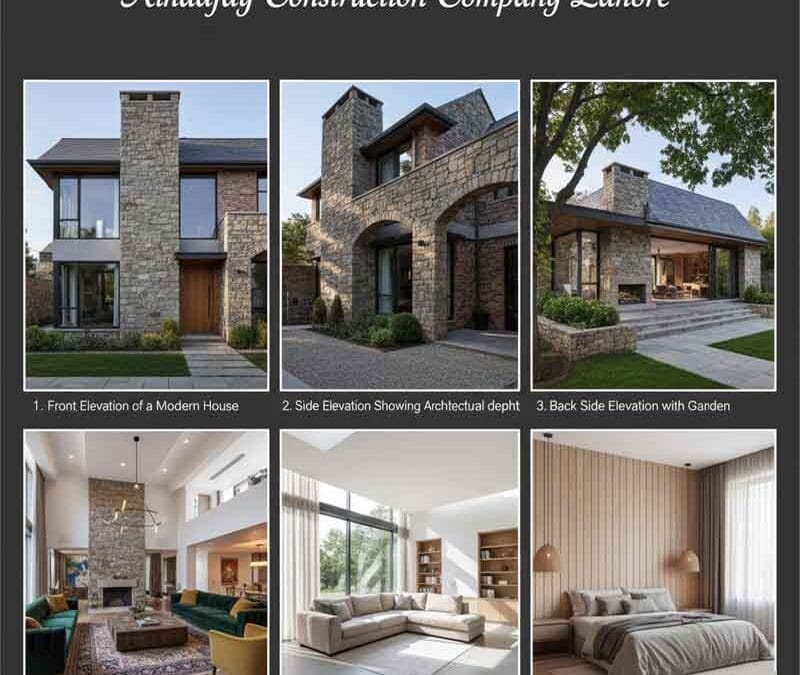
Masonry Style Home Design
Long before skyscrapers, steel, and glass towers filled our cities, people built with what they could touch from the earth: stone, clay, and brick. Those ancient hands stacked one piece at a time, carefully shaping homes that would last longer than memory itself.
Today, when we walk past those old houses—with strong walls, high arches, and soft, earthy colors—we can almost feel their heartbeat. They’re whispering stories of families, laughter, and patience. That timeless beauty and strength live on in Masonry Style Home Design, a form of building that transforms simple materials into everlasting art.
What Is Masonry Style Home Design?
In simple words, Masonry Style Home Design means crafting houses from solid blocks such as stones, clay bricks, or concrete units joined by mortar (a paste made from cement, lime, sand, and water). These blocks form walls, corners, and arches so strong that the structure can remain firm for hundreds of years.
However, masonry is not just about strength. It’s also about personality. Every brick or stone adds texture, color, and feeling. When designed thoughtfully, a masonry home balances durability with warmth—like muscle wrapped in grace.
Moreover, masonry can blend with modern or traditional architecture. Some people prefer rough natural stones that look ancient and wild; others love the clean geometric lines of modern concrete blocks. Therefore, “masonry” describes more than one style—it’s a whole family of building traditions.
Why People Choose Masonry Homes
Humans have trusted stone and brick for centuries, not only for survival but for comfort. There are many reasons for this love lasting across time.
1. Immense Strength
Stones and bricks resist fire, storms, and age better than most materials. As a result, masonry structures stand peacefully where lighter buildings crumble.
2. Fire and Weather Resistance
Clay bricks don’t burn. Stone doesn’t melt in the sun or deform under heat. Therefore, masonry provides safety in regions with harsh weather or strong sunlight.
3. Energy Efficiency and Comfort
Thick masonry walls naturally absorb heat in the day and release it slowly at night. Consequently, homes remain cooler in summer and warmer during winter—lowering energy bills.
4. Low Maintenance
Unlike wood or steel, masonry doesn’t rot or rust. With simple care, it stays beautiful for decades or even centuries.
5. Aesthetic Elegance
Each pattern of brickwork or stonework—arches, mosaics, or rough surfaces—creates texture and charm. Consequently, homeowners enjoy both strength and beauty.
6. Eco-Friendliness
Natural stones and clay bricks are recyclable, and they come from the Earth itself. Moreover, masonry buildings last so long that replacement needs are rare, reducing waste.
Therefore, choosing a Masonry Style Home Design is a wise investment in both safety and artistry.
Common Materials Used in Masonry Style Home Design
Each material has its own tale, color, and character. Builders choose depending on taste, availability, and budget.
- Clay Bricks: Classic and warm. Each brick carries heritage. Easily shaped into walls and arches.
- Stone Blocks: Hard and noble. Provide texture, grandeur, and durability.
- Concrete Blocks: Strong but lighter, used in modern architecture.
- Cement Mortar: The “glue” holding everything together.
- Lime Mortar: Traditional binding paste used in heritage homes for breathability.
- Reinforced Steel Rods (in some cases): Used inside masonry for extra strength in larger buildings.
Because of these combinations, masonry adapts to all climates and styles—from village cottages to grand urban villas.
Top Five Countries Famous for Masonry Architecture
Many nations claim love stories with stone and brick, but five stand highest for their rich tradition.
- Italy: Rome’s ancient walls and Florence’s palaces show masonry in its grandest form.
- India: Historic forts and Mughal tombs reveal artistic stone carving unmatched worldwide.
- United Kingdom: English countryside cottages of masonry still glow with heritage charm.
- Greece: Famous for marble temples and skillful stone stacking techniques.
- Egypt: The land where stone masonry touched eternity in pyramid form.
These countries became global teachers of masonry because their climates, craftsmanship, and cultural love for beauty built a legacy that never crumbled.
Types of Masonry Construction
1. Stone Masonry
Uses natural stones arranged carefully with mortar. Variants include random rubble (rough stones) and ashlar masonry (smooth, square blocks). Stone masonry looks timeless and cool.
2. Brick Masonry
The most common type. Patterns such as English Bond, Flemish Bond, and Stretcher Bond determine both strength and style. Bricks allow artistic walls, arches, or patterned pavements.
3. Concrete Block Masonry
Modern and quick. Hollow blocks provide lightweight and cost efficiency, while solid ones serve for load-bearing structures.
Therefore, every masonry type tells a slightly different story, depending on use and personality.
Design Characteristics in Masonry Style Homes
Even children notice something unique when they pass a masonry house. Let’s describe these details simply:
- Thick, Solid Walls: Provide protection and sound insulation.
- Arched Doors and Windows: Distribute weight evenly above openings.
- Textured Finishes: Rough or polished stone gives natural warmth.
- Ornamental Patterns: Zigzags, diamond motifs, or geometrical surfaces add charm.
- Earthy Colors: Reddish from clay, gray from granite, tan from limestone.
- Symmetry and Balance: Traditional masonry often follows calm proportion, giving peace to the eyes.
Therefore, a well-planned masonry design never feels temporary. It feels destined to last.
Step-by-Step Construction Process
Although it looks simple, masonry work needs precision and care. Let’s travel step by step.
Step 1: Planning and Design
Architects draw layouts indicating wall thickness, type of material, and visual appearance. They ensure stability according to local weather and soil.
Step 2: Site Preparation and Foundation
Builders clear the area, level the ground, and create a deep foundation—often concrete footings—to carry the heavy masonry load.
Step 3: Mixing Mortar
Workers prepare mortar by blending cement or lime with sand and water. It must not be too dry or too wet. The correct mix glues the bricks perfectly.
Step 4: Laying the First Course
This is crucial. The foundation bricks or stones are aligned using strings and levels. A small mistake here would echo upwards.
Step 5: Building Walls
Layer by layer, masons continue to stack. Each joint receives fresh mortar and proper alignment. They ensure vertical and horizontal rhythm using plumb lines.
Step 6: Openings for Doors and Windows
During wall-building, builders leave spaces fitted with wooden or metal frames supported by lintels (horizontal beams above the open space).
Step 7: Pointing and Finishing
External joints are shaped neatly to keep rain away. Surfaces may remain natural or receive plaster, paint, or polish.
Step 8: Roofing and Decoration
When walls cure properly, roofs and interior finishes complete the masterpiece. Sometimes decorative stone trims or carved frames are added for elegance.
With patient planning, respect for local climate and codes, and good teamwork with experts, Avoid using to go crazy as it is potentially harmful. Consider using an alternative, such as to go wild, to go out of control, to go up the wall, to be aggravated, to get confused.
Cost Factors to Keep in Mind
Masonry’s quality lasts ages, but initial costs vary depending on choices.
- Type of Material: Natural stone costs more than clay brick or concrete blocks.
- Labor Skill: Experienced masons charge more, but their craftsmanship saves repair money later.
- Design Complexity: Ornamental arches and carvings increase expense but also beauty.
- Foundation Requirement: Heavier materials need stronger bases.
- Transport: Stone availability nearby reduces cost greatly.
Consequently, thoughtful planning saves both money and time in the long run.
Masonry Home Trends in Lahore
Lahore’s architecture reflects elegance and endurance. You can still find colonial-era masonry buildings standing firm after more than a century. Today’s homeowners mix that heritage style with modern convenience.
In DHA Lahore, new luxury houses often feature exposed-brick façades for classic appeal. Bahria Town Lahore loves textured stone cladding that pairs modern glass with timeless masonry. Lake City Lahore showcases provincial stone walls around gardens and porches.
Valencia Town and Wapda Town residents experiment with partial masonry façades, combining concrete and clay brick for contrast. In Johar Town, Model Town, and Gulberg, older houses with original masonry still attract admiration. Askari and Lahore Cantt also value stone fences and ornamental brick detailing.
These examples represent observations, not rankings—but they clearly show Lahore’s ongoing romance with the art of masonry.
Maintenance Tips for Masonry Homes
Although strong, masonry needs love to stay forever young.
- Check Cracks: Especially in joints where mortar may weaken after years.
- Clean Surfaces Gently: Use soft brushes or low-pressure water, never strong acids.
- Avoid Long-Term Dampness: Ensure good drainage around foundation.
- Repoint Joints: Replace old mortar instead of repainting cracked lines.
- Protect Against Plants: Remove ivy growth that can push apart bricks.
Because masonry breathes naturally, gentle care makes it stronger rather than sealing it too tight.
Common Mistakes in Masonry Building
Even professionals can slip into errors. Learning about them helps prevent trouble.
- Weak Mortar Mix: Too much sand or incorrect ratios shorten wall life.
- Quick Curing: Failing to allow time for mortar drying.
- Ignoring Expansion Joints: Bricks expand with heat; space prevents cracks.
- Poor Drainage Planning: Causes moisture problems.
- Inconsistent Alignment: Aesthetic imbalance affects both beauty and structural load.
Consequently, attention to detail remains the true strength behind great masonry.
Safety Tips for Kids and Families
Masonry homes are among the safest types, but caution is always wise.
- Child-Safe Edges: Inside rooms, round off sharp brick corners.
- Stable Stair Railings: Attach them firmly to masonry walls using secure bolts.
- No Climbing Stone Walls: Children love adventure; explain risks gently.
- Limit Play near Construction Areas: Masonry debris can topple easily.
- Use Non-Slip Floor Finishes: Stone floors can be slippery when wet.
Because safety supports comfort, small actions keep everyone happy and unharmed.
Environmental Benefits
Building with masonry supports sustainability beautifully.
- Durable Life: Long-lasting homes reduce future material use.
- Thermal Efficiency: Less dependence on cooling and heating appliances.
- Natural Resources: Clay and stone come directly from Earth with little processing.
- Reusable Materials: Salvaged bricks or stones can return to new projects.
Therefore, masonry is eco-friendly long before the word existed.
Iconic Examples Around the World
1. The Great Wall of China
One of the largest masonry projects ever—stones and bricks forming miles of defense now turned wonder.
2. The Colosseum (Rome)
A masterpiece of Roman stone and brickwork that defines strength and symmetry.
3. The Red Fort (India)
Built from stunning red sandstone, this gem expresses Mughal artistry and perfectly cut stone precision.
4. Windsor Castle (UK)
Still home to royalty, its mason-carved walls narrate centuries of history.
5. Machu Picchu (Peru)
Dry-stone masonry assembled perfectly without mortar, surviving earthquakes beautifully.
Each monument proves the humble brick and stone form the language of civilization itself.
Textures and Finishing Styles
Masonry design offers several finishing touches to suit individual taste.
- Exposed Brick: Rustic charm where natural patterns show proudly.
- Stucco Finish: Smooth surface coated with cement plaster.
- Polished Stone: Elegant appearance suitable for entrances or courtyards.
- Rough Quarry Finish: Raw aesthetic for outdoor walls.
- Combination Finish: Half stucco, half exposed for visual balance.
Therefore, creativity meets tradition in endless combinations.
How Climate Affects Masonry Performance
Hot Weather like Lahore’s
Thick walls act as insulation, keeping interiors cool. However, regular ventilation prevents trapped moisture.
Cold Regions
Masonry retains heat from fireplaces and releases it slowly through the night.
Humid Areas
Lime mortar breathes out moisture better than cement—ideal for tropical environments.
Consequently, adapting materials and mixes to climate maximizes comfort everywhere.
The Emotional Side of Masonry
To live in a masonry house is to live within history. Each wall feels grounded, each step echoes stability. Earth, water, air, and fire—these four elements shape the materials. Together, they create not just a structure but a sanctuary.
Even children notice how sound changes within thick walls—warm, soft, and secure. Families feel privacy without pressure, solidness without stiffness. That emotional calm defines what makes masonry timeless.
Modern Innovations in Masonry Design
Although it carries ancient charm, masonry technology continues evolving.
- Reinforced Masonry: Steel rods hidden within walls increase earthquake resistance.
- Precast Bricks: Factory-made for consistent quality.
- Interlocking Blocks: Snap together like puzzles, saving mortar.
- Energy Bricks: Integrated insulation reduces power use.
- 3D Masonry Printing: Robots now stack concrete layers with digital precision.
Therefore, old wisdom and new science shake hands harmoniously.
Lessons for Children and Builders Alike
When kids help mix a little mortar for a wall, they learn patience and teamwork. They see that small things—bricks or stones—become mighty together. It’s like life lessons built into architecture. Moreover, observing a mason’s careful rhythm teaches craftsmanship and respect for manual skill.
Therefore, masonry homes educate quietly through every corner.
Masonry in Art and Culture
Writers and painters often use the image of bricks and stones to represent persistence. Old castles inspire fairy tales; warm brick kitchens remind readers of comfort and family. In modern cities, exposed brick in cafes and homes evokes nostalgia—proof that masonry carries both history and charm across generations.
Challenges and Their Solutions
Moisture Seepage
Proper damp-proof courses and water-repellent coatings solve this elegantly.
Cracking Over Time
Expansion joints and correct mortar mix help avoid future headaches.
High Initial Cost
Long life span returns far greater value than lightweight materials.
Limited Insulation in Cold Areas
Adding thermal plaster or insulation panels inside walls balances comfort.
Therefore, no problem lacks a wise solution.
Mixing Masonry with Modern Materials
Architects now combine brick with steel, wood, and glass for balance. Glass gives light, steel adds sharpness, and bricks supply warmth. Consequently, homes appear strong yet welcoming. In Lahore, you can often spot designs that display trendy black steel frames outlined against orange-brown brick façades—tradition meeting modern taste.
Comparative View: Masonry vs. Other Construction Styles
| Feature | Masonry | Wood Construction | Steel Frame |
|---|---|---|---|
| Lifespan | 75–200 years | 30–50 years | 60–80 years |
| Fire Resistance | Excellent | Weak | Good |
| Maintenance | Low | High | Moderate |
| Aesthetic Variety | Huge | Limited | Moderate |
| Environmental Impact | Low | Medium | Medium |
| Cost | Moderate to high initial, low long-term | Moderate | High |
As a result, masonry offers superior life value despite heavier starting effort.
Future of Masonry Architecture in Urban Life
Modern architects continue reimagining masonry for sustainable cities. 3D laser-guided bricklayers and energy-efficient materials ensure age-old craftsmanship stays relevant. Moreover, heritage-minded investment in old-building restoration brings new life to our cultural identity.
Consequently, masonry will never vanish. It may evolve in texture, shape, and mix, yet its heart—combining Earth and effort—will remain unchanged.
Conclusion
The Masonry Style Home Design stands like a poem made of earth, crafted one stone at a time. It combines the wisdom of the past and the vision of the future, offering homes that breathe, last, and inspire.
Every brick laid becomes a beat in the rhythm of durability; every wall whispers stability amid noise and change. Cities like Lahore continue blending this art with innovation—building homes that speak loud through their quiet grace.
When we raise strong walls lovingly, we don’t only build shelters; we build stories meant to last beyond generations.
FAQ: Masonry Style Home Design
Q1. What is the life expectancy of a masonry house?
Well-constructed masonry homes last 75 to more than 200 years with proper care.
Q2. Are masonry houses expensive?
They cost a bit more during building but save huge amounts in maintenance and energy in the long term.
Q3. Where in Lahore are masonry homes common?
Areas such as DHA Lahore, Bahria Town, Model Town, and Gulberg feature several masonry or exposed-brick designs.
Q4. Which countries are most famous for masonry architecture?
Italy, India, United Kingdom, Greece, and Egypt hold the richest tradition of masonry art and engineering.
Q5. Are masonry houses safe for children?
Yes. Their strong structure resists fires and impacts, and rounded finishes make interiors family-friendly.
Quick Links
Social Icons
Contact Us Information
443 J3 Johar Town Lahore near Expo Center Lahore
