
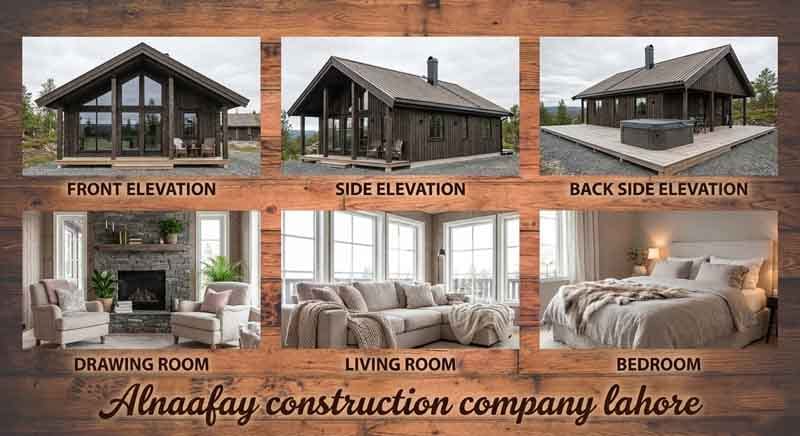
Nordic Cabin House for female
What is a Nordic Cabin House for female? (Scandinavian women’s cabin explained)
A Nordic Cabin House for female is a small or medium home guided by Scandinavian design values and adapted to the needs of girls and women. Think of soft light, pale timber, warm textiles, and thoughtful storage with a strong sense of safety. Although the look stays minimalist, the plan focuses on privacy, secure entries, and spaces that support rest, work, and wellness.
Key features you will notice
- Light-filled rooms with well-placed, energy-smart windows.
- Timber floors and ceilings with clean lines and rounded edges where possible.
- A compact mudroom for boots, coats, wet gear, and school bags.
- A kitchen designed for easy cooking and safe storage.
- Quiet bedrooms with layered curtains and soft lighting.
- A small sauna or spa corner where climate and budget allow.
- Clear safety layers: secure doors, layered lighting, and simple smart tech.
While the style is restrained, it is never cold. Natural textures and warm lighting make the cabin feel alive and welcoming.
Where is this design most famous? (Nordic cabin countries and global reach)
Nordic cabin culture is strongest in Scandinavia. Norway, Sweden, and Finland lead the way: hytte in Norway, stuga in Sweden, and mökki in Finland. Weekend escapes, forest hideaways, and lakeside cottages have been part of life for generations. Denmark and Iceland also contribute ideas, especially in light, wood-first interiors and weather-smart details.
Outside the Nordic world, similar cabins appear in:
- Canada and the United States (Pacific Northwest, New England, upper Midwest, and mountain towns).
- Scotland and rural England, where timber and stone cabins fit the land.
- Japan’s northern regions, where cold-climate strategies overlap with Scandinavian logic.
- Alpine parts of Central Europe that mix timber with strong insulation.
Therefore, if you want a single-name answer to “which country is this design most famous in,” Norway often comes first because of its deep hytte tradition. Even so, Sweden and Finland are just as influential, and many details travel well across countries with winter and woods.
Core values behind a Nordic Cabin House for female (hygge, lagom, and friluftsliv)
Three ideas guide the feel and function of a women-focused Scandinavian cabin.
Hygge: cozy comfort
- Warm lights, soft textiles, and friendly seating.
- Tea corners, reading nooks, and gentle music.
- Shared time near a safe fire or a candle handled with care.
Lagom: “just right”
- Not too much and not too little.
- Enough storage to avoid clutter.
- Balanced rooms that do one or two things well.
Friluftsliv: life outdoors
- Decks, trails, and easy access to trees and water.
- Big windows toward nature, small ones toward neighbors.
- A mudroom that catches mess so rooms stay calm.
Because these values support health and peace, families benefit even during busy weeks. In addition, simple shapes and natural materials keep cleaning quick and easy.
Nordic Cabin House for female: safety-first, women-first principles
- Start with safety at the front door. Clear sightlines, layered locks, good lighting, and smart cameras at entries reduce worry.
- Next, protect privacy. A small foyer or screen near the door stops strangers from seeing the whole cabin.
- Then, support wellness. A yoga spot, a reading window seat, and a warm bath with a bench or a compact sauna bring balance to daily life.
- Finally, manage noise. Acoustic panels, rugs, and soft furnishings keep conversations easy and sleep deep.
Because these steps are simple yet powerful, they transform how the cabin feels. Consequently, even compact spaces can feel generous and kind.
Site planning for a Scandinavian women’s cabin (sun, wind, snow, and neighbors)
Comfort begins outdoors. If the cabin meets the land with care, interior life becomes smooth.
Orientation
- Invite morning light into the kitchen and lounge.
- Protect west sides from hot afternoon sun with trees, screens, or smaller windows.
- Aim big glass toward views, but pair it with effective shades.
Wind and shelter
- Place entries on the calm side of the cabin.
- Use fences or plantings to break cold winds.
- Position outdoor seating where breezes feel gentle.
Snow and rain
- Shape roof slopes to drop snow safely away from doors.
- Add gutters sized for storms and heat-trace lines where ice can form.
- Keep exterior steps shallow, evenly lit, and non-slip.
Privacy and neighbors
- Angle windows toward trees and water, not directly into nearby homes.
- Add screens at decks so laughter travels less.
- Set the hot tub or sauna door away from public views.
Because every site differs, walk the plot at morning, noon, and evening before fixing the plan. Furthermore, photograph sun and shade to guide window sizes and roof overhangs.
Codes, permits, and safety layers
Local rules protect people and nature. Respecting them also protects your budget and schedule.
- Confirm setbacks, heights, floor-area limits, and fire rules.
- Check septic and well rules, or confirm municipal services.
- Verify snow loads, wind exposure, and seismic zones.
- Ask about shore protection if near a lake or river.
- Record wildlife corridors and protected trees before clearing anything.
Although paperwork can feel slow, early clarity prevents work from going out of control later. Moreover, engineers size beams, insulation, and foundations confidently when code data is complete.
Scandinavian women’s cabin layout patterns (Nordic Cabin House for female ideas)
Different lives need different shapes. Several patterns fit well and can adapt over time.
A) Women-focused micro cabin (tiny Scandinavian retreat)
- One open living zone with a fold-down table and sofa bed.
- A compact kitchen wall with a two-burner induction and tall pantry.
- A wet bath with a bench and heated floor.
- A sleeping loft reached by a safe, gently angled stair.
- A micro-mudroom cabinet at the door for coats and boots.
Although tiny, this Nordic Cabin House for female supports solo retreats and short stays for two. Additionally, real storage keeps daily life from getting confused.
B) Family-size Nordic Cabin House for female (women and kids)
- Two bedrooms plus a flex room for nursery or study.
- Open kitchen-lounge facing a deck under a deep overhang.
- Mudroom with bench, cubbies, and a drying cabinet.
- Bathroom with a tub and separate shower; optional compact sauna.
- Laundry niche with quiet machines and a folding counter.
Because chores move faster with good storage, this plan keeps stress low. Consequently, weekends feel restful instead of rushed.
C) Women’s group retreat: friends, wellness, and workshops
- Bunk room with privacy curtains and individual reading lights.
- Main lounge with a wood stove and floor cushions.
- Yoga or craft studio with locking storage for supplies.
- Two baths with multiple vanities for convenience.
- Outdoor fire circle with wind protection and safe paths.
Although group cabins can go wild with noise, acoustic panels and thick rugs keep voices soft. Furthermore, a phone-free zone around the fire helps conversations feel kind and focused.
D) Work-from-woods women’s cabin (quiet productivity)
- Office with daylight from the side, not straight into the eyes.
- Sound insulation around the workspace and door seals for calls.
- A small kitchenette for tea and healthy snacks.
- Short indoor walking loop for thoughtful breaks.
- Covered porch bench for fresh-air thinking.
Because deep work needs calm rhythms, this plan supports focus and quick recovery. As a result, creative tasks flow more easily.
Comfortable room sizes that fit Nordic cabins
- Living or family room: about 14 × 16 ft or 15 × 18 ft.
- Dining: near 10 × 12 ft or 11 × 13 ft.
- Kitchen: roughly 10 × 12 ft; back kitchen 6 × 8 ft if heavy cooking is common.
- Bedroom: commonly 10 × 12 ft or 12 × 14 ft; a modest master can be larger.
- Bathroom: 6 × 8 ft or 7 × 9 ft; sauna room around 6 × 6 ft minimum.
- Mudroom: 5 × 8 ft with bench and tall storage.
- Stair width: 3.5–4 ft with gentle risers.
Numbers change with codes and climate. Therefore, finalize after checking local rules and energy standards.
Materials and structure (timber, CLT, SIPs, and logs)
Nordic cabins love wood. Structure, however, must match weather and time.
Timber frame and stick-built walls
- Familiar to most builders and easy to repair.
- Works well with high-performance insulation.
- Flexible for future changes.
CLT (cross-laminated timber) and glulam
- Strong, fire-safe mass timber when detailed correctly.
- Exposed wood can become the interior finish.
- Factory-made panels speed construction with less waste.
SIPs (structural insulated panels)
- Excellent thermal performance and airtightness.
- Quick assembly with careful joint sealing.
- Best with skilled installers and a well-planned service cavity.
Log or half-log systems
- Warm look with thick walls and deep eaves.
- Needs careful settling allowances and air sealing.
- Best in dry-cold climates with proper overhangs.
Because cold climates punish weak envelopes, prioritize airtightness, insulation, and good windows before fancy decor. Moreover, plan continuous ventilation so fresh air moves without drafts.
Thermal envelope basics for a Nordic Cabin House for female
Insulation
- Roof: aim high (R-50 to R-70 or local equivalent).
- Walls: robust layers (R-20 to R-30+ depending on region).
- Floor: insulate slabs and crawl spaces to stop cold rising.
Air sealing
- Continuous air barrier around the whole cabin.
- Gasketed outlets plus careful sealing at penetrations.
- Blower-door testing to verify performance.
Windows and doors
- Double or triple glazing with low-e coatings.
- Warm-edge spacers and insulated frames reduce condensation.
- Quality seals and multi-point locks for security and comfort.
Because heat escapes through leaks, air sealing often gives more comfort than extra insulation alone. Consequently, bills drop and rooms stay quieter.
Heating, cooling, and ventilation (quiet, efficient comfort)
Quiet comfort helps everyone relax. Pick systems that match climate and cabin size.
Heating
- Mini-split heat pumps for efficiency; choose cold-climate models in harsh winters.
- Wood stove for mood and backup heat with safe clearances.
- Hydronic radiant floors for even warmth and happy feet.
- Electric radiant mats in bathrooms for quick comfort.
Cooling
- Cross ventilation and night purging in mild summers.
- Heat pump cooling during hot weeks.
- Exterior shades to block heat before it enters.
Ventilation
- HRV/ERV units bring fresh air while saving heat.
- Kitchen hoods vent outside to remove moisture and odors.
- Quiet bath fans with timers keep humidity under control.
Although machines help, design for shade and airflow first. Therefore, systems can be smaller and cheaper to run.
Safety and security details for a women-first Nordic cabin
Feeling safe matters as much as being safe. Layers of protection work best.
Entry and approach
- Motion lighting along the path and porch.
- A camera doorbell with clear audio and recording.
- A foyer that blocks views into private rooms.
Doors and windows
- Solid-core doors with multi-point locks.
- Laminated glass at vulnerable windows and doors.
- Lockable screens for night ventilation when safe.
Inside the plan
- Bedrooms tucked away from public views.
- A safe box for documents and valuables.
- An emergency mode on smart devices for quick alerts.
Outdoors
- Fencing or hedges to define private zones.
- House number visible from the lane for emergency services.
- Non-slip paths with handrails where slopes are steep.
Because these moves are calm and simple, they reduce stress without turning life into a watch list. Consequently, the cabin remains friendly and free.
Women’s wellness features (sauna, bath, rest, and renewal)
Sauna and cold rinse
- Finnish culture shows how a small sauna supports health.
- A shower, bucket, or outdoor rinse completes the cycle.
- Ventilation and moisture control keep the rest of the cabin dry.
Bathing that restores
- Deep tub or walk-in shower with a bench.
- Handheld shower for easy cleaning and hair wash.
- Heated towel rail and floor for winter happiness.
Retreat corners
- Window seat with a cushion and a shelf for books.
- Yoga mat niche with a soft wall and dimmers.
- Craft table with locking drawers for tools and paint.
Although these are small items, they anchor good routines. As a result, mornings and evenings gain a rhythm that keeps energy steady.
Kitchen and pantry designed for everyday safety
Layout
- A working triangle between sink, cooktop, and fridge.
- At least one clear counter between sink and stove.
- A pantry with pull-out trays for easy access.
Safer cooking
- Induction cooktop that cools quickly and avoids open flames.
- A range hood vented outdoors.
- Anti-scald valves and safe pot placement.
Storage that works
- Knife drawer with a lock; magnetic strip out of children’s reach.
- Heavy items in waist-height drawers to protect the back.
- Fire blanket and small extinguisher within reach.
Because a calm kitchen reduces accidents, meal time stays peaceful. Furthermore, cleaning takes less time when surfaces are simple and durable.
Bathrooms and dressing for women-focused living
Layout
- Separate dry zone for dressing and makeup.
- Shower with a seat and a ledge for foot care.
- Niches for toiletries so bottles do not fall.
Comfort
- Heated floors for winter.
- Warm, even lighting at mirrors with side sconces.
- Quiet fan with a humidity sensor.
Storage
- Drawers for personal items; lockable options in shared retreats.
- Discreet shelf and bin for period products.
- Hooks, rods, and baskets sized to real clothes and towels.
Although details look small, they show care and reduce daily friction. Therefore, routines flow smoothly.
Mudroom, laundry, and gear (the unsung heroes)
Mudroom
- Bench with shoe storage, tall lockers, and a tray for wet boots.
- Hooks at two heights for kids and adults.
- Floor drain and washable surfaces.
Laundry
- Side-by-side machines with a folding counter.
- Drying cabinet or rail for wet winter gear.
- Shelf for soaps and a sink for hand-wash items.
Gear storage
- Wall panels for skis, paddles, and backpacks.
- Locking exterior box for firewood and tools.
- Charging shelf for headlamps, radios, and power banks.
Because these zones catch mess at the door, the rest of the cabin stays serene. Consequently, cleaning time shrinks.
Landscape and outdoor living (Nordic garden and patio ideas)
Outdoor rooms double the cabin’s life. Planting, paving, and water features add scent and sound.
Plant palette
- Native shrubs and grasses for low maintenance.
- Berry bushes and herbs near the kitchen.
- Trees placed for summer shade and winter sun.
Hardscape
- Timber or composite decks with non-slip texture.
- Gravel paths that drain quickly and feel pleasant underfoot.
- Low walls and benches along patios.
Water and fire
- Small, safe fire bowl with a spark screen.
- Hot tub near the bath for quick drying.
- Proper waterproofing and nearby hose bibs.
Because outdoor rooms host family life, design lighting and power points early. Additionally, place a storage chest for blankets and cushions to invite evening talks.
Sustainability that fits Nordic cabins (passive comfort first)
Green choices are natural in Scandinavian design. Passive comfort comes first.
Passive steps
- Shade big windows; open small ones for cross breeze.
- High insulation and careful air sealing.
- Light exteriors to reflect heat.
Efficient systems
- Cold-climate heat pumps and HRV/ERV ventilation.
- LED lighting with dimmers and motion sensors in utility areas.
- Smart thermostats with simple schedules.
Water-wise choices
- Low-flow fixtures that still feel good.
- Rainwater barrels for garden use where allowed.
- Greywater reuse if codes permit.
Materials
- FSC-certified wood and low-VOC paints.
- Mineral wool insulation or other low-tox options.
- Durable finishes that age gracefully.
Because each layer reduces waste, the cabin stays healthy and cheap to run. Consequently, energy bills do not go up the wall.
Low-carbon building choices (budget-savvy and earth-kind)
Structure
- Mass timber or engineered wood instead of higher-carbon materials where feasible.
- Simple forms reduce offcuts and errors.
Finishes
- Natural oil or soap finishes on wood.
- Linoleum or cork flooring where suitable.
- Recycled-content tiles and metals.
Supply chain
- Local materials to cut transport emissions.
- Fewer, better items rather than many low-quality pieces.
Although perfection is not required, steady improvements add up. Therefore, start with the envelope and build outward.
Acoustic comfort and privacy inside a Nordic Cabin House for female
Sound control
- Insulate bedroom walls and bathroom partitions.
- Soft rugs and curtains in shared rooms.
- Door sweeps and seals where quiet matters.
Zoning
- Place noisy rooms (kitchen, lounge) away from sleep spaces.
- Add a small quiet room for calls or reading.
- Use bookshelves as double-duty acoustic screens.
Because rest fuels joy, quiet rooms help everyone feel better. As a result, weekend recovery is real.
Lighting layers for mood and focus
Daylight
- Side-lighting windows to avoid glare.
- Skylights with blinds where privacy is tough.
Evening lighting
- Warm ambient lights in lounge and bedrooms.
- Task lights under cabinets and at desks.
- Accent wall sconces to highlight art or wood grain.
Controls
- Dimmers for evening calm.
- Night lights in halls and baths for safe walks.
- Outdoor timers and sensors to save energy.
Although small, lighting choices shape feelings. Therefore, plan circuits and switch locations early.
Smart tech that helps but does not overwhelm
Security and access
- Smart lock plus mechanical key backup.
- Video doorbell and two exterior cameras.
Comfort and efficiency
- Thermostat scenes for “away,” “sleep,” and “return.”
- Water-leak sensors near laundry, baths, and sinks.
Connectivity
- Cell booster or satellite internet in remote areas.
- Simple offline music and reading for quiet nights.
Because too much tech can make people get confused, pick a few tools you will truly use. Consequently, the cabin stays calm rather than blinking with alerts.
Budget planning and cost control for a Nordic Cabin House for female
Money stress can make projects go wild. A clear structure keeps work steady.
Main cost buckets
- Structure: foundations, frame, roof, and envelope.
- Windows and doors: double/triple glazing and secure hardware.
- Interiors: flooring, cabinets, lighting, and fixtures.
- Services: HVAC, plumbing, electrical, and ventilation.
- Site and landscape: driveway, decks, planting, and drainage.
- Professional fees: architect, engineers, permits, and inspections.
- Contingency: 8–10% for surprises.
Ways to save without losing the look
- Keep the shape simple; every corner adds cost.
- Use local pine or spruce with protective finishes.
- Limit feature stone to the entry or fireplace.
- Choose mid-range fixtures that last, not flashy trends that fade.
- Build storage into walls to avoid costly furniture.
Although finishes tempt many owners, envelope quality and windows bring daily comfort. Therefore, spend first on insulation, airtightness, and glazing.
Step-by-step project timeline (from idea to move-in)
- Pre-design and research
- Survey the site and gather climate data.
- Confirm codes, snow loads, wind exposure, and utilities.
- Write a short brief with safety, wellness, and storage goals.
- Concept design
- Place rooms for sun, wind, and views.
- Sketch decks, overhangs, and a safe entry.
- Test furniture layouts and storage sizes.
- Design development
- Select structure (stick, CLT, SIPs, or log).
- Finalize window sizes and shading devices.
- Choose finishes and color palette.
- Permits and approvals
- Submit drawings and respond to comments.
- Coordinate septic or utility connections.
- Book inspections and energy tests.
- Structure and envelope
- Build foundations and frame.
- Install windows, doors, and weather barrier.
- Insulate and air-seal; run a blower-door test.
- Services
- Rough-in plumbing, electrical, HVAC, and ventilation.
- Pressure-test pipes; verify earthing and surge protection.
- Place exhaust vents and fresh-air inlets.
- Finishing
- Fit cabinets, floors, tiles, and fixtures.
- Paint or oil interior wood.
- Build decks, railings, and exterior stairs.
- Handover
- Create a snag list and track fixes.
- Test smoke/CO alarms, pumps, and fans.
- Clean deeply and move in.
Because weather and supply chains shift, add buffer time. Furthermore, weekly site meetings prevent small issues from going out of control.
Winterization and off-season care
Pipes and water
- Insulate and heat-trace vulnerable lines.
- Drain outdoor taps and winterize if leaving for weeks.
- Keep a small freeze-protect heat setting.
Roof and snow
- Use snow guards where slides could be dangerous.
- Clear heavy loads if structure demands.
- Inspect after big storms.
Power and alarms
- Battery backup or generator for outages.
- Remote temperature and leak alerts.
- Spare filters and ice-melt for paths.
Although off-season tasks feel dull, they protect the cabin. Consequently, spring arrivals bring smiles instead of repairs.
Maintenance routines that keep a cabin calm
Quarterly
- Clean gutters and downpipes.
- Check door and window seals.
- Vacuum HRV/ERV filters.
Twice a year
- Oil or soap-finish interior wood.
- Inspect roof flashing and fasteners.
- Test smoke/CO detectors and replace batteries.
Annually
- Sweep chimney or stove flue.
- Reseal decks and check railings.
- Review the emergency kit and replace expired items.
Because water and fire are the main risks, focus on leaks and heating safety first. As a result, the cabin stays healthy for years.
Common mistakes in women-focused Scandinavian cabins (and easy fixes)
Too much glass without shade
- Add deep overhangs and exterior screens to tame heat and glare.
Skipping airtightness
- Drafts ruin comfort. Seal carefully and test performance.
No mudroom
- Dirt spreads fast. Include a bench, hooks, and a tray for wet boots.
Under-sized storage
- Clutter takes over. Plan tall cabinets and under-bed drawers.
Dark interiors
- Use pale woods, warm whites, and layered lighting to keep rooms bright.
Safety shortcuts
- Weak locks or poor lighting raise stress. Upgrade hardware and add motion lights.
Because simple fixes prevent frustration, check these early. Consequently, the project avoids going up the wall later.
Comparisons that clarify choices (Nordic vs other regional homes)
Nordic vs Alpine cabin
- Both love timber and snow-smart roofs.
- Alpine shapes tend to show heavier beams and steeper slopes.
Nordic vs Japanese minimal
- Both prefer calm, clean lines.
- Japanese cabins lean toward delicate joinery and tatami zones.
Nordic vs Turkish stone house
- Nordic cabins rely on wood, insulation, and triple glazing.
- Turkish stone houses lean on mass, shade, and stone arches in sunny regions.
- With patient planning, respect for local climate and codes, and good teamwork with experts, a Turkish stone house can become a durable, comfortable home in its climate, just as a Nordic Cabin House for female thrives in cold forests and lakesides when detailed for snow, wind, and long winters.
Frequently asked questions (Nordic Cabin House for female)
Q1: What is a Nordic Cabin House for female in simple words?
A: It is a Scandinavian-style cabin shaped for women’s safety, privacy, and wellness, with warm materials, smart storage, and calm, bright rooms.
Q2: Which country is this design most famous in?
A: Norway often ranks first because of strong hytte culture. Sweden and Finland also lead with stuga and mökki traditions that shape cabin life.
Q3: Can a Nordic Cabin House for female be off-grid?
A: Yes, if you plan solar panels, batteries, efficient heating, and water systems. An HRV/ERV keeps air fresh while saving heat.
Q4: Do big windows make it cold?
A: Not with triple glazing, warm frames, and careful air sealing. Deep overhangs control sun while keeping views.
Q5: How do I keep the project from going wild or out of control?
A: Freeze the design early, use a bill of quantities, sign a clear contract, and link payments to milestones. Weekly site meetings prevent confusion.
Q6: Is wood safe for fire?
A: Engineered timber can perform well in fire when detailed correctly. Smoke/CO detectors, safe stove clearances, and regular chimney sweeps are essential.
Q7: What women-focused features matter most?
A: Secure entry, layered lighting, lockable storage, a mudroom, quiet bedrooms, and a small wellness corner. These deliver daily comfort.
Q8: Will a sauna make the cabin damp?
A: Not if you ventilate correctly and isolate wet zones. Proper drains, fans, and door seals contain moisture.
Q9: Is a Nordic Cabin House for female kid-friendly?
A: Very much so when you add non-slip floors, gentle stairs, rounded corners, and storage at child height. Deck rails and path lights also help.
Q10: Can I blend modern minimalism with a cozy vibe?
A: Absolutely. Keep lines clean, add warm wood, and layer soft lights and textiles for a neat yet welcoming mood.
Glossary for kids and busy readers
- Hygge: a cozy feeling made by warm light and soft things.
- Lagom: not too much, not too little—just right.
- Friluftsliv: enjoying life outdoors in fresh air.
- CLT: big wooden panels made by gluing layers of wood across each other.
- SIP: panels with foam inside and strong skins outside; they make walls and roofs strong and warm.
- HRV/ERV: a machine that brings in fresh air and saves heat.
- Overhang: the part of the roof that sticks out and makes shade and shelter.
- Mudroom: a small room near the door for boots and coats.
- Low-E glass: window glass that helps keep heat where you want it.
Sample client brief for your architect (Nordic Cabin House for female)
Vision
- Build a Nordic Cabin House for female with calm, bright rooms, strong storage, and simple wellness spaces.
- Use natural materials and energy-smart systems that work in winter and summer.
Family and use
- Two adults, one child, and friends visiting on weekends.
- Work-from-woods office two days each week.
- Quiet reading nook and small sauna next to the bath.
Site
- Lakeside plot with tall pines; strong west sun in afternoon.
- Cold winters with snow; gentle summer breezes from the south.
- Road access on the north side.
Priorities
- Safety: secure entry, motion lights, camera doorbell, and clear house number.
- Comfort: high insulation, triple glazing, and HRV ventilation.
- Storage: mudroom lockers, tall pantry, and under-stair drawers.
- Wellness: sauna + outdoor rinse, yoga corner, and deep bathtub.
Budget and time
- BOQ-based contract; three quotes.
- Milestone payments tied to inspections.
- 8–10% contingency; 11–14 months total schedule.
Materials and systems
- Engineered timber frame with insulated panels.
- Metal roof with snow guards and deep overhangs.
- Mini-split heat pump plus wood stove backup.
- LED lighting with dimmers; low-VOC finishes and FSC-certified wood.
Because this brief is clear, architects can move quickly and avoid repeated revisions. Consequently, costs stay steady and schedules remain realistic.
Checklists that keep work steady
Pre-design
- Confirm setbacks, heights, snow and wind loads.
- Identify septic or municipal services and power options.
- Walk the site morning, noon, and evening; map sun and wind.
- List must-have rooms, storage, and safety features.
- Gather inspiration images for a Nordic Cabin House for female and related styles.
Design development
- Place rooms for morning light and afternoon shade.
- Fix window sizes and add overhangs or exterior screens.
- Choose structure type and insulation strategy.
- Select finishes and color palette; plan lighting circuits.
- Coordinate sauna location, drainage, and ventilation.
Construction
- Install air and vapor barriers carefully; test with blower door.
- Fit windows and doors with proper flashing.
- Run plumbing, electrical, HVAC, and ventilation; photograph routes before covering.
- Test roof waterproofing and balcony slopes.
- Verify rail heights, step nosing, and non-slip surfaces.
Handover
- Prepare a snag list and track fixes.
- Test smoke/CO alarms, pumps, fans, and heaters.
- Collect manuals and warranties.
- Review winterization steps and safety kit locations.
Troubleshooting during construction (stay calm and practical)
Hairline cracks in interior wood or plaster
- Check humidity levels. Adjust ventilation and let materials settle.
Draft near a window seat
- Inspect weatherstripping and foam around the frame.
- Re-test with a blower door if needed.
Condensation on glass
- Raise indoor temperature slightly and increase ventilation.
- Check humidity sources such as drying laundry and open aquarium tanks.
Creaking floor near a beam
- Add screws or blocking where safe.
- Use felt pads under heavy furniture to reduce noise.
Although small issues can be aggravating, steady checks and photos keep solutions clear. Therefore, tasks do not spiral out of control.
A gentle overview for kids
A Nordic Cabin House for female is a small house that feels warm in winter and cool in summer. Wood, soft lights, and cozy chairs make it friendly. Big windows show trees and water, yet good curtains keep privacy. A safe door, bright path lights, and simple locks help everyone relax. Because rooms are neat and storage is smart, toys and books do not get lost. Yoga mats roll out for stretching, and a tiny sauna warms cold toes. When it snows, the roof drops snow away from the door, and boots rest in the mudroom so floors stay clean.
Why soft language helps during building
Home projects bring many choices. People can get confused when decisions stack up. Budgets sometimes go up the wall if scope keeps growing. Teams may feel aggravated if messages stop. Instead of harsh words, calm steps keep progress steady, so no one feels pushed to go wild while trying to finish a lovely cabin.
Key takeaways to remember
- A Nordic Cabin House for female blends safety, privacy, wellness, and nature.
- Shade, insulation, airtightness, and ventilation come before big machines.
- Smart storage and a good mudroom reduce mess and stress.
- Warm wood, simple forms, and soft light make rooms kind and calm.
- Clear contracts, a bill of quantities, and weekly checks stop budgets from going out of control.
Quick Links
Social Icons
Contact Us Information
443 J3 Johar Town Lahore near Expo Center Lahore
