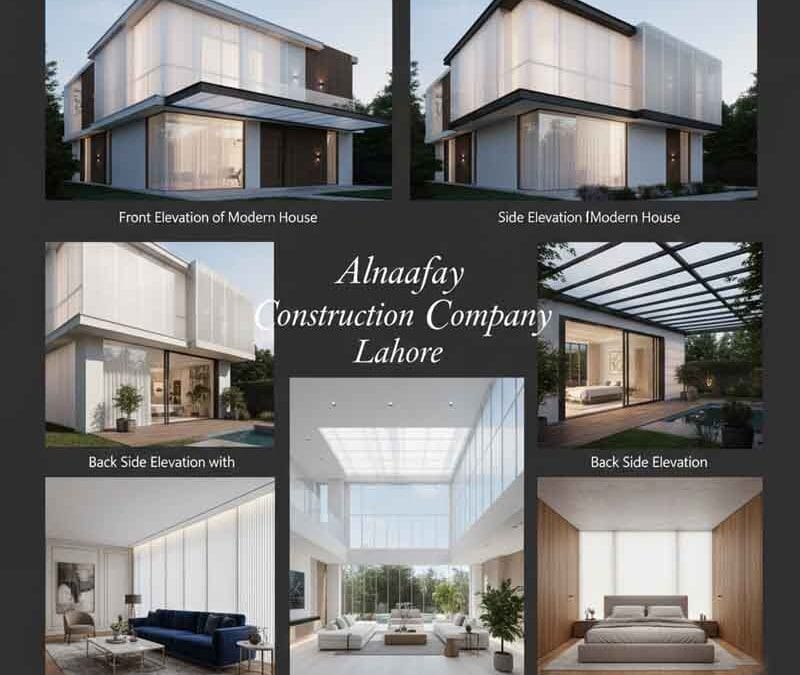
polycarbonate sheet design for house
Once upon a time, before shiny cities filled the world, homes mostly used solid roofs and thick walls that kept out rain and wind—but also blocked the sun. People worked under dim lights, missing the warmth and sparkle of daylight. Then, builders discovered glass. At first, it felt like magic: strong but still see-through. However, glass had problems—it broke easily, heated rooms too much, and cost a lot to replace.
After years of experiments, science offered a new hero for modern homes—polycarbonate sheets. These clear, strong, and flexible materials changed how sunlight enters buildings forever. Today, everywhere from Lahore to London, designers turn to Polycarbonate Sheet Design for House plans when they want roofs, walls, and courtyards that feel fresh, bright, and safe.
What Is Polycarbonate Sheet Design for House?
Imagine a roof that lets sunshine in but not heat. Picture a wall that looks like glass yet never cracks under a cricket ball. That’s the charm of a Polycarbonate Sheet Design for House.
Polycarbonate is a tough type of plastic that’s clear like glass but almost 200 times stronger. It’s light in weight, easy to curve, and resistant to sunlight, rain, and even hailstones. Builders use it for skylights, verandas, car porches, awnings, greenhouses, and sometimes entire exterior walls.
When designers plan homes with polycarbonate sheets, they create spaces filled with natural light but shielded from harsh weather. Therefore, such designs mix beauty, practicality, and science perfectly.
Why Homeowners Choose Polycarbonate Sheet Designs
Families choose this design style for many reasons that stretch from the mind to the heart.
1. Natural Light, Lower Costs
Polycarbonate sheets let sunlight into a home without making it too hot. Because of this, residents use less electric lighting during the day. Consequently, electricity bills drop, and rooms glow with healthy daylight.
2. Strength and Safety
Unlike glass, polycarbonate sheets hardly ever break. Even when hit by heavy rain or a child’s football, the surface bends slightly but rarely shatters. Therefore, families appreciate that it keeps homes sunny and safe.
3. Lightweight and Easy Installation
These sheets weigh less than glass, so builders can manage large roofing projects without heavy equipment. Moreover, they can shape or cut the sheets into stylish curves or creative patterns easily.
4. Energy Efficiency
Many types come with UV-blocking layers. Consequently, polycarbonate roofs prevent heat buildup inside rooms in summer while retaining gentle warmth in winter. Because of this, they reduce energy consumption.
5. Stylish Modern Appearance
Transparent or colored polycarbonate gives homes a futuristic charm. Architects love experimenting with shades—blue for calm patios, bronze for cozy sunlight, or clear for gardens.
Therefore, this design merges modern aesthetic value with environmental responsibility.
Materials Used in Polycarbonate Sheet Design for House
A dreamy design needs strong bones. Here’s what goes into building with polycarbonate.
- Solid Polycarbonate: As clear as glass, but almost unbreakable. Used for windows, doors, and canopies.
- Multiwall Polycarbonate: Contains air gaps inside layers—it looks like honeycomb and provides thermal insulation.
- Corrugated Polycarbonate: Wavy sheets ideal for roofing sheds or patios because water slides off easily.
- Aluminum or Steel Framework: Holds the sheets in place.
- Rubber Seals and Fasteners: Prevent leaks where sheets join.
- UV Protection Coating: Guards against sunlight damage and yellowing.
Consequently, each piece plays a part in balancing sunlight, strength, and comfort.
Top Five Countries Famous for Polycarbonate Architecture
Although polycarbonate shines globally, five nations lead in its modern architectural use.
- Japan: Japanese architects use these sheets for compact urban housing that feels open and airy.
- United States: Polycarbonate covers greenhouses, airports, and houses across sunny states like California.
- Germany: Known for precision design, Germany uses polycarbonate panels for energy-efficient homes.
- Australia: Builders here favor the material for light control under strong sun.
- United Arab Emirates: Polycarbonate helps fight heat while allowing creative curved roof designs.
These countries top the list because their different climates and innovation habits match polycarbonate’s flexibility perfectly.
Countries and Climates Where Polycarbonate Excels
Because it resists weather extremes, polycarbonate fits nearly all climates.
- Hot Regions: Prevents heat while giving light.
- Cold Areas: Reduces energy loss with insulating layers.
- Rainy Places: Non-porous surface keeps interiors dry.
- Windy Zones: Flexibility prevents damage.
Therefore, whether one lives amid Lahore’s summer heat or England’s gentle drizzle, a polycarbonate sheet fits well.
From the Architect’s Table: Planning the Design
Designing with polycarbonate sheets is as much imagination as math.
Architects first decide which parts of the home deserve extra light — maybe a living room roof, a stairwell ceiling, or a walkway covering. Then they plan the roof angle to allow rainwater to drain easily. Moreover, they match sheet colors with house themes—clear for modern, frost-white for privacy, or bronze for soft tone.
As a result, every design becomes its own little sunlit world.
Step-by-Step Construction Process
Here’s how a Polycarbonate Sheet Design for House turns from drawing to glowing daylight reality.
Step 1: Design and Measurement
Architects take measurements and prepare drawings. Because polycarbonate sheets expand slightly under the sun, builders must allow small gaps for flexibility.
Step 2: Frame Setup
A frame of steel or aluminum prepares the structure. It must be exact and smooth to avoid stress on sheets.
Step 3: Cutting and Shaping Sheets
Builders cut each sheet according to size using clean-edge blades. If curves are required, gentle heating helps shape them without breaking.
Step 4: Fixing Sheets
The sheets attach with screws, bolts, or fasteners and rubber washers. Sealing tape or silicone closes any possible gaps. Therefore, water stays outside, where it belongs.
Step 5: Ventilation and Finishing
Spaces around fittings must allow minor air movement to prevent condensation. Finally, painters clean edges, remove protective films, and admire the translucent shine.
With patient planning, respect for local climate and codes, and good teamwork with experts, Avoid using to go crazy as it is potentially harmful. Consider using an alternative, such as to go wild, to go out of control, to go up the wall, to be aggravated, to get confused.
Advantages at a Glance
- Light transmission up to 90% like glass
- 200 times stronger than glass
- Lightweight, easy to install
- Blocks harmful UV radiation
- Weather-resistant and flexible
- Safe for children—no sharp fragments if damaged
- Supports green architecture aims
Consequently, modern builders see it as a futuristic yet friendly material.
Lahore and Its Love for Sunlight Spaces
Lahore’s architecture blends tradition with trend perfectly. Recently, residents admire the comfort and style of Polycarbonate Sheet Design for House projects. Several neighborhoods reflect this shift toward bright, energy-efficient spaces.
In DHA Lahore, car porches and pergolas often use corrugated or tinted polycarbonate for shade and elegance. Bahria Town Lahore enjoys glow-roof terraces made from these sheets, matching luxury with sustainability. Lake City Lahore uses transparent verandas connecting gardens and kitchens.
Similarly, Valencia Town and Wapda Town builders cover patios with multiwall sheets for temperature balance. Johar Town, Model Town, and Gulberg often showcase rooftop lounges featuring colorful polycarbonate covers. Meanwhile, Askari and Lahore Cantt residents adopt modern skylight canopies to reduce artificial lighting.
These examples, viewed collectively, not as top-to-bottom rankings, show that Lahore homes now appreciate eco-light design widely.
Cost Factors You Should Consider
1. Material Type
Multiwall sheets cost more than single-layer ones because they provide superior insulation. However, long-term energy savings make them worth the investment.
2. Sheet Thickness
Thicker sheets resist weather better but raise price per square foot. Standard home projects use 6–10mm thickness for balance.
3. Framework Design
Roof frames of stainless steel are costlier than aluminum or painted iron. Selecting the right one depends on desired durability and budget.
4. Installation Labor
Skilled workers charge differently across cities. Complex curved roofs or large skylights need more experienced teams.
5. Additional Features
UV coatings, anti-scratch layers, or custom colors increase total cost slightly but greatly improve performance.
Consequently, although polycarbonate systems may appear expensive initially, the rewards—light, safety, and energy efficiency—make them a smart long-term choice.
Daily and Annual Maintenance Tips
Because polycarbonate is strong, it needs only gentle care.
- Wash Occasionally: Use mild soap and water with a soft cloth. Avoid rough brushes.
- Do Not Use Chemicals: Harsh solvents scratch or fade the surface.
- Check Screws Annually: Tighten fittings to maintain stability.
- Clean Drains Around Roof Edges: Prevent water pooling during rain.
- Inspect for Dust in Lahore’s Climate: Because of smog, periodic cleaning restores shine.
Therefore, with simple routines, your transparent spaces will stay bright for decades.
Common Mistakes to Avoid
- Overtightened Screws: They cause cracks around holes.
- Ignoring Thermal Expansion: Without gaps, sheets may warp under hot sun.
- Skipping UV Coating Side: Installing wrongly can reduce lifespan quickly.
- Leaving Protective Film Too Long: Once sun-baked, it becomes hard to remove.
- No Slope on Roofs: Flat surfaces collect water and dust.
Learning from others’ errors ensures a long-lived installation.
Safety Tips for Kids in Polycarbonate-Covered Homes
- Avoid Climbing Roof Areas: Even strong sheets aren’t meant for stepping.
- Handle Edges Carefully: During construction, ensure exposed corners are covered.
- Supervise Play Under New Structures: For the first few weeks, watch for dripping spots or unsecured fittings.
- Teach Safety Near Skylights: Children should not throw balls or heavy toys near them.
- Choose Anti-Shatter Grades: Use advanced safety-rated sheets for play areas.
Because families value both daylight and peace, safety planning keeps everyone secure.
Design Variations of Polycarbonate Sheet Use
1. Skylight Design
Installed on roof centers for maximum sunlight. Ideal for stairways or living rooms.
2. Awning Canopy
Curved clear roofs stretching above doors or windows. Architecturally elegant yet functional against rain.
3. Car Porch
A very popular choice in Pakistan. Polycarbonate sheets give shade, filter sunlight, and resist dust.
4. Greenhouse Roofs
Because of transparency, plants thrive without excess heat. Easy to install for home gardeners.
5. Balcony Covers
Light-diffusing sheets make balconies usable in all weather.
Polycarbonate sheet design adapts beautifully to nearly every part of a home—or even offices and cafes.
Comparing Polycarbonate with Alternatives
| Feature | Polycarbonate | Glass | PVC | Fiber Sheeting |
|---|---|---|---|---|
| Strength | Very high | Fragile | Medium | Good |
| Weight | Light | Heavy | Moderate | Light |
| Heat Resistance | Excellent | Poor | Fair | Good |
| Sunlight | Allows; UV-protected | Clear but heats | Yellow tint | Fades over time |
| Safety | Safe, unshattered | Breaks easily | Can crack | Can split |
Consequently, polycarbonate wins in flexibility and safety while maintaining elegance.
Environmental Benefits
Every polycarbonate sheet contributes to a greener future.
- Recyclable: Old panels can melt and reform into new ones.
- Less Energy Use Indoors: Natural lighting reduces electricity demand.
- Long Lifespan: Fewer replacements mean less industrial waste.
- Reusable Frameworks: Structures can relocate easily.
Therefore, this design fits perfectly into eco-conscious modern living.
Modern Architecture Examples Worldwide
1. Japan’s Transparent Houses
Architects blend art and simplicity using translucent polycarbonate façades that shine like paper lanterns at night.
2. Germany’s Solar Villages
Energy homes use clear sheets for both light and power generation, reducing dependence on artificial light.
3. USA’s Urban Greenhouses
Rooftop farming thrives under controlled sunlight filtered by polycarbonate sheets.
4. Dubai’s Luxury Parking Shades
Cars rest comfortably without fading paint under sleek arched polycarbonate shelters.
5. Singapore’s Sky Gardens
Balconies and walkways glow gently under these sheets, balancing design and climate necessity.
As a result, global examples keep inspiring homebuilders everywhere.
How Polycarbonate Empowers Sustainability in Lahore
Urban Lahore faces both smog and sunshine challenges. Architects now aim to create homes that need less cooling. Polycarbonate plays an active role here. It filters UV rays, brightens interiors, and supports rooftop gardening frameworks.
Additionally, the material’s flexibility suits narrow urban plots where natural light is otherwise limited. Consequently, the balance of privacy and daylight gives Lahore’s homes new life without energy waste.
How Color and Texture Affect Home Feel
Polycarbonate sheets come not just in clear tones but also frosted, opal, bronze, or blue. Each affects light mood differently:
- Clear Sheets: Bright and open—ideal for artwork studios.
- Frosted Sheets: Diffused light for bedrooms or shady patios.
- Bronze Sheets: Gentle warmth for reading corners.
- Blue or Green: Soothing for playrooms and porches.
Because color influences mood, careful selection always enhances comfort and aesthetics.
Technology Enhancements in Polycarbonate Sheets
Science never stands still. Today’s polycarbonate options include:
- Nano Heat Shield Sheets: Block near-infrared rays for heat control.
- Solar-Integrated Polycarbonate: Combine transparent solar films for power generation.
- Anti-Drop Coatings: Stop water droplets forming under humidity.
- Impact-Resistant Layers: Twice the durability for hail-prone regions.
Therefore, the material grows more intelligent year by year.
Challenges in Polycarbonate House Design
No building method is flawless. Knowing potential issues prevents disappointment.
- Scratches: Though impact-resistant, surface scratches may appear; cleaning softly helps.
- Heat Expansion: Requires design allowances.
- Dust Build-Up: Transparent roofs show dirt easily without maintenance.
- Improper Installation: Inexperienced workers can misalign sheets or leave gaps.
- Condensation: In humid climates, air vents solve this.
Addressing these wisely ensures years of easy living.
Educational Benefit for Children
Children growing up inside daylight-filled homes learn subconsciously about nature’s cycles. They watch shadows move, feel temperature shifts, and observe how rooms brighten naturally instead of with switches.
Additionally, by learning about recyclable materials such as polycarbonate, they develop eco-responsibility. Architecture becomes an open book in practical science—teaching physics (light diffusion), chemistry (UV protection), and environmental care together.
Combining Polycarbonate with Natural Materials
Architects often pair polycarbonate with wood, stone, or bamboo to soften its modern look.
Wood adds warmth, whereas metal gives precision. Consequently, many eco-homes blend both for perfect texture balance—strong yet welcoming.
In Lahore, patio designs often mix metal beams, wooden flooring, and clear polycarbonate roofs—beauty wrapped in nature and technology together.
Architectural Innovations to Watch
- Double Skin Facades: Two layers of polycarbonate with air cavity for insulation.
- Retractable Roofs: Sliding sheets controlled by motors for adjustable shade.
- Vertical Gardens under Poly Roofs: Combine greenery and light perfectly.
- Walkable Clear Terraces: New thicker sheets allow safe roof decks.
Such innovations make homes interactive—adjusting sunlight, airflow, and beauty anytime.
Common Myths About Polycarbonate
“It Yellows Quickly”
Modern UV-protected sheets retain clarity for more than 15 years.
“It Is a Type of Cheap Plastic”
In truth, polycarbonate is high-grade engineering plastic used in aircraft windows and helmets.
“It Gets Too Hot Underneath”
Multiwall variety and UV coating manage temperature efficiently.
“It’s Difficult to Replace Broken Panels”
Because panels can be unscrewed individually, replacements are simple.
Consequently, polycarbonate’s reputation rests on fact, not fear.
Fire and Safety Understanding
Reputable polycarbonate sheets are fire retardant—they melt but rarely catch fire. Moreover, they self-extinguish once removed from flame. Consequently, they meet global safety codes. Still, installing them according to regulations guarantees best results.
Cultural Connection and Artistic Touch
In many Asian cities, sunlight symbolizes energy and wellness. Polycarbonate design celebrates this belief. Homes shine without sacrificing privacy. Moreover, because sheets come in tinted designs, they create artistic patterns of light on floors and walls—like sun painting its own masterpiece daily.
As a result, architecture becomes poetry in science.
Combining Polycarbonate with Solar Energy
Because it transmits light well, polycarbonate often works with solar panels. Roof mounts above clear sheets allow electricity generation without blocking daylight underneath. Therefore, eco-conscious homeowners achieve double benefits—sustainable lighting and renewable power.
How Contractors Ensure Quality
Professional builders follow certain checklists:
- Verify UV protective side faces the sun.
- Maintain standard spacing between sheets.
- Ensure all holes are pre-drilled larger to allow expansion.
- Use silicone sealants free from ammonia or vinegar.
- Inspect slope degree (at least 5 degrees for water run-off).
Consistent quality practice keeps installations secure for decades.
That Magical Factor: Comfort and Light
Daylight changes the soul of a home. Under polycarbonate roofs, sunlight softens like honey, bright yet kind. Rainfall above sounds musical but stays outside. Furthermore, night lighting from below reflects charmingly on the roof, turning ordinary evenings into golden lanterns above family dinner.
Such sensory blends between nature and living create joy that no ordinary wall can provide.
Future of Polycarbonate Sheet Design in Urban Living
Experts predict increased demand for light-transmitting materials. As cities grow tighter, architectures that maximize sunshine while saving energy will matter most.
Because polycarbonate balances all these qualities—light, protection, durability—it will keep shaping future homes, schools, and even smart urban parks.
Conclusion
Polycarbonate Sheet Design for House is not merely a trend; it’s a transformation. It changes how daylight travels inside walls, how energy is used, and how people feel at home. Strong like armor yet graceful like glass, it stands at the intersection of technology and art.
Across Lahore, Tokyo, and Los Angeles alike, this design proves humanity’s shared wish—to live with more sunlight, less waste, and deeper harmony with the natural world.
When we build wisely with science and spirit, even simple roofs can sparkle like imagination given shape.
FAQ: Polycarbonate Sheet Design for House
Q1. Are polycarbonate sheets better than glass for houses?
Yes. They are lighter, stronger, and safer while providing similar brightness.
Q2. How long do they last?
Generally 15–25 years, depending on quality, climate, and maintenance.
Q3. Where in Lahore are such houses seen most?
DHA Lahore, Bahria Town, Lake City, Gulberg, and Model Town commonly display polycarbonate porches or skylights.
Q4. Are they safe for children?
Absolutely. They do not shatter like glass and resist strong impacts.
Q5. Which countries lead in polycarbonate use?
Japan, USA, Germany, Australia, and UAE are among the top innovators in designs using these sheets.
Quick Links
Social Icons
Contact Us Information
443 J3 Johar Town Lahore near Expo Center Lahore
