
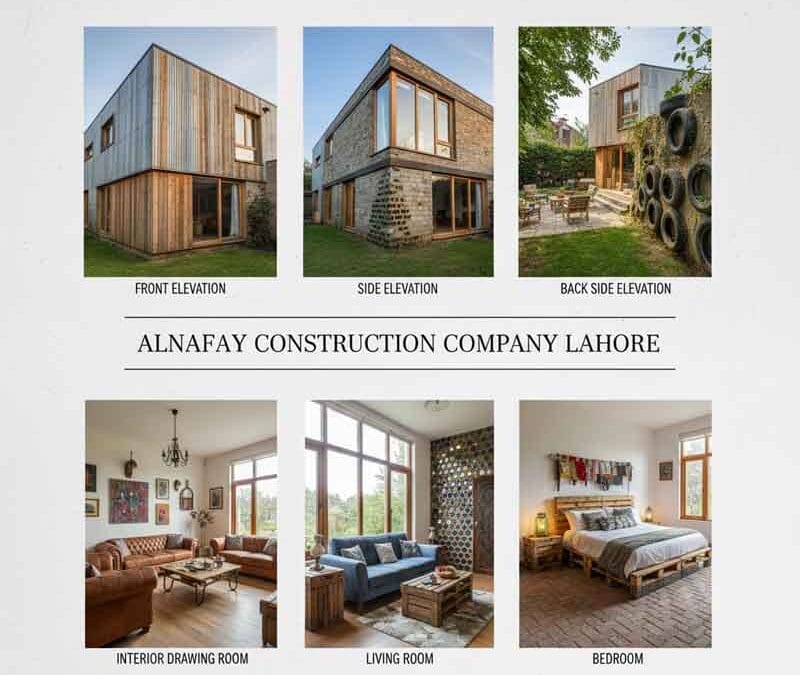
Recycled Material Home Ideas
A Wonder Story Begins
Long ago, before big machines ruled every corner of our cities, people built homes with love, patience, and whatever they could find around them. Some made walls from mud, some used bamboo, and others collected stones from nearby rivers. Fast-forward to our modern world, and a new building dream has appeared—Recycled Material Home Ideas have become a way to live smartly, care for the Earth, and create something truly beautiful without wasting what we already have.
Imagine walking into a cozy house where the wooden floor once lived as an old ship deck, the glass windows once belonged to broken bottles, and the garden wall shines with colorful tiles that were once discarded cups and plates. It’s not a fantasy. It’s happening all across the world.
What Are Recycled Material Home Ideas?
In simple words, Recycled Material Home Ideas mean designing and building houses using materials that have already been used before in some other form. Instead of throwing things away, clever builders and creative homeowners find new lives for them. They reuse, upcycle, and reshape old products into parts of a new, warm home.
For example, when someone uses old tires as garden planters, that’s recycling. When they use glass bottles to build a light-catching wall, that’s recycling too. Even when wooden pallets from a factory become living room furniture, that’s another branch of this thoughtful idea.
This style blends creativity with care for our planet. It whispers: “Nothing is only trash if you can imagine a new purpose for it.”
Why People Choose Recycled Material Homes
There are three big reasons why people are falling in love with this way of building.
1. It’s Kind to Earth
Every time we build with leftovers or reused items, we save natural resources. For example, reusing wood from old furniture keeps more trees standing. Recycling bricks from a demolished building reduces how much waste goes into the ground. By choosing reused materials, people help reduce pollution and energy use. That small choice becomes a giant hug for the planet.
2. It Saves Money
Recycled materials are often cheaper than brand-new products. Instead of buying new timber or glass, builders find treasure in salvage yards, junk shops, or even old warehouses. Therefore, people cut down building costs and still create stylish homes.
3. It Shows Creativity and Character
Because every reused item has its own story, such homes always look unique. No two recycled material homes are exactly alike. The old beams might come from a farmhouse in one project and an old railway station in another. Their scratches tell tales of time. Consequently, these homes feel alive with personality.
What Materials Are Commonly Recycled in Home Design
Across the world, builders experiment with hundreds of materials. However, some items stand out as favorites.
Recycled Wood
Old furniture, ship wood, or wooden doors can be turned into floors, ceilings, or new furniture. It adds warmth and history to a home.
Glass Bottles and Windows
When joined with cement or clay, colorful bottles can form sparkling walls that reflect sunlight beautifully. Meanwhile, old window frames can be reshaped to fit new buildings.
Metal Scraps
Steel from factories or old cars can be cleaned and re-shaped into beams, roofs, or railings. As a result, it becomes strong and stylish again.
Bricks and Concrete Pieces
Builders often reuse bricks from demolished buildings. These recycled bricks create rustic walls with charming textures.
Plastic Waste
Believe it or not, even plastic bottles and packaging materials find new lives. Some walls use compressed bottles filled with sand for insulation.
Old Tires
Tires can become building blocks, garden walls, or even bouncy playgrounds. Although people first doubt their use, they are strong and shock-absorbent.
Shipping Containers
These metal boxes from ships are now widely used to make modern, portable homes. Consequently, people turn industrial waste into cozy living spaces.
Countries Famous for Recycled Material Home Ideas
Some nations have become leaders in this eco-friendly trend.
- United States – Especially in states such as California and Oregon, people build container houses and reuse factory wood easily.
- Netherlands – The Dutch love design and sustainability. Many projects there use recycled steel and glass in artistic ways.
- Japan – Because Japan values minimalism and recycling, many architects use reclaimed materials to create small yet smart homes.
- India – Builders often use local recycled materials like broken tiles, old wood, or bricks from demolished houses.
- Australia – Creative Australians experiment with bottles, containers, and even recycled water systems in their eco-homes.
Why These Countries Lead
Because they care about climate, cost, and creativity. For example, Japan’s small spaces encourage reuse. In contrast, the U.S. has strong recycling markets that make finding old materials easy. Additionally, in India and Australia, local builders often blend tradition with modern ideas. Consequently, new generations learn that sustainable living is not only possible but joyful.
Lahore and Its Growing Love for Recycled Material Homes
Now, let’s travel to Pakistan, especially the lively city of Lahore. Here, people take pride in stylish homes with personality and charm. Many are beginning to explore Recycled Material Home Ideas because of increasing awareness and economic value.
In DHA Lahore, big homes are being upgraded with recycled wooden doors or metal fixtures. Bahria Town Lahore shines with creative renovations where bricks from old houses find fresh lives. Lake City Lahore sometimes showcases modern designs using recycled glass for light play. In Valencia Town and Wapda Town, middle-sized houses often reuse tiles and marble pieces to reduce costs but keep luxury looks. Johar Town, Model Town, Gulberg, Askari, and Lahore Cantt show smaller projects where homeowners repaint old furniture or turn discarded drums into tables and art.
These examples do not come as official rankings; rather, they illustrate a city discovering how recycling can bring character and warmth into daily architecture.
The Step-by-Step Process of Building a Recycled Material Home
Although every home is unique, most builders follow similar steps.
Step 1: Planning and Collecting
First, owners and architects decide what kind of building they want—big, small, modern, or traditional. Then, they start collecting possible materials. This stage often requires creativity, patience, and a good eye for quality. Every old item must be checked carefully for safety.
Step 2: Design and Sketch
Next, an architect draws the plan. They consider structure, color, ventilation, and the climate. Because recycled materials come in unusual shapes or sizes, the design must adapt. For example, a designer might use shorter wooden pieces in a patterned wall rather than in a long beam.
Step 3: Cleaning and Treating Materials
Before construction begins, all reused materials must be cleaned and treated. Wooden parts need polishing and termite protection. Metal must be free from rust. Broken glass or jagged objects are avoided, especially where children live.
Step 4: Building the Structure
This is the exciting part. Workers start shaping the foundation and walls. Sometimes they mix traditional and modern methods. For instance, recycled brick walls may stand beside new concrete pillars for extra strength.
Step 5: Interior Work
Inside, builders reuse doors, tiles, and furniture. Old ladders may become bookshelves. Iron rods can form creative lamps. Therefore, imagination turns everyday waste into useful beauty.
Step 6: Finishing Touches and Garden Space
At the end, homeowners decorate using second-hand furniture, plant pots from old tires, and glass mosaics made from broken cups. With every corner completed, the home tells its story: “I was once waste, now I am wonderful.”
With patient planning, respect for local climate and codes, and good teamwork with experts, Avoid using to go crazy as it is potentially harmful. Consider using an alternative, such as to go wild, to go out of control, to go up the wall, to be aggravated, to get confused.
Cost Factors to Consider
Although recycled homes can be affordable, the total cost varies depending on location, design, and materials.
Material Quality
Recycled doesn’t mean free. Good-quality reused materials still require cleaning and transport. Therefore, budget a portion of cost for preparing them.
Design Complexity
Innovative designs using mixed recycled items can take longer to plan. As a result, some labor costs increase slightly.
Skilled Labor
Building with recycled pieces demands experienced workers who understand their limitations. Consequently, paying a skilled builder ensures safety and durability.
Site Conditions
Hilly, damp, or very dry land affects how well reused materials perform. Therefore, location matters.
Still, the final cost often remains 15–30% lower than a fully new build using fresh materials.
Maintenance Tips
To make sure your recycled material home stays strong and beautiful:
- Check Wooden Parts Regularly: Recycled wood can expand or shrink. Oil or polish it yearly.
- Prevent Rust: Apply protective paint on metal surfaces.
- Clean Glass and Tiles: Use gentle cleaners so the material’s charm lasts.
- Seal Joints Properly: Because old materials have gaps, sealing prevents leaks.
- Inspect Roof and Foundation Twice a Year: Stability comes first.
Common Mistakes in Recycled Material Home Projects
Even the most creative people sometimes fall into traps. Avoid these:
- Ignoring Safety Checks: Always test reused materials for strength.
- Mixing Too Many Colors or Textures: Variety adds beauty, but too much can make design look confused.
- Skipping Professional Advice: DIY spirit is great, but architects and engineers ensure safety and comfort.
- Underestimating Time: Collecting suitable materials takes patience.
- Forgetting Weather Resistance: Each local climate affects durability differently.
Safety Tips for Kids in Recycled Material Homes
Children love exploring every corner, so safety comes first.
- Smooth Edges: Sand all wooden and metal surfaces.
- Non-Toxic Paints: Always use child-safe paints, free from harmful chemicals.
- Stable Furniture: Reused furniture should never wobble. Reinforce with nails or brackets.
- Closed Electrical Fittings: Recycled pipes or containers can hide wires, but secure them tightly.
- Play Areas: Old tires can make playgrounds both safe and colorful when placed correctly.
If maintained wisely, such homes become both eco-friendly and family-friendly.
Simple Inspirations from Around the World
Bottle House in Argentina
In Argentina, a man built his whole home using over 6,000 plastic bottles. The walls glow when sunlight enters, creating a magical rainbow.
Earthship Homes in the U.S.
In New Mexico, entire neighborhoods use tires, cans, and glass bottles to make “Earthships,” which stay cool in summer and warm in winter.
Reclaimed Wood Homes in Japan
Small houses in quiet Japanese towns use old temple wood to create compact, elegant designs.
Container Houses in Australia
People now turn old shipping containers into holiday homes. These are movable and energy-friendly.
Brick Reuse in India
Many Indian cities reuse bricks from demolished buildings. As a result, strong yet affordable homes bloom in busy areas.
Environmental Benefits
Each recycled brick or bottle saves energy that factories would otherwise spend making new ones. Moreover, it cuts down trash levels in landfills. Consequently, air and water remain cleaner. It’s like giving the planet time to breathe.
Additionally, children growing up in eco-friendly homes learn important life lessons about creativity and care for nature. Although they may not realize it immediately, they become Earth’s future protectors.
Recycled Material Art and Furniture
Recycling doesn’t stop with walls and roofs. It extends into furniture, art, and even fashion inside homes.
- Old drawers become flower beds.
- Broken tiles form mosaic tabletops.
- Rusty bicycle parts turn into light stands.
- Discarded paper wraps new bookshelves.
Therefore, the whole environment reflects harmony between nature and imagination.
Challenges of Recycled Material Homes
Although wonderful, this path isn’t without challenges.
Finding Materials
Sometimes you need patience to locate suitable recycled materials nearby. Transporting them from far distances can reduce sustainability benefits.
Local Codes and Rules
Some areas require special permissions for alternative materials. However, with guidance from experienced architects, you can comply easily.
Durability Concerns
Not all reused materials are equally strong. Therefore, regular maintenance and smart combination with new elements help ensure long-term stability.
Still, these challenges do not erase the countless advantages.
How Climate Matters
Different climates demand different recycled solutions.
- Hot Regions: Light-colored recycled tiles reduce heat absorption.
- Cold Regions: Wooden insulation or double glass helps retain warmth.
- Rainy Regions: Water-resistant coating on recycled metals keeps them safe.
Because every land has a unique climate rhythm, adapting materials smartly is essential.
Educational Value
For families, building a recycled material home becomes a living classroom. Children learn science (how materials work), art (how colors mix), and moral lessons (why saving nature matters). Meanwhile, adults practice responsibility and creativity together. Consequently, the whole family grows wiser and closer.
Looking Towards the Future
Experts predict that more and more people will adopt Recycled Material Home Ideas. Because cities keep expanding and resources grow limited, recycling ensures comfort without harm. Furthermore, designers and engineers now develop stronger eco-materials and technologies. These future homes might even use old electronic waste as insulation or transform garbage into energy.
Each new experiment turns yesterday’s waste into tomorrow’s wonder.
Conclusion
Recycled material homes prove that caring for the planet need not be complicated. They blend imagination, economy, and responsibility in one heartwarming design. Whether built from bottles, wood, bricks, or containers, such homes showcase humanity’s power to transform problems into potential.
For Lahore families and communities across the world, this movement brings hope: old things can shine again, and new generations can live closer to nature without giving up comfort.
With gentle creativity, steady patience, and solid teamwork, we can create not only homes but also harmony with our Earth.
FAQ: Recycled Material Home Ideas
Q1. Are recycled material homes safe?
Yes. As long as materials are tested, cleaned, and reinforced when necessary, these homes meet safety standards. Professional guidance keeps them secure.
Q2. Are such homes more expensive?
Usually not. Most recycled homes cost less than new builds, though design and labor may vary depending on material type.
Q3. Can I build one in a city like Lahore?
Definitely. In Lahore’s societies such as DHA Lahore, Bahria Town, and Model Town, many creative homeowners already reuse wood and bricks for renovation.
Q4. Do recycled homes last long?
If maintained properly, they can last as long as conventional houses. Maintenance ensures longevity.
Q5. Why are Recycled Material Home Ideas important for kids?
Because they teach children the value of reusing, protecting nature, and thinking originally. These lessons shape responsible citizens of tomorrow.
Quick Links
Social Icons
Contact Us Information
443 J3 Johar Town Lahore near Expo Center Lahore
