
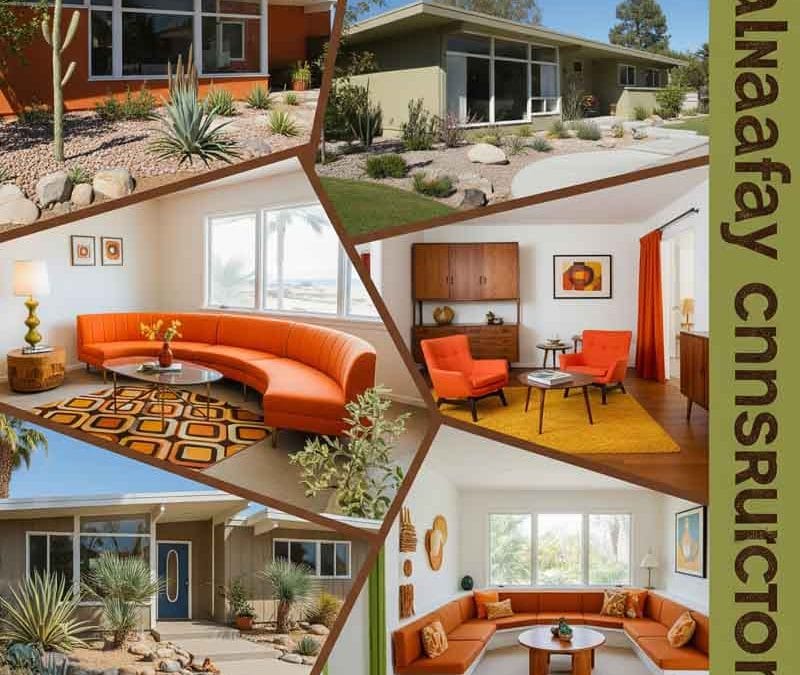
Retro House Design
Introduction
When we talk about houses, every style has its own beauty. Some people love modern houses with clean lines and simple looks, while others enjoy traditional designs full of details. But there is another style that is special because it mixes nostalgia and creativity. This is called Retro House Design.
Retro design is all about going back in time and taking inspiration from the houses of the 1950s, 1960s, 1970s, and even the 1980s. It brings the old colors, patterns, and furniture styles into today’s homes. A Retro House Design gives you a playful, colorful, and cozy feeling that makes your home stand out.
In this blog, we will explore the history, features, interior and exterior ideas, and why many people are again choosing this style. We will also look at how Retro House Design can fit into modern homes, even in cities like Lahore, Karachi, or anywhere in the world.
History of Retro House Design
The word “retro” comes from the Latin prefix that means “backward” or “in the past.” Retro design started after World War II, when people wanted homes that were cheerful and fun.
1950s – Homes had bright colors, geometric shapes, and simple furniture. Kitchens were often the heart of the house, with bold tiles and funky wallpaper.
1960s – This decade brought psychedelic patterns, round furniture, and artistic lighting. Houses became more experimental with designs.
1970s – The 70s added earthy colors like brown, green, and orange, along with shaggy carpets and wood paneling.
1980s – This period was bold and flashy. Neon lights, glass blocks, and unique furniture gave houses a strong personality.
Today, Retro House Design takes the best parts of all these decades and combines them with modern comfort.
Main Features of Retro House Design
A Retro House is easy to recognize because of its unique features. Some of the main characteristics are:
Bold Colors – Retro houses often use bright reds, yellows, oranges, greens, and blues. Sometimes, opposite colors are mixed to create contrast.
Funky Patterns – Stripes, zigzags, circles, and floral designs are very common. Wallpapers are often printed with these bold patterns.
Unique Furniture – Round chairs, low tables, bean bags, and wooden cabinets with thin legs are a classic part of retro interiors.
Materials – Retro houses use wood, plastic, metal, and even leather. Glossy finishes and shiny surfaces are also popular.
Decor Items – Old radios, record players, posters, and colorful lamps bring the retro feel.
Lighting – Hanging pendant lamps, lava lamps, and neon signs are often seen.
Retro Interior Design
The interior of a Retro House Design is full of life. Here are some areas to focus on:
Living Room
The living room is the main place to show retro style.
Use a mix of bright-colored sofas with patterned cushions.
Add a shaggy rug on the floor.
A coffee table with a glass top and thin wooden legs fits perfectly.
Hang bold posters or funky art on the walls.
Kitchen
The retro kitchen is colorful and fun.
Use checkered tiles on the floor.
Add pastel-colored cabinets (mint green, baby blue, or soft pink).
Vintage-style fridges and stoves make the kitchen feel authentic.
Bedrooms
In retro bedrooms:
Use floral or striped bedsheets.
Add round mirrors and lampshades.
A mix of wooden and metal furniture works best.
Bathrooms
Retro bathrooms are playful.
Bright tiles with geometric shapes.
Round sinks and colorful bathtubs.
Funky mirrors with lights around them.
Retro Exterior Design
The outside look of a Retro House Design is also very important.
Roof Style – Flat or slightly sloped roofs are common.
Colors – Exteriors may have bold paint or pastel shades.
Windows – Large windows with simple frames.
Outdoor Furniture – Chairs with metal frames and round tables give a retro look.
Garden Touch – Small gardens with patterned pathways or tiled patios.
Modern Twist in Retro Design
Even though retro comes from the past, it is very easy to mix it with modern design. Many people today prefer a house that has the fun of retro but also the comfort of modern living.
Combine retro furniture with modern walls and lighting.
Use retro patterns in small areas, like cushions or wallpapers, not the whole house.
Add modern technology, but keep it hidden inside retro-style cabinets.
Mix vintage items like a record player with a modern sound system.
This way, the house does not look old-fashioned but instead feels trendy and stylish.
Advantages of Retro House Design
Choosing Retro House Design has many benefits:
Unique Look – Your house will look different from others.
Playful and Fun – The bold colors and patterns make the house lively.
Budget-Friendly – Many retro items are available second-hand at good prices.
Flexible Style – You can mix retro with modern easily.
Nostalgic Feel – Retro design brings back memories of the past.
Retro Homes in Pakistan and Abroad
In Pakistan, retro design is not very common, but it is slowly becoming popular in Lahore, Karachi, and Islamabad. Young people love the idea of vintage furniture, bold wallpapers, and colorful kitchens.
Globally, retro houses are very popular in the US, UK, and Europe. Many designers use retro themes in cafes, restaurants, and modern apartments to give a nostalgic touch.
Quick Links
Social Icons
Contact Us Information
443 J3 Johar Town Lahore near Expo Center Lahore
