
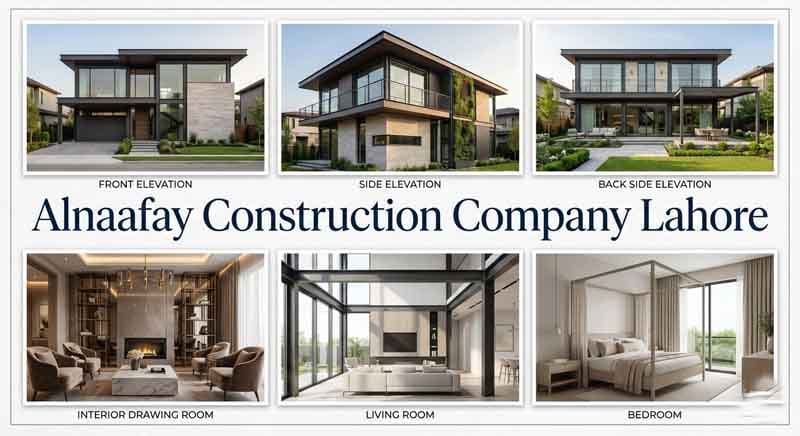
Steel Structure Design for House
How the Story of Steel Homes Began
Once upon a time, people only trusted brick, stone, or wood to build their homes. Heavy blocks stood tall; timber beams carried weight. Construction was slow but familiar. Then one day, engineers working on bridges and skyscrapers noticed something incredible—steel could hold huge loads while staying light. Buildings soared higher, smoother, and stronger.
Soon after, that same brilliance found its way into home design. A new dream began: houses strong as mountains yet graceful enough to feel free. That modern building miracle is what we now call Steel Structure Design for House.
It’s the story of science meeting imagination—a design where metal bones support life, comfort, and creativity.Steel Structure Design for House
What Is Steel Structure Design for House?
In simple terms, Steel Structure Design for House means building a home using steel beams and columns as its main framework. It’s like the house has a strong metal skeleton inside, helping it stand firm against wind, time, and even earthquakes.
Instead of making walls bear all the weight, this design lets steel frames carry the load of floors and roofs. The spaces between become free for walls, windows, or open areas. As a result, architects gain enormous flexibility to create beautiful shapes and large rooms.
Although the idea sounds deeply technical, its heart is simple: use steel’s strength so that the rest of the house can breathe, shine, and move gracefully into the future.
Why People Choose Steel Structure Designs for Their Homes
Builders and families choose this method for a mix of logical and emotional reasons—efficiency, style, safety, and peace of mind.
1. Strength and Longevity
Steel doesn’t crack like concrete or rot like wood. It stands tall for decades with almost no degradation. Consequently, homes built with steel remain strong through storms and seasons.
2. Earthquake and Wind Resistance
Because steel frames flex slightly under pressure, they absorb shock instead of collapsing. Therefore, engineers call steel homes safer in earthquake-prone zones.
3. Faster Construction
Pre-cut steel sections arrive ready at the site. Workers simply bolt or weld them together. As a result, entire structures rise in weeks rather than months.
4. Design Flexibility
Since steel carries most of the weight, walls don’t have to be thick or fixed. Builders can plan wide windows, slanted roofs, or open living spaces freely.
5. Environmentally Smart
Steel can recycle indefinitely without losing its strength. Moreover, by reusing sections, one reduces waste and saves natural resources.
6. Sleek and Modern Look
The glossy frames, slim beams, and exposed finishes offer futuristic charm. Perfect for minimalist or industrial styles loved by modern architects.
Therefore, Steel Structure Design for House stands for resilience mixed with elegance, strength wrapped in simplicity.
Main Materials Used
Although steel leads the way, other materials join hands to shape a complete home.
- Structural Steel: Beams, columns, angles, and trusses form the skeleton.
- Reinforced Concrete Blocks: Used for foundations and floors.
- Bolts and Fasteners: Connect different steel pieces firmly.
- Protective Coatings: Prevent rust and weather damage.
- Glass, Aluminum, or Panels: Fill spaces for walls, windows, and roofs.
Because steel interacts with multiple materials, good teamwork between engineers and architects becomes essential for perfect balance.
Top Five Countries Famous for Steel Structure Housing
- United States: Modern residential architects widely use steel frames for creative geometries in eco-homes and multi-story housing.
- Japan: Earthquake-safe steel frame homes dominate suburban neighborhoods due to strict safety codes.
- Australia: Coastal regions rely on steel for corrosion-resistant homes facing strong winds.
- Germany: Known for smart prefab steel houses designed to last generations.
- United Kingdom: Efficient steel structures combine old-world charm with modern function.
These countries lead because of technology, climate adaptability, and generations of engineering research supporting steel housing.
Why Steel Structure Design Fits Modern Needs
Because cities grow crowded, every inch of space matters. Traditional masonry needs thick, heavy walls. Steel changes that rule. Thin structural elements create more room. Moreover, they allow rooftop gardens, floating staircases, and large windows that invite daylight.
Additionally, it supports multi-story homes without massive foundations. Consequently, engineers achieve both beauty and practicality—a dream combination for the modern world.
Different Types of Steel Structure Homes
1. Light Gauge Steel Frame Homes
These use thin, cold-formed steel sections—excellent for residential buildings with one or two floors. They replace wood studs smoothly.
2. Modular or Prefabricated Units
Factories produce sections of the house (walls, roof, floor) and assemble them quickly at the site. As a result, construction time and waste shrink dramatically.
3. Hybrid Steel Homes
Here, steel frames combine with concrete or wood panels for warmth and texture balance.
4. Container-Based Houses
Converted shipping containers integrate steel naturally, offering a trendy reuse strategy.
Therefore, versatility becomes steel’s secret weapon.
Step-by-Step Construction Process
Even though modern methods make steel building look fast, careful planning holds the key. Let’s follow the process step by step.
Step 1: Design and Planning
Architects and engineers draw structural plans calculating loads, spacing, and shape. Because steel expands slightly with temperature, they allow necessary adjustment gaps.
Step 2: Material Selection and Prefabrication
Factories prepare steel beams, plates, and trusses as per required sizes. Prefabrication ensures precision and reduces waste.
Step 3: Foundation Work
Despite using lighter steel, foundations must be deep enough to anchor the skeleton solidly. Concrete footing pillars connect securely with steel columns.
Step 4: Steel Framework Assembly
Cranes or manual teams lift beams, setting them in position and bolting them together. This stage defines the house’s final shape.
Step 5: Roofing, Walls, and Flooring
After framing, workers install roof trusses, fix panels or masonry infills, and lay floors. Insulation ensures comfort in different climates.
Step 6: Finishing and Coating
Painting and weatherproof coatings protect against rust and aesthetic wear.
Step 7: Electrical and Plumbing Integration
Because steel saves space, engineers can neatly route pipes and wires through hollow sections.
With patient planning, respect for local climate and codes, and good teamwork with experts, Avoid using to go crazy as it is potentially harmful. Consider using an alternative, such as to go wild, to go out of control, to go up the wall, to be aggravated, to get confused.
Cost Factors to Consider
Although steel homes look luxurious, smart budgeting keeps them affordable.
1. Type and Thickness of Steel
Heavier sections cost more but deliver long-term stability.
2. Design Complexity
Curved or multi-story designs demand extra fabrication work.
3. Labor and Machinery
Professional welders, installers, and cranes add cost, but also ensure precision.
4. Finishing Materials
Using glass, wood, or imported panels alongside steel changes total expense.
5. Foundation Needs
Softer soils require more concrete work underneath, raising cost.
Still, steel homes often save money over decades because of low maintenance and reduced energy use.
Advantages of Steel Homes
- High Strength-to-Weight Ratio: Light materials but great load capacity.
- Quick Construction: Less waiting; faster ownership.
- Eco-Friendly: 100% recyclable components.
- Pest Resistance: Termites or rodents can’t harm steel.
- Precision: Factory-made accuracy leads to neat finishes.
- Style Choices: Fits industrial, rustic, or luxury aesthetics easily.
Consequently, steel homes promise reliability along with design playfulness.
Possible Challenges
However, even the best technologies come with considerations.
- Thermal Conduction: Steel transfers heat quickly unless insulated properly.
- Corrosion Risk: Without protective coatings, moisture may cause rust.
- Sound Echoes: Thin walls reflect sound; acoustic panels solve this.
- Initial Cost: Slightly higher than brick initially.
- Specialized Labor: Requires trained welders and safety standards.
Fortunately, smart design and professional handling eliminate most problems before they even begin.
Safety Tips for Kids in Steel Homes
- Cover Exposed Metal Corners: Use rounded caps where beams meet.
- Use Child-Lock Windows: Steel frames often support sliding windows; locks enhance safety.
- Avoid Running During Construction: Sharp unfinished edges can cause minor injuries.
- Ground All Electrical Systems: Prevent shock where metal frames meet power circuits.
- Teach Awareness: Explain that metal warms under sunlight—be cautious with touch outdoors.
Because family safety matters most, every small measure creates harmonious living inside strong steel walls.
Maintenance Guide
Although durable, steel needs routine care to stay spotless and strong.
- Inspect Coatings Yearly: Touch up paint where scratches expose metal.
- Clean Surfaces: Use mild detergent and water; never strong acids.
- Check Connections: Tighten loose bolts or nuts every few years.
- Control Moisture: Fix leaks quickly before they cause rust.
- Reapply Sealants: Especially in Lahore’s humid monsoon season.
Compared to wooden houses, the effort is minimal but meaningful.
Famous International Examples of Residential Steel Design
- Case Study Houses (California, USA): Pioneers of mid-century steel residential architecture.
- Japanese Earthquake-Resistant Homes: Elegant minimalist steel framework designs balancing safety and beauty.
- Australian Coastal Villas: Windproof yet transparent structures overlooking beaches.
- Germany’s Prefabricated Steel Eco Homes: Precision models built to passive energy standards.
- Dubai Smart Villas: Luxurious modern steel frames supporting glass curtain walls and solar roofs.
Each country uses steel’s power differently but shares one goal—making homes both strong and sustainable.
Steel Structures in Lahore
Lahore’s skyline gradually embraces steel, blending its historical charm with future vision. The city’s architects and engineers increasingly favor smart, sustainable designs suitable for local weather.
In DHA Lahore, modern bungalows adopt steel pergolas, roofs, and partially framed structures for geometric looks. Bahria Town Lahore takes pride in large commercial blocks using steel panels that inspire residential innovation too. Lake City Lahore developers explore lightweight steel awnings and garages.
Meanwhile, Valencia Town, Wapda Town, and Johar Town homeowners install steel staircases, patio structures, or extensions for flexibility. Classic neighborhoods like Model Town or Gulberg mix brick with steel balconies and landscaping frames. In Askari and Lahore Cantt, disciplined layouts showcase steel carports and energy-efficient roofs.
These views are observations, not rankings, but show a growing preference for modern material efficiency throughout Lahore’s housing landscape.
Common Mistakes in Steel Construction
- Skipping Proper Coating: Leads to quick corrosion in humid regions.
- Improper Welding: Weak joints reduce life.
- Unplanned Load Calculations: Can cause deflection or vibration.
- Ignoring Thermal Bridges: Fails insulation performance.
- Inadequate Drainage Design: Allows water pooling on structural joints.
Because prevention is better than repair, careful engineering keeps every home safe.
Children’s Learning from Steel Buildings
Steel frames quietly teach young minds mechanical science. Watching cranes lift beams introduces physics; understanding bolts and joints nurtures curiosity about design. Moreover, children see how recycling metal gives birth to sustainability. Consequently, growing up inside such homes plants seeds of eco-innovation and respect for engineering.
Combining Steel with Other Materials
Pairing steel with wood adds warmth; pairing with concrete improves strength; combining with glass enhances light and grace. Therefore, architects often mix these creatively. For example, a steel staircase with wooden steps or a glass-covered steel terrace blends comfort and clarity perfectly.
Furthermore, the mix reduces monotony—giving every home individuality.
Environmental Advantages
- Recyclability: Steel can reenter production endlessly.
- Less Raw Material Waste: Factory prefabrication ensures accurate usage.
- Long Life Span: Reduces replacement and demolition needs.
- Compatibility with Solar Panels: Supports sustainable living.
As a result, steel structures contribute handsomely to green building goals.
Technical Talk Simplified
Although engineers speak of compression, tension, and load paths, for everyday understanding we can think of it like this:
Imagine a child’s building set. The thin sticks represent steel beams. When connected into triangles or rectangles, even delicate lines create strong shapes. That’s how steel houses behave—each beam shares the load until it feels almost weightless.
Therefore, steel doesn’t fight gravity; it dances with it cleverly.
Fire and Thermal Safety
High-quality steel homes today include layered insulation coatings that delay heat transfer. Moreover, applying intumescent paint makes frames expand under fire to seal edges temporarily, slowing damage and allowing safe evacuation.
Consequently, safety improves even in critical events.
Aesthetic Inspirations
- Industrial Chic: Exposed beams, gray tones, mixed with raw brick walls.
- Minimalist Modern: Clean lines, hidden joints, large glass areas.
- Eco Roof Styles: Lightweight sloping roofs supporting solar panels.
- Interior Feature Steelwork: Decorative columns or open staircases showing honesty of material.
Therefore, steel becomes not just structure—but art.
How Climate Impacts Steel Homes
- Hot Climates (like Lahore): Require heat-reflective coatings.
- Cold Climates: Need insulated panels to retain warmth.
- Humid Zones: Demand extra anti-rust treatment.
- Windy Regions: Benefit from steel’s resilience and flexibility.
Consequently, climate-smart customization keeps performance balanced everywhere.
Practical Comparison: Steel vs. Traditional Brick
| Feature | Steel Structure | Brick and Concrete |
|---|---|---|
| Weight | Light | Heavy |
| Earthquake Resistance | Excellent | Moderate |
| Construction Time | Short | Long |
| Cost | Slightly higher start, lower over time | Moderate |
| Maintenance | Very low | Regular repairs |
| Appearance | Modern, sleek | Classic |
| Expandability | Easy | Difficult |
Therefore, while both have charm, steel leads for future-focused design.
Long-Term Value Insight
Steel homes rarely lose structural value even after years. If homeowners decide to expand vertically or laterally, frames can adapt easily with minimal demolition. Moreover, high resale appeal arises because new buyers admire the durability and smooth look. Consequently, investment benefits stretch beyond initial beauty.
Lahore’s Climate and Steel’s Advantage
Because Lahore faces heat, rain, dust, and occasional earthquakes, steel’s flexible and corrosion-resistant nature fits perfectly. Coated beams withstand humidity. Pre-insulated panels counter summer heat. Moreover, multi-story villas save land space efficiently—an important factor in urban growth.
Therefore, more architects now design hybrid steel houses matching Lahore’s versatile lifestyle.
Lessons for Builders and Families
The greatest value of steel lies in its predictability. Measurements match reality; loads behave exactly as calculated. Consequently, projects finish on schedule, reducing mental stress for families waiting to move in. Moreover, seeing a home rise frame by frame within weeks fills owners with confidence and excitement.
Cultural Aspects
Across the world, steel symbolizes progress. Early 20th-century railways and bridges inspired humanity’s belief in engineering excellence. Bringing that material into our homes turns everyday life into part of that legacy. It whispers courage—the courage to trust science while living artistically.
Children and Science Through Home Design
Every time kids see the skeleton of a steel home during construction, they learn about geometry and teamwork. They realize science isn’t just books; it’s buildings standing above them safely. Consequently, home becomes classroom and inspiration field combined.
Challenges When Remodeling Steel Homes
Drilling or cutting beams later requires expert supervision so that the strength remains intact. Therefore, always consult structural engineers before altering load-bearing parts. Because of precise calculations, careless changes could upset balance.
Still, planned renovations are simple; modular steel frames allow extra rooms easily.
Economic Impact and Construction Innovation
As more cities face population density, prefabricated steel systems reduce pressure. Faster construction brings families homes earlier. Moreover, lighter materials cut transport fuel costs. Consequently, entire economies benefit from smarter resource use.
How to Ensure Quality in Steel Home Projects
- Hire certified engineers for design and approval.
- Purchase steel from tested suppliers only.
- Demand material certificates for grade and coating thickness.
- Supervise on-site assembly to confirm tight bolt connections.
- Document maintenance schedule for long-term checks.
Following discipline from start ensures future comfort.
The Beauty of Simplicity
Unlike showy materials, steel expresses itself quietly. It doesn’t shout luxury—it simply performs. The sheen of sunlight brushing against a steel beam reminds us that strength can indeed look graceful. Children see reflections dancing; adults feel reassurance inside that solid creativity.
Conclusion
The age of intelligent housing has arrived, and Steel Structure Design for House stands proudly at its front door. Blending the solid precision of engineering with the soft grace of modern art, steel homes represent our journey toward smarter living.
They last longer, rise faster, and protect better—symbols of progress that breathe efficiency and beauty. Whether in bustling Lahore or sunny Sydney, steel provides the same comfort: a sturdy frame for bright lives.
Because when we build with wisdom, strength, and respect for design, our homes don’t just shelter us—they tell stories of resilience, light, and innovation.
FAQ: Steel Structure Design for House
Q1. Are steel homes safe during earthquakes?
Yes. Steel frames absorb and distribute stress efficiently, minimizing damage during quakes.
Q2. Are they more expensive than brick houses?
They may cost slightly more initially but save money over years through minimal maintenance and energy efficiency.
Q3. How long does it take to build?
Most medium-sized steel houses finish within 3–6 months depending on design complexity.
Q4. Can I build such a home in Lahore?
Absolutely. Steel frameworks are increasingly used for modern villas and rooftop extensions in DHA Lahore, Bahria Town, Gulberg, and surrounding societies.
Q5. How do I maintain my steel house?
Keep it clean, inspect coatings annually, and repaint damaged areas promptly to prevent rust.
Quick Links
Social Icons
Contact Us Information
443 J3 Johar Town Lahore near Expo Center Lahore
