
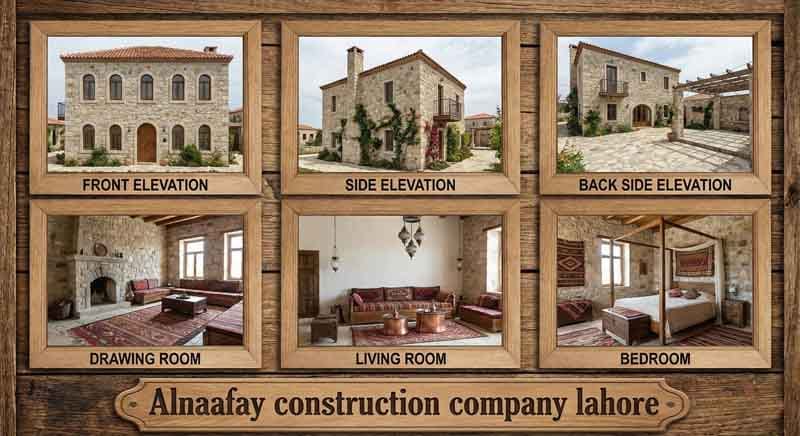
Turkish Stone House Idea
What is a Turkish stone house (Anatolian stone home)?
A Turkish stone house is a home that uses natural stone as a key building material. Walls may be thick and cool in summer. Windows usually stay shaded with wooden shutters, deep eaves, or pergolas. In many regions, clay tiles top the roof. Therefore, the overall look feels warm, timeless, and close to nature.
Although details change from area to area, some traits repeat:
- Stone walls with visible texture or neatly cut blocks.
- Small to medium windows on sun-hit sides; larger openings where shade is strong.
- Courtyards, terraces, or verandas for outdoor living.
- Wooden beams, pergolas, and shutters for shade and charm.
- Natural colors that blend with the land: cream, sand, charcoal, and earthy reds.
Because stone has high thermal mass, interiors stay stable in temperature. Heat moves slowly through thick walls. Consequently, living rooms feel cool at noon and warm longer after sunset in winter.
Regional flavors inside Türkiye (Turkey)
- Aegean coast (Bodrum, Izmir, Çeşme): pale limestone walls, blue shutters, red tile roofs, sunlit courtyards.
- Mediterranean coast (Antalya, Kaş): bright stone facades, shaded patios, pergolas with vines.
- Central Anatolia (Cappadocia): volcanic tuff carved or cut, arched niches, cave-inspired forms.
- Black Sea and Marmara influences: stone mixed with timber details, steep roofs in rainy zones.
Where is this design most famous?
The Turkish stone house style is most famous in Turkey. Aegean and Mediterranean towns show it everywhere. In Bodrum, Ayvalık, and Alaçatı, streets lined with stone cottages create a unique mood. Moreover, Antalya and Kaş feature villas that mix stone walls, arches, and shaded terraces. Cappadocia adds its own magic using tuff stone and soft forms.
Outside Turkey, similar Mediterranean stone homes appear in:
- Greece and Cyprus: bright stone and whitewashed walls with blue doors.
- Italy and Spain: rustic stone farmhouses and coastal villas with terracotta tiles.
- North Africa (parts of Tunisia and Morocco): stone and lime-plaster blends in hot, dry regions.
Even in other countries, designers adapt the look using local stone and rules. Therefore, you can bring the spirit of a Turkish stone house to many places if you respect local climate, codes, and building methods.
Turkish Stone House Idea: simple principles that always help
A strong concept keeps your plan calm and practical. Below are principles you can use anywhere.
- Use stone wisely: thick where it helps, light where it saves cost.
- Protect windows from harsh sun using eaves, pergolas, screens, or shutters.
- Let air cross the house with windows on two sides of major rooms.
- Keep a shaded outdoor room, like a terrace or veranda, for daily life.
- Choose natural, durable finishes that age well.
Because not every plot is the same, you can still keep these rules while bending details to fit your site and budget.
Why choose real stone?
Stone is durable, fire-resistant, and beautiful. It also carries local history if sourced near your site. Additionally, it needs low maintenance compared with many painted surfaces. On the other hand, pure load-bearing stone walls are heavy; engineering and good foundations become important. If earthquakes are a risk in your area, a reinforced frame with stone cladding may be safer.
What if stone is expensive in your region?
A hybrid approach works. Use reinforced concrete or steel for structure. Then, add stone cladding on the outside, or create a few thick feature walls. Consequently, you keep the look and reduce structural load and cost. Furthermore, you can mix plastered walls with a stone feature facade to balance budget.
Planning your Turkish Stone House Idea on any plot
Before sketching rooms, collect a few basics. Good notes now save stress later.
- Bylaws and codes: height, setbacks, coverage, parking, and balcony rules.
- Climate: summer highs, winter lows, sun path, wind direction, heavy rain months.
- Noise and views: busy road side vs. quiet garden side.
- Utilities: water pressure, sewer line location, electricity load, and gas availability.
- Soil and drainage: bearing capacity and rainwater flow across the site.
Because climate and codes vary widely, work with a local architect and structural engineer. Moreover, confirm rules with your authority before finalizing plans.
Site orientation and sunlight
- Face major windows toward gentle light (often east or north in hot regions).
- Shade west and south faces with deep eaves, pergolas, or trees.
- Keep courtyards open to breezes but protected from harsh sun angles.
As a result, the house feels bright and cool without heavy energy use.
Cross ventilation and airflow
Place windows on opposite sides of a room. Add high-level vents or clerestory windows to let hot air escape. Additionally, slim, shaded courtyards help pull breezes through the core. Consequently, rooms feel fresh even on warm afternoons.
Privacy and culture
Many families want a guest sitting room near the entry. Others prefer a family lounge that is private and shaded. Because social habits differ, shape your plan to match how your family actually lives. For example, place the kitchen close to the dining space for easy serving, and keep a back kitchen for heavy frying if smells are a concern.
Layouts that work: from Aegean stone cottage to Mediterranean stone villa
Because families grow and change, layouts should adapt. Below are three simple models.
Aegean stone cottage plan (compact home)
- One story with two bedrooms.
- Combined living-dining connected to a shaded terrace.
- Kitchen near the terrace for outdoor meals.
- A small internal courtyard to bring light into the center.
Although compact, this plan feels open because of outdoor living. Moreover, thick stone walls add quiet and comfort.
Bodrum-style stone villa (family house)
- Two stories with three or four bedrooms.
- Formal sitting room near the entry and a family lounge near the kitchen.
- Deep veranda on the ground floor and a roof terrace upstairs.
- Guest bedroom with bath at ground level for elders or visitors.
Because sun is strong near the coast, wide eaves and pergolas keep summer heat in check. Consequently, daily life shifts outdoors in the evening.
Ottoman-inspired courtyard house (privacy first)
- Central courtyard with rooms all around.
- Arched verandas facing the courtyard for shade.
- Smaller windows on the outside walls for privacy and security.
- Kitchen and dining opening to a sheltered shaded corner for year-round use.
This layout suits families who love gatherings at home. Additionally, the courtyard acts like a cool heart, improving airflow and creating a calm microclimate.
Materials and structure for an Anatolian stone home
Stone homes last when materials are chosen with care. Each choice affects comfort, cost, and safety.
Stone types used in Turkish stone houses
- Limestone: common on Aegean and Mediterranean coasts; easy to cut; light colors reflect heat.
- Travertine: strong, beautiful texture; often used as cladding or flooring.
- Tuff (volcanic): softer; famous in Cappadocia; good thermal behavior; needs sealing in wet climates.
- Basalt or andesite: darker, very hard stones in some regions; great for accents and base courses.
Because each stone behaves differently, match the stone to your climate and to local builder skills.
Load-bearing stone vs. framed structure with stone cladding
- Load-bearing stone: thick walls carry the building. Walls may be 18–24 inches or more. Although very solid, foundations and detailing need expert engineering. Seismic zones require special care.
- Reinforced concrete or steel frame with stone cladding: columns and beams hold the structure, while thinner stone is fixed to the outside. This method often gives better seismic performance and faster construction. Additionally, it lets you add insulation layers behind the cladding.
Choose the system with your structural engineer. Safety comes before looks.
Mortar and joints
Traditional lime mortar allows walls to “breathe” and move with temperature changes. Cement mortar is stronger but less flexible. Because stone houses benefit from gentle vapor movement, many builders use lime or lime-cement blends. Meanwhile, joint width and pointing style change the look. Thin joints feel refined; wider, rustic joints feel more rural.
Roofing options that suit the look
- Pitched roofs with clay tiles: classic Mediterranean appearance; good for shedding rain.
- Flat roofs with proper waterproofing: modern look; great for roof terraces and solar panels.
- Timber trusses or steel frames under tiles: both work, depending on budget and availability.
Because leaks can ruin interiors, invest in good waterproofing and proper slopes toward drains. Moreover, inspect roof details before and after the first heavy rain.
Doors, windows, and shading
- Wood frames feel authentic and warm; they need regular sealing.
- Aluminum or UPVC provides low maintenance and better insulation options.
- Shutters, louvers, and pergolas reduce glare and heat gain.
- Deep stone reveals around windows create dramatic shade and protect glass.
As a result, interiors stay comfortable while the facade remains beautiful.
Insulation with stone walls
Thick stone slows heat, but insulation still helps in extreme climates. Cavity walls with insulation or external insulation behind stone cladding work well. Additionally, double-glazed windows reduce heat transfer and noise. Because summers can be intense in many regions, shade first, insulate next, and size ACs last.
Climate-smart comfort in a Mediterranean stone villa
Climate is the silent boss of design. If you listen to it, the house rewards you with comfort and lower bills.
Summer strategies
- Shade south and west sides with pergolas covered in vines.
- Place tall windows on the courtyard side and smaller ones on harsh sun sides.
- Vent hot air using clerestory windows or roof vents.
- Use light-colored stone and roofs to reflect heat.
- Plant trees to cool the microclimate and to filter dust.
Consequently, you depend less on air conditioning and enjoy breezes more often.
Winter strategies
- Let sunlight enter through east and south windows during the day.
- Close shutters after dusk to keep warmth in.
- Add insulation above the ceiling and under the roof screed.
- Use efficient heaters or radiant floors in cold regions.
Although stone holds warmth once heated, insulation keeps that warmth inside longer. Therefore, you feel cozy without high energy bills.
Cost planning and budget basics for a Turkish Stone House Idea
Costs depend on country, city, materials, and finish level. Even so, a clear structure for budgeting helps everyone stay calm.
Main cost buckets
- Structure: foundations, columns or load-bearing walls, slabs, and roof.
- Walls and cladding: stone blocks or stone veneer, backing walls, and fixings.
- Finishes: plaster, paint, tiles, timber, stone flooring, and built-in furniture.
- Services: plumbing, electrical, HVAC, solar, filtration, and smart controls.
- External works: boundary wall, gate, driveway, pergolas, and landscaping.
- Professional fees: architect, structural and MEP engineers, approvals, and site supervision.
- Contingency: 5–10% for surprises.
Because scope changes cause budgets to go out of control, freeze your plan before finishing starts. Moreover, ask for a bill of quantities (BOQ) and sign a written contract with milestones.
Ways to save without losing the look
- Mix real stone on the front with plastered sides.
- Use local stone varieties instead of imported ones.
- Keep window sizes smart, not huge; shade well to reduce AC size.
- Prefer durable finishes that need less maintenance.
- Plan storage early to avoid costly custom fixes later.
Although savings are important, never cut safety items like waterproofing, DPC, or proper wiring.
Step-by-step build timeline for a Turkish Stone House Idea
Every project is different, yet the flow often looks like this.
- Pre-design and research
- Site survey, soil test, and climate study.
- Family needs list: bedrooms, guest spaces, work-from-home areas, and outdoor zones.
- Mood board with stone references, shutters, pergolas, and roof styles.
- Concept design
- Bubble diagrams for rooms.
- Massing study for shaded terraces and courtyard sizes.
- First-pass facade sketches with stone patterns.
- Design development
- Structural concept: load-bearing stone or framed structure.
- Window sizes, shading devices, and ventilation strategy.
- Material palette and draft specifications.
- Approvals and permits
- Submit drawings as required by your authority.
- Revise based on feedback until approved.
- Confirm utility connections and capacity.
- Grey structure
- Foundations, columns or stone walls, slabs, and roof framing.
- Install rainwater downpipes early to protect walls.
- Begin external stonework with proper scaffolding and safety gear.
- Services and closures
- Electrical conduits, plumbing lines, and HVAC routes.
- Door and window frames; test alignment and sealing.
- Waterproofing for roofs, balconies, and wet rooms.
- Finishing
- Flooring, plaster, paint, cabinets, and fixtures.
- Pergolas, shutters, and boundary wall details.
- Final stone pointing and sealing.
- Handover
- Snag list and fixes.
- System tests: pumps, lights, ACs, and alarms.
- Cleaning and move-in.
Because weather and market conditions can shift, build in buffer time. Additionally, regular site meetings keep issues from getting aggravated.
Safety, codes, and the “patient planning” principle
Local rules keep people safe. Respecting them also protects your investment. With patient planning, respect for local climate and codes, and good teamwork with experts, a Turkish stone house can become a timeless, low-stress family home.
Key reminders
- Seismic zones need special structural design and quality control.
- Fire safety: smoke detectors, extinguishers, and safe wiring standards.
- Waterproofing and DPC: stop moisture before it enters.
- Railings and stairs: proper heights, non-slip nosing, and good lighting.
- Site safety: scaffolding, harnesses, and clean walkways reduce accidents.
Because stone is heavy, lifting and fixing must follow strict methods. Moreover, photographic records of steel, services, and waterproofing help during inspections.
Interior style: Ottoman touches with modern comfort
Inside a Turkish stone home, warmth and simplicity create a calm mood. While walls may show stone in selected areas, many surfaces use plaster to keep rooms bright.
Ideas to try
- Color palette: creams, off-whites, sand, olive green, and terracotta accents.
- Textures: exposed stone feature walls, lime plaster, timber beams, and woven textiles.
- Patterns: geometric tiles, simple borders, and carved wood screens.
- Lighting: warm LED tones in living spaces, daylight-balanced lights in kitchens and studies.
- Furniture: wooden tables, linen sofas, and iron or brass details in small doses.
Because kids play and move often, round corners and soft rugs help safety. Additionally, add storage near entries for shoes, bags, and sports gear to keep the house tidy.
Outdoor living: terrace, pergola, and courtyard ideas
Turkish stone houses shine outdoors. Families gather in shaded spaces and enjoy evening breezes.
- Front veranda: a welcome space with seating.
- Side pergola: vine-covered shade for reading and tea.
- Back terrace: space for family meals; keep it close to the kitchen.
- Courtyard: a cool heart with a tree or fountain; ideal for cross ventilation.
- Roof terrace: city or sea views; plan for safety rails and a small sink.
Because shade is the first defense against heat, plant trees and set up pergolas early. Moreover, choose non-slip pavers and gentle slopes for drainage.
Maintenance and longevity
Stone ages gracefully if you care for small details. Simple checks avoid bigger repairs.
- Clean gutters and downpipes before rainy seasons.
- Reseal timber doors and windows every few years.
- Inspect roof tiles after storms; replace cracked ones quickly.
- Check stone joints; repoint where mortar has washed out.
- Watch for damp patches; fix leaks before stains spread.
Although stone is tough, water is persistent. Therefore, good waterproofing and drainage are the best long-term friends of your house.
Smart and sustainable ideas that fit stone houses
Technology helps when it is selected to solve real needs. Start with basics and add only what you will use.
- Solar panels with net metering on pitched or flat roofs.
- Inverter ACs and fans for efficient cooling.
- LED lighting with dimmers for comfort and savings.
- Smart thermostats and zone controls in larger homes.
- Water-saving taps, dual-flush WCs, and greywater reuse where allowed.
Because stone moderates temperature, small energy upgrades go a long way. Consequently, utility bills can stay friendly.
Common mistakes in a Turkish Stone House Idea and how to avoid them
Even confident teams can get confused during construction. Clear planning reduces stress and prevents costs from going up the wall.
- Using stone without shade design: hot sun can still overheat interiors if windows are not protected. Add eaves, shutters, and pergolas first.
- Skipping waterproofing layers: leaks damage walls and floors. Apply membranes and test them before covering.
- Over-relying on AC: design for breeze and shade to cut cooling loads. Comfort starts with climate-smart design.
- Forgetting structural weight: stone is heavy. Ask your engineer to size foundations, beams, and fixings correctly.
- Late changes to window sizes: new openings in stone walls can be risky. Finalize windows early with your architect and engineer.
- Thin roof insulation: hot attics push heat into rooms. Insulate above the ceiling and ensure proper ventilation.
- No storage planning: clutter grows fast. Add wardrobes, shelves, and box rooms in the early plan.
Because small errors can grow, weekly site walks and written minutes keep the project from going out of control. Moreover, milestone photos protect you during handover.
FAQs: clear answers about the Turkish Stone House Idea
Q1: What is the Turkish Stone House Idea in simple words?
A: It is a plan to design and build a home using stone as a key material, with shaded windows, thick walls, and outdoor living areas. The result is a cool, calm house that feels close to nature.
Q2: Which country is this style most famous in?
A: Turkey shows it most clearly, especially along the Aegean and Mediterranean coasts and in central regions like Cappadocia. Similar looks appear across the Mediterranean with local twists.
Q3: Can I build a Turkish stone home in a non-Mediterranean climate?
A: Yes, if you adapt details. Add more insulation in cold places, stronger damp-proofing in wet areas, and choose stones suited to freeze-thaw conditions. Local codes and materials guide the final solution.
Q4: Is load-bearing stone safe in earthquakes?
A: Heavy masonry needs careful engineering in seismic zones. Many teams use a reinforced frame with stone cladding to combine safety and appearance. Your structural engineer will advise based on local risk.
Q5: Does a Turkish stone home cost more?
A: Sometimes the initial cost is higher because of stonework. However, durability and low maintenance can balance the budget over time. A smart mix of real stone and plaster can control costs.
Q6: Is it kid-friendly?
A: Very much so if you plan it right. Non-slip floors, rounded furniture, stair rails, and secure windows keep children safe. Courtyards and terraces offer outdoor play within sight.
Q7: What roof is best?
A: Both clay-tile pitched roofs and flat terraces work. Choose based on climate, codes, and your lifestyle. Proper waterproofing and drainage are essential in either case.
Q8: Can I blend modern style with stone?
A: Absolutely. Clean lines, larger glass areas, and minimal detailing can pair nicely with stone. Shade the glass, select slim frames, and keep colors natural to balance old and new.
Q9: How do I keep the project from getting aggravated by delays?
A: Fix the scope in writing, use a BOQ, link payments to milestones, and schedule weekly site meetings. Good communication prevents work from going wild or out of control.
Q10: What finishes look authentic?
A: Lime plaster, timber shutters, clay tiles, forged iron details, and natural stone floors feel right. Mix them with modern lighting and efficient windows for a comfortable home.
A quick checklist for your Turkish Stone House Idea
- Confirm bylaws, setbacks, and height limits.
- Study sun, wind, and views for orientation.
- Decide on structure type: load-bearing stone or frame with cladding.
- Plan cross ventilation and shading devices.
- Choose stone type and mortar early; confirm availability.
- Freeze window sizes and positions before stonework.
- Protect against moisture: DPC, waterproofing, and proper slopes.
- Select insulation and glazing as per climate.
- Finalize finishes, storage, and lighting layers.
- Prepare a BOQ and sign a clear contract with milestones.
Because a solid checklist reduces mistakes, keep it pinned to your project folder. Additionally, update it after every site meeting.
Sample client brief you can copy and adapt
Project vision
- Build a Mediterranean-inspired Turkish stone home with shaded terraces and a calm color palette.
- Blend traditional charm with modern comfort and efficient services.
Family needs
- Three bedrooms with attached baths.
- Guest room at ground level for elders.
- Open living-dining near a shaded terrace.
- Kitchen plus a small back kitchen for heavy frying.
- Study nook and storage rooms.
Site context
- Warm summers, mild winters, sea breeze from the west.
- Noise on the street side; quiet garden on the back side.
- Good sun from the east in the morning.
Design priorities
- Shade first: deep eaves, pergolas, and shutters.
- Cross ventilation through courtyard and window pairs.
- Stone feature walls with lime mortar pointing.
- Pitched roof with clay tiles; solar panels on the rear pitch.
Budget and schedule
- Use local stone; mix cladding and plaster to control cost.
- BOQ-based contract; three quotes; milestone payments.
- Weekly site meetings and photo records.
Safety and maintenance
- Proper waterproofing; DPC at all walls.
- Non-slip outdoor paving; handrails on all stairs.
- Timber sealing every two years; roof checks after storms.
Because architects love clear goals, a brief like this speeds up early design and reduces revisions.
Glossary for kids and busy readers
- Eaves: the edges of a roof that stick out to give shade and keep rain off the walls.
- Pergola: a light roof frame with slats or vines that makes shade.
- Thermal mass: a material’s ability to absorb and release heat slowly.
- Cladding: a thin outer layer that covers a wall for protection and looks.
- Lime mortar: a soft, flexible mix used to join stones or bricks; it lets walls breathe.
- DPC (damp-proof course): a layer that stops water from moving up a wall from the ground.
- Pointing: the visible finish of mortar in stone joints.
Because these words appear often, understanding them makes the whole plan easier.
Real-world tips from builders and architects
- Start with orientation. Shade west sun and invite morning light.
- Keep a service shaft for plumbing and a clear route for electrical lines.
- Choose a stone that local masons know well. Local skill matters as much as the stone itself.
- Mock up a small piece of facade to test joint width, pointing color, and texture.
- Pre-plan outlets for garden lights and irrigation valves before paving.
Consequently, your site runs smoother, and fewer changes are needed later.
Adapting the style for different countries
Because climate and culture vary, the same Turkish stone look needs small edits.
- Hot-dry deserts: add deeper shade, dust-sealed windows, and courtyards with water features.
- Humid tropics: ensure cross ventilation, anti-termite treatment, and good roof ventilation.
- Cold climates: add more insulation, triple glazing if needed, and underfloor heating.
- Rainy regions: steeper roofs, wide gutters, and stones that handle freeze-thaw cycles.
Although the heart of the look remains the same, these tweaks keep your home comfortable and safe.
Quick Links
Social Icons
Contact Us Information
443 J3 Johar Town Lahore near Expo Center Lahore
