
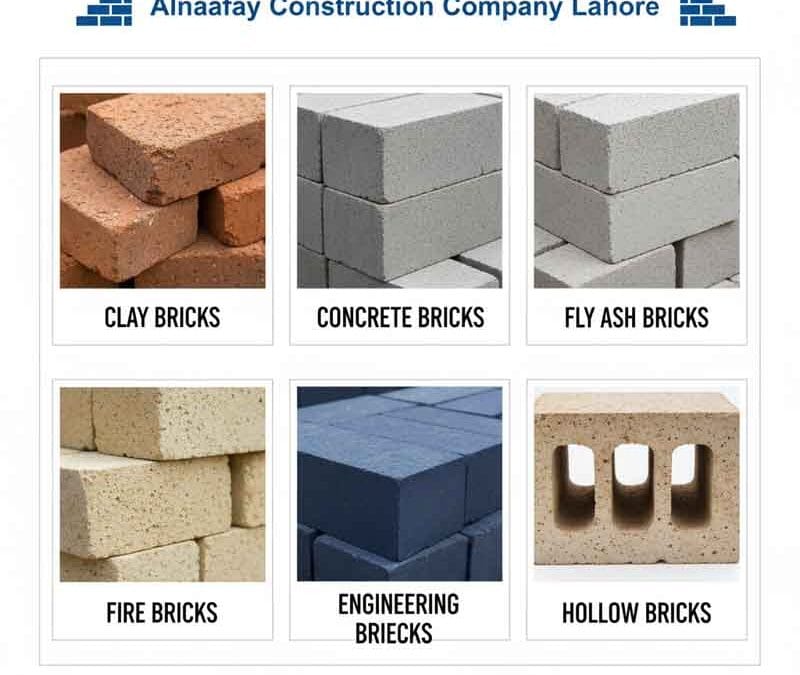
Types of Bricks
Choosing the right building material is one of the most fundamental decisions in any construction project. Among the vast array of options, bricks stand out for their durability, classic appeal, and versatility. However, not all bricks are created equal. Understanding the various types of bricks available is crucial for architects, builders, and homeowners alike to ensure a successful and long-lasting structure. This guide explores the different types of bricks, their benefits, and how to choose the best ones for your needs.
Understanding the Primary Categories of Bricks
Bricks are generally classified based on their manufacturing process, materials, and intended use. Consequently, knowing these distinctions helps in selecting the appropriate material for a specific application, from structural walls to decorative veneers.
Burnt Clay Bricks
Burnt clay bricks are the most common and traditional types of bricks used globally. They are formed in molds and then fired in a kiln at high temperatures. Furthermore, this process gives them strength, hardness, and a distinctive reddish color. They are categorized into four classes based on their quality.
- First-Class Bricks: These are top-quality, well-burnt bricks with uniform color, smooth surfaces, and sharp edges. They are strong and durable, making them ideal for permanent structural work.
- Second-Class Bricks: These are moderately well-burnt. While they may have slight irregularities, they are still suitable for most general construction work.
- Third-Class Bricks: These are under-burnt and softer, with a light color. They are generally used for temporary structures where strength is not a primary concern.
- Fourth-Class Bricks: Over-burnt and misshapen, these bricks are often crushed and used as aggregate in concrete or for road construction.
Sand Lime Bricks (Calcium Silicate Bricks)
Sand lime bricks are manufactured by mixing sand, fly ash, and lime. The mixture is then molded under pressure to form bricks. Unlike clay bricks, they are not fired in a kiln but cured in an autoclave. This results in a smooth, uniform appearance and excellent compressive strength. As a result, they are a popular choice for ornamental work and structural walls.
Concrete Bricks
Made from a mixture of solid concrete, cement, and sand, concrete bricks are a versatile option. They can be manufactured in various colors and are often used for fences, facades, and internal brickwork. Moreover, their production process allows for greater control over size and strength, making them a reliable building material.
Fly Ash Clay Bricks
As an eco-friendly alternative, fly ash clay bricks incorporate fly ash, a byproduct of coal combustion, into their composition. This not only reduces environmental waste but also results in a lighter brick with good thermal insulation properties. These types of bricks are becoming increasingly popular in modern construction.
Benefits of Using Different Brick Types
Each of the types of bricks offers a unique set of advantages. For example, burnt clay bricks are renowned for their fire resistance and natural insulation, helping to regulate indoor temperatures. On the other hand, sand lime bricks provide superior acoustic performance and a clean, modern aesthetic. Concrete bricks offer excellent structural load-bearing capacity, while fly ash bricks contribute to sustainable building practices.
Brick Design and Global Influence
Brick architecture has a rich history, with different styles evolving across cultures and climates.
Famous Brick Architecture Around the World
The Netherlands is particularly famous for its innovative and widespread use of brick. Dutch architecture, from historic canal houses in Amsterdam to modern experimental buildings, showcases the material’s versatility. The country’s abundance of river clay made brick a logical and economical choice. Therefore, Dutch masons developed advanced techniques that influenced building practices across Europe and beyond.
Brick Construction in Lahore, Pakistan
In Lahore, Pakistan, brick remains a dominant building material, reflecting a rich architectural heritage from the Mughal era. The city’s hot and dry climate makes brick an ideal choice due to its thermal mass, which helps keep interiors cool. Many prominent housing societies feature beautiful brickwork. For instance, you can see extensive use of various types of bricks in neighborhoods like DHA, Bahria Town, Lake City, and Valencia. Additionally, areas such as Wapda Town, Johar Town, Model Town, Gulberg, Askari, and Cantt also showcase a mix of traditional and modern brick construction, demonstrating the material’s enduring appeal.
Key Considerations for Your Brick Project
Embarking on a construction project with bricks requires careful planning. Understanding potential pitfalls and best practices is essential for a successful outcome.
Common Mistakes to Avoid
One frequent error is choosing the wrong types of bricks for the climate. For example, using highly porous bricks in a rainy or freeze-thaw environment can lead to rapid deterioration. Another mistake is poor mortar mixing, which can compromise the structural integrity of the wall. Finally, neglecting proper site preparation can cause foundational issues down the line.
Maintenance and Budgeting Tips
Brick structures are known for their low maintenance. However, periodic inspection for cracked mortar joints is recommended. Repointing, which is the process of renewing the mortar, can extend the life of your brickwork significantly. When it comes to budget, remember that while some high-end types of bricks may have a higher initial cost, their longevity and low maintenance can result in long-term savings. You can also save money by using reclaimed bricks for a rustic look or choosing more common, locally sourced options.
With patient planning, respect for local climate and codes, and good teamwork with experts, you can create a beautiful and durable structure. Considering these factors ensures that your investment in quality brickwork pays off for decades to come.
Frequently Asked Questions (FAQs)
Q: Which type of brick is the strongest?
A: Generally, first-class burnt clay bricks and engineering bricks offer the highest compressive strength, making them suitable for heavy load-bearing structures.
Q: Can I use different types of bricks together?
A: Yes, mixing different types of bricks can create unique visual effects. However, it’s important to ensure their physical properties, such as absorption rates and thermal expansion, are compatible to prevent structural issues.
Q: Are bricks an environmentally friendly choice?
A: Bricks are a natural and durable material. Options like fly ash bricks and reclaimed bricks are particularly sustainable choices, as they reduce waste and conserve resources.
Q: How do I choose the right brick color?
A: Brick color depends on the clay and firing temperature. It’s best to view samples in person and consider your home’s overall design, including roof and trim colors, before making a final decision. The selection of different types of bricks can greatly influence the final aesthetic.
Quick Links
Social Icons
Contact Us Information
443 J3 Johar Town Lahore near Expo Center Lahore
