
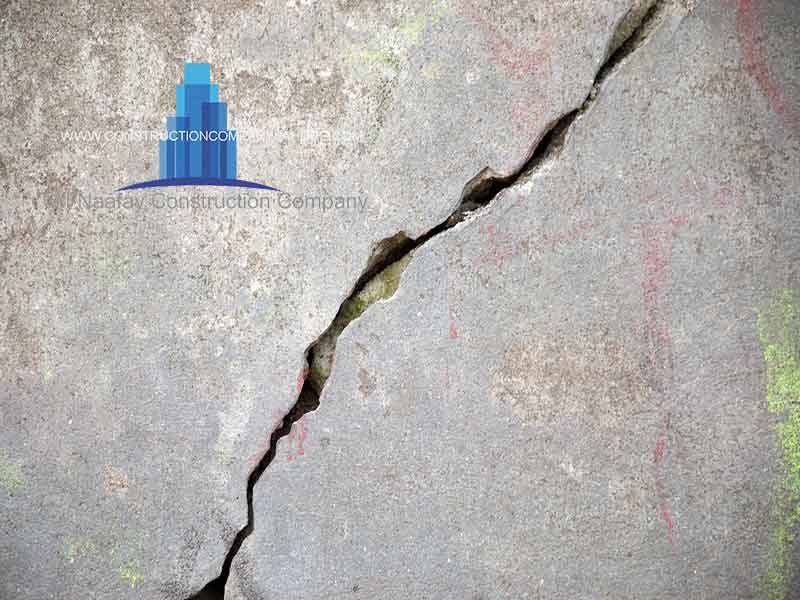
What Causes Cracks In Walls Common Causes
- Factors Of Wall Cracks
- Types Of Cracks In Walls
- Causes Of Vertical Cracks In Walls
- Causes Of Horizontal Cracks In Walls
- Solution Of Cracks In Wall
FACTORS OF WALL CRACKS: (What Causes Cracks In Walls Common)
- 1. Your Home Is New
- 2. Your Home Is Old
- 3. Plaster Shrinkage
- 4. Damp And Moisture Ingress
- 5. Ceiling Cracks
- 6. Tree Roots
- 7. Earthquakes And Vibrations
- 8. Subsidence
- 9. Settlement
- 10. Differential Movement
- 11. Climbing Plants
- 12. Neighbouring Renovation Projects
What Causes Cracks In Walls Common
Discovering a new crack in your wall can be unsettling, but before jumping to conclusions, it’s essential to look for signs that may suggest the crack is benign.
By observing certain indications, you can determine whether the crack has stabilized.
For instance, if cracks have been previously repointed but haven’t reopened, it signifies that any movement has ceased.
Additionally, even if doors, windows, or floors appear misaligned, they may have settled into their new positions.
As long as there are no signs of fresh movement, it is likely that the issue has stabilized.
Understanding these indicators can help alleviate concerns associated with new wall cracks and provide assurance that further damage is unlikely.
What Causes Cracks In Walls Common
Types Of Cracks In Walls
- 1. Horizontal Crack at the Junction of Roof Slab and Masonry Wall Support
- 2. Vertical Cracks at Junction of R.C.C. Column and Wall Masonry
- 3. Cracks Due To Chemical Reactions and Preventive Measures
- 4. Cracks in Foundation
- 5. Extension of Existing Building
- 6. Cracking of Compound Wall
- 7. Horizontal Cracks in the Topmost Storey
- 8. Cracks in External and Internal Walls of Load-Bearing Structures
- 9. Random Cracks in All Directions Involving both External and Internal Walls
- 10. Partition Walls in Load-Bearing Structures
- 11. Vertical Cracks in Buildings
- 12. Reinforced Concrete Roofs at Different Levels
Causes Of Vertical Cracks In Walls:
Vertical cracks commonly found in poured concrete foundation walls are primarily caused by shrinkage during the concrete curing process.
This natural shrinkage can result in vertical cracks forming in the walls.
Another cause of vertical wall cracks is improperly taped drywall. When drywall installation lacks sufficient application of drywall mud,
the tape used can loosen over time, leading to the development of cracks. While these cracks can be vertical,
it’s important to note that they may not always follow a vertical pattern.
Understanding the causes of vertical cracks in poured concrete foundation walls and drywall can help homeowners and professionals identify and address these issues effectively.”
“Significance of Large Horizontal Cracks:
Structural Movements and Potential Foundation Issues
Large horizontal cracks in structures should never be taken lightly, as they are typically indicative of significant structural movements.
These cracks often stem from severe foundation shifting or water damage, which can compromise the integrity of the building.
Given the potential implications, it is crucial to treat large horizontal cracks seriously. Seeking professional assistance is highly recommended to thoroughly investigate these cracks.
An experienced professional can assess the extent of the damage, identify the underlying causes, and propose appropriate remedial measures.
Don’t underestimate the importance of addressing large horizontal cracks promptly. By prioritizing professional investigation and intervention, you can safeguard the stability and safety of your structure.”
What Causes Diagonal Cracks In Walls:
“Understanding Diagonal Cracks in Walls: Causes and Significance of Structural Deterioration
Diagonal cracks observed in walls are commonly associated with structural deterioration, and it is crucial to address them promptly.
These cracks can be indicative of various underlying issues, such as subsidence, termite damage, or the collapse of supporting wood timbers.
The presence of diagonal or jagged cracks is particularly concerning, as it suggests potential structural instability. Given the severity of the situation,
it is highly recommended to seek professional assistance. Consulting with a qualified professional can help assess the extent of the damage, determine the root causes, and propose appropriate solutions.
Don’t underestimate the significance of diagonal cracks in walls. By taking immediate action and involving a professional,
you can effectively address the structural deterioration and ensure the safety and stability of your building.”
Solution Of Cracks In Walls:
When it comes to repairing vertical wall cracks caused by shrinkage during the concrete curing process, there are two common and straightforward repair options available:
- Filling with Caulk or Sealant: For smaller cracks, you can use a caulk or a suitable sealant to fill the gap. Ensure that the crack is clean and free of debris before applying the caulk or sealant. Use a caulking gun to carefully fill the crack, making sure the material fills the entire depth of the crack. Smooth the surface with a putty knife or a similar tool, and allow it to dry as per the manufacturer’s instructions.
- Injecting Epoxy or Polyurethane: For larger or more significant cracks, injecting epoxy or polyurethane can be an effective repair method. First, clean the crack thoroughly to remove any loose material or debris. Then, using an injection kit specifically designed for this purpose, follow the instructions to inject the epoxy or polyurethane into the crack. These materials will bond and seal the crack, providing structural stability and preventing further water infiltration.
It’s important to note that these repair options are suitable for minor cracks. If you encounter larger or recurring cracks, it is advisable to consult a professional for a thorough assessment and appropriate repair solutions.
Quick Links
Social Icons
Contact Us Information
443 J3 Johar Town Lahore near Expo Center Lahore
