
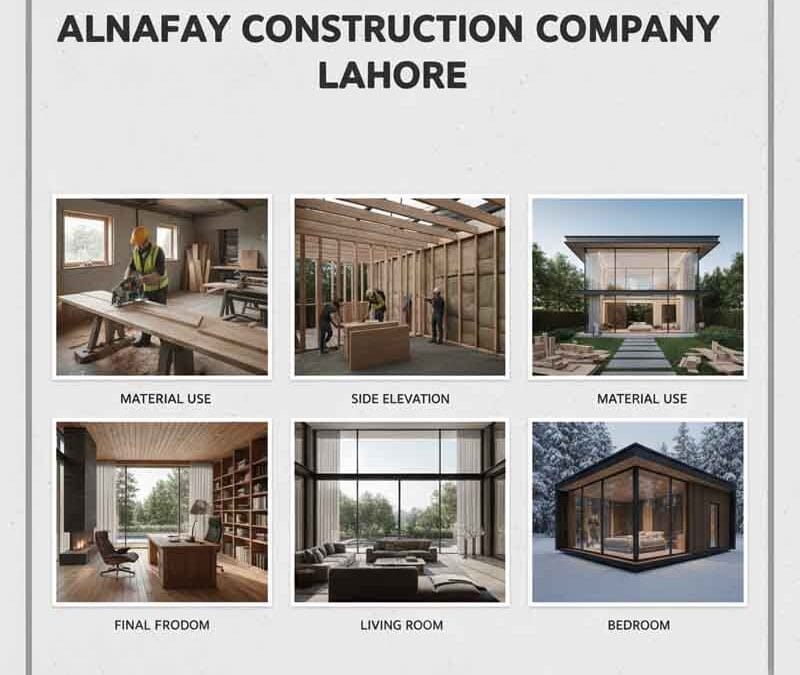
Wooden Cabin design for offices: a bright, quiet work space in your own garden
A small office can change a whole day. Light, silence, and a clear desk can help your brain feel calm. Work then becomes easier, and home life also feels more balanced.
Picture a simple story. A parent works from home at the dining table. Kids come for snacks. The doorbell rings. Phone calls overlap with cartoons. After a week, the parent feels aggravated, not because the job is “too hard,” but because the space is doing too many jobs at once. Therefore, the parent decides to build a small wooden cabin outside as a real work zone, with a door that closes, a window that brings daylight, and a heater or AC that makes it comfortable.
That is the heart of a cabin office: a quiet place that keeps work separate from home. However, good results do not happen by accident. Planning must be smart, because a cabin can overheat, get damp, or become noisy if details are ignored. Consequently, this guide explains everything in easy English so even children can follow the logic.
“With patient planning, respect for local climate and codes, and good teamwork with experts, a Turkish stone house can become”
That same patient planning is also what makes a cabin office succeed.
What is a timber office cabin design?
A wooden cabin office is a small, separate building made mostly from timber (wood). It is built to function like a real office: it has power, lighting, ventilation, and internet access. In contrast to a shed, an office cabin is designed for daily comfort and long sitting hours.
Several common names are used:
- garden office cabin
- backyard workspace pod
- timber home office studio
- prefab wooden office cabin
Although the shapes can differ, the goal stays the same: create a quiet, comfortable workplace close to home. Wooden Cabin design for offices
Wooden Cabin design for offices: why families and business owners love it
A Wooden Cabin design for offices is popular because it solves real-life problems without needing a full house extension.
Better focus, fewer interruptions
A separate cabin creates a “work boundary.” Kids can still be nearby, yet the physical distance helps everyone respect working time. Moreover, noise from TV and kitchen activity stays indoors.
Clear work-life balance
Finishing work feels easier when you walk back to the main house. That small walk becomes a daily “switch” between work mode and family mode.
A calmer space for calls and meetings
Video calls feel professional in a tidy cabin. Additionally, your background stays consistent, and you can control lighting better than inside a busy home.
More value from unused outdoor space
Many homes have a side lawn, a back corner, or a terrace area that stays empty. A cabin turns that spot into something useful.
Flexibility for the future
Today it is an office. Later it can become:
- a study room for kids,
- a hobby studio,
- a guest room (if code allows),
- or a small library.
Because the space is flexible, the investment often feels worth it.
Which country is this design most famous in?
Wooden cabins as a lifestyle idea are strongly linked with Finland and other Nordic countries, where forests and timber traditions are important parts of national life and building culture. Finland, in particular, is widely associated with extensive forests and a strong wood-products sector, which supports timber building and cabin culture. Encyclopaedia Britannica – Finland
At the same time, “garden office” cabins became especially common in places where work-from-home grew fast, including parts of the UK and North America. Still, if you want one clear country for “wooden cabin culture,” Finland is a strong answer because of its long-standing cabin tradition and forest-based economy. Encyclopaedia Britannica – Finland
Lahore angle: where cabin offices are being added
In Lahore, many homeowners want a quiet work zone without moving to a bigger house. Consequently, people often explore office cabins where there is enough outdoor space, a terrace, or a corner lawn.
As a general market observation (not an official ranking), these areas are commonly mentioned when people talk about modern renovations and lifestyle upgrades:
- DHA Lahore
- Bahria Town Lahore
- Lake City Lahore
- Valencia Town
- Wapda Town
- Johar Town
- Model Town
- Gulberg
- Askari Housing
- Lahore Cantt
Because Lahore has hot summers and monsoon rains, climate-smart choices matter for comfort and durability. A general overview of Lahore’s setting and climate context is available through Britannica. Encyclopaedia Britannica – Lahore
Planning a backyard office cabin in Lahore climate
Hot weather changes everything. Humidity also changes everything. Therefore, your cabin should be planned like a small “smart house,” not like a decorative wooden box.
Choose the right location first
- Place the cabin where it gets soft daylight, not harsh afternoon sun.
- Keep it away from the loudest street side if possible.
- Leave space around walls so air can move and rainwater can drain.
Think about sun direction
West sun in Lahore can be intense. Consequently, large west-facing glass can heat the cabin quickly. Shade can help, but orientation is still the first defense.
Plan for rainwater movement
Water should flow away from the cabin. Additionally, roof overhangs and gutters reduce splash marks on wood cladding.
Respect neighbors and privacy
A cabin window facing a neighbor’s bedroom can create discomfort. Instead, angle windows toward your own garden or add privacy screens.
Wooden Cabin design for offices: sizes that work in real life
A common mistake is building too small. A small cabin can still work; however, it must fit your chair, desk, and movement.
Micro office cabin: 6×8 ft to 8×10 ft
This size works for one desk, one chair, and wall shelves. Moreover, it is cheaper and faster to build. Calls are fine, yet two-person meetings feel tight.
Comfortable solo cabin: 10×12 ft to 12×12 ft
This size supports:
- one main desk,
- a visitor chair,
- and a small storage cabinet.
Because movement is easier, long workdays feel less tiring.
Two-person cabin: 12×16 ft or larger
Two desks, a small meeting table, and storage can fit. Additionally, an attached small tea corner becomes possible.
Cabin with toilet: add space carefully
A washroom adds cost and complexity. Plumbing, waterproofing, and ventilation must be correct. Still, it can be very useful for long work sessions.
Layout ideas for a garden office cabin
The “single wall desk” plan
Desk faces a window. Storage goes behind you. Consequently, video calls look neat and light hits your face softly.
The “L-shaped work zone” plan
One side holds the main desk. Another side holds a printer table and shelves. As a result, the main desk stays clean.
The “mini meeting” plan
A small round table sits near a corner window. Meanwhile, the main desk stays separate for focused work.
The “studio” plan
A clear middle space supports drawing, crafting, or product photography. Therefore, the cabin becomes a creative office, not only a laptop room.
Materials used in timber office cabin construction
A good cabin is like a layered sandwich. Each layer has a job.
Structure options
- Timber frame (common): strong, affordable, easy to repair.
- Engineered timber (glulam/CLT): premium feel, precise, often faster, yet usually higher cost.
- Steel frame + wood cladding: slimmer structure, strong, but needs corrosion protection.
Exterior wall finish options
- Natural wood cladding (requires protective coating)
- Fiber-cement boards with a wood look (lower maintenance)
- Composite cladding (stable, but quality varies)
Insulation layers
Insulation keeps the cabin cool in summer and warm in winter. The U.S. Department of Energy explains how insulation improves comfort and reduces energy use, which is useful thinking even if you live outside the U.S. DOE – Insulation
Common insulation choices include:
- mineral wool (good fire performance and sound control)
- foam boards (strong thermal performance)
- fiberglass (common, needs correct installation)
Interior finishes
- gypsum board (clean walls, easy paint)
- wood panels (warm look, but must be sealed properly)
- acoustic panels (helps reduce echo)
Because offices need quiet, interior materials should reduce echo, not amplify it.
Windows and doors for a small office cabin
Windows bring light. Glass also brings heat. Therefore, selection matters.
Glazing basics in easy words
- Double glazing: two panes, better comfort than single glazing.
- Low-E glass: coatings that reduce unwanted heat transfer while keeping light.
The U.S. DOE explains how window features affect energy performance and comfort. DOE – Windows
Door choices
- Solid-core door improves sound control.
- Weather seals reduce dust and insects.
- A small canopy above the door keeps rain away.
Because Lahore dust can enter through tiny gaps, strong seals are worth it.
Shading and heat control: the “cap” for your cabin
Sun control is often cheaper than buying bigger AC units. Consequently, good shading is a top priority.
Practical shading tools:
- roof overhangs
- pergolas with slats
- external blinds
- vertical fins on west-facing windows
- trees and tall plants for living shade
Although interior curtains help, exterior shading blocks heat earlier, which usually works better.
Electrical planning for office cabins
An office needs safe, reliable power. A messy electrical plan can make the project go out of control later, especially when you start adding equipment.
Include:
- enough sockets for laptop, monitor, printer, and phone charging
- a separate circuit for AC/heater if required
- proper earthing/grounding (local standards apply)
- exterior-rated wiring for outdoor runs
- surge protection for computers
Additionally, place sockets where you actually use them. A socket behind a cabinet becomes useless.
Internet and connectivity in a cabin office
A beautiful cabin is not helpful if the internet is weak.
Common solutions:
- run an Ethernet cable from the main house to the cabin
- use a mesh Wi‑Fi system with an outdoor-rated node
- add a network switch if you have multiple devices
- plan power and cable conduits before finishing walls
Because walls get closed after finishing, early planning prevents drilling and patching later.
Lighting design: simple, calm, and productive
Office lighting should support eyes and mood.
A good lighting mix includes:
- daylight from a side window (reduces screen glare)
- ceiling ambient light (soft general brightness)
- desk task light (focused lighting for reading)
- warm accent light (for evening calm)
Meanwhile, avoid a single harsh ceiling bulb, because it can create hard shadows and tired eyes.
Heating, cooling, and ventilation for a work cabin
Comfort decides whether you actually use the cabin every day.
Cooling options
- inverter split AC (common and reliable)
- small heat pump unit if available
- ceiling fan to improve comfort
Heating options
- heat pump heating (efficient where supported)
- small electric heater for mild winters
- insulated cabin + gentle heating = best result
Ventilation and fresh air
Fresh air reduces headaches and tiredness. Moreover, ventilation reduces indoor humidity, which protects wood and electronics.
If you keep windows closed for dust control, consider a controlled fresh-air approach. Building Science Corporation often discusses the need for balanced ventilation and moisture control in high-performance enclosures. Building Science Corporation
Soundproofing: how to keep calls private
A cabin office must protect focus. Noise control, therefore, is a major design target.
Simple soundproofing steps:
- mineral wool insulation inside walls
- double-layer gypsum board on key walls
- solid-core door with seals
- acoustic panels or fabric wall art
- thick rug or carpet tile on the floor
In contrast, a bare wood interior can echo, making calls sound loud and sharp.
Wooden Cabin design for offices: fire safety and safe materials
Wood can be safe when designed correctly. Still, fire safety needs respect.
Practical steps:
- use certified electrical components
- avoid overloaded extension boards
- keep a small fire extinguisher inside
- use smoke alarms if allowed and appropriate for the setting
- choose interior finishes with better fire performance where possible
Additionally, follow local building rules and society guidelines for setbacks and materials.
Step-by-step construction process for an office cabin
A clear sequence keeps quality high. Confusion on site often leads to waste, and waste pushes cost up the wall.
Step 1: Brief and purpose
Write your needs:
- one-person or two-person
- meeting space or solo focus
- heavy computer work or light laptop work
- storage needs
Step 2: Check society rules and local codes
Confirm what is allowed. Heights, setbacks, and utility rules can differ by area.
Step 3: Site and base selection
Choose a base:
- concrete slab (stable and clean)
- raised deck (good for airflow, needs careful detailing)
A stable base helps doors and windows stay aligned.
Step 4: Frame construction
Build wall frames, roof structure, and openings. Straight framing makes finishing easier.
Step 5: Weather barrier and roof waterproofing
Install proper membranes and flashing. Rain management must be right before insulation goes in.
Step 6: Electrical and internet rough-in
Run conduits, boxes, and cables. After that, test routes and power plan.
Step 7: Insulation and air sealing
Install insulation carefully. Seal gaps around openings. Comfort depends on these details.
Step 8: Interior finishing
Add boards, paint, flooring, shelves, and acoustic panels. Then install lights and switches.
Step 9: Exterior cladding and protective coatings
Finish cladding and apply weather protection. Consequently, wood stays healthier.
Step 10: Final testing and handover
Check:
- door and window seals
- leakage after rain
- AC operation
- internet speed
- lighting comfort for video calls
Cost factors: what changes the budget
Prices vary by city and time. Still, cost drivers are predictable.
Main cost drivers:
- size and insulation level
- window and door quality
- HVAC system choice
- electrical complexity and internet routing
- foundation type
- cladding material (natural wood vs low-maintenance boards)
- built-in furniture and storage
Money often goes out of control when owners add features after finishing starts. Therefore, finalize the plan early and approve a clear scope before work begins.
Maintenance tips for wooden office cabins
Wood ages beautifully when cared for. Neglect, however, can cause swelling, fading, and insect issues.
Simple maintenance routine:
- clean roof gutters and drains before monsoon
- recoat exterior wood on the schedule recommended for your product
- inspect seals around windows and doors once or twice a year
- keep plants from touching the walls to reduce moisture and pests
- check for termite risk and treat if needed (local practice applies)
A calm routine beats emergency repairs every time.
Common mistakes that hurt cabin office projects
Oversized glass without shading
Heat and glare can make the office uncomfortable. Shade first, then glass.
No insulation in walls and roof
A cabin becomes an oven in summer and a fridge in winter. Insulation is not a luxury; it is the comfort engine. DOE – Insulation
Weak internet planning
Wi‑Fi struggles through thick walls and distance. Wired internet or mesh planning should happen early.
Cheap door hardware
A sticky door and weak locks create daily annoyance and security risk.
Ignoring drainage around the base
Standing water near the cabin can damage wood and invite insects.
When these mistakes stack up, owners feel aggravated and the project can go up the wall in both cost and stress.
Safety tips for kids around office cabins
Kids love small buildings. Curiosity is normal, so safety should be built in.
- Use non-slip steps and a stable handrail if the cabin is raised.
- Keep tools, paints, and electrical items locked during construction.
- Add finger-safe door closers if small children visit often.
- Choose safe glass types where large windows exist.
- Place outdoor lighting on paths for evening safety.
Additionally, create a simple rule: the cabin is a “work room,” so children knock before entering. That rule teaches respect and keeps meetings smooth.
A Lahore-friendly design recipe for a cabin office
Here is a practical “Lahore mix” that often works well:
- place the cabin on the calmer side of the plot
- aim the main window to morning light if possible
- add a deep overhang or pergola on the sunny side
- use double glazing with good seals for dust control DOE – Windows
- insulate roof strongly because roof heat is powerful DOE – Insulation
- include a split AC for peak summer comfort
- install an Ethernet cable for reliable calls
Because Lahore weather can be intense, this mix keeps the cabin usable for more months of the year.
Wooden Cabin design for offices in top Lahore societies
A Wooden Cabin design for offices is often discussed as a lifestyle upgrade in neighborhoods where:
- people work remotely,
- plots have usable back space,
- and renovations are common.
As a general market observation, this includes DHA Lahore, Bahria Town Lahore, Lake City Lahore, Valencia Town, Wapda Town, Johar Town, Model Town, Gulberg, Askari, and Lahore Cantt. Local rules and neighbor expectations still matter, so always confirm what is permitted in your specific area.
A simple story ending: the “quiet door” effect
After the cabin was built, the parent in our story did something small. A cup of tea was placed on the desk. A laptop was opened. The door was closed gently. That single door created focus, because it separated work noise from home noise.
Meanwhile, the family also benefited. Kids could still play indoors without constant “shh” requests. Evenings felt lighter because work ended with a short walk back to the house. Therefore, the cabin became more than a room. It became a daily routine that improved everyone’s mood.
Conclusion: build a cabin office that stays comfortable and calm
A Wooden Cabin design for offices is one of the smartest ways to create a real work zone at home. Good planning keeps heat, dust, and noise under control. Clear insulation and window choices improve comfort and reduce energy waste. DOE – Insulation DOE – Windows
Finland is a strong “most famous” answer for wooden cabin culture because of its deep forest resources and wood-based traditions, which support cabin building as a normal part of life. Encyclopaedia Britannica – Finland
In Lahore, cabin offices are often considered in top societies such as DHA Lahore, Bahria Town Lahore, Lake City Lahore, Valencia Town, Wapda Town, Johar Town, Model Town, Gulberg, Askari, and Lahore Cantt, as a general market observation. Lahore’s climate makes shading and waterproofing especially important. Encyclopaedia Britannica – Lahore
If your project starts to go wild with changing ideas, return to basics: purpose, comfort, insulation, and a clean scope. When teams stay organized, costs are less likely to go out of control, and daily use becomes easy.
Small FAQ
Which country is wooden cabin design most famous in?
Finland is strongly associated with cabin culture and timber traditions, supported by extensive forests and a major wood-products sector. Encyclopaedia Britannica – Finland
Can a wooden office cabin work in Lahore’s heat?
Yes, although insulation, shading, and good windows are essential. Energy guidance on insulation and window performance helps explain why these layers matter. DOE – Insulation DOE – Windows
What size is best for one person?
Many people feel comfortable in 10×12 ft or 12×12 ft because it fits a desk, visitor chair, and storage without feeling tight.
How do I keep the budget controlled?
Finalize the layout and window sizes early, choose one cladding system, and avoid late changes. Clear scope prevents spending from going up the wall.
Quick Links
Social Icons
Contact Us Information
443 J3 Johar Town Lahore near Expo Center Lahore
