
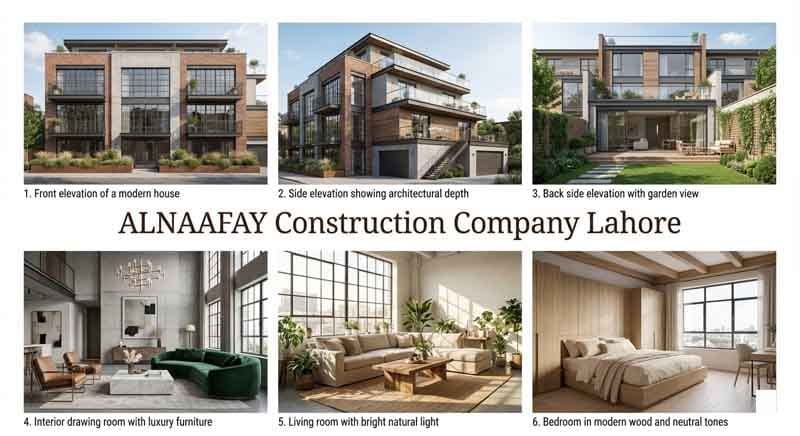
Loft-Style Apartments !
Hello, young adventurers and big-city dreamers! Imagine living in a giant, super-cool room that used to be a bustling factory or a busy warehouse. No tiny little boxes for rooms, just one enormous, bright space where everything feels connected! Wouldn't that be an amazing place to play, learn, and grow? Today, we're going on an exciting journey to explore something truly special: loft-style apartments.
This isn't just about a type of home; it's about a whole way of living, full of freedom, creativity, and wide-open possibilities. We'll discover what makes a home feel like a giant, airy canvas, why so many people are choosing this unique style, and how you can bring its edgy, expansive magic into your life. Get ready to learn about clever design tricks, industrial treasures, and important tips that will help your home feel like a super-sized, welcoming sanctuary. Let’s open the doors and explore! loft-style apartments
What is a Loft-Style Apartment? Your Own Urban Playground!
Imagine walking into a building that once made big machines or stored mountains of goods. Now, picture that same huge building, but instead of noisy factories, it's filled with beautiful homes! That, my friends, is the heart of a loft-style apartment. It’s a type of living space that usually comes from converting old industrial buildings, like factories, warehouses, or even old schools, into modern homes.
Firstly, the most amazing thing about lofts is their size and openness. Think really, really high ceilings – sometimes twice as tall as a regular room! Then, imagine a super-wide-open floor plan, meaning there aren’t many walls separating the living room, kitchen, and dining area. It's like one giant, flowing space. Secondly, lofts often have enormous windows. These aren't just regular windows; they are often floor-to-ceiling or very wide, letting in tons of natural light. Moreover, you often see cool, historical bits left exposed, like rough brick walls, shiny metal pipes, or big wooden beams stretching across the ceiling. These elements tell a story about the building's past life.
Many people choose this style because it makes their homes feel incredibly spacious, bright, and unique. When you walk into a loft-style apartment, you might feel a sense of freedom and creativity, almost as if you’ve stepped into an artist’s studio or a modern art gallery. It’s a wonderful way to bring a sense of history, urban cool, and expansive living into your everyday life, making every moment inside feel inspiring and open.
Why Do People Fall in Love with These Grand, Open Spaces?
There are many fantastic reasons why people choose to live in loft-style apartments. This unique design offers so much more than just a place to sleep; it offers an entire lifestyle.
- Space, Glorious Space! Imagine a home where you can actually see from one end to the other! The high ceilings and open floor plans make lofts feel incredibly airy and large, even if the total area isn't enormous. This sense of openness is wonderful for families, as it allows for easy movement and a feeling of freedom. It’s perfect for kids who love to run around (carefully, of course!).
- A Canvas for Creativity: With so much open space, lofts are like a giant blank canvas for your imagination. You can arrange furniture in countless ways, create different "zones" for different activities without building walls, and display large artworks or unique furniture pieces that might not fit in a smaller home. This flexibility means your home can truly reflect your personality and change as your needs do. loft-style apartments
- Flooded with Light: The huge windows found in most loft-style apartments let in an incredible amount of natural light. This makes the space feel bright, cheerful, and welcoming. Lots of natural light is also good for your mood and can even help save energy during the day. It’s like living in a giant sunroom!
- Full of Character and History: Many lofts are old buildings with interesting stories. The exposed brick, concrete floors, or original beams are not just decoration; they are pieces of history. Living in a place with so much character means your home has a soul, a unique personality that you won't find in a brand-new, cookie-cutter house.
- Urban Cool: Lofts have a distinct, edgy, and modern feel. They are often found in trendy, vibrant city neighborhoods, appealing to people who love urban living, art, and design. It’s a style that feels sophisticated and laid-back at the same time, making it a popular choice for those who appreciate contemporary aesthetics.
The Building Blocks: Materials Used in Loft Design!
Creating a loft-style apartment is like being an architect and archaeologist at the same time, uncovering the old and blending it with the new. Let’s explore the amazing materials that help bring this industrial-chic dream to life.
Industrial Elements: The Raw Beauty
These materials tell the story of the building's past and give lofts their unique character. loft-style apartments
- Exposed Brick Walls: Often left as they were, these walls are a hallmark of lofts. Their rough texture and warm red, brown, or even painted white tones add immediate warmth and history. They become a natural focal point, a piece of art themselves.
- Concrete Floors: Instead of being hidden, concrete floors are often polished, stained, or left raw. They are incredibly durable, easy to clean, and provide a cool, modern base for the entire space. They also reflect light, adding to the bright feel.
- Steel Beams & Columns: The structural skeleton of the old building is often left exposed, painted black, white, or left in its natural metallic state. These steel elements add a strong, architectural presence and remind you of the building's industrial roots.
- Exposed Ductwork & Pipes: Instead of hiding air conditioning ducts or plumbing pipes behind walls, lofts often leave them exposed overhead. Painted to match the ceiling or left in their metallic finish, they add to the authentic industrial look.
- Metal Accents: From staircases with metal railings to industrial-style light fixtures and furniture with metal frames, these accents add a touch of modern toughness and contrast with softer elements.
Warmth & Contrast: Balancing the Toughness
To prevent a loft from feeling too cold or stark, designers add materials that bring warmth and comfort.
- Wood: This is crucial for balancing the industrial elements.
- Flooring: While concrete is popular, warm wood floors (like oak or reclaimed wood) can be used to define zones or add coziness throughout.
- Furniture: Large, solid wood tables, shelves, and cabinets bring a natural, organic feel that contrasts beautifully with concrete and steel.
- Ceilings: Original exposed wooden beams are a treasured feature, adding rustic charm and visual interest.
- Leather: A classic material for sofas and chairs, leather adds a sophisticated, comfortable, and slightly rugged touch that perfectly suits the loft aesthetic. It ages beautifully, gaining character over time.
- Soft Textiles: Large area rugs (often in natural fibers like wool or jute), plush sofas, throw blankets, and decorative cushions soften the hard edges of the industrial materials. They add texture, color, and make the space feel inviting and comfortable.loft-style apartments
Light & Transparency: Maximizing Openness
Lofts are all about light and maintaining that open feeling.
- Large Windows: As mentioned, huge, often multi-pane windows are a defining feature. They are often left uncovered or have very simple, minimalist blinds or sheer curtains to maximize light.
- Glass Partitions: Instead of solid walls, glass walls or sliding glass doors are often used to create separate rooms (like bedrooms or offices) while still allowing light to flow through and maintaining the open visual connection. This gives privacy without sacrificing light or space.
- Mirrors: Large mirrors are strategically placed to reflect light and expand the visual space, making the loft feel even bigger and brighter.
Color Palette: Sophisticated & Grounded
The colors in a loft are often understated to let the materials and architecture shine.
- Neutrals: Gray, white, black, and beige form the backbone of a loft's color scheme. They are timeless, sophisticated, and create a calm backdrop. White walls make the ceilings appear even higher.
- Industrial Pops: Occasionally, you’ll see carefully chosen accent colors that harken back to the industrial past, like deep rust (reminiscent of aged metal), deep blue, forest green, or even a splash of mustard yellow. These are typically used in artwork, a single piece of furniture, or textiles.loft-style apartments
Furniture: Bold & Functional
Furniture in a loft needs to be robust enough to hold its own in the large space and often serves multiple purposes.
- Large-Scale Pieces: Smaller furniture can get lost in a loft. Choose sofas, tables, and bookshelves that are substantial in size to fill the expansive space comfortably.
- Multi-functional: Because of the open plan, furniture that can serve multiple roles is excellent. A large island in the kitchen can be for cooking, eating, and working. A sofa might face two directions to define different zones.
- Vintage/Reclaimed: Pieces with a history, like reclaimed wood tables or vintage industrial cabinets, fit perfectly with the loft's character.
By combining these raw, industrial elements with softer, warmer textures and a thoughtful selection of furniture, a loft-style apartment becomes a truly unique and inviting home, brimming with character and modern flair.
Global Fame: Where Loft Living Shines Brightest!
While the concept of turning old industrial buildings into homes has spread worldwide, some places are particularly famous for their loft-style apartments and have played a huge part in making this design popular. Let’s take a look at five places where loft living truly shines.
1. The United States: The Birthplace of the Modern Loft
The USA, particularly New York City, is widely considered the birthplace of the modern loft-style apartments
- Why it's famous here: In the mid-20th century, artists in neighborhoods like SoHo and Tribeca started moving into abandoned textile factories and warehouses. They loved the cheap rent, the huge spaces to work and live, and the incredible natural light. Soon, what was once a practical solution became a trendy, sought-after style. This artistic, bohemian origin cemented the loft's cool factor.
- What you'll see: Authentic industrial conversions with original exposed brick, massive timber beams, cast-iron columns, and enormous factory windows. These are often multi-story buildings, now home to vibrant communities.
2. The United Kingdom: Revitalizing Industrial Heritage
The UK, with its rich industrial history, especially during the Industrial Revolution, has a wealth of old factory and warehouse buildings perfect for conversion. loft-style apartments
- Why it's famous here: Cities like London, Manchester, and Liverpool have seen extensive regeneration of their former docklands and manufacturing areas. Developers recognized the appeal of these unique spaces for urban living. The architectural character of these historical buildings resonates with a desire for distinct urban homes.
- What you'll see: Conversions of Victorian warehouses along riversides or canals, often featuring exposed brickwork, large windows, and sturdy industrial elements. They blend British historical charm with contemporary design, particularly popular in cosmopolitan centers.
3. Germany: Post-Industrial Transformation and Creative Hubs
Germany's industrial regions, particularly after economic shifts, offered many opportunities for adapting large factory complexes.loft-style apartments
- Why it's famous here: Cities like Berlin, Hamburg, and those in the Ruhr Area have transformed former industrial sites into modern residential and commercial districts. This move was driven by urban renewal efforts and a desire to create affordable, flexible spaces for a growing creative class.
- What you'll see: Lofts in Germany often showcase a clean, minimalist aesthetic combined with the raw industrial elements. There's a strong emphasis on functional design, natural light, and the integration of art. Old power plants or breweries are sometimes converted into stunning loft complexes, embracing the robust architecture.
4. Canada: Urban Renewal with an Industrial Edge
Canadian major cities, particularly Toronto and Montreal, have also embraced the loft concept.
- Why it's famous here: Similar to the US and UK, Canada's cities have a significant industrial past, especially in port cities and manufacturing centers. As these industries declined, the buildings became ideal for conversion into housing, appealing to a population looking for unique urban living solutions close to city centers.
- What you'll see: Many hard loft conversions (original buildings) in areas like Toronto's King West or Liberty Village, featuring authentic exposed elements. There are also "soft lofts" – newly constructed buildings designed to mimic the loft aesthetic with high ceilings and open plans, offering a modern take on the style.
5. Australia: Warehouse Conversions and Modern Living
Australia's major cities, notably Melbourne and Sydney, have a strong culture of innovative urban living and design.loft-style apartments
- Why it's famous here: As its inner cities underwent revitalization, many old wool stores, factories, and warehouses were converted, especially in areas close to former docks or railway lines. The outdoor-loving Australian lifestyle often influences these designs, blending urban grit with light, airy spaces.
- What you'll see: Loft conversions often emphasize indoor-outdoor living, with courtyards or large balconies integrated into the design. They feature exposed brick, concrete, and large windows to maximize sunlight, reflecting a contemporary, sophisticated approach to urban dwelling.
These countries, in their own unique ways, demonstrate how the universal appeal of spaciousness, history, and urban cool has led to the widespread popularity of loft-style apartments, transforming old industrial landscapes into vibrant, modern homes.
Lahore's Unique Take: Loft-Style Living in the City of Gardens!
Now, you might be thinking, "Lahore is a city famous for its beautiful Mughal gardens and traditional architecture, far from New York City's industrial factories! How can loft-style apartments fit there?" That’s a fantastic question! You are absolutely right; Lahore doesn't have the same history of large, abandoned industrial warehouses in its city center ready for conversion like New York or London.loft-style apartments
However, the idea and aesthetic of loft living are so appealing that they have inspired modern architects and developers in Lahore. Instead of converting old factories, the trend here involves creating new apartment buildings or renovating existing large spaces to mimic the key features of a loft. This adaptation allows Lahoris to enjoy the spacious, bright, and modern feel of a loft while living in a city that values its unique heritage.
Why Lahore Embraces the Loft Aesthetic
Lahoris appreciate elegant, spacious homes and value modern amenities. The loft-style aesthetic, even when newly built, offers several compelling benefits that resonate well with local preferences:
- Spaciousness and Openness: In a city where real estate can be compact, the open floor plans and high ceilings of a loft-inspired space make a home feel much larger and more luxurious. This provides a refreshing contrast to traditional homes with many smaller, separate rooms.
- Modern and Trendy: The industrial-chic look is seen as very contemporary and sophisticated. It appeals to a younger, more design-conscious demographic who are looking for unique and stylish living environments that stand out from conventional apartment layouts.
- Abundant Natural Light: Lahore enjoys plenty of sunshine. Designs with large windows, a hallmark of lofts, allow maximum natural light to flood the interiors, making spaces brighter and more inviting, and potentially reducing electricity consumption.
- Flexibility in Design: The open nature allows residents to customize their living spaces more freely, adapting the layout to their specific lifestyle needs, whether it's for entertaining, working from home, or creating distinct personal zones.
Popular Spots for Loft-Inspired Homes in Lahore
It's a common observation that homeowners and renovators in these areas are increasingly incorporating loft-style elements, particularly in newly constructed, upscale apartment complexes. This is not an official ranking of traditional lofts, but rather a general market observation of where the aesthetic of open, high-ceilinged spaces is being adopted:
- DHA Lahore (Defence Housing Authority): DHA is known for its modern and well-planned residential and commercial developments. Here, loft-inspired apartments are often found in high-rise buildings, where developers incorporate high ceilings, large floor-to-ceiling windows, and open-plan living areas to create a sense of grandeur and modernity. Exposed concrete or brick (often as a design feature) is used to capture the industrial feel.
- Bahria Town Lahore: This large, master-planned community features diverse architectural styles, including contemporary apartment complexes. Loft aesthetics are popular here for their spaciousness and the ability to combine living, dining, and kitchen areas into one large, flowing space, appealing to families seeking a modern lifestyle with ample room.
- Lake City Lahore: As a community designed with modern living in mind, Lake City's apartment offerings often feature contemporary designs. Loft-inspired elements like double-height living rooms, minimalist finishes, and large glass panes are used to maximize natural light and create an airy environment, complementing the scenic surroundings.
- Valencia Town: Valencia Town is known for its well-maintained homes and a strong community feel, now also embracing modern apartment trends. New apartment blocks here might feature open layouts, taller ceilings than traditional flats, and a streamlined, industrial-influenced interior design to cater to those looking for a contemporary urban living experience.
- Wapda Town: This area sees a mix of established homes and newer, often more modern, apartment projects. Renovations or new constructions might incorporate loft elements such as breaking down non-load-bearing walls to create open living spaces and emphasizing minimalist design to give a sense of openness.
- Johar Town: As a vibrant and rapidly developing area with many new apartment buildings, Johar Town frequently showcases modern design trends. The loft aesthetic appeals to a younger demographic looking for stylish, spacious, and flexible living arrangements. You might find innovative uses of exposed concrete, metal accents, and open layouts.
- Model Town: With its historic charm and well-established residential character, Model Town typically has more traditional homes. However, newer apartment buildings within or on its periphery might adopt loft elements to offer a contrasting, contemporary option for residents seeking modern amenities and spacious, open living.
- Gulberg: One of Lahore’s most upscale areas, Gulberg homes and apartments often feature bespoke designs where luxury and modernity are key. Loft-inspired apartments here are usually high-end, incorporating sophisticated exposed materials, custom-designed open layouts, and state-of-the-art systems to deliver a premium, spacious urban living experience.
- Askari: These secure and family-friendly communities, primarily designed for military personnel and their families, also feature modern apartment complexes. Loft-style elements, particularly open-plan living and dining areas with generous ceiling heights, are incorporated to provide a sense of space and contemporary comfort for residents.
- Lahore Cantt: In Lahore Cantt, which has a mix of older, colonial-era homes and newer developments, the loft aesthetic can be found in newly constructed apartment buildings. These typically feature open layouts, modern finishes, and large windows to appeal to those seeking a contemporary lifestyle within a well-established and green locality.loft-style apartments
Adapting the Loft Style for Lahore
Lahoris achieve the loft-inspired look by cleverly focusing on:
- Open Floor Plans: Designing newly built apartments with minimal internal walls, creating large, multi-functional living areas.
- High Ceilings: Incorporating higher-than-average ceilings, sometimes double-height spaces, to enhance the feeling of grandeur and airiness.
- Large Windows: Utilizing expansive window treatments, often floor-to-ceiling glass, to maximize natural light and offer broad views of the city.
- Exposed Elements (as design features): Using elements like exposed concrete (often polished), decorative brick walls (either real or veneer), or metal accents (in staircases, railings, or lighting) to mimic the industrial origin, even in new constructions.
- Minimalist Furnishing: Opting for clean lines, functional furniture, and a less cluttered approach to allow the spaciousness of the loft to shine.
- Color Palette: Sticking to neutral colors (grays, whites, blacks) for walls and floors, with strategic pops of color in furnishings and art to add warmth and personality.
In summary, while Lahore doesn't have the same historical context for genuine industrial loft conversions, the allure of the loft-style apartments aesthetic is universal. It’s a style that transcends geographical boundaries, proving that the spaciousness, modern edge, and urban cool can be brought into any home, anywhere, even in the heart of bustling Lahore, transforming urban living into a sophisticated and expansive experience.
Building Your Dream Loft: A Step-by-Step Adventure!
Let’s imagine the Openheart family wants to build their perfect loft-style home. This is how their exciting journey might unfold, step by step, transforming a vision into a grand living space!
Step 1: Dream Big and Plan Your Open Horizon!
The Openheart family sat down with big smiles and even bigger dreams. Mrs. Openheart loved the idea of a bright, airy space for entertaining, while little Leo Openheart imagined a huge floor for roller-skating (safely, of course!). Mr. Openheart, meanwhile, focused on creating a functional home that felt truly unique.
- Gather Ideas: They looked at lots of pictures in magazines and online, collecting images of lofts that felt vast, stylish, and welcoming. They saved photos of exposed brick walls, huge windows, and clever ways to divide open spaces without using solid walls. This treasure hunt for ideas helped them clearly define what they truly wanted for their loft-style apartment.
- Think About How You Live: The Openhearts thought about how they use their home every day. Do they work from home? Do they host big parties? Do the kids need a quiet study nook? Knowing this helps design a space that truly works for them. For example, they decided they needed a designated, yet open, home office area.
- Budgeting and Timelines: They also talked about how much money they could spend and how long they wanted the project to take. This is a very important first step, as it helps everyone stay realistic and makes sure they don't go overboard with expenses. Setting clear financial boundaries ensures the project remains joyful.
Step 2: Expert Help: The Master Builders of Open Spaces!
Next, the Openhearts found a friendly architect and a talented interior designer who specialized in modern, open-plan spaces. These experts were like their guides to building a magnificent structure!
- Finding Good Experts: They chose people who understood their vision for a loft-style apartment and had creative ideas about how to make it functional and beautiful, even suggesting ways to incorporate natural light. A skilled designer can truly help make your dream a reality, offering solutions you might not have considered.
- Drawing the Plans: The designer drew pictures and detailed plans of the new loft, showing where everything would go – the kitchen island, the living area, the "sleeping nook," and the office zone. They even created 3D models to help the Openhearts visualize the space.
- Choosing Big Items: Together, they picked out the main things: the materials for the floors (polished concrete!), the type of windows (large, industrial-style panes!), and the style of kitchen cabinets (sleek, minimalist with metal accents!).
- Clear Communication is Key: When you're talking to your architect or designer, clear communication is like charting a course on a vast ocean. It truly helps to avoid misunderstandings. With patient planning, respect for local climate and codes, and good teamwork with experts, Avoid using to go crazy as it is potentially harmful. Consider using an alternative, such as to go wild, to go out of control, to go up the wall, to be aggravated, to get confused. This meticulous approach ensures everything progresses smoothly and your grand loft takes shape beautifully.
Step 3: Demolition Day (Careful!) or Initial Construction Prep:
If they were converting an old building, this is where the old internal walls and non-structural elements would be carefully removed to create the open space. If it was a new build, this would be the phase for preparing the site and laying the core structure. It can get a little dusty and loud, but it’s an important step. Safety is paramount during this phase, therefore making sure everyone is out of the way and wearing protective gear is crucial.
Step 4: Structural Work & Utilities: The Skeleton of the Loft!
Now, it’s time to get the basic structure ready, focusing on the defining elements of a loft.
- High Ceilings & Large Openings: If they were converting an old building, old dropped ceilings would be removed to expose the original height and beams. New structural elements might be added to support large window openings. For a new build, the structure would go up, ensuring those impressive high ceilings.
- Plumbing & Electrical: Workers installed new pipes for the kitchen and bathrooms, and laid out wires for lights, outlets, and the many appliances an open space might need. They planned for exposed conduit wiring in some areas for an industrial touch.
- Flooring Prep: The concrete base for the polished concrete floors was laid, or the subfloor was prepared for wood installation.
Step 5: Defining Zones (Without Walls!) & Key Installations:
This is where the open space starts to take shape with distinct areas.
- Flooring Installation: The polished concrete floors were installed, buffed to a sleek, modern finish. In the sleeping area, a warm area rug would later define the space.
- Window Installation: The enormous, industrial-style windows were carefully put in place, immediately flooding the space with natural light and offering expansive views.
- Kitchen Island & Cabinets: The kitchen, often a central feature, began to take form. A large, multi-functional island was installed, serving as a prep area, dining space, and even a workstation. Sleek, minimalist cabinets were added.
- Partial Partitions/Shelving: To create a sense of separate "rooms" without building full walls, the family used clever tricks. They might install a tall, open bookshelf unit to separate the living area from the office, or a stylish half-wall to define the sleeping nook.loft-style apartments
Step 6: Finishing Touches: Bringing the Loft to Life!
The loft is almost ready for action! This stage adds personality and comfort.
- Painting & Surface Treatment: Walls were painted a crisp white to enhance the light and height. Exposed brick was cleaned and sealed, while some metal beams were painted black for a striking contrast.
- Lighting: Industrial-style pendant lights were hung over the kitchen island and dining area. Track lighting was installed along the high ceilings to highlight artwork and provide general illumination. Floor lamps and table lamps added soft, ambient light in various zones.
- Furniture & Accessories: The Openhearts carefully selected large-scale furniture pieces: a deep, comfortable leather sofa, a robust wooden dining table, and shelving units made of metal and reclaimed wood. Large rugs defined seating areas. Artwork, plants, and personal items were added to bring warmth and character.loft-style apartments
Step 7: The Grand Reveal!
Finally, the day arrived! The Openheart family walked into their new loft-style apartment and gasped with delight. It was even more grand, bright, and unique than they had imagined! It felt so spacious, so modern, and so welcoming. They couldn't wait to start living, creating, and making wonderful memories in their very own expansive urban sanctuary.
Keeping Your Loft Looking Sharp: Maintenance Tips for Little Helpers & Grown-Ups!
Just like a real, grand building needs care to stay strong and beautiful, your loft-style apartment needs a little love to keep it looking fantastic. Here are some tips that even little helpers can pitch in with!
Daily Dazzle: Quick Clean-Ups
- Wiping Surfaces: Lofts often have many flat, open surfaces. Wipe down countertops, tables, and shelves with a soft, damp cloth every day. This helps manage dust, which can settle easily in large, airy spaces.loft-style apartments
- Tidy Up: Because everything is open, clutter can quickly make a loft feel less spacious. Put away items after use, like toys, books, or dishes. A tidy space feels much bigger and calmer.
- Spot Cleaning: If someone spills juice or drops food, clean it up right away, especially on concrete floors where stains might set.
Weekly Wonders: A Bit More Detail
- Floor Cleaning: Sweep or vacuum the entire floor to pick up dust and debris. For polished concrete, use a damp mop with a neutral cleaner. For wood floors, use a wood-specific cleaner. Regular cleaning keeps these expansive surfaces looking their best.
- Dusting Exposed Elements: Exposed pipes, ductwork, and beams can gather dust. Use a long-handled duster or a damp cloth on an extension pole to gently wipe them down. This keeps the industrial features looking clean and crisp.
- Appliance Exterior: Give the fridge, oven, and dishwasher a quick wipe on the outside to keep them looking shiny and clean in your open kitchen.
Monthly Magic: Deep Cleaning Fun
- Window Sparkle: Lofts often have huge windows, which are fantastic for light but can get dirty. Clean them regularly to ensure maximum light intake and clear views. This might require a ladder for higher sections, so adult help is needed.loft-style apartments
- Furniture Care: Vacuum upholstered furniture and wipe down leather pieces. For any visible wood furniture, use appropriate wood cleaner and polish.
- Check Exposed Fixtures: Briefly check exposed pipes or metalwork for any signs of rust or damage. A quick wipe with a clean cloth can keep them looking good.
- Decluttering Stations: Go through one "zone" of the loft, like a bookshelf or a cabinet, to declutter and organize. This prevents items from piling up in an open-concept space.
Protecting Your Precious Pieces
- Rugs and Floor Mats: Use large area rugs to define zones and protect your concrete or wood floors, especially in high-traffic areas or under dining tables. Use doormats at entrances to trap dirt.
- Coasters and Trivets: Always use coasters under drinks and trivets under hot dishes on tables and kitchen islands, especially if they are made of concrete or wood, to prevent stains and heat damage.
- Humidity Control: In open spaces, humidity can affect both industrial (metal) and natural (wood) elements. Ensure good ventilation, and if you live in a very humid area, a dehumidifier might help protect your materials.
By following these simple steps, your loft-style apartment will continue to look fresh, modern, and inviting, ready for countless happy moments and wide-open living!
Avoiding Design Traps: Common Mistakes to Skip!
Even with the best intentions, it's easy to make a few slip-ups when designing or living in a loft-style apartment. Knowing these common mistakes can help you steer clear of choppy waters and ensure your open space remains a fantastic place to live!
- 1. Clutter in Open Spaces: Because there are no walls to hide things behind, clutter can quickly overwhelm a loft. A single messy corner can make the entire vast space feel untidy. It’s crucial to have smart storage solutions and a habit of putting things away. Otherwise, your beautiful open space can quickly become visually aggravating.
- 2. Ignoring Acoustic Challenges: High ceilings, hard surfaces (like concrete and exposed brick), and open plans mean sound can bounce around a lot, creating echoes. This can make conversations difficult and generally create a noisy environment. Forgetting about acoustics can lead to an irritating echo chamber. Consider adding soft furnishings like large rugs, heavy curtains, upholstered furniture, and even wall art or acoustic panels to absorb sound.
- 3. Lack of Defined Zones: An open plan is wonderful, but without some way to subtly divide the space, it can feel like one giant, undifferentiated room. This can make it hard to relax or feel cozy in any one area. Make sure to define different zones (living, dining, sleeping, working) using large area rugs, strategic furniture placement, tall shelving units, or even temporary screens.
- 4. Making It Too Cold or Industrial: While lofts celebrate industrial aesthetics, going too far can make the space feel cold, stark, and unwelcoming. Forgetting to balance raw materials with warmth can make a loft feel like a factory, not a home. Always layer in warmth with soft textiles (rugs, blankets), wood furniture, plenty of plants, and warm lighting to make the space inviting.
- 5. Poor Lighting Planning: Lofts often have amazing natural light, but artificial lighting needs careful planning for such large spaces. Relying on just one overhead light fixture will leave many areas dim. Plan for layered lighting: general overhead lighting, task lighting (for reading or cooking), and ambient lighting (for mood) in each zone. Dimmers are a loft dweller's best friend.
- 6. Forgetting Storage Solutions: The lack of traditional walls means fewer built-in closets. People might forget to plan for adequate storage, leading to clutter. Smart, multi-functional furniture (like ottomans with storage), custom built-ins that act as room dividers, and closed cabinetry are essential to keep a loft organized and feeling spacious.
- 7. Scale of Furniture: Using small, delicate furniture in a vast loft can make it look dwarfed and out of place. Conversely, trying to squeeze too many large pieces can make it feel cluttered. Choose furniture that is proportionate to the room's scale – larger, bolder pieces can hold their own in the expansive environment.
Safety First, Little Builders! Tips for Kids in Lofts!
Loft-style apartments are exciting and unique places to live, but their open spaces and industrial features mean we need to think about some specific safety tips, especially for our little explorers. Here's how to keep everyone safe and sound in your awesome, wide-open home.
- Open Spaces and Play Zones:
- Define Play Areas: In such a large, open space, it's a good idea to define specific play zones using a large rug, a play mat, or even low, open shelving that separates the play area from other parts of the loft.
- Clear Pathways: Keep major pathways clear of toys and obstacles. In an open-plan home, tripping hazards can affect everyone more easily.
- High Ceilings and Ledges:
- No Climbing: Remind children that high ledges, exposed beams, or shelves are not for climbing. Their curiosity might lead them to explore upward, but these areas are not designed for play.
- Secure Wall Decor: Ensure any large or heavy artwork, mirrors, or wall hangings on high walls are securely anchored, especially if they are within any potential reach (e.g., from climbing on furniture).
- Exposed Industrial Elements:
- Rough Surfaces: Exposed brick walls can be rough. Teach children to be gentle around them to avoid scrapes.
- Pipes and Ductwork: Exposed pipes or ductwork might get hot or have sharp edges. Explain that these are part of the building and not to be touched or played with.
- Metal Accents: Be aware of any metal furniture frames or sharp edges on industrial-style decor. Use corner protectors if needed.
- Stairs and Mezzanines (if applicable):
- Secure Railings: If your loft has a mezzanine level (a partial upper floor) or internal stairs, ensure railings are strong, at a safe height, and free of large gaps where a child could slip through.
- Safety Gates: For very young children, stair gates are essential at both the top and bottom of any stairs leading to a mezzanine.
- Large Windows:
- Safety Glass: If your loft has floor-to-ceiling windows, ensure they are made of safety glass (tempered or laminated) for protection against breakage.
- Window Guards/Stops: Consider installing window guards or stops to prevent windows from opening wide enough for a child to fall out.
- Cordless Blinds: If you use blinds, choose cordless options to eliminate strangulation hazards.
- Furniture Placement: Avoid placing furniture directly under large windows that children could climb onto, making it easier for them to access the window.
By teaching children about these safety tips and consistently creating a secure environment, everyone can enjoy the freedom and wonder of your loft-style apartment without worry, fostering a safe space for growth and exploration.
Counting the Bricks: Cost Factors for Loft-Style Living!
Building or renovating a home is always an investment, and creating a loft-style apartment has its own unique financial considerations. The cost can vary a lot, much like charting a course for a grand adventure! Let's look at the main factors that influence how many "gold coins" you'll need for your dream loft.
- 1. Renovation vs. New Build (Authentic vs. Inspired): This is one of the biggest cost differentiators.
- Warehouse Conversion (Authentic Loft): Converting an old industrial building can be very rewarding, but it often comes with hidden costs. You might encounter unexpected structural issues, old plumbing or electrical systems that need complete overhaul, or environmental remediation (cleaning up old industrial waste). Preserving original features like brick walls or steel beams can sometimes be more expensive than just building new.
- New Apartment with Loft Aesthetic (Inspired Loft): Building a new apartment that mimics the loft style (high ceilings, open plan, large windows) can be more predictable in terms of cost. However, achieving those architectural features (double-height spaces, large custom windows) often costs more than a standard apartment construction.
- 2. Size of the Space: Naturally, larger open spaces mean more materials for floors, more paint for walls, and bigger furniture to fill the area comfortably, all of which increase costs. High ceilings also mean more vertical space to finish and maintain.
- 3. Material Choices:
- Raw Materials: While exposed brick, concrete floors, or steel beams might seem "unfinished" and therefore cheaper, properly preparing and sealing these materials to be suitable for living can be expensive. Polishing concrete, for instance, is a specialized process.
- High-End Fixtures: To match the scale and aesthetic of a loft, you might need larger, more robust, or custom-designed fixtures (lighting, kitchen units, bathroom fittings), which typically come with a higher price tag.
- 4. Labor Costs: Achieving the industrial-chic look often requires skilled tradespeople who understand how to work with (and sometimes expose) raw materials. Specialists for structural work, large window installations, or custom steel elements can command higher labor rates.
- 5. HVAC and Acoustics: Large, open spaces with high ceilings can be challenging to heat and cool efficiently. You might need a more powerful HVAC system, which costs more. Additionally, managing acoustics in such an open environment (reducing echo) might require specific sound-absorbing materials or professional consultation, adding to the expense.
- 6. Furnishings: Because lofts are so expansive, standard-sized furniture can look tiny and get lost. You often need larger-scale pieces, which are generally more expensive. Custom-built furniture or large, multi-functional pieces can also add to the budget.
- 7. Customizations and Smart Solutions: Creating "zones" without walls often involves clever custom solutions like built-in shelving units, sliding partitions, or specific lighting arrangements, all of which require design and construction effort.
- 8. Unexpected Discoveries: It's always wise to set aside an extra 10-20% of your budget for unexpected issues that might arise during any renovation, especially in older buildings. These could include unforeseen structural problems, outdated wiring or plumbing that needs replacement, or simply falling for a specific design element that was not in the original plan.
In summary, creating a loft-style apartment, whether through conversion or new construction, involves unique cost factors related to its scale, materials, and specialized design needs. However, the result is a truly unique, spacious, and inspiring home.
With patient planning, respect for local climate and codes, and good teamwork with experts, Avoid using to go crazy as it is potentially harmful. Consider using an alternative, such as to go wild, to go out of control, to go up the wall, to be aggravated, to get confused. This careful approach helps manage costs and ensures your dream loft becomes a reality.
Conclusion: Your Home, Your Epic Open Space!
Wow, what an incredible journey we’ve had, exploring the vast and exciting world of loft-style apartments! We’ve learned that this magical design is all about embracing openness, maximizing light, and celebrating the unique character of urban living. From the raw beauty of exposed brick and concrete to the soaring ceilings and enormous windows, every element works together to create a space that feels expansive, modern, and incredibly inspiring.
We've seen why families love this style – it offers unparalleled space, fuels creativity, is flooded with natural light, and boasts a cool, urban character. We explored the essential materials, from rugged steel to warm wood, and discovered how the design makes the most of natural light. We also found out where in the world this unique living style shines brightest, including how it has beautifully adapted to the homes in a vibrant city like Lahore, proving its universal appeal and adaptability.
Remember the step-by-step journey of the Openheart family, from dreaming big to the grand reveal. You also now know the secrets to keeping your loft looking sharp with our maintenance tips, how to avoid common mistakes that can detract from its beauty, and most importantly, how to keep everyone safe, especially our little builders, in such an open environment. Furthermore, understanding the cost factors means you can plan your investment wisely, making informed decisions that suit your budget and vision.
So, whether you live in a bustling metropolis or a growing city, your dream of a loft-style apartment can absolutely come true. With patient planning, respect for local climate and codes, and good teamwork with experts, you can create a home that is not only beautiful but also a cherished space for your family to gather, create, and make wonderful memories, all within an environment that feels wonderfully free and expansive. Let your home be filled with the spirit of wide-open possibilities!
Your Questions Answered! (FAQ)
Here are some common questions you might have about creating or living in your own awesome loft:
Q1: Are loft-style apartments suitable for families with young children?
A1: Yes, absolutely! Many families successfully live in lofts. The large open spaces can be fantastic for play. However, it requires careful planning for safety (securing furniture, defining play zones, child-proofing exposed elements) and creating clear boundaries for sleeping areas. Privacy can be achieved with clever partitions or separate closed rooms.
Q2: Are lofts always made from old industrial buildings?
A2: Not anymore! While the original lofts were conversions of old factories or warehouses ("hard lofts"), many new apartment buildings today are designed to mimic the loft aesthetic ("soft lofts"). These new builds feature high ceilings, open-plan layouts, and large windows, offering the look and feel of a loft without the historical building.
Q3: How do I create separate "rooms" in an open-plan loft without building walls?
A3: You can use several clever tricks! Try large area rugs to define distinct zones (e.g., living area, dining area). Tall, open shelving units or bookcases can act as visual dividers without blocking light. Sliding doors (barn doors or glass panels), partial walls, or even different flooring materials can also help create a sense of separate spaces while maintaining the open feel.
Q4: How do I deal with the acoustics (echoes) in a loft?
A4: Lofts can be echo-y due to high ceilings and hard surfaces. You can significantly improve acoustics by adding soft furnishings: large, thick area rugs, heavy curtains or drapes, upholstered furniture, and even wall art or decorative acoustic panels. Plants can also help absorb sound. These elements soften the space and reduce sound bounce.
Q5: Is it harder to heat and cool a loft-style apartment?
A5: It can be, yes, due to the high ceilings and large window areas. Hot air rises, and large windows can lead to heat gain in summer and heat loss in winter. However, modern lofts are often built with energy-efficient windows and good insulation. You might need a powerful HVAC system, and ceiling fans can help circulate air, making heating and cooling more efficient.
Quick Links
Social Icons
Contact Us Information
443 J3 Johar Town Lahore near Expo Center Lahore
