
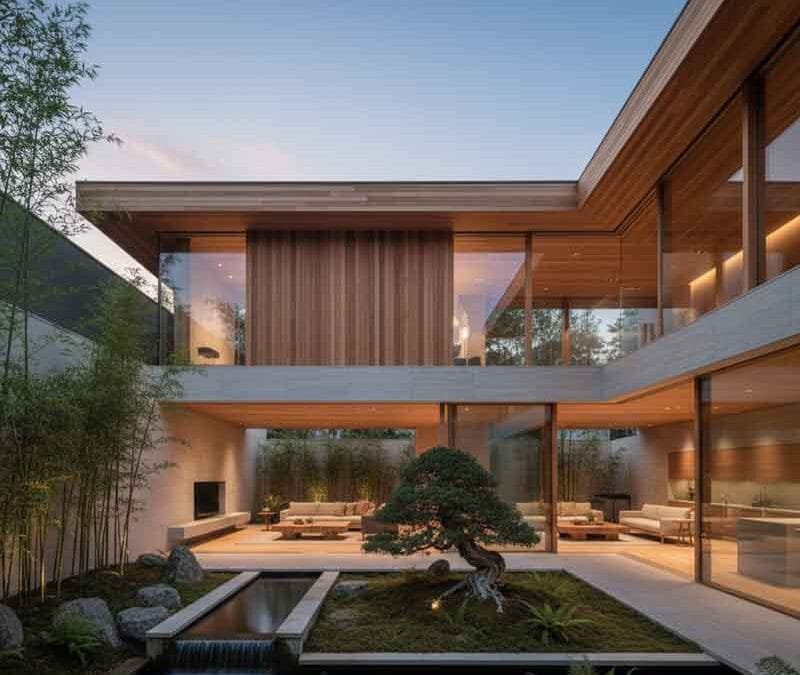
Urban Zen House
A Complete Guide to Serene Living
Creating a sanctuary of peace within a busy city is a goal for many. An Urban Zen House offers exactly that, blending minimalist design with natural elements to foster tranquility and mindfulness. This architectural style is more than just an aesthetic; it's a philosophy for living a calmer, more intentional life. Consequently, understanding its principles is the first step toward transforming your living space.
This guide will walk you through the essence of the Urban Zen House. We will explore its core benefits, the materials that define it, and its suitability for different climates. Additionally, you will discover which country is renowned for this design and how it can be adapted in cities like Lahore. Finally, we'll cover common mistakes, maintenance, and budget tips to help you on your journey.
What Defines the Urban Zen House Style?
An Urban Zen House is characterized by its clean lines, open spaces, and deep connection to nature. The design philosophy centers on simplicity and eliminating clutter to create an environment that calms the mind. Therefore, every element has a purpose, contributing to an overall sense of harmony and balance. Natural light is a key component, with large windows and uncluttered openings used to illuminate the space and blur the lines between indoors and outdoors.
The Core Benefits of Zen-Inspired Living
Adopting this style brings numerous advantages that extend beyond visual appeal. First and foremost, it promotes mental well-being by creating a peaceful and orderly environment. Living in a decluttered space can significantly reduce stress and anxiety. Moreover, the focus on natural materials and light can improve indoor air quality and create a healthier home. This design also encourages a more mindful lifestyle, where you become more conscious of your surroundings and possessions. As a result, many find that an Urban Zen House helps them live more intentionally.
Material Choices for an Authentic Zen Feel
The materials used are fundamental to achieving the Zen aesthetic. The palette is typically drawn from nature, emphasizing texture, warmth, and simplicity.
Natural Woods and Stone
Wood is a primary material, often used for flooring, furniture, and structural elements. Light-toned woods like bamboo, maple, and birch are popular choices because they enhance the sense of space and light. In contrast, natural stone such as slate, granite, and limestone can be used for floors, countertops, or feature walls. These materials ground the space and add a touch of timeless elegance.
Other Essential Elements
Beyond wood and stone, other materials play a crucial role. For instance, rice paper screens (Shoji) are often used as room dividers or window coverings, allowing soft, diffused light to filter through. Polished concrete floors offer a minimalist, industrial-chic feel that complements the natural textures. Finally, textiles are kept simple and natural, with linen, cotton, and wool in neutral tones used for upholstery, curtains, and bedding.
Climate Suitability of Zen Design
One of the greatest strengths of the Urban Zen House is its adaptability to various climates. The principles of open-plan living, large windows, and natural ventilation make it particularly well-suited for warm and temperate regions. In hot climates, for example, stone floors can help keep the interior cool, while large overhangs can provide shade from the intense sun.
However, the design can also be modified for colder climates. By incorporating elements like radiant floor heating, triple-glazed windows, and high-quality insulation, a Zen home can remain warm and cozy without sacrificing its minimalist aesthetic. The key is to balance openness with thermal efficiency.
Turkey: The Hub of Traditional Stone Houses
When considering stone in home design, it is useful to look at historical examples. Turkey is particularly famous for its traditional stone houses, especially in regions like Cappadocia and the Aegean coast. These structures are renowned for their durability, natural insulation, and seamless integration with the landscape. The use of local stone was a practical choice, but it also created a distinct architectural identity. With patient planning, respect for local climate and codes, and good teamwork with experts, a Turkish stone house can become a timeless and beautiful home. This legacy of stone craftsmanship provides valuable inspiration for modern Zen designs.
Bringing the Urban Zen House to Lahore
The principles of Zen design are highly applicable to the vibrant and bustling city of Lahore. Given the city's warm climate, the emphasis on natural ventilation, shaded spaces, and cooling materials like stone and concrete is incredibly practical.
Many of Lahore's top housing societies offer the perfect canvas for building an Urban Zen House. For instance, communities such as DHA, Bahria Town, and Lake City provide the space and modern infrastructure needed for such a project. Similarly, areas like Valencia, Wapda Town, and Johar Town are also suitable locations. Even in more established neighborhoods like Model Town, Gulberg, Askari, and Cantt, homeowners can renovate existing properties to incorporate Zen principles, creating a private oasis amidst the urban energy.
Common Mistakes to Avoid
Embarking on a Zen design project can be exciting, but some common pitfalls can detract from the final result.
- Over-cluttering: The most frequent mistake is trying to add too many decorative items. Zen is about minimalism, so choose a few meaningful pieces instead of filling every surface.
- Ignoring Natural Light: Blocking windows with heavy curtains or poorly placed furniture can ruin the airy feel. You must prioritize and maximize the flow of natural light.
- Using Cold Lighting: Artificial lighting should be warm and layered. Harsh, overhead fluorescent lights can make a space feel clinical rather than calm. Instead, opt for dimmable lamps and subtle, indirect lighting.
- Choosing Unnatural Materials: Using synthetic materials like plastic or laminate can disrupt the natural harmony. Whenever possible, stick to wood, stone, and natural fibers.
Maintenance and Budgeting Tips
Maintaining a Zen home is surprisingly straightforward. Since the design is minimalist, there are fewer items to clean and organize. Regular decluttering is key to preserving the tranquil atmosphere. For natural materials, use appropriate cleaning products to ensure their longevity.
Budgeting for a Zen house does not mean you have to go wild. You can achieve the look without overspending. For example, focus your budget on a few high-quality, durable pieces of furniture. You can also save money by using polished concrete for flooring or by sourcing local materials. DIY projects, such as building simple wooden shelves, can also add a personal touch while keeping costs down.
Frequently Asked Questions (FAQs)
1. Is an Urban Zen House suitable for families with children?
Absolutely. The open-plan design can make it easier to supervise children. By choosing durable materials and incorporating smart storage solutions, you can create a family-friendly space that is both practical and peaceful.
2. Can I apply Zen principles to a small apartment?
Yes, Zen design is ideal for small spaces. The minimalist approach, use of light colors, and emphasis on multi-functional furniture can make a small apartment feel larger and more open.
3. Do I need to get rid of all my possessions?
Not at all. The goal is not stark emptiness but mindful curation. It's about keeping items that are useful, beautiful, or hold personal meaning, and finding a proper place for everything. Effective storage is a key component of Zen design.
Quick Links
Social Icons
Contact Us Information
443 J3 Johar Town Lahore near Expo Center Lahore
