
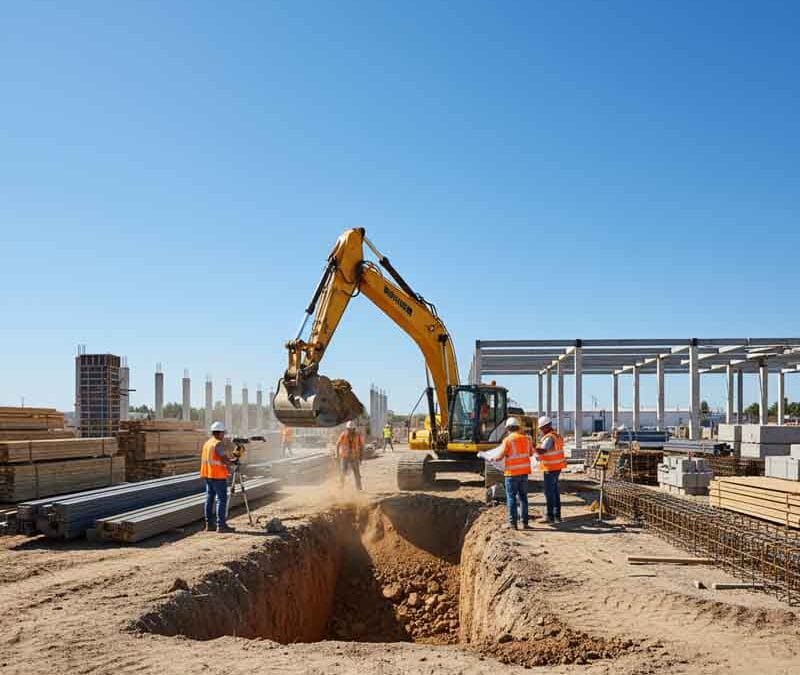
Excavator in Lahore
The Complete Guide to These Amazing Giant Machines
Once upon a time, in the bustling city of Lahore, a young boy named Ahmed stood at the edge of a construction site. His eyes grew wide as he watched a massive yellow machine dig into the earth. The machine had a long arm, like a dinosaur's neck, and a huge bucket that scooped up dirt as if it were eating breakfast cereal.
"Baba, what is that?" Ahmed asked his father.
"That, my son, is an excavator," his father replied with a smile. "It is one of the most important machines in the world of construction."
From that day forward, Ahmed became fascinated with excavators. He learned everything about them. Now, let me share that knowledge with you, just as Ahmed's father shared it with him.
What Exactly Is an Excavator?
An excavator is a big, powerful machine used for digging. Think of it as a giant mechanical arm attached to a body that can spin around in a full circle. Moreover, this incredible machine sits on tracks, similar to a tank, or sometimes on wheels.
The main parts of an excavator include the cab, which is where the operator sits. Additionally, there is the boom, which is the long arm that extends outward. The stick connects to the boom and holds the bucket. Finally, the bucket itself is the part that does all the digging work.
Imagine you are at the beach, building a sandcastle. You use your hands to scoop up sand and move it from one place to another. An excavator does the same thing, but instead of sand, it moves tons of dirt, rocks, and debris. Furthermore, instead of your small hands, it uses a bucket that can hold thousands of kilograms of material.
The Fascinating History of Excavators
Long before modern excavators existed, people used simple shovels and pickaxes. Consequently, digging even a small hole took many workers and many days. However, everything changed in the 1830s when the first steam-powered excavators appeared.
These early machines were slow and noisy. Nevertheless, they could do the work of fifty men. As time passed, engineers made excavators better and stronger. Therefore, by the 1950s, hydraulic excavators became common. These machines used fluid pressure to move their arms, making them smoother and more powerful than ever before.
Today, excavators come in all sizes. Some are small enough to fit through a garden gate. Others are so large that their buckets could hold a small car. Because of these advancements, construction projects that once took years now take only months.
Why People Choose Excavators for Construction
There are many reasons why excavators are the favorite machines at construction sites. First, they are incredibly versatile. This means they can do many different jobs with just a simple change of attachment.
For digging trenches, the standard bucket works perfectly. However, if workers need to break concrete, they can attach a hydraulic breaker. Similarly, for lifting heavy pipes, they use a special grabber attachment. As a result, one excavator can replace several different machines.
Second, excavators save time. A job that would take twenty workers a whole week can be finished by one excavator in just a few hours. Consequently, construction companies save money on labor costs. Moreover, projects get completed faster, which makes everyone happy.
Third, excavators can reach places that are difficult for people to access. Because of their long arms, they can dig deep holes or reach over obstacles. For example, if there is a fence between the machine and the digging spot, the excavator can simply extend its arm over the fence.
Materials Used in Building Excavators
Building an excavator requires special materials that can handle extreme stress. The main body, called the chassis, is made from high-strength steel. This steel must be thick and tough because it supports the entire weight of the machine.
Additionally, the boom and stick are constructed from reinforced steel plates. These plates are welded together by skilled workers who ensure every joint is perfect. Moreover, the bucket is made from wear-resistant steel, which means it does not wear out quickly even when digging through rocks and hard soil.
The hydraulic system uses special oil that flows through strong hoses and cylinders. These components must handle tremendous pressure without leaking or breaking. Furthermore, the tracks are made from rubber or steel, depending on the type of excavator.
Inside the cab, manufacturers use comfortable materials for the seat and controls. Because operators spend many hours in the cab, comfort is very important. Therefore, modern excavator cabs have air conditioning, heating, and even entertainment systems.
Top Five Countries Famous for Excavators
Different countries around the world have become famous for manufacturing and using excavators. Here are the top five:
Japan: The Innovation Leader
Japan is perhaps the most famous country for excavators. Companies like Komatsu, Hitachi, and Kobelco come from Japan. These manufacturers are known for creating excavators that are reliable, fuel-efficient, and packed with advanced technology. Because Japanese engineers focus on quality, their excavators last for many years with minimal problems.
United States: The Power Champions
American excavators, especially those made by Caterpillar and John Deere, are famous for their raw power. These machines are built tough and designed for the hardest jobs. Furthermore, American manufacturers often create the largest excavators in the world, used in mining operations.
Germany: The Precision Masters
German excavators, such as those made by Liebherr, are known for precision engineering. Every part is carefully designed and manufactured to exact specifications. Consequently, German excavators are favorites for projects that require accuracy and reliability.
South Korea: The Rising Stars
South Korean companies like Doosan and Hyundai have grown rapidly in the excavator market. They offer machines that combine quality with affordable prices. Therefore, many countries choose Korean excavators for their construction projects.
China: The Mass Producers
China produces more excavators than any other country in the world. Companies like SANY and XCMG have become global players. Because of efficient manufacturing, Chinese excavators are often the most affordable option. Moreover, their quality has improved dramatically in recent years.
Excavator in Lahore: A Growing Market
Lahore, the heart of Punjab, has seen tremendous growth in construction over the past two decades. Consequently, the demand for excavators in Lahore has increased significantly. From building new housing societies to expanding roads, these machines are everywhere.
The hot summers and monsoon rains in Lahore create unique challenges for construction equipment. Therefore, excavators used in Lahore must be able to handle extreme heat and occasional flooding. Additionally, the soil in different parts of Lahore varies from soft clay to hard rock, requiring versatile machines.
Local operators in Lahore have developed impressive skills over the years. They know how to maneuver these giant machines through narrow streets and crowded neighborhoods. Furthermore, they understand the specific requirements of Pakistani construction standards.
Many excavator rental companies have established themselves in Lahore. These businesses provide machines to contractors who cannot afford to buy their own equipment. As a result, even small construction projects can benefit from professional excavation services.
Famous Housing Societies in Lahore Using Excavators
Throughout Lahore, various housing societies have undertaken massive construction and renovation projects. An excavator in Lahore can be spotted working in these popular areas almost any day of the week.
DHA Lahore
Defence Housing Authority is one of the most prestigious areas in Lahore. Here, excavators are constantly at work, digging foundations for new homes and commercial buildings. The society continues to expand, with new phases being developed regularly. Because standards in DHA are very high, only the best excavator operators are hired.
Bahria Town Lahore
This massive housing project has transformed the outskirts of Lahore. Hundreds of excavators have worked here over the years, moving millions of tons of earth. Moreover, the continuous development means that excavators remain in high demand. The scale of construction in Bahria Town is truly remarkable.
Lake City Lahore
As the name suggests, this society features beautiful lakes and waterways. Therefore, excavators here do special work, including creating artificial lakes and water channels. The operators must be extremely careful not to damage the delicate water management systems.
Valencia Town
This upscale neighborhood has seen significant renovation activity in recent years. Homeowners frequently hire excavators to prepare land for swimming pools, basements, and landscape features. Additionally, road improvement projects require excavation equipment regularly.
Wapda Town
A well-established area, Wapda Town continues to see construction as older homes are replaced with modern structures. Excavators here often work in tight spaces between existing buildings. Consequently, operators need excellent skills to avoid damaging neighboring properties.
Johar Town
One of Lahore's most developed areas, Johar Town has commercial and residential projects running simultaneously. The excavator in Lahore that works here must handle both types of construction. Furthermore, the busy nature of this area means machines often work during specific hours to minimize disruption.
Model Town
This historic neighborhood has strict rules about construction. Nevertheless, renovations and new buildings still require excavation work. Operators must be extra careful to preserve the heritage character of the area. Moreover, noise restrictions mean that excavators can only operate during certain times.
Gulberg
As Lahore's premier commercial district, Gulberg sees constant development. Shopping plazas, office buildings, and apartment complexes all require excavation. Because land is extremely valuable here, every inch must be used efficiently. Therefore, excavator operators need precise skills.
Askari Housing Societies
Multiple Askari phases exist throughout Lahore. These military-affiliated neighborhoods maintain strict quality standards. Excavators working here must meet specific requirements and follow detailed protocols. Additionally, security checks are necessary before machines can enter.
Lahore Cantt
The cantonment area has its own set of regulations for construction equipment. Military oversight ensures that all work meets proper standards. Consequently, excavators operating here often have additional documentation and permits.
The Step-by-Step Construction Process Using Excavators
Understanding how excavators fit into the construction process helps appreciate their importance. Let me explain each step clearly.
Step One: Site Survey and Marking
Before any excavator arrives, engineers survey the land. They mark exactly where digging should occur. Additionally, they identify underground utilities like water pipes and electrical cables. This preparation is essential because hitting a gas line with an excavator bucket could be extremely dangerous.
Step Two: Site Clearing
The excavator begins by removing any obstacles on the surface. This includes trees, old structures, debris, and large rocks. Moreover, the topsoil is often set aside separately because it can be used later for landscaping. The operator must be careful to clear only the designated areas.
Step Three: Excavation for Foundation
Now the main digging begins. The excavator digs down to the required depth for the foundation. This depth depends on the type of building and soil conditions. Furthermore, the sides of the excavation must be properly sloped or supported to prevent collapse. Workers regularly check the depth and dimensions to ensure accuracy.
Step Four: Trenching for Utilities
After the main foundation is ready, the excavator digs trenches for utilities. These narrow channels will hold water pipes, sewer lines, electrical conduits, and communication cables. Because these trenches cross throughout the property, careful planning is essential. The operator must follow the marked paths exactly.
Step Five: Backfilling
Once the foundation and utilities are in place, the excavator helps fill in around them. This process, called backfilling, requires special technique. The operator adds soil in layers, and each layer is compacted before adding the next. Therefore, the ground becomes strong and stable.
Step Six: Grading and Leveling
Finally, the excavator helps level the site and create proper drainage slopes. Water must flow away from the building to prevent flooding. Additionally, driveways and walkways need even surfaces. The skilled operator can create smooth grades using just the excavator bucket.
Cost Factors for Excavator Work in Lahore
Many people wonder about the costs involved when hiring an excavator in Lahore. Several factors affect the price.
Machine Size
Larger excavators cost more to rent than smaller ones. A mini excavator might rent for a few thousand rupees per day. However, a full-sized excavator can cost significantly more. Therefore, choosing the right size for your project saves money.
Rental Duration
Renting for longer periods often gets you better daily rates. A one-day rental might be more expensive per day than a weekly rental. Additionally, monthly rentals offer even better discounts. Planning your project timeline carefully can reduce costs.
Operator Costs
Some rental companies include an operator in their price. Others require you to hire an operator separately. Because skilled operators command higher wages, this is a significant cost factor. Moreover, experienced operators work faster, which can offset their higher wages.
Transportation
Getting the excavator to your site costs money. Large excavators require special trucks and permits for transportation. Furthermore, the distance from the rental yard to your site affects this cost. Sites in remote areas will have higher transportation charges.
Fuel
Excavators consume significant amounts of diesel fuel. Some rental agreements include fuel, while others do not. Therefore, always clarify who pays for fuel before signing any agreement. A large excavator working hard can use hundreds of liters of fuel per day.
Attachments
If you need special attachments beyond the standard bucket, extra charges apply. Hydraulic breakers, augers, and grapples all have rental fees. Additionally, some attachments require specific excavator sizes, limiting your options.
Maintenance Tips for Excavators
Proper maintenance keeps excavators running smoothly and safely. Whether you own an excavator or are simply interested, these tips are valuable.
Daily Checks
Before starting work each day, operators should inspect the machine. This includes checking oil levels, hydraulic fluid, and coolant. Additionally, the tracks or wheels need examination for damage or wear. Any problems found should be reported immediately.
Cleaning
Dirt and debris can damage excavator components over time. Therefore, regular cleaning is important. The undercarriage, where tracks are located, requires special attention. Moreover, hydraulic cylinder rods should be wiped clean to prevent seal damage.
Greasing
Excavators have many pivot points that need regular greasing. Without proper lubrication, these joints wear out quickly. Consequently, daily greasing is standard practice at most construction sites. The bucket teeth connections need particular attention.
Filter Replacement
Air filters, oil filters, and hydraulic filters all need regular replacement. Clogged filters reduce performance and can damage engines. Therefore, following the manufacturer's replacement schedule is essential. Additionally, using genuine filters ensures proper fit and function.
Track Tension
For tracked excavators, proper track tension is crucial. Tracks that are too loose can come off during operation. However, tracks that are too tight wear out faster. Checking and adjusting tension should be part of regular maintenance.
Common Mistakes to Avoid with Excavators
Learning from others' mistakes saves time, money, and prevents accidents. Here are errors that frequently occur.
Digging Without Checking for Utilities
This is perhaps the most dangerous mistake. Hitting underground power lines can electrocute operators. Gas lines can explode. Water mains can cause flooding. Therefore, always call utility companies before any excavation begins. Never assume an area is clear.
Overloading the Bucket
Each excavator bucket has a maximum capacity. Attempting to lift more causes stress on the hydraulic system and boom. Additionally, overloaded buckets can cause the machine to tip over. Operators must know and respect these limits.
Operating on Unstable Ground
Excavators are heavy machines that need solid footing. Operating on soft or wet ground can cause the machine to sink or tip. Moreover, working too close to excavation edges is extremely dangerous. The weight of the machine can cause the edge to collapse.
Ignoring Warning Signs
Modern excavators have warning lights and alarms for various problems. Ignoring these warnings leads to expensive breakdowns. Furthermore, some warnings indicate safety hazards that could injure the operator or nearby workers.
Skipping Pre-Operation Inspections
Being in a hurry is no excuse for skipping safety checks. Failures that could have been caught during inspection can cause accidents. Therefore, always complete the full inspection routine, regardless of time pressure.
Safety Tips for Children Around Excavators
Construction sites fascinate children, but they are dangerous places. Here are important safety rules.
Never Enter Construction Sites
Construction sites are not playgrounds. There are many dangers, including moving machines, open holes, and falling objects. Therefore, children must never enter these areas, even if they seem empty. Machines could start operating at any moment.
Stay Visible
If you must pass near a construction site, make sure operators can see you. Excavator operators have limited visibility, especially behind and beside the machine. Additionally, wearing bright colors helps workers notice you. Never assume an operator has seen you.
Keep Away from Moving Machines
Moving excavators can change direction quickly. The boom can swing without warning. Therefore, maintain a safe distance at all times. A good rule is to stay at least as far away as the excavator's arm can reach.
Never Touch Equipment
Even when machines are turned off, they can be dangerous. Hydraulic systems remain under pressure. Moreover, parts can be sharp or extremely hot. Never climb on, touch, or play with any construction equipment.
Report Unsafe Situations
If you see other children near a construction site, tell an adult immediately. If you notice damaged fencing or open gates, report it. Because safety is everyone's responsibility, speaking up can prevent accidents.
The Environmental Impact of Excavators
Modern construction must consider environmental effects. Excavators impact the environment in several ways.
Noise Pollution
Excavators generate significant noise during operation. This can disturb neighbors and wildlife. Consequently, many areas have noise regulations limiting when construction can occur. Additionally, newer excavators feature sound-reducing technology.
Air Pollution
Diesel engines produce exhaust emissions. These contribute to air quality problems in urban areas like Lahore. However, manufacturers are creating cleaner engines that meet stricter emission standards. Furthermore, electric excavators are becoming available for indoor and urban use.
Soil Disturbance
Excavation disrupts natural soil structures and can cause erosion. Therefore, proper planning includes erosion control measures. Silt fences, retention ponds, and vegetation preservation help minimize this impact.
Fuel Consumption
Large excavators consume considerable amounts of fossil fuel. This contributes to resource depletion and climate change. However, fuel-efficient technologies and alternative fuels are improving this situation. Many operators now practice efficient operating techniques to reduce consumption.
Future Technology in Excavators
The excavator industry continues to evolve with exciting new technologies.
Electric Excavators
Battery-powered excavators are becoming more common. They produce zero emissions at the work site and operate more quietly. Additionally, electric motors require less maintenance than diesel engines. Although battery life remains a limitation, improvements happen constantly.
Autonomous Operation
Some excavators can now operate with minimal human input. Using GPS, sensors, and artificial intelligence, these machines can dig with precision. Moreover, they can work in dangerous environments where human operators would be at risk.
Remote Control
Operators can now control excavators from safe distances using remote controls. This technology is especially useful for demolition and other hazardous work. Furthermore, skilled operators can work on multiple sites without traveling between them.
Telematics
Modern excavators transmit data about their operation to central monitoring systems. This allows fleet managers to track fuel consumption, maintenance needs, and operator behavior. Consequently, efficiency improves while costs decrease.
With Patient Planning and Expert Teamwork
Successful excavation requires careful preparation and collaboration. With patient planning, respect for local climate and codes, and good teamwork with experts, any construction project can succeed. This principle applies whether you're building a small home extension or a large commercial complex.
The harsh summers of Lahore demand that construction teams plan around weather conditions. Similarly, monsoon seasons require special preparation to prevent site flooding. Understanding these local factors makes the difference between project success and frustrating delays.
Building codes exist to protect everyone. Following them ensures safe structures that will last for generations. Additionally, working with experienced professionals, from engineers to skilled excavator operators, brings valuable knowledge to your project.
Hiring the Right Excavator in Lahore
Choosing the correct excavator for your project requires consideration of several factors.
Assess Your Needs
Before contacting rental companies, understand exactly what work needs to be done. Measure the depth and width of required excavations. Additionally, consider access routes to your site. This information helps rental companies recommend the right equipment.
Research Companies
Many businesses offer excavator rental in Lahore. Compare their equipment, prices, and reputation. Furthermore, ask for references from previous customers. A company with well-maintained machines and skilled operators is worth paying slightly more for.
Check Insurance
Ensure the rental company has proper insurance coverage. Additionally, verify what your responsibilities are if equipment is damaged. Understanding these details before signing prevents problems later.
Inspect Equipment
Before accepting delivery, inspect the excavator carefully. Look for leaks, damage, or excessive wear. Moreover, ensure all safety features work properly. Document any existing problems to avoid being charged for damage you did not cause.
Clarify Terms
Make sure you understand all terms of the rental agreement. This includes daily rates, overtime charges, and who pays for fuel. Additionally, know the procedures for reporting problems and requesting service.
Economic Impact of Excavators in Lahore
The construction industry, powered by equipment like excavators, significantly impacts Lahore's economy.
Employment
Thousands of people work as excavator operators, mechanics, and rental company staff. Additionally, construction projects create jobs for laborers, engineers, and suppliers. The excavator in Lahore market supports numerous families throughout the city.
Construction Speed
Without excavators, construction would be much slower. Faster construction means quicker economic returns on investments. Therefore, these machines indirectly benefit banks, investors, and property buyers.
Real Estate Development
The rapid expansion of housing societies depends on efficient excavation. Areas like Bahria Town and DHA would not exist in their current scale without heavy equipment. Consequently, excavators have helped shape modern Lahore's geography.
Conclusion
From that curious young Ahmed watching his first excavator, to the sprawling construction sites across Lahore, these amazing machines have transformed how we build. They dig foundations for homes where families will live for generations. They create trenches for utilities that provide water, electricity, and communication. Moreover, they shape the landscape of growing cities.
The excavator in Lahore has become an essential part of the city's development story. Whether in prestigious DHA, expanding Bahria Town, or established neighborhoods like Model Town, these machines work daily to build the future.
Understanding excavators helps everyone, from children dreaming of becoming operators to adults planning construction projects. The knowledge of how they work, what they cost, and how to use them safely makes us better prepared for the construction projects in our lives.
As Lahore continues to grow, excavators will remain at the forefront of development. New technologies will make them cleaner, more efficient, and even more capable. Nevertheless, the fundamental purpose remains the same, to move earth and build dreams.
Frequently Asked Questions
How much does it cost to rent an excavator in Lahore?
Rental costs vary based on machine size and rental duration. Mini excavators typically cost between 15,000 to 25,000 rupees per day. Standard excavators range from 35,000 to 60,000 rupees daily. Monthly rentals offer significantly lower daily rates. Additionally, operator fees and transportation costs may apply separately.
Do I need any permits to use an excavator on my property?
Yes, most construction work in Lahore requires permits from local authorities. Before any excavation, you should obtain necessary approvals from the Lahore Development Authority or relevant housing society administration. Furthermore, you must contact utility companies to mark underground services.
How deep can an excavator dig?
This depends on the excavator size. Standard excavators can typically dig 4 to 6 meters deep. Larger machines can reach depths of 10 meters or more. However, deep excavations require special safety measures and engineering oversight.
Is it better to rent or buy an excavator?
For most individual projects, renting is more economical. Purchasing makes sense only for contractors with constant excavation needs. Consider that ownership brings maintenance costs, storage requirements, and depreciation. Therefore, rental is usually the practical choice for occasional use.
How long does it take to learn to operate an excavator?
Basic operation can be learned in a few days. However, becoming truly skilled takes months or years of practice. Professional operators often complete formal training programs and obtain certifications. Additionally, different excavator types require specific knowledge.
Can excavators work in rainy weather?
Light rain usually does not stop excavation work. However, heavy rain creates safety hazards including slippery surfaces and soft ground. Moreover, excavating wet soil is less efficient and can cause ground instability. Most operators pause work during severe weather.
What is the lifespan of an excavator?
With proper maintenance, excavators can last 10,000 to 20,000 operating hours. This translates to roughly 10 to 15 years for machines used regularly. However, intensive use or poor maintenance significantly reduces this lifespan. The excavator in Lahore rental market includes machines of various ages and conditions.
Quick Links
Social Icons
Contact Us Information
443 J3 Johar Town Lahore near Expo Center Lahore
