The Magic of Mixed-Use Building Designs
Imagine living in a place where your office, favorite coffee shop, and apartment are all located inside the exact same structure. This concept forms the foundation of modern urban planning. Creating spaces that serve multiple purposes helps cities function better. Understanding mixed-use building designs can transform how we view our neighborhoods. We will explore everything from basic definitions to specific material choices. Furthermore, you will learn about the global impact of these structures. Let us dive into the fascinating world of versatile architecture.
Table of Contents
- What Are Mixed-Use Building Designs?
- Key Benefits of Mixed-Use Building Designs
- Material Options for Mixed-Use Building Designs
- Climate Suitability of Versatile Architecture
- The Most Famous Country for Mixed-Use Building Designs
- Mixed-Use Building Designs in Lahore
- Frequently Asked Questions
- Conclusion
What Are Mixed-Use Building Designs?
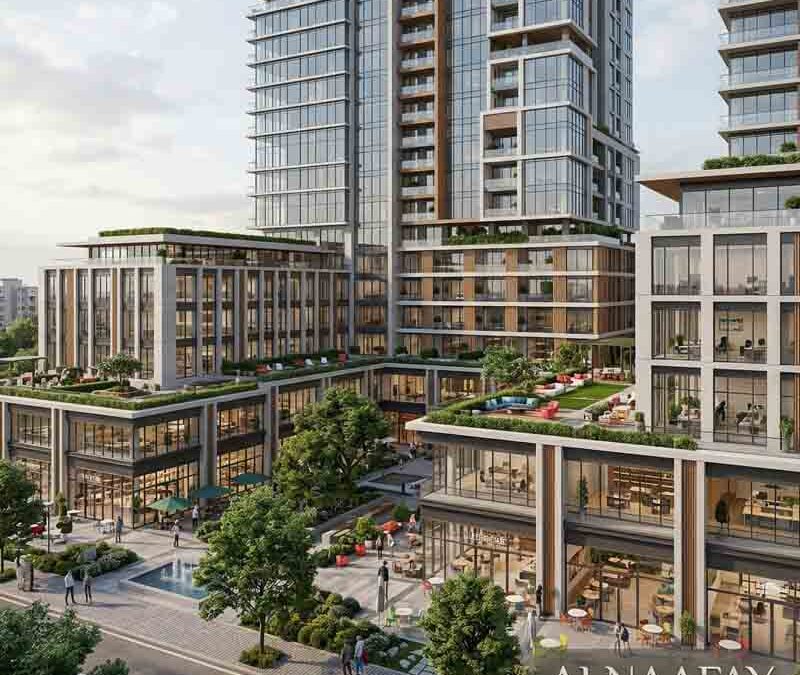
Architects define mixed-use building designs as structures that blend residential, commercial, or entertainment spaces into a single unit. Essentially, these projects combine different types of daily activities. You might find a grocery store on the ground floor. Meanwhile, the upper levels could hold apartments or office spaces. This style maximizes the utility of every square foot. Consequently, developers love creating these multifunctional properties in busy urban areas.
Defining the Core Style
The style of these structures focuses heavily on integration. Designers want people to move easily from one area to another. Therefore, open layouts play a massive role in the planning phase. Walkways connect retail shops directly to residential lobbies. Additionally, public plazas often sit at the center of the development. Visual harmony remains a top priority for builders. The exterior must look appealing to shoppers while feeling private enough for the residents above them.
Creating Functional Layouts
Functionality drives every decision in this architectural style. Planners must consider separate entrances for different groups of people. Residents need secure access to their homes. Conversely, retail customers require visible and open doorways. Soundproofing also becomes a major focus during construction. Nobody wants to hear a busy restaurant while trying to sleep. Therefore, architects carefully map out where each specific zone will go before laying any bricks.
Key Benefits of Mixed-Use Building Designs
Adopting this versatile approach brings numerous advantages to growing cities. Actually, combining different daily functions into one space solves several urban problems simultaneously. Let us examine the specific ways these developments improve our daily lives.
Boosting Local Economies
Financial growth happens naturally when businesses are close to homes. Retail store owners enjoy a built-in customer base from the residents living upstairs. As a result, shops experience steady foot traffic throughout the day. Investors also prefer mixed-use building designs because they diversify income streams. If the housing market slows down, commercial rents can keep the property profitable. Consequently, these dynamic buildings bring long-term economic stability to neighborhoods.
Enhancing Social Connectivity
People feel more connected when they interact regularly. Shared spaces encourage neighbors to meet and talk. Meeting friends for coffee requires a simple trip downstairs instead of a long car ride. Ultimately, this closeness builds a strong sense of community. Elderly residents benefit immensely from having essential services nearby. Families enjoy safe environments where children can walk to nearby parks or libraries without crossing dangerous highways.
Promoting Environmental Sustainability
Reducing our carbon footprint is incredibly important for the planet’s future. Multipurpose complexes help achieve this goal by decreasing the need for daily commuting. Naturally, people drive less when their workplace and home share the same location. Fewer cars on the road means significantly lower greenhouse gas emissions. Furthermore, modern developments often include green roofs and solar panels. Builders regularly incorporate energy-efficient systems to power the massive structures sustainably.
Material Options for Mixed-Use Building Designs
Selecting the right building components ensures the structure lasts for generations. Durability remains the primary concern because thousands of people use the facility daily. Applying the best materials to mixed-use building designs guarantees safety and visual appeal.
Strong Steel Frameworks
Steel provides the necessary skeleton for tall, multifunctional towers. Builders rely on this metal because it can support immense weight. Specifically, large open spaces like shopping malls require strong support beams. Steel allows architects to create wide floors without using too many internal columns. Moreover, metal components withstand extreme weather conditions very well. This reliability makes steel an absolute necessity for modern commercial architecture.
Versatile Concrete Solutions
Concrete offers an excellent balance of strength and sound insulation. Pouring concrete floors between commercial and residential levels prevents noise from traveling upward. Additionally, this material resists fire exceptionally well. Safety codes strictly require fire-resistant barriers in buildings hosting hundreds of occupants. Polished concrete also looks fantastic in modern retail environments. Retailers often leave the floors bare to achieve an industrial, trendy aesthetic.
Modern Glass Panels
Transparency completely changes how a large structure feels. Using massive glass windows invites natural light deep into the interior spaces. Consequently, residents and workers enjoy bright, uplifting environments. Energy-efficient glass prevents heat from escaping during the winter. Similarly, tinted panels block harsh sunlight during the summer months. Visually, glass facades make enormous towers look sleek and incredibly modern.
Climate Suitability of Versatile Architecture
Building a massive complex requires careful consideration of local weather patterns. Fortunately, mixed-use building designs adapt brilliantly to almost any environment. Architects simply modify their blueprints to match the regional climate.
Thriving in Hot Weather
Tropical climates demand structures that stay cool naturally. Designers achieve this by adding deep balconies that shade the windows below them. Cross-ventilation becomes a major priority in the residential sections. Planners strategically place open courtyards to capture cooling breezes. Furthermore, light-colored exterior paints reflect the sun rather than absorbing its heat. Incorporating lots of indoor plants also helps regulate humidity levels naturally.
Managing Cold Environments
Conversely, northern cities face freezing temperatures and heavy snow. Buildings in these areas must trap heat efficiently. Thicker walls and double-glazed windows become standard requirements. Entrances feature double doors to block freezing winds from entering the retail lobbies. Additionally, developers install robust heating systems that service multiple floors simultaneously. Shared walls actually help apartments stay warm, as heat transfers between adjacent units.
The Most Famous Country for Mixed-Use Building Designs
Many nations utilize multipurpose architecture to save space. However, Singapore stands out globally as the undisputed master of this concept. The island nation has limited land mass but an ever-growing population. Consequently, the government had to get creative with urban planning.
Singapore’s Vertical Cities
The skyline of Singapore features countless integrated developments. Because land is scarce, builders have no choice but to build upward. They create massive towers that contain train stations, shopping centers, offices, and luxury apartments. This vertical expansion maximizes every available inch of ground. Singaporean developers view each complex as a self-sustaining miniature city. Truly, you could live for months in one of these towers without ever needing to step outside.
A Focus on Green Integration
What makes Singapore truly unique is its dedication to nature. Their mixed-use building designs consistently feature massive vertical gardens. Architects weave tropical plants directly into the exterior walls. Roofs frequently host large parks with walking trails and swimming pools. This dedication to greenery cools the buildings and provides residents with peaceful retreats. Consequently, Singapore proves that dense urban living can still feel incredibly lush and relaxing.
Mixed-Use Building Designs in Lahore
Pakistan is experiencing a massive transformation in its urban landscape. Historically, cities featured strict separations between commercial markets and residential streets. However, modern lifestyles demand convenience. The cultural hub of Lahore perfectly showcases this shift toward integrated architecture.
Changing Lifestyles in Pakistan
Traffic congestion has become a major challenge for residents. Driving from home to work or the grocery store takes significant time. Therefore, modern families want amenities located closer to their doorsteps. Real estate developers noticed this trend and began altering their construction strategies. Currently, the city is embracing mixed-use building designs to make daily life more manageable. You can spot these towering structures rising rapidly across the skyline.
Top Societies Embracing the Trend
Several prestigious neighborhoods lead the way in this architectural revolution. Homebuyers actively seek properties that offer retail convenience beneath their apartments.
DHA (Defence Housing Authority) frequently approves commercial high-rises that include luxury residential suites. Developers in Bahria Town construct massive plazas where families can shop, eat, and live in one central location. Lake City features beautifully designed sectors blending golf clubs with villas and commercial hubs. Valencia continues to grow, adding multipurpose buildings along its main boulevards.
Additionally, Wapda Town and Johar Town host numerous mixed-use commercial avenues. Planners in Model Town have begun integrating modern office spaces above older retail markets. Gulberg remains the ultimate commercial center, boasting towering mixed-use building designs that define the city’s modern skyline. Askari introduces secure community living combined with internal shopping complexes. Finally, the Cantt area manages to blend its historic charm with newly constructed multipurpose facilities. Thus, Lahore is fast becoming a premier destination for integrated urban living.
Frequently Asked Questions
Learning about modern architectural trends often sparks curiosity. Here are some of the most common questions people ask regarding this topic.
Are these buildings safe to live in?
Yes, they are incredibly secure. Developers install advanced security systems to protect the residential areas. Access to apartments is strictly separated from public retail zones using keycards and guarded lobbies.
Do commercial areas make the apartments noisy?
No, noise remains very minimal. Engineers use specialized concrete and insulation to block sound. You will rarely hear the restaurants or shops operating below your floor.
Is it expensive to rent an apartment in these complexes?
Prices vary significantly based on location. Generally, living directly above premium retail spaces costs slightly more due to the added convenience. However, the money saved on transportation often balances the higher rent.
Can small towns benefit from this architecture?
Absolutely. Even small villages can implement this concept. A simple two-story structure with a bakery downstairs and a home upstairs perfectly embodies the core principles of the style.
Conclusion
Reimagining our cities requires innovative thinking and bold construction choices. By exploring mixed-use building designs, we discover how combining spaces makes life much easier. We learned that these structures boost local economies while reducing environmental damage. Strong materials like steel and glass ensure the facilities remain safe and beautiful for decades. Additionally, developers can adapt these designs to survive blazing summers or freezing winters.
Looking at global examples like Singapore shows us the incredible potential of vertical living. Locally, Lahore demonstrates how rapidly growing cities can utilize multipurpose structures to solve traffic and space issues. Neighborhoods from DHA to Gulberg are fully adopting this convenient lifestyle. Ultimately, creating buildings that serve multiple purposes brings communities closer together. Embracing this versatile architecture guarantees a smarter, more connected future for urban residents everywhere.
Quick Links
Social Icons
Contact Us Information
443 J3 Johar Town Lahore near Expo Center Lahore
