
Understanding the Global Impact of Inflation on Construction Costs
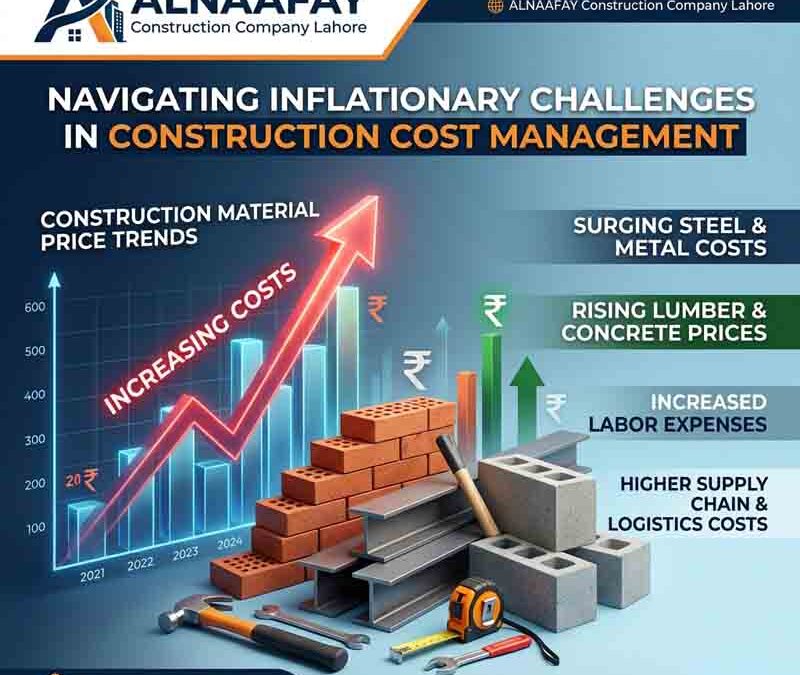
Building a new home or commercial property requires careful financial planning. Recently, developers around the world have noticed a massive increase in building expenses. Specifically, the international market is going up day by day. Therefore, understanding the impact of inflation on construction costs is more important than ever.
Many people think this is only a local problem in countries like Pakistan. However, this financial challenge affects almost every nation globally. Furthermore, rising prices force architects and builders to change how they plan projects. Consequently, professionals must adapt by finding new materials and efficient designs. Today, we will explore everything you need to know about this global phenomenon.
Table of Contents
- The Global Impact of Inflation on Construction Costs
- Why International Markets Keep Rising
- Defining the Style: Adapting to Economic Changes
- The Benefits of Smart Building Strategies
- Material Options to Reduce the Impact of Inflation on Construction Costs
- Climate Suitability for Alternative Materials
- The Most Famous Country Dealing with This Issue
- How Rising Prices Affect Residential Projects
- The Commercial Real Estate Perspective
- Future Outlook for the Building Industry
- Conclusion
The Global Impact of Inflation on Construction Costs
Taxes and regulatory fees previously worried investors the most. Now, the rising prices of basic building supplies create the biggest hurdles. Naturally, the impact of inflation on construction costs changes how companies operate. Essentially, money loses its purchasing power over time.
For instance, a budget that could build a large plaza five years ago might only cover a small building today. Consequently, this financial pressure delays major infrastructure projects everywhere. Moreover, contractors face severe difficulties when quoting fixed prices to clients. Eventually, someone has to absorb these extra expenses. Usually, the final buyer pays the price. Thus, examining the impact of inflation on construction costs helps us understand broader economic health.
Why International Markets Keep Rising
Global supply chains connect every continent together. Unfortunately, when one region faces a crisis, the whole world feels the shock. First, fuel prices directly influence how much transporting heavy goods will cost. Second, factories require massive amounts of energy to produce steel and cement.
Therefore, whenever energy markets experience instability, material prices skyrocket. Additionally, international shipping rates have reached unprecedented highs recently. Meanwhile, labor shortages across developed nations make extracting raw materials more expensive. Ultimately, these combined factors guarantee that the impact of inflation on construction costs remains a severe global issue. Pakistan certainly feels this burden, but western countries struggle equally with these international market trends.
Defining the Style: Adapting to Economic Changes
Architectural preferences often shift based on available budgets. Historically, builders used highly detailed and complex designs. Today, defining the style means focusing on minimalism and efficiency. Because the impact of inflation on construction costs limits spending, modern architecture prioritizes simplicity.
For example, industrial-style interiors leave pipes and concrete exposed. Consequently, developers save money by skipping expensive finishing work like drywall and paint. Furthermore, open floor plans reduce the need for interior framing and doors. Such practical styles look incredibly modern while keeping expenses manageable. Hence, economic pressure actually inspires creative design solutions.
The Benefits of Smart Building Strategies
People might assume that cutting expenses leads to lower quality. Actually, adapting to the impact of inflation on construction costs brings several unexpected advantages. Chiefly, builders focus heavily on waste reduction. Because materials are so expensive, workers measure everything twice to avoid mistakes.
Additionally, optimizing resource usage leads to environmentally friendly projects. When you order exactly what you need, fewer items end up in landfills. Moreover, tight budgets encourage faster project completion. Contractors want to finish quickly before prices rise again. Therefore, clients often receive their finished properties much sooner than expected.
Material Options to Reduce the Impact of Inflation on Construction Costs
Selecting the right supplies can make or break a project's budget. Traditionally, developers relied entirely on concrete, steel, and premium wood. However, the severe impact of inflation on construction costs forces everyone to seek alternatives.
Recycled steel offers a fantastic substitute that maintains structural integrity. Similarly, bamboo grows rapidly and provides incredible strength for interior elements. Furthermore, prefabricated panels manufactured in controlled factories reduce on-site labor hours significantly. Likewise, using locally sourced stone eliminates heavy shipping fees. By exploring these diverse material options, builders can successfully navigate difficult financial times.
Climate Suitability for Alternative Materials
Choosing cheaper supplies is useless if they cannot survive local weather conditions. Therefore, climate suitability plays a massive role in material selection. Hot environments require supplies that reflect heat and resist sun damage. Conversely, freezing areas need excellent insulation properties.
For instance, adobe and rammed earth work perfectly in dry, hot regions. Meanwhile, insulated concrete forms (ICFs) provide superior warmth in snowy climates. Knowing how to match materials with local weather reduces long-term maintenance bills. Consequently, dealing with the impact of inflation on construction costs involves intelligent environmental planning.
The Most Famous Country Dealing with This Issue
While inflation affects the entire globe, certain places provide incredible case studies. Argentina is arguably the most famous country for dealing with extreme building inflation. Historically, their economy experiences massive currency fluctuations constantly.
Therefore, Argentine builders have mastered the art of rapid adaptation. Contractors there purchase all materials immediately upon signing a contract to freeze prices. Furthermore, they utilize local brick and concrete instead of imported steel. Observing how Argentina handles the impact of inflation on construction costs provides valuable lessons for international markets. Their resilience proves that construction can survive even the toughest economic conditions.
How Rising Prices Affect Residential Projects
Building a family home represents a lifelong dream for many individuals. Sadly, the impact of inflation on construction costs frequently shatters these dreams. Regular citizens often rely on mortgages to fund their homebuilding journeys. However, bank loans rarely increase if building supplies suddenly become more expensive mid-project.
Consequently, families must compromise on their original plans. They might choose cheaper flooring or delay landscaping indefinitely. Additionally, affordable housing shortages become worse when developers stop building starter homes. Ultimately, normal people suffer the most when global markets experience extreme price hikes.
The Commercial Real Estate Perspective
Corporate developers operate on a massive scale. Thus, the impact of inflation on construction costs hits them with staggering multi-million dollar surprises. Commercial plazas require vast amounts of structural steel and commercial-grade glass.
When international prices for these specific items rise, profit margins disappear entirely. Therefore, many large corporations pause new developments until markets stabilize. This hesitation slows down job creation and economic growth in major cities. Nevertheless, smart commercial builders hedge their risks by ordering bulk supplies years in advance.
Future Outlook for the Building Industry
Predicting economic trends is never completely accurate. Still, experts believe that material prices will remain elevated for the foreseeable future. Eventually, the industry will fully integrate artificial intelligence and 3D printing to lower labor needs.
Consequently, technology will help offset the negative impact of inflation on construction costs. Builders will rely heavily on predictive software to buy materials when prices temporarily dip. Moreover, global cooperation might eventually stabilize supply chains. Until then, flexibility remains the most important tool for any successful developer.
Conclusion
Creating modern infrastructure requires navigating complex global economies. Clearly, the impact of inflation on construction costs presents a massive challenge for everyone involved. From individual homeowners in Pakistan to massive corporate developers in America, nobody escapes these rising international trends.
By defining practical architectural styles and choosing alternative material options, professionals can survive these hurdles. Furthermore, paying attention to climate suitability ensures that cost-cutting does not ruin quality. Ultimately, understanding how global markets work allows builders to plan effectively. Even though prices keep rising, human innovation guarantees that we will never stop building toward the future.
Quick Links
Social Icons
Contact Us Information
443 J3 Johar Town Lahore near Expo Center Lahore
