
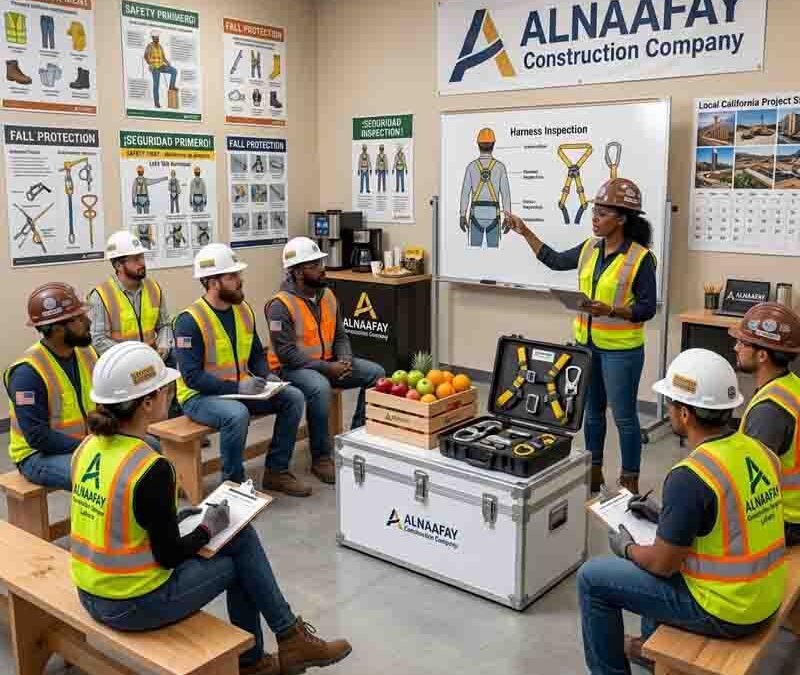
Toolbox Talk Topics: 20 Safety Conversations for Your Crew
Every safe construction site starts with a conversation. Before the tools come out and the work begins, the best crews gather for a few minutes to talk about the hazards they will face that day. These short meetings are called toolbox talks, and they are one of the simplest, most effective ways to prevent injuries on a job site.
We run construction projects every day, and we have seen what a consistent toolbox talk program does for a crew. Workers stay alert, hazards get spotted early, and accidents drop. The talks do not need to be long or complicated. They need to be relevant, regular, and focused on the work in front of your team.
This guide gives you 20 ready-to-use toolbox talk topics for construction crews. We wrote each one in plain, simple language so any supervisor can lead the conversation with confidence. Whether you manage a small team or run the kind of Construction Company Lahore relies on for major builds, these topics apply directly to your sites. By the end, you will have a complete library of safety conversations to draw from all year long.
Table of Contents
- What Are Toolbox Talks and Why Do They Matter
- Topic 1: Fall Protection
- Topic 2: Electrical Safety
- Topic 3: PPE (Personal Protective Equipment)
- Topic 4: Scaffolding Safety
- Topic 5: Ladder Safety
- Topic 6: Hazard Communication
- Topic 7: Fire Safety and Prevention
- Topic 8: Hand and Power Tool Safety
- Topic 9: Excavation and Trenching Safety
- Topic 10: Struck-By Hazards
- Topic 11: Caught-In/Between Hazards
- Topic 12: Heat Stress and Hydration
- Topic 13: Housekeeping and Slips, Trips, and Falls
- Topic 14: Confined Space Entry
- Topic 15: Crane and Rigging Safety
- Topic 16: Forklift and Heavy Equipment Safety
- Topic 17: Eye and Face Protection
- Topic 18: Noise and Hearing Protection
- Topic 19: Chemical and Hazardous Material Handling
- Topic 20: Emergency Action Plans
- FAQs
- Conclusion
What Are Toolbox Talks and Why Do They Matter
A toolbox talk is a short, informal safety meeting held before work begins. It usually lasts between five and ten minutes, and it focuses on one specific hazard the crew is about to face. The supervisor or foreman leads the discussion, and workers are encouraged to ask questions and share what they see on site.
These talks matter because they keep safety front and center every single day. Formal training happens once or twice a year, but hazards change with every task and every phase of construction. Therefore, a daily conversation fills the gap between big training sessions and the real work on the ground. It reminds workers of the risks right before they encounter them.
The benefits add up quickly, and we list the main ones below so the value is clear:
- Fewer injuries: Workers who hear about a hazard right before facing it stay alert and make safer choices.
- Better communication: Talks open a two-way line between supervisors and crew, so problems surface early.
- Stronger compliance: Regular, documented talks help meet safety regulations and show due diligence.
- A stronger safety culture: Daily conversations turn safety from a rule into a shared habit.
- Lower costs: Fewer accidents mean fewer claims, less downtime, and lower insurance costs.
To get the most from each talk, a few simple rules help. Pick topics that match the day's work rather than a random calendar. Keep the talk under ten minutes so attention stays high. Hold the discussion where workers can see the equipment or area you are talking about. Finally, document each talk with a sign-in sheet that records the date, topic, and who attended.
A serious Construction Company Lahore depends on treats these talks as a core part of its safety program, not an afterthought. We do the same. The 20 topics below give you a full year of material, and each one is ready to deliver to your crew tomorrow morning.
Topic 1: Fall Protection
Falls are the deadliest hazard in construction, which is why fall protection sits at the top of this list. In 2024, there were 389 fatal falls to a lower level out of 1,034 construction deaths, according to the Bureau of Labor Statistics. Almost every one of those deaths was preventable with the right systems in place.
Hold this talk before any work at heights begins, including roofing, framing, steel erection, and work from lifts. Under OSHA rules, construction workers need fall protection at six feet above a lower level. Once a worker crosses that line, protection becomes both a legal duty and a life-saving measure.
Cover these key points during the talk:
- Recognize the hazards: Point out the open edges, holes, and elevated work areas on today's task.
- Choose the right system: Match guardrails, safety nets, or personal fall arrest systems to the job.
- Inspect the gear: Have each worker check their harness, lanyard, and connectors before use.
- Verify anchor points: Confirm every anchor is rated and installed correctly before tie-off.
- Stay tied off: Remind the crew to maintain tie-off whenever they are exposed to a fall.
Ground the talk in the day's real work. Discussing fall protection before roof work on a two-story building lands harder than a general reminder. A strong Construction Company Lahore counts on never lets a crew climb without this conversation first.
Topic 2: Electrical Safety
Electricity causes serious injuries and deaths on construction sites every year, and most of those incidents are preventable. This talk focuses on the common ways workers come into contact with electrical hazards: temporary power, extension cords, power tools, overhead lines, and buried utilities.
Start by reminding the crew that electricity gives no warning. A frayed cord or a wet tool can deliver a fatal shock in an instant. For that reason, simple daily checks make a real difference in keeping everyone safe.
Cover these basic controls during the talk:
- Use GFCI protection: Plug all 120-volt circuits into ground-fault circuit interrupters.
- Inspect cords and plugs: Check for cuts, exposed wires, and damaged plugs before each use.
- Keep tools dry: Never use power tools in wet conditions or with wet hands.
- Watch for overhead lines: Keep ladders, scaffolds, and equipment clear of power lines.
- Lock out energy sources: Confirm equipment is de-energized and locked out before any service work.
Remind the crew that only trained, authorized workers may perform certain electrical tasks. When in doubt, workers should stop and ask. A responsible Construction Company Lahore relies on builds these checks into every shift, because no shortcut is worth a life.
Topic 3: PPE (Personal Protective Equipment)
Personal protective equipment is the last line of defense between a worker and a hazard. It does not remove the danger, but it reduces the harm when something goes wrong. This talk covers how to select, wear, inspect, and replace the gear that protects your crew.
The key message is simple: PPE only works when workers use it correctly and consistently. A hard hat hanging on a fence protects no one. Therefore, this conversation should connect each piece of gear to the specific tasks scheduled that day.
Cover the main types of PPE during the talk:
- Head protection: Wear hard hats at all times and inspect them for cracks or damage.
- Eye and face protection: Match safety glasses, goggles, or face shields to the hazard at hand.
- Hand protection: Use the right glove for the task, whether cut-resistant or chemical-resistant.
- Foot protection: Wear steel-toe, puncture-resistant boots where the work requires them.
- Hearing protection: Use earplugs or earmuffs in high-noise areas.
Demonstrate correct use during the talk to remove any confusion. Showing how a harness fits or how a respirator seals beats describing it in words. Every Construction Company Lahore trusts equips its workers properly and then makes sure they know how to use that equipment.
Topic 4: Scaffolding Safety
Scaffolds give workers safe access to height, but only when they are built and used correctly. A poorly erected or overloaded scaffold can collapse, tip, or drop materials onto workers below. This talk should happen before any scaffold is erected, changed, or used.
Begin by stressing that scaffolds require inspection by a competent person before the first use and after any modification. Many scaffold accidents trace back to missing planks, weak ties, or absent guardrails. Catching these problems early prevents serious falls.
Cover these scaffold safety points during the talk:
- Inspect before use: Have a competent person check the scaffold before work begins each day.
- Use full planking: Make sure platforms are fully decked with no gaps.
- Install guardrails: Confirm guardrails and toe boards are in place at the right heights.
- Respect load limits: Never overload a scaffold with workers, tools, or materials.
- Access safely: Use ladders or built-in access points, never the cross braces.
Weather adds risk to scaffold work, so address wind and rain in the talk. Slippery decks and gusty conditions raise the danger sharply. A Construction Company Lahore depends on for multi-story projects treats scaffold inspection as a non-negotiable step.
Topic 5: Ladder Safety
Ladders look simple, and that is exactly why they cause so many injuries. Research shows that 81% of falls among construction workers treated in emergency rooms involve ladders. Because nearly every crew uses ladders, this topic deserves attention on a regular basis.
Open the talk by reminding workers that the right ladder, set up correctly, prevents most ladder falls. Makeshift solutions like standing on buckets or stacked materials cause needless accidents. The fix is to choose the correct ladder and use it the right way.
Cover these ladder safety points during the talk:
- Pick the right ladder: Choose the correct type and height for the task.
- Inspect before use: Check rails, rungs, feet, and locks, and remove damaged ladders from service.
- Set the angle: Place extension ladders at a 1:4 ratio of distance to height.
- Extend above the landing: Make sure the ladder rises three feet above the surface you step onto.
- Keep three points of contact: Hold on with two hands and one foot, or two feet and one hand, at all times.
Remind workers never to overreach beyond the ladder's side rails. Moving the ladder takes seconds and prevents a fall. A Construction Company Lahore counts on schedules these talks during phases with heavy ladder use, such as rough-in and overhead work.
Topic 6: Hazard Communication
Workers handle chemicals on construction sites every day, often without realizing the risks. Solvents, adhesives, coatings, and cleaning agents can all cause harm through contact, fumes, or fire. This talk teaches workers how to recognize and respond to chemical hazards before they cause injury.
The foundation of hazard communication is information. Every chemical on site should come with a Safety Data Sheet, and every container should carry a clear label. When workers know what they are handling, they can protect themselves properly.
Cover these hazard communication points during the talk:
- Read the labels: Check container labels for the product name and hazard warnings.
- Use the Safety Data Sheets: Show workers where the SDS binder is and how to read it.
- Know the hazards: Identify which chemicals are flammable, toxic, or corrosive.
- Wear the right PPE: Match gloves, goggles, and respirators to the chemical in use.
- Store chemicals safely: Keep containers sealed, labeled, and away from heat or ignition sources.
Remind workers to report any unlabeled container or spill right away. Acting fast keeps a small problem from becoming a serious one. A Construction Company Lahore relies on keeps its Safety Data Sheets current and accessible to every worker on site.
Topic 7: Fire Safety and Prevention
Fire turns a small spark into a major emergency in moments, especially where flammable materials and hot work are present. Construction sites hold many fire risks: fuel, solvents, temporary wiring, and welding operations. This short talk keeps fire prevention top of mind for the whole crew.
Begin by reminding workers that most site fires start from preventable causes. Oily rags, poor storage, and careless hot work account for many of them. A few simple habits cut the risk dramatically.
Cover these fire safety points during the talk:
- Store flammables properly: Keep fuels and solvents in approved containers away from ignition sources.
- Manage hot work: Use a fire watch during and after welding, cutting, or grinding.
- Dispose of waste promptly: Remove oily rags, scrap, and packaging that can fuel a fire.
- Know your extinguishers: Show workers where extinguishers are and how to use them.
- Keep exits clear: Maintain unobstructed access to emergency exits and alarms at all times.
Point out the location of fire extinguishers and exits during the talk itself. Knowing where they are before an emergency saves precious seconds. A Construction Company Lahore trusts builds fire prevention into daily routines on every project.
Topic 8: Hand and Power Tool Safety
Tools are essential to construction, yet they cause thousands of injuries each year. Cuts, punctures, amputations, and flying debris all trace back to improper tool use. This talk covers how to handle both hand tools and power tools safely.
Stress from the start that most tool injuries come from damaged equipment or careless use. A dull blade, a missing guard, or a rushed cut leads to harm. Slowing down and checking the tool first prevents most of these injuries.
Cover these tool safety points during the talk:
- Inspect before use: Check tools for damage, dull blades, and missing guards.
- Use the right tool: Match the tool to the task instead of improvising.
- Keep guards in place: Never remove or bypass safety guards on power tools.
- Wear the right PPE: Use eye protection for cutting, grinding, and chipping work.
- Maintain control: Keep both hands steady and never reach into a moving tool.
Remind workers to unplug power tools before changing blades or bits. This simple step prevents accidental starts that cause serious injuries. A Construction Company Lahore depends on keeps its tools maintained and pulls damaged equipment from service right away.
Topic 9: Excavation and Trenching Safety
Trench collapses kill quickly, and they remain a leading cause of death in sitework and civil construction. A cubic yard of soil weighs as much as a small car, so a cave-in leaves little chance of escape. Hold this talk before any new excavation begins, and repeat it when conditions change.
Open by reminding the crew that trenches require daily inspection by a competent person. Soil conditions shift with rain, vibration, and time, so a safe trench in the morning may not stay safe by afternoon. Constant attention keeps workers protected.
Cover these excavation safety points during the talk:
- Use protective systems: Slope, bench, shore, or shield trenches based on soil conditions.
- Inspect daily: Have a competent person check the trench before entry and after any change.
- Keep access close: Provide ladders or ramps within 25 feet of every worker in the trench.
- Clear the edges: Keep spoil piles and heavy equipment back from the trench edge.
- Locate utilities first: Call before you dig and hand-dig to expose known lines.
Tell workers to leave a trench immediately if they see water, cracks, or shifting soil. No task is worth the risk of a collapse. A Construction Company Lahore counts on never lets a worker enter an unprotected trench.
Topic 10: Struck-By Hazards
Struck-by incidents are one of the "Fatal Four" hazards that cause most construction deaths. They happen when a worker is hit by a moving vehicle, a falling object, a swinging load, or flying debris. This talk helps the crew recognize and avoid these dangers.
Start by explaining that struck-by hazards come from many directions at once. A worker can be hit by a backing truck, a dropped tool, or a load shifting on a crane. Staying aware of the surroundings is the first defense.
Cover these struck-by points during the talk:
- Watch for vehicles: Stay clear of moving equipment and make eye contact with operators.
- Secure your loads: Make sure materials are stable before lifting or moving them.
- Guard against falling objects: Use toe boards, nets, and barricades below overhead work.
- Wear high-visibility gear: Make yourself easy to see in active work zones.
- Keep tools secured: Tether tools when working at height to prevent dropped objects.
Remind workers to never stand under a suspended load. Position yourself where a falling object cannot reach you. A Construction Company Lahore relies on plans its work zones to keep workers and moving equipment apart.
Topic 11: Caught-In/Between Hazards
Caught-in and caught-between hazards complete the "Fatal Four" and cause severe, often fatal injuries. They occur when a worker is squeezed, pinned, or crushed between two objects. This talk shows the crew how to recognize and avoid these situations.
Explain that these hazards often involve machinery, vehicles, or unprotected excavations. A worker can be pulled into rotating parts or pinned between equipment and a wall. Because the forces involved are huge, prevention is the only reliable protection.
Cover these caught-in/between points during the talk:
- Stay clear of moving parts: Keep hands and clothing away from rotating equipment.
- Lock out machinery: De-energize and lock out equipment before servicing it.
- Watch the pinch points: Avoid positioning yourself between equipment and a fixed structure.
- Protect excavations: Never enter an unprotected trench or unshored excavation.
- Use spotters: Have a spotter guide equipment in tight spaces.
Remind workers to remove loose clothing and jewelry near machinery. These can catch and pull a worker into moving parts in an instant. A Construction Company Lahore trusts enforces lockout procedures on every piece of equipment.
Topic 12: Heat Stress and Hydration
Working in the heat is more than uncomfortable; it can be deadly. Heat stress leads to cramps, exhaustion, and heat stroke, which can kill if untreated. This talk is essential during the hot months and on any job with heavy physical work.
Begin by explaining that heat illness builds gradually and often without obvious warning. A worker may feel fine one moment and collapse the next. For that reason, prevention and early recognition save lives.
Cover these heat safety points during the talk:
- Drink water often: Take regular water breaks instead of waiting until you feel thirsty.
- Take shade breaks: Rest in shaded or cool areas during the hottest part of the day.
- Watch for symptoms: Learn the signs of cramps, dizziness, nausea, and confusion.
- Dress for the heat: Wear light, breathable clothing where the work allows.
- Acclimate new workers: Ease new and returning workers into hot conditions over several days.
Tell workers to look out for one another and report symptoms right away. A coworker may notice the warning signs before the affected worker does. A Construction Company Lahore depends on schedules demanding work for cooler hours when the heat climbs.
Topic 13: Housekeeping and Slips, Trips, and Falls
Many injuries come from simple, everyday hazards rather than dramatic ones. Cluttered walkways, trailing cords, and spilled liquids cause slips, trips, and falls on the same level. This talk shows the crew how good housekeeping prevents these common injuries.
Stress that a clean site is a safe site. Slips, trips, and falls send many workers to the clinic every year, and nearly all of them are preventable. Keeping the work area orderly removes the hazard before anyone gets hurt.
Cover these housekeeping points during the talk:
- Clear the walkways: Keep paths free of debris, tools, and materials.
- Manage cords and hoses: Route them out of walkways or cover them to prevent trips.
- Clean up spills: Wipe up liquids and mark wet areas right away.
- Remove scrap promptly: Clear waste and packaging as work progresses.
- Keep access clear: Maintain open paths to stairs, ladders, and emergency equipment.
Remind workers that cleaning up is part of the job, not an afterthought. A tidy area protects the whole crew, not just the person who made the mess. A Construction Company Lahore counts on builds housekeeping into the daily routine on every site.
Topic 14: Confined Space Entry
Confined spaces are among the most dangerous areas on any job site. Tanks, vaults, manholes, and pits can trap toxic gases, starve workers of oxygen, or flood without warning. This talk covers the strict rules that keep workers safe when entering these spaces.
Explain that a confined space looks ordinary but hides deadly hazards. Many confined space deaths involve would-be rescuers who rush in without protection. Therefore, no one should ever enter a permit-required confined space without proper planning.
Cover these confined space points during the talk:
- Test the air first: Check oxygen levels and test for toxic or flammable gases before entry.
- Get a permit: Confirm a confined space permit is in place before anyone enters.
- Use ventilation: Ventilate the space to maintain safe air throughout the work.
- Station an attendant: Keep a trained attendant outside to monitor and communicate.
- Plan the rescue: Have a rescue plan and equipment ready before entry begins.
Tell workers never to enter to rescue a coworker without proper training and gear. Doing so often turns one victim into two. A Construction Company Lahore relies on follows full confined space procedures without exception.
Topic 15: Crane and Rigging Safety
Cranes lift enormous
