
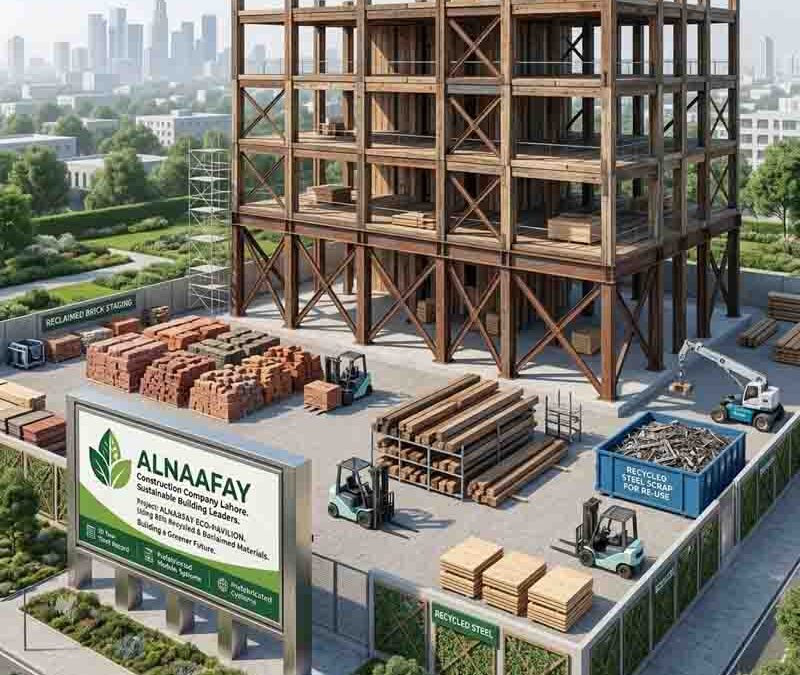
Recycled and Reclaimed Materials in Modern Construction Projects
Construction once relied almost entirely on brand-new materials pulled from the earth, yet that approach carries a heavy price. Every fresh ton of steel, brick, or concrete demands energy, water, and raw resources that grow scarcer each year. Today, recycled and reclaimed materials offer a smarter path, and builders across the world now treat them as serious, high-quality options rather than second-rate substitutes. We have used these materials on real projects, and we want you to understand exactly how they work and why they matter.
Recycled and reclaimed materials do far more than reduce waste. They cut costs, shrink your environmental footprint, and add character that new materials rarely match. Furthermore, they help future-proof a building against rising material prices and tightening rules. For any forward-thinking Construction Company Lahore, mastering these materials has become both a money-saver and a genuine mark of quality.
This detailed guide walks you through everything you need to know in plain, simple language. First, you will learn what these materials are and why they matter. After that, we will cover the most common types, their benefits, sourcing and quality checks, real costs, and honest challenges. Moreover, we will explain how a skilled Construction Company Lahore puts these materials into modern projects, along with answers to the questions people ask most.
Table of Contents
- Introduction
- What Are Recycled and Reclaimed Materials?
- Why Recycled and Reclaimed Materials Matter
- Common Types of Recycled and Reclaimed Materials
- The Benefits: Cost, Sustainability, and Aesthetics
- Sourcing and Quality Considerations
- How a Construction Company Lahore Integrates These Materials
- Costs and Return on Investment
- Challenges and Practical Solutions
- Frequently Asked Questions (FAQs)
- Conclusion
Introduction
Every construction project consumes materials, yet the source of those materials matters more than most people think. In a typical project, builders order everything new, which drives up both cost and waste. On a smarter project, however, a large share of the materials comes from recycled or reclaimed sources that perform just as well. Because the difference comes down to planning and sourcing, any builder can improve with the right approach.
The scale of the opportunity surprises most people. Construction and demolition activity generates a huge portion of the world's solid waste, and much of that material still holds real value. Rather than treating old steel, brick, and timber as trash, we treat them as resources ready for a second life. As a result, we keep material out of landfills and money in the budget.
Interest in these materials keeps rising across the industry, and the reasons are clear. Raw material prices climb every year, landfills fill up, and clients increasingly expect responsible building. Meanwhile, the supply of quality reclaimed and recycled stock keeps growing as demolition and recycling networks expand. Throughout this article, we will explain exactly how these materials work and how a trusted Construction Company Lahore uses them on real projects.
Lahore shapes every choice we make here. With rapid construction, frequent demolition of older buildings, and a growing demand for greener homes, the city offers a steady supply of reclaimable material. We plan for these local realities from the very first drawing, because we never leave material quality to chance.
What Are Recycled and Reclaimed Materials?
Before we explore the types and benefits, let us first define the two terms clearly. The words sound similar, yet they describe two different things, and knowing the difference helps you make better choices.
Recycled materials are processed back into a usable form before they return to a project. Old steel, for example, gets melted down and reformed into new beams, while crushed concrete becomes aggregate for new foundations. Reclaimed materials, by contrast, get reused in close to their original form. A reclaimed wooden beam from an old building, for instance, gets cleaned and refitted rather than broken down. Because each type serves a different purpose, we choose between them based on the job.
Recycled Materials Explained
Recycled materials go through a processing step that turns old products into raw material again. This step often involves melting, crushing, or reprocessing to remove impurities. Here is how the most common recycled streams work:
- Recycled steel melts down from scrap and returns as new structural steel.
- Crushed concrete gets broken and screened into reusable aggregate.
- Recycled glass melts into new tiles, countertops, or insulation.
- Recycled plastic reforms into boards, panels, and fittings.
Because processing removes flaws and standardizes the product, recycled materials often meet the same specifications as new ones.
Reclaimed Materials Explained
Reclaimed materials skip heavy processing and get reused directly. We recover them carefully from old buildings, then clean, inspect, and prepare them for a new life. Common reclaimed materials include:
- Reclaimed wood from old beams, floors, and doors.
- Reclaimed brick salvaged from demolished walls.
- Reclaimed tiles and fixtures removed intact during renovation.
- Reclaimed metal fittings like railings, gates, and hardware.
Because these items keep their original form and character, they add a warmth and history that new materials rarely offer.
Why the Distinction Matters
The difference between the two shapes how we use each material. Recycled materials suit structural jobs where strength and consistency matter most, since processing ensures reliable quality. Reclaimed materials suit visible features where character and history add value, such as feature walls or exposed beams. For this reason, a knowledgeable Construction Company Lahore matches each material to the job it fits best.
The takeaway: Recycled materials are reprocessed into new raw stock, while reclaimed materials are reused in their original form, and each suits different parts of a project.
Why Recycled and Reclaimed Materials Matter
Recycled and reclaimed materials touch cost, sustainability, quality, and reputation all at once. Because the benefits reach so far, this topic deserves serious attention from anyone planning a building. Below, we explain the main reasons these materials matter so much today.
They Cut Costs on Real Projects
Money speaks loudly on any project, and these materials often save plenty of it. Recycled aggregate and salvaged brick usually cost less than brand-new equivalents. Furthermore, reusing material on the same site removes both purchase and disposal costs at once. As a result, a careful builder stretches the same budget across more of the building.
They Shrink the Environmental Footprint
The planet pays a heavy price for new materials. Making fresh steel and cement burns enormous energy and releases large amounts of carbon. By choosing recycled and reclaimed options, we cut this impact sharply, since reused material skips much of that energy-hungry production. Moreover, we keep usable material out of overflowing landfills.
They Conserve Scarce Raw Resources
Raw materials do not last forever, and demand keeps rising. Every reclaimed beam and recycled ton of steel means less mining, quarrying, and logging. Because these resources grow scarcer each year, reuse protects supply for future projects. We treat every recovered material as a resource worth saving rather than a burden to dump.
They Add Character That New Materials Lack
Some benefits go beyond simple numbers. Reclaimed wood carries grain, color, and history that factories cannot copy. Furthermore, salvaged brick and old fixtures give a building genuine warmth and personality. As a result, these materials often become the standout feature of a modern design.
They Support a Stronger Reputation
Reputation matters greatly in construction, and responsible building earns trust. Clients increasingly want builders who cut waste, respect the environment, and deliver character-rich spaces. When word spreads that a company builds this way, more contracts follow. For this reason, a forward-thinking Construction Company Lahore treats these materials as a genuine selling point rather than a compromise.
The takeaway: Recycled and reclaimed materials cut costs, protect the planet, conserve resources, add character, and build a stronger reputation all at once.
Common Types of Recycled and Reclaimed Materials
Modern projects use a wide range of recycled and reclaimed materials, and each one fills a specific role. Knowing the main types helps you see where they fit best. Below, we break down the most common options in plain terms, along with how we use each one.
Reclaimed Wood
Reclaimed wood ranks among the most popular reclaimed materials of all. We recover it from old beams, floorboards, doors, and furniture, then clean and prepare it for reuse. Because older timber often came from slow-grown, dense trees, it frequently proves stronger and more stable than new wood. We use it for feature walls, flooring, exposed beams, ceilings, and custom furniture.
Before we install reclaimed wood, we follow a careful process:
- Inspect each piece for rot, cracks, and pests.
- Remove old nails, screws, and hardware completely.
- Treat the wood against termites and moisture.
- Cut and finish it to suit the new design.
Because we prepare every piece this way, the finished wood performs reliably for years.
Recycled Steel
Recycled steel forms the structural backbone of many green projects. Steel recycles endlessly without losing strength, which makes it one of the most reused materials on earth. In fact, a large share of new structural steel already contains recycled content. We use recycled steel for beams, columns, framing, and reinforcement, exactly as we would use new steel.
Because recycling melts and reforms the metal, recycled steel meets the same strength standards as virgin steel. As a result, you gain the environmental benefit without any loss in structural performance.
Crushed and Recycled Concrete
Crushed concrete gives old demolition rubble a valuable second life. Rather than dumping broken concrete, we crush and screen it into reusable aggregate. This recycled aggregate works well for road bases, foundation fill, drainage layers, and even some new concrete mixes. Because Lahore produces plenty of demolition waste, this material stays widely available and affordable.
Reclaimed Brick
Reclaimed brick brings both value and character to modern projects. We salvage these bricks from demolished walls and buildings, then clean off the old mortar by hand. Older bricks often carry rich colors and textures that new bricks cannot match. We use them for feature walls, facades, paving, and decorative details that give a building genuine warmth.
Recycled Glass
Recycled glass turns discarded bottles and windows into striking building materials. Crushed and reprocessed, this glass becomes tiles, countertops, terrazzo surfaces, and even a form of insulation. Because glass melts and reforms cleanly, recycled glass products often look as good as new ones. We use them for kitchens, bathrooms, and decorative surfaces that catch the light beautifully.
Recycled Plastic and Composite Materials
Recycled plastic solves a stubborn waste problem while creating useful products. Reprocessed plastic becomes decking boards, fencing, panels, and various fittings that resist water and rot. Furthermore, composite materials blend recycled plastic with wood fibers for extra strength. Because these products handle moisture well, they suit Lahore's monsoon conditions nicely.
Other Reclaimed Materials
Beyond the main categories, many other materials find a second life on modern projects:
- Reclaimed tiles for floors and feature areas.
- Salvaged doors and windows restored to working order.
- Recovered metal fixtures like railings, gates, and grilles.
- Reclaimed stone for paving, cladding, and landscaping.
Because these items often carry unique character, they turn ordinary spaces into memorable ones.
The takeaway: Reclaimed wood, recycled steel, crushed concrete, reclaimed brick, recycled glass, and recycled plastic each fill a specific role, from structure to standout feature.
The Benefits: Cost, Sustainability, and Aesthetics
Recycled and reclaimed materials deliver three big categories of benefit, and together they make a strong case. These benefits touch your budget, the planet, and the beauty of your finished building. Below, we break down each category so you can see the full value.
Cost Benefits
Money often drives the decision, so let us start there. Recycled and reclaimed materials cut costs in several clear ways:
- Lower purchase prices on recycled aggregate, salvaged brick, and reclaimed wood.
- Reduced disposal fees when we reuse material on the same site.
- Fewer hauling trips for both new deliveries and waste removal.
- Long-term durability that reduces future repair and replacement costs.
Because these savings stack together, a well-planned project spends less overall. We always show clients the full cost picture before work begins, so nothing comes as a surprise.
Sustainability Benefits
The environmental case is just as strong. By reusing materials, we cut the energy and carbon tied to producing new ones. Furthermore, we keep usable material out of landfills and reduce the mining and logging of raw resources. As a result, a building made with these materials carries a far smaller environmental footprint from the very start.
These materials also support green certifications like LEED, which award points for recycled content and waste reduction. Because certification adds value and credibility, this benefit reaches beyond the environment into real business gains.
Aesthetic Benefits
Beauty sets these materials apart from ordinary new stock. Reclaimed wood, salvaged brick, and recovered fixtures carry a history and texture that factories simply cannot reproduce. Moreover, each piece tells a story, which gives a building genuine personality. As a result, designers increasingly choose these materials as the standout feature of a modern space rather than hiding them away.
The takeaway: Recycled and reclaimed materials save money, shrink your footprint, support green certifications, and add character that new materials cannot match.
Sourcing and Quality Considerations
Quality worries stop many people from using recycled and reclaimed materials, and that concern is fair. Poorly sourced material can hide rot, weakness, or contamination that causes problems later. We address this directly, because we never leave material quality to chance. Below, we explain how we source these materials and check them carefully.
Where We Source These Materials
Good material starts with reliable sources. Rather than buying blindly, we build relationships with trusted suppliers and salvage networks. Here is where we typically source recycled and reclaimed stock:
- Demolition sites for reclaimed wood, brick, and fixtures.
- Certified recyclers for recycled steel, concrete, and glass.
- Salvage yards for restored doors, windows, and hardware.
- Our own past projects, where we recover material for reuse.
Because we know these sources well, we can trust the quality and history of what we buy.
How We Check Quality
Every reclaimed material passes through a clear inspection before we use it. We never assume a piece is sound simply because it looks fine. Instead, we follow these steps:
- Inspect for damage like rot, cracks, rust, or warping.
- Check for pests such as termites in reclaimed wood.
- Test strength where the material carries structural loads.
- Clean and treat each piece to prepare it for reuse.
- Grade and sort materials by quality and intended use.
Because we follow this process every time, we stand behind the materials we install.
Matching Material to the Right Job
Not every reclaimed piece suits every job, so we match carefully. Structural roles demand consistent strength, which suits recycled steel and tested reclaimed timber. Decorative roles reward character, which suits salvaged brick and weathered wood. By matching each material to the right task, we get both performance and beauty from the same project.
Handling Local Supply in Lahore
Lahore offers a steady supply of reclaimable material, thanks to frequent demolition of older buildings. To make the most of it, a resourceful Construction Company Lahore builds strong ties with local demolition crews and salvage dealers. Furthermore, we plan our material needs early so we can secure quality stock before it disappears. As a result, we source reliable materials without costly delays.
The takeaway: Careful sourcing and step-by-step quality checks turn recycled and reclaimed materials into dependable, high-performing parts of a modern building.
How a Construction Company Lahore Integrates These Materials
Knowing the theory is one thing, yet using these materials well on real projects takes skill and local knowledge. We weave recycled and reclaimed materials into a clear, organized process suited to the city. Lahore presents both opportunities and challenges, from a steady supply of demolition material to dusty conditions and heavy monsoon rains. Below, we explain how a dedicated Construction Company Lahore brings these materials into modern projects.
Planning Material Reuse From Day One
Every successful project begins with a clear plan. Rather than deciding on materials late, a thoughtful Construction Company Lahore plans reuse before construction starts. We study the design, the budget, and the available reclaimed stock together. As a result, every later decision supports the goal of using these materials well.
Designing Around Available Materials
Reclaimed materials come in limited, unique batches, so we design around what we can source. When we secure a batch of reclaimed brick or timber, we shape the design to feature it prominently. Furthermore, we plan structural elements around the recycled steel and aggregate we can reliably obtain. Because we design with real supply in mind, we avoid the delays that catch less-prepared builders.
Combining Old and New Materials
Modern projects rarely use reclaimed materials alone, so we blend them with new stock. We use recycled steel for structure, crushed concrete for foundations, and reclaimed wood for visible features. Meanwhile, we add new materials where reliability or supply demands it. By combining both wisely, we deliver a building that is both responsible and dependable.
Adapting to Lahore's Climate
Lahore's heat, dust, and monsoon rains test every material we use. To protect reclaimed wood, a climate-aware Construction Company Lahore treats it against termites and moisture before installation. Furthermore, we store salvaged materials under cover and raised off the ground to prevent damage. Because we plan for the local weather, our reclaimed materials last through every season.
Standing Behind the Finished Work
Good builders take ownership of their results. A diligent Construction Company Lahore inspects, treats, and tests every reclaimed material before it goes into a building. Moreover, we explain to clients exactly where each material comes from and how we prepared it. As a result, you get a building that performs reliably and carries genuine character from the first day.
The takeaway: A skilled local builder plans reuse early, designs around available stock, blends old with new, and stands behind every material installed.
Costs and Return on Investment
Many people assume recycled and reclaimed materials always cost less, yet the truth is more nuanced. Some save money outright, while others cost more upfront but return greater value. We always lay out the full cost picture before any project begins, because you deserve clear expectations. Below, we break down where the money goes and where it comes back.
Understanding the Upfront Costs
The upfront cost depends heavily on the material and the labor involved. Recycled aggregate and salvaged brick often cost less than new equivalents. Reclaimed wood, however, sometimes costs more because it needs careful cleaning, treatment, and preparation. Here is how the costs typically break down:
- Recycled steel and concrete often match or beat new prices.
- Salvaged brick and stone usually cost less than new.
- Reclaimed wood can cost more due to preparation labor.
- Recycled glass features vary widely by product and finish.
Because each material differs, we provide a detailed estimate after reviewing your project.
Counting the Savings
The savings show up in several places. Reusing material on site removes both purchase and disposal costs at once. Furthermore, durable reclaimed materials often outlast new ones, which reduces future repairs. Over the life of a building, these combined savings offset a large share of any higher upfront cost.
Looking at the Value Beyond Money
Some returns never appear directly on a bill. Reclaimed materials add character that raises a property's appeal and resale value. Moreover, recycled content supports green certifications that boost a building's worth and marketability. We encourage owners to weigh this added value alongside the direct savings.
Weighing the Return on Investment
Smart owners think in terms of total return rather than upfront price alone. When you combine material savings, longer durability, higher property value, and green certification points, the return often proves strong. Therefore, even materials that cost more upfront can pay back well over time. We help clients weigh each choice so they invest where the return is greatest.
The takeaway: Some recycled materials save money outright, while others cost more upfront but repay it through durability, character, and higher property value.
Challenges and Practical Solutions
Recycled and reclaimed materials bring clear rewards, yet they also carry a few hurdles. Honesty matters when making big decisions, so let us look at the common challenges and their practical solutions. We address each of these directly with our clients before work begins, so nothing comes as a surprise. Below, we walk through the obstacles and how we handle them.
Challenge 1: Inconsistent Quality
Reclaimed materials vary in quality, since each piece has its own history. Without careful checking, a weak or damaged piece could cause problems later. To solve this, we inspect, test, and grade every material before we use it. As a result, only sound, reliable pieces make it into your building.
Challenge 2: Limited and Unpredictable Supply
Reclaimed stock comes in unique batches, so supply can run short without warning. Without planning, a project could stall waiting for material. To address this, a resourceful Construction Company Lahore secures material early and designs around what we can reliably source. Because we plan ahead, we avoid the delays that catch unprepared builders.
Challenge 3: Extra Preparation Labor
Some reclaimed materials need cleaning, treatment, and refitting before use. This preparation adds labor that new materials skip. To manage this, we factor the labor into our estimates upfront and prepare materials efficiently in batches. Consequently, the extra effort stays under control and the cost stays predictable.
Challenge 4: Pest and Moisture Risks
Reclaimed wood can carry termites or hidden moisture, which threatens a building over time. This concern is fair, so we never install untreated timber. Instead, we treat every reclaimed piece against pests and moisture before it goes in. Because we handle this every time, your building stays protected.
Challenge 5: Client Doubts About Quality
Many clients worry that reused materials feel second-rate. Without a clear explanation, this doubt can steer them toward new stock alone. To ease this, we show clients our inspection process and explain exactly how we prepare each material. Furthermore, we point to finished projects where reclaimed materials became the standout feature. As a result, doubt often turns into enthusiasm.
The takeaway: Plan for quality, supply, preparation, pests, and client doubts early, because addressing these challenges upfront keeps a reuse project smooth and successful.
Frequently Asked Questions (FAQs)
What is the difference between recycled and reclaimed materials?
Recycled materials get processed back into raw form before reuse, such as steel melted down or concrete crushed into aggregate. Reclaimed materials, by contrast, get reused in close to their original form, like a wooden beam cleaned and refitted. Because each type serves a different purpose, we match recycled materials to structural jobs and reclaimed ones to visible features. As a result, you gain both strength and character on the same project.
Are recycled and reclaimed materials as strong as new ones?
In many cases, yes, these materials match or exceed new stock. Recycled steel melts and reforms without losing strength, so it meets the same structural standards as virgin steel. Reclaimed wood often comes from dense, slow-grown timber that proves stronger than new lumber. Because we inspect and test every piece before use, we stand behind the materials we install.
How does a Construction Company Lahore source these materials?
A professional Construction Company Lahore builds relationships with trusted sources to secure quality stock. We source reclaimed wood, brick, and fixtures from demolition sites, and recycled steel and concrete from certified recyclers. Furthermore, we recover usable material from our own past projects. Because we plan our needs early, we secure reliable materials without costly delays.
Do recycled materials always cost less than new ones?
Not always, since the cost depends on the material and the labor involved. Recycled aggregate and salvaged brick usually cost less than new equivalents. Reclaimed wood, however, sometimes costs more because it needs cleaning, treatment, and preparation. Even so, the durability, character, and green value often deliver a strong return over time.
Will reclaimed wood bring termites into my building?
Not when it is properly treated, which is exactly what we do. We inspect every piece of reclaimed wood for pests and damage before use. Then we treat each piece against termites and moisture to protect it for the long term. Because we never install untreated timber, your building stays safe from these risks.
Can recycled and reclaimed materials support green certifications?
Yes, these materials support certifications like LEED directly. Green certifications award points for recycled content, reused materials, and reduced construction waste. Because these materials tick all three boxes, they help a project earn a higher certification level. As a result, they add both environmental and business value to your building.
Are these materials suitable for Lahore's climate?
Yes, with the right preparation these materials perform well in Lahore. We treat reclaimed wood against the heat, dust, and monsoon moisture that the city brings. Furthermore, recycled plastic and composite materials resist water and rot, which suits the monsoon season. Because a climate-aware Construction Company Lahore prepares every material for local conditions, they last through every season.
Where do these materials work best in a modern project?
They work across both structure and design, depending on the type. Recycled steel and crushed concrete suit structural roles like framing and foundations. Reclaimed wood, salvaged brick, and recycled glass suit visible features like feature walls, flooring, and countertops. By matching each material to the right place, we get both performance and beauty from one project.
Is the supply of reclaimed materials reliable?
Supply comes in unique batches, so it requires careful planning. Reclaimed stock can run short without warning, since each batch is limited. To handle this, we secure materials early and design around what we can reliably source. Because we plan ahead, we avoid the delays that catch unprepared builders.
How do I know the reused materials in my building are safe?
We follow a clear inspection and preparation process for every material. We inspect for damage, check for pests, test strength where needed, and treat each piece before use. Furthermore, we explain exactly where each material came from and how we prepared it. Because we never leave quality to chance, you can trust the materials we install.
Conclusion
Recycled and reclaimed materials have moved from a niche idea into a smart, practical choice for modern construction. By reusing steel, concrete, wood, brick, and glass, these materials cut costs, shrink your environmental footprint, and conserve scarce raw resources. Furthermore, they add genuine character and support green certifications that raise a building's value. Because the benefits reach so far, these materials earn their place as a serious option rather than a compromise.
Of course, using them well takes real planning and skill. Inconsistent quality, limited supply, extra preparation, and pest risks all require careful attention. Even so, with careful sourcing, step-by-step inspection, and proper treatment, these hurdles become entirely manageable. In the end, the savings, durability, character, and added value repay the effort many times over.
For anyone building in Lahore, expert guidance makes all the difference. With a steady supply of demolition material, rising raw material prices, and growing demand for greener homes, recycled and reclaimed materials have become a genuine opportunity rather than a fallback. A trusted Construction Company Lahore brings the knowledge, sourcing network, and local experience needed to use these materials well. Because we inspect every piece, treat it for the local climate, and stand behind our work, you can move forward with confidence.
Ready to build a modern project that saves money, respects the planet, and stands out with real character? Partner with an experienced Construction Company Lahore that treats recycled and reclaimed materials as a core part of every build, and take the first confident step toward building smarter and greener today.
