
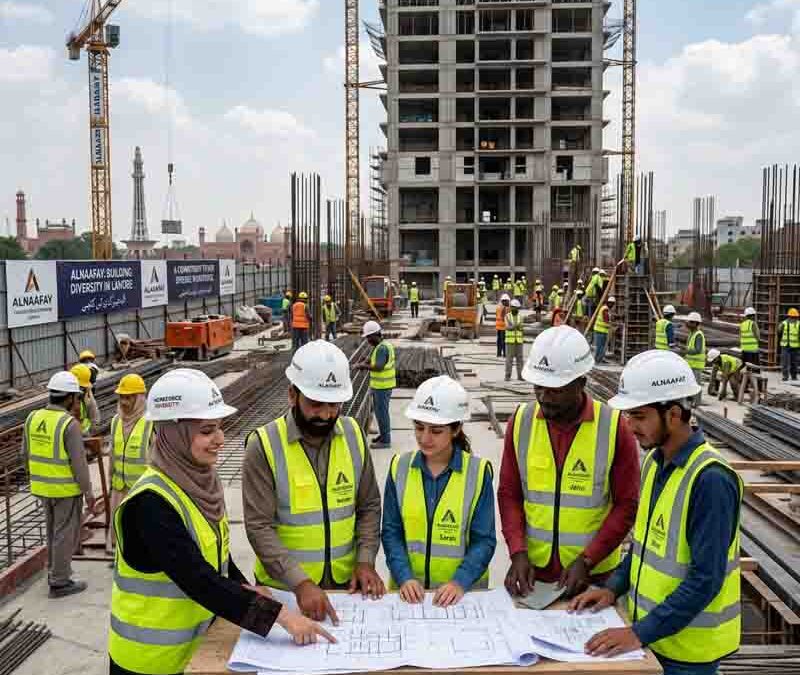
Workforce Diversity in Construction: Why It Matters and How to Improve It
The construction industry has long been one of the most homogenous sectors in the global workforce. Walk onto most job sites today, and you will likely find a workforce that skews heavily male, older, and from a narrow set of ethnic and cultural backgrounds. That reality, however, is beginning to shift—and for good reason. Workforce diversity in construction is no longer just a moral imperative. It has become a strategic advantage that forward-thinking companies can no longer afford to ignore.
This blog post explores what workforce diversity in construction really means, why it matters more than ever, what barriers continue to hold the industry back, and—most importantly—what practical steps construction companies can take to build genuinely inclusive teams. Whether you are an HR professional, a project manager, or a company owner, you will find actionable insights here that can help drive real, lasting change.
Table of Contents
- What Is Workforce Diversity in Construction?
- Why Workforce Diversity in Construction Matters
- Current State of Diversity in the Construction Industry
- Key Barriers to Diversity in Construction
- Benefits of a Diverse Construction Workforce
- How to Improve Workforce Diversity in Construction
- Role of Construction Companies in Promoting Inclusion
- Workforce Diversity at a Construction Company in Lahore
- FAQs
- Conclusion
What Is Workforce Diversity in Construction?
At its core, workforce diversity in construction refers to the presence of a wide range of people within a construction team or organization. These differences can span gender, ethnicity, race, age, religion, disability status, educational background, and socioeconomic origin. Rather than treating these differences as obstacles, diverse organizations actively embrace them as strengths.
It is important to understand that diversity goes beyond simply hiring people from different backgrounds. True diversity encompasses inclusion—creating an environment where every employee feels valued, respected, and empowered to contribute fully. Without inclusion, diversity becomes little more than a numbers exercise that fails to unlock its real potential.
In the context of construction, workforce diversity also speaks to the variety of skills, experiences, and perspectives that workers bring to a project. A team made up of people with different life experiences will often approach problem-solving in ways that a homogenous team simply cannot. Consequently, diversity becomes a driver of innovation, resilience, and performance.
Why Workforce Diversity in Construction Matters
The construction sector is one of the most important drivers of economic growth. Roads, bridges, hospitals, schools, and residential developments all depend on a skilled, capable workforce. Therefore, when that workforce is not diverse, the industry risks missing out on a vast pool of talent that could help address some of its most pressing challenges.
First and foremost, workforce diversity in construction matters because labor shortages are real and growing. Many developed economies are facing a significant skills gap in construction. As older workers retire, not enough younger workers are entering the pipeline to replace them. Broadening the talent pool by attracting women, minorities, immigrants, and other underrepresented groups is one of the most effective ways to address this gap.
Beyond numbers, diversity matters because it improves the quality of decision-making. Research consistently shows that diverse teams make better decisions than homogenous ones. When a group of people with different backgrounds and perspectives collaborates on a problem, they are more likely to consider a broader range of solutions. In construction, where safety, budget, and schedule pressures are constant, better decision-making can have a significant impact on outcomes.
Furthermore, clients and investors are increasingly demanding diversity from the companies they work with. Government contracts, in particular, often come with diversity requirements. Companies that can demonstrate a genuine commitment to inclusive practices are better positioned to win and retain high-value contracts.
Current State of Diversity in the Construction Industry
Despite growing awareness, the current state of diversity in the construction industry leaves much to be desired. Women, for instance, make up only about 10–14% of the construction workforce in most countries. Even within that small percentage, the majority work in administrative or office-based roles rather than on-site positions.
Similarly, racial and ethnic minorities remain underrepresented in leadership roles, even in regions where they make up a significant portion of the general workforce. Many minority workers enter the industry at the entry level but encounter glass ceilings that prevent meaningful career advancement.
The situation is particularly pronounced when it comes to people with disabilities. Although many construction companies have made efforts to improve physical accessibility on job sites, far fewer have implemented policies that actively recruit and support workers with disabilities.
Importantly, the picture is not entirely bleak. Across several regions, awareness is growing, and industry bodies are beginning to take measurable steps toward promoting workforce diversity in construction. Nevertheless, the pace of change remains slow, and there is still a considerable gap between intent and action.
Key Barriers to Diversity in Construction
Understanding the barriers to diversity is essential before a company can develop effective solutions. Several interconnected factors continue to limit workforce diversity in construction.
Deeply Rooted Cultural Norms
Construction has historically been seen as a male-dominated field. That cultural perception persists, and it discourages many women and non-binary individuals from even considering a career in the industry. Young people from underrepresented groups often lack role models in construction, which further reinforces the sense that "this industry is not for me."
Lack of Inclusive Recruitment Practices
Many construction companies still rely on word-of-mouth hiring or recruit from the same narrow talent pools they have always used. As a result, qualified candidates from diverse backgrounds simply never hear about available opportunities. Even when they do, job descriptions and recruitment materials often use language or imagery that unintentionally signals a preference for a particular type of candidate.
Inadequate Workplace Policies
Without formal policies around anti-discrimination, harassment, parental leave, flexible working, and religious observance, many workers from underrepresented groups find it difficult to thrive in construction environments. In some cases, the absence of basic facilities—such as gender-neutral restrooms on job sites—sends a clear message that the industry has not made space for everyone.
Bias in Hiring and Promotion
Both conscious and unconscious bias continue to shape hiring and promotion decisions in construction. Even when diverse candidates make it through the door, they may face systemic disadvantages that limit their ability to advance. Consequently, turnover among underrepresented groups tends to be higher, which makes it difficult to build lasting diversity.
Limited Access to Training and Apprenticeships
Apprenticeship programs are a critical pathway into the construction industry. However, access to these programs is often unevenly distributed. People from low-income backgrounds, women, and certain ethnic minorities face disproportionate barriers to entering and completing apprenticeships. Addressing this gap is therefore central to improving workforce diversity in construction over the long term.
Benefits of a Diverse Construction Workforce
The business case for diversity in construction is compelling. Companies that commit to building diverse teams consistently outperform their peers across a range of metrics.
Expanded Talent Pool
When a company recruits from a wider pool of candidates, it naturally has access to more talent. This is especially important given the acute labor shortages facing the construction industry in many parts of the world. By removing barriers that keep underrepresented groups out, companies can find skilled workers they would otherwise have overlooked.
Improved Innovation and Problem-Solving
Diverse teams are more creative. When people with different backgrounds, experiences, and ways of thinking collaborate, they generate a wider range of ideas and solutions. In an industry where efficiency, safety, and sustainability increasingly depend on innovation, this creative advantage can translate directly into competitive strength.
Better Safety Outcomes
Some research suggests that diverse and inclusive workplaces tend to have stronger safety cultures. Workers who feel respected and included are more likely to speak up about safety concerns, report near-misses, and follow established protocols. Since safety is one of the most critical concerns in construction, this benefit alone justifies investment in diversity.
Enhanced Reputation and Client Relationships
A company known for its inclusive culture attracts better talent and builds stronger relationships with clients, partners, and communities. In markets where diversity is a procurement requirement, this reputational advantage also translates into direct business opportunities.
Stronger Financial Performance
Multiple studies, including those conducted by McKinsey & Company, have found that companies in the top quartile for ethnic and cultural diversity are significantly more likely to achieve above-average financial returns. Although construction-specific data is more limited, the broader pattern is clear: diversity is good for the bottom line.
How to Improve Workforce Diversity in Construction
Improving workforce diversity in construction requires more than good intentions. It demands a systematic, sustained effort across recruitment, training, retention, and culture. Here are the most effective strategies that construction companies can implement.
Audit Your Current Workforce
Before making any changes, it is essential to understand where your company currently stands. Conduct a thorough audit of your workforce demographics, including gender, ethnicity, age, and disability status across different levels of the organization. This data will help you identify gaps and set meaningful targets.
Reform Recruitment Practices
Review every aspect of your recruitment process for bias. Start with job descriptions—use gender-neutral language, focus on skills and competencies rather than credentials, and avoid jargon that may discourage certain candidates. Broaden your sourcing channels to include community organizations, vocational schools, and networks that serve underrepresented groups. Additionally, consider implementing structured interviews and blind resume screening to reduce the impact of unconscious bias.
Invest in Apprenticeship and Training Programs
Partner with schools, community colleges, and nonprofits to create pathways into the industry for people who might not otherwise consider construction. Funded apprenticeship programs that specifically target underrepresented groups can be a highly effective tool. Moreover, providing mentorship alongside technical training helps new entrants navigate the cultural aspects of the industry more successfully.
Create Inclusive Workplace Policies
Formal policies matter. Implement clear anti-discrimination and anti-harassment policies, and enforce them consistently. Introduce flexible working arrangements where possible, provide gender-neutral facilities on job sites, and make reasonable accommodations for workers with disabilities or religious obligations. These changes signal that your company is serious about inclusion—not just in theory, but in practice.
Build an Inclusive Culture from the Top Down
Leadership sets the tone for organizational culture. When senior leaders visibly champion diversity and hold themselves accountable for progress, the rest of the organization takes notice. Provide diversity and inclusion training for all employees, particularly those in supervisory roles. Create forums—such as employee resource groups—where workers from underrepresented groups can connect, share experiences, and advocate for change.
Measure, Report, and Improve
Set specific, measurable diversity targets and report on progress regularly. Transparency holds the organization accountable and demonstrates commitment to stakeholders inside and outside the company. When results fall short, treat them as opportunities to identify what is not working and make adjustments accordingly.
Role of Construction Companies in Promoting Inclusion
Individual companies play a pivotal role in driving workforce diversity in construction. While government policy and industry-wide initiatives are important, meaningful change ultimately happens at the company level—in hiring rooms, on job sites, and in boardrooms.
Construction companies have a responsibility to lead by example. That means going beyond compliance with legal requirements and actively designing systems and processes that give everyone a fair chance to succeed. It also means engaging with local communities to build awareness of career opportunities in construction and to challenge the stereotypes that keep many people from even considering the industry.
Partnerships are another powerful tool. By collaborating with diversity-focused organizations, industry associations, and educational institutions, construction companies can leverage resources and expertise they might not have on their own. Furthermore, sharing best practices across the industry can accelerate progress sector-wide.
In addition, companies should think carefully about their supply chains. Awarding contracts to diverse-owned businesses and encouraging subcontractors to adopt similar diversity practices extends the impact of a company's commitment beyond its own four walls.
Workforce Diversity at a Construction Company in Lahore
Lahore, Pakistan's second-largest city, is one of the most rapidly developing urban centers in South Asia. Its construction sector is booming, with large-scale infrastructure projects, residential developments, and commercial complexes transforming the city's skyline. Against this backdrop, questions of workforce diversity in construction are becoming increasingly relevant to companies operating in Lahore.
Traditionally, the construction workforce in Lahore has been overwhelmingly male, with women largely absent from on-site roles. However, a number of construction companies in Lahore are beginning to challenge this norm. Forward-thinking firms are recognizing that they can no longer afford to ignore the talent represented by women, young graduates, people from diverse ethnic backgrounds, and workers from different provinces of Pakistan.
One area where some Lahore-based construction companies have made meaningful progress is in the recruitment of skilled professionals from a wider range of educational and geographic backgrounds. Rather than limiting recruitment to familiar networks, these companies have begun working with universities, technical training institutes, and vocational colleges across Punjab and beyond to identify qualified candidates who bring fresh perspectives to the table.
Additionally, some construction companies in Lahore have started implementing formal HR policies that protect workers from discrimination and harassment. These policies are particularly significant in a cultural context where such protections have historically been informal at best. By establishing clear standards and creating safe reporting mechanisms, these companies are laying the groundwork for more inclusive workplaces.
The inclusion of women in on-site construction roles remains one of the most significant challenges for a construction company in Lahore. Cultural expectations, safety concerns, and the lack of appropriate facilities have historically made it difficult to attract and retain women in these positions. Nevertheless, some pioneering companies are tackling these barriers head-on—by providing gender-appropriate facilities, offering flexible working arrangements, and actively promoting female professionals into supervisory roles.
It is also worth noting that workforce diversity in construction in Lahore extends beyond gender. Pakistan is a country of remarkable ethnic, linguistic, and regional diversity. Construction companies that draw on this diversity—recruiting workers from different provinces and cultural backgrounds—benefit from a richer range of skills, knowledge, and problem-solving approaches.
The journey toward genuinely diverse and inclusive construction workplaces in Lahore is still in its early stages. However, the companies that commit to this path now are well-positioned to gain a competitive advantage as client expectations evolve and the pressure to demonstrate inclusive practices grows. In this sense, the experience of Lahore reflects a global pattern: workforce diversity in construction is not just a social goal, but a smart business strategy.
FAQs
What does workforce diversity in construction mean?
Workforce diversity in construction refers to the inclusion of people from a wide range of backgrounds—including different genders, ethnicities, ages, religions, and abilities—within a construction company or team. It also encompasses the creation of inclusive environments where all workers feel valued and have equal opportunities to succeed.
Why is diversity important in the construction industry?
Diversity is important in construction for several reasons. It helps address labor shortages by expanding the talent pool, improves decision-making and innovation, enhances workplace safety, strengthens company reputation, and can improve financial performance. In addition, diverse teams are better equipped to serve diverse communities and client bases.
What are the main barriers to diversity in construction?
The main barriers include deeply rooted cultural stereotypes about who belongs in construction, limited access to apprenticeships and training for underrepresented groups, biased recruitment and promotion practices, inadequate workplace policies, and a lack of visible role models from underrepresented groups in the industry.
How can construction companies attract more women to the workforce?
Construction companies can attract more women by using inclusive recruitment materials, offering flexible working arrangements, providing appropriate on-site facilities, establishing mentorship programs, and promoting women into visible leadership roles. Partnering with schools and community organizations to challenge gender stereotypes about construction careers is also highly effective.
What is the role of leadership in promoting diversity in construction?
Leadership plays a critical role. When senior leaders visibly champion diversity, set measurable targets, and hold themselves and their teams accountable for progress, it signals that inclusion is a genuine organizational priority. Leaders who model inclusive behavior also help shape the day-to-day culture of the workplace.
Are there legal requirements around diversity in construction?
Legal requirements vary by country and region. In many jurisdictions, anti-discrimination laws require construction companies to treat all workers and job applicants equally, regardless of protected characteristics such as gender, race, or disability. Additionally, government-funded construction contracts often include diversity and inclusion requirements that companies must meet to qualify.
How does diversity improve safety on construction sites?
Diverse and inclusive workplaces tend to foster stronger safety cultures. Workers who feel respected and included are more likely to speak up about hazards, report near-misses, and follow safety protocols. A culture of psychological safety—where all voices are heard—is closely linked to better safety outcomes.
How can small construction companies improve diversity without large HR budgets?
Small construction companies can make meaningful progress even with limited resources. Practical steps include reviewing job descriptions for inclusive language, reaching out to local community organizations and vocational schools, implementing clear anti-harassment policies, and creating a culture where all workers feel valued. Many of the most impactful changes cost very little—they simply require commitment and consistency.
Conclusion
Workforce diversity in construction is not a passing trend or a box-ticking exercise. It is one of the most important strategic priorities that the construction industry faces today. From addressing labor shortages to improving safety, driving innovation, and building stronger businesses, the benefits of diversity are concrete and measurable.
The path forward is not always easy. Deep-rooted cultural norms, biased systems, and inadequate policies have created real barriers that will not disappear overnight. However, companies that take a serious, systematic approach to diversity—reforming their recruitment practices, investing in inclusive workplace policies, building from the top down, and holding themselves accountable for progress—will find themselves better positioned for long-term success.
Whether you are leading a multinational construction corporation or managing a growing construction company in Lahore, the principles are the same: build a team that reflects the full range of human talent, and you will build something worth being proud of.
Ready to take the first step? Start with an honest assessment of where your company stands today, set clear goals for the future, and commit to taking action—one hire, one policy, one conversation at a time.
