
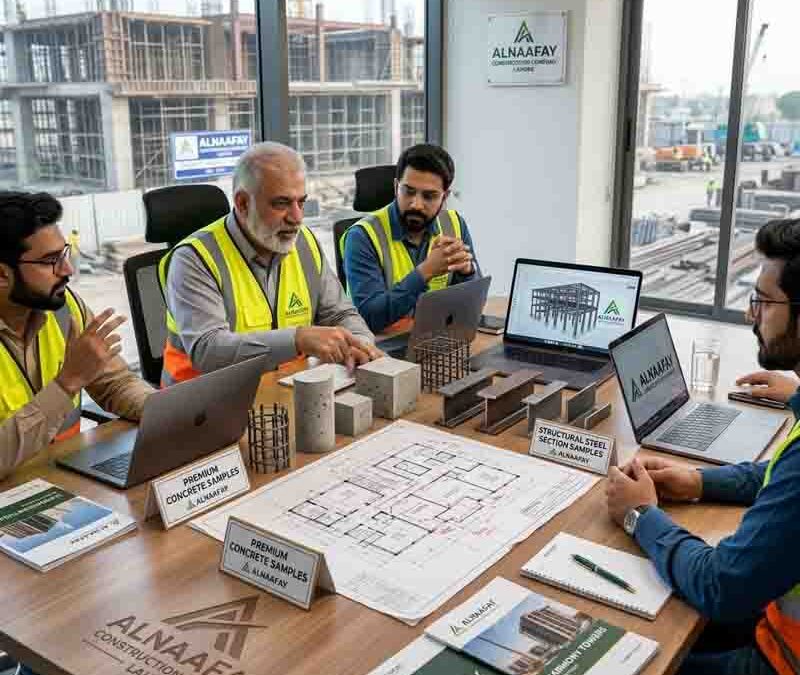
Concrete vs. Steel: Choosing the Right Structural Material for Your Project
Every great building begins with a single, critical decision: which structural material will hold it all together? For builders, developers, and homeowners alike, the choice often comes down to two giants of the construction world—concrete and steel. Both materials have shaped skylines for over a century, and both bring unique strengths to the table. However, picking the wrong one can lead to higher costs, longer timelines, and even safety concerns down the road.
So, how do you know which material is right for your project? The answer depends on several factors, including your budget, your timeline, the local climate, and the type of structure you want to build. Moreover, the expertise of your chosen Construction Company Lahore can make all the difference in turning raw materials into a lasting, reliable structure.
In this detailed guide, we will break down everything you need to know about concrete and steel. You will learn about their key differences, their advantages and disadvantages, and the specific factors that matter most when building in a fast-growing city like Lahore. By the end, you will feel confident making an informed decision for your next construction project.
Table of Contents
- What Are Concrete and Steel as Structural Materials?
- Concrete vs. Steel: Key Differences
- Advantages of Concrete for Construction Projects
- Disadvantages of Concrete
- Advantages of Steel for Construction Projects
- Disadvantages of Steel
- How a Construction Company in Lahore Chooses the Right Material
- Factors to Consider When Choosing Between Concrete and Steel
- Frequently Asked Questions (FAQs)
- Conclusion
1. What Are Concrete and Steel as Structural Materials?
Before we compare these two materials, let us first understand what they actually are. After all, knowing the basics helps you appreciate why each one behaves the way it does.
Concrete is a composite material made from cement, water, sand, and gravel or crushed stone. When these ingredients are mixed together, a chemical reaction called hydration occurs, which causes the mixture to harden over time. Furthermore, builders often add steel reinforcement bars, commonly known as rebar, to boost concrete's ability to handle pulling forces. This combination is what we call reinforced concrete, and it forms the backbone of countless buildings, bridges, and foundations around the world.
Steel, on the other hand, is an alloy made primarily of iron and carbon. Manufacturers produce structural steel in factories, where it is shaped into beams, columns, and other components. Because steel is created in controlled conditions, it offers consistent quality and predictable performance. In addition, steel can be prefabricated off-site and then assembled quickly at the construction location.
Both materials serve as the skeleton of a structure. Nevertheless, they each handle stress, weight, and environmental forces in very different ways. Understanding these differences is the first step toward making a smart choice for your project.
2. Concrete vs. Steel: Key Differences
Now that we know what each material is, let us explore how they stack up against one another. While both are incredibly strong, they excel in different areas.
Compressive Strength: When it comes to handling pushing or squeezing forces, concrete is the clear winner. Typical structural concrete mixtures offer compressive strength ranging from 3,000 psi to over 8,000 psi, depending on the mix design. As a result, concrete works beautifully for foundations and columns that must bear heavy loads.
Tensile Strength: In contrast, steel dominates when it comes to tensile strength, which is the ability to resist pulling or stretching. High-grade structural steel averages around 60,000 psi in tension, whereas even steel-reinforced concrete typically reaches only 300 to 700 psi. Consequently, steel is the go-to material for structures that need flexibility and span long distances.
Weight: Concrete structures can be up to 50% heavier than steel structures. Because of this added weight, concrete buildings often require larger, more expensive foundations. Steel, meanwhile, boasts the highest strength-to-weight ratio of any building material, which means it delivers more strength using less material.
Construction Speed: Steel buildings tend to go up faster, especially when prefabricated members and experienced crews are involved. Concrete, however, requires time for the forms to cure properly. Therefore, projects built with concrete often take longer to complete.
Cost: Material costs can shift depending on the market, but when all factors are considered, some studies show steel coming in roughly 9.6% cheaper than concrete. Still, concrete can be more affordable for smaller projects, particularly because its ingredients are inexpensive and locally available.
These differences highlight an important truth: neither material is universally "better." Instead, the right choice depends entirely on the specific needs of your project, which is exactly why partnering with a knowledgeable Construction Company Lahore matters so much.
3. Advantages of Concrete for Construction Projects
Concrete has earned its place as one of the most trusted building materials on the planet. Let us look at the reasons why so many builders continue to rely on it.
Excellent Fire Resistance: One of concrete's biggest strengths is its non-combustible nature. Because it does not burn, concrete provides outstanding fire protection. Moreover, it transmits heat slowly, which can delay structural failure for hours during a fire. This quality makes it especially valuable for residential and commercial buildings where safety is a top priority.
Superior Sound Insulation: Thanks to its solid mass, concrete naturally blocks sound transmission. As a result, concrete buildings tend to be quieter and offer greater privacy. For apartment complexes, hotels, and offices in busy areas of Lahore, this benefit is hard to ignore.
Energy Efficiency: Concrete has impressive thermal mass properties, which means it absorbs and stores heat. Consequently, concrete buildings experience fewer temperature swings, which helps reduce heating and cooling costs. In Lahore's hot summers, this can translate into real savings on energy bills.
Low Maintenance: Once installed correctly, concrete generally requires little upkeep. Additionally, it resists moisture, pests, and rot, which makes it a dependable long-term option.
Resistance to Natural Forces: When properly reinforced with steel, concrete stands strong against hurricanes, tornadoes, and earthquakes. This durability is particularly important in regions that face seismic activity.
Design Flexibility: Because concrete is poured into forms, it can take on freeform shapes, decorative patterns, and exposed finishes. Architects love this creative freedom, and it allows for unique, eye-catching designs.
4. Disadvantages of Concrete
Of course, no material is perfect. Despite its many strengths, concrete also comes with some drawbacks that you should weigh carefully.
Longer Construction Time: Concrete needs time to cure before it reaches full strength. Because of this waiting period, projects can take longer to finish. Naturally, longer construction timelines often lead to higher overall costs.
Heavy Weight: As mentioned earlier, concrete is significantly heavier than steel. This added weight demands stronger and larger foundations, which can increase both material and labor expenses.
Susceptibility to Cracking: While concrete handles compression well, it is prone to cracking under tension or during significant temperature changes. If these cracks are not addressed early, they can lead to costly repairs.
Labor-Intensive Process: Pouring and forming concrete requires skilled contractors and experienced laborers. Without the right expertise, the results may fall short of expectations. For this reason, hiring a reputable Construction Company Lahore is essential for achieving quality concrete work.
Environmental Concerns: Concrete is made with cement, which is a major source of carbon dioxide emissions. Furthermore, recycling concrete is not economical, so only about half of demolished concrete gets reused. The rest often ends up in landfills.
5. Advantages of Steel for Construction Projects
Steel has become increasingly popular in modern construction, and for good reason. Let us examine the qualities that make it such a compelling choice.
Outstanding Strength-to-Weight Ratio: Steel delivers tremendous strength while remaining lightweight. Because of this, builders can create stronger structures using less material. In turn, this often reduces both material costs and foundation requirements.
Faster Construction: Since steel components can be prefabricated in factories, they assemble quickly on-site. As a result, projects move along faster, which saves money on labor, interim financing, and insurance. For developers working on tight schedules, this speed is a major advantage.
Design Versatility: Steel allows for long-span beams and open floor plans, which give architects the freedom to create flexible, spacious layouts. Additionally, intricate architectural steelwork can serve as a stunning visual centerpiece.
Flexibility Under Stress: Steel bends rather than breaks, which makes it ideal for earthquake-prone areas. Because Pakistan sits in a seismically active region, this flexibility offers genuine peace of mind.
Eco-Friendly and Recyclable: Steel is the most recycled material on the planet. In fact, domestic structural steel contains 77% to 90% recycled content, and nearly 100% of structural steel gets recycled at the end of its life. Moreover, every ton of recycled steel saves 2,500 pounds of iron ore, 1,400 pounds of coal, and a significant amount of energy. The U.S. Green Building Council even calls steel framing "the logical and responsible choice for Green Building."
Durability and Longevity: With proper maintenance, steel structures can last well over 100 years. Because steel is inorganic, it will not rot, warp, or split over time.
6. Disadvantages of Steel
Even though steel offers many benefits, it is not without its challenges. Here are the downsides you should keep in mind.
Vulnerability to Fire: Unlike concrete, steel loses strength when exposed to high temperatures. Therefore, steel members usually require special fireproofing coatings to meet certified fire-resistance ratings. These coatings add to the overall cost.
Risk of Corrosion: In humid or chemically exposed environments, steel can rust over time. Fortunately, this problem can be managed with galvanized coatings or anti-corrosion treatments. Still, these treatments require additional investment and ongoing attention.
Higher Upfront Material Cost: Historically, steel has carried a higher material price than concrete. Although modern automation has narrowed this gap, the initial cost can still be a concern for smaller projects.
Thermal Transfer Challenges: Steel conducts heat readily, which can create energy-efficiency issues. However, a high-quality insulation system can overcome this drawback and reduce heating and cooling costs significantly.
Specialized Labor Requirements: Steel erection demands specialized techniques, equipment, and trained crews. Because of this, careful planning is necessary to ensure the right team is available. A skilled Construction Company Lahore can help secure the proper expertise for steel projects.
7. How a Construction Company in Lahore Chooses the Right Material
Lahore is a city on the rise. With its rich history and rapidly expanding infrastructure, the demand for quality construction has never been higher. Whether you are building a family home, a commercial complex, or a large-scale development, the material you choose will shape the success of your project. This is precisely where the guidance of an experienced Construction Company Lahore becomes invaluable.
A reputable Construction Company Lahore does not simply pick a material at random. Instead, it carefully evaluates the unique conditions of each project. For example, the team considers the local climate, the soil type, the building's intended use, and the client's budget. Because Lahore experiences extremely hot summers, builders often appreciate concrete's thermal mass, which keeps interiors cooler and reduces energy costs.
At the same time, a forward-thinking Construction Company Lahore must account for seismic safety. Since Pakistan lies in a seismically active zone, steel's flexibility offers a strong advantage for certain structures. In many cases, builders combine both materials to get the best of both worlds. For instance, a hybrid approach might use concrete foundations alongside steel framing.
Beyond materials, a trusted Construction Company Lahore also navigates local regulations and building codes. Compliance with the standards set by authorities like the Lahore Development Authority is essential. Any violations can result in costly delays and penalties, so working with a company that understands these rules protects your investment.
Furthermore, today's leading Construction Company Lahore embraces technology and innovation. Many firms now use advanced construction software, 3D modeling, and building information modeling, also known as BIM. These tools streamline the entire process, reduce risks, and improve project outcomes. As a result, clients enjoy better coordination and more cost-effective solutions.
Finally, the best Construction Company Lahore prioritizes quality and sustainability. High-quality materials ensure your structure lasts for generations, while eco-friendly practices contribute to a greener city. When you choose a partner that values these principles, you set your project up for long-term success.
8. Factors to Consider When Choosing Between Concrete and Steel
By now, you understand the strengths and weaknesses of both materials. So how do you actually make the final decision? Below are the key factors to weigh, and a thoughtful Construction Company Lahore will help you balance all of them.
1. Budget: First and foremost, consider your budget. Concrete may be more economical for smaller projects, while steel can offer better long-term value through faster construction and lower maintenance. Be sure to think about both upfront and ongoing costs.
2. Project Timeline: If speed is a priority, steel often wins because of its prefabricated nature. However, if you have more flexibility with scheduling, concrete remains a solid option.
3. Building Type and Use: Next, think about what you are building. Concrete suits residential buildings, foundations, and structures that benefit from sound insulation. Meanwhile, steel shines in commercial buildings, industrial facilities, and projects that require large open spaces.
4. Local Climate: Lahore's hot weather makes concrete's energy efficiency appealing. On the other hand, if you choose steel, a good insulation system can address its thermal challenges.
5. Seismic Activity: Because earthquakes are a genuine concern in Pakistan, the structure's ability to withstand seismic forces matters. Steel offers flexibility, while properly reinforced concrete provides excellent stability.
6. Maintenance Requirements: Consider how much upkeep you are willing to handle. Concrete generally requires less maintenance, although it may crack over time. Steel needs protection against corrosion but otherwise holds up well.
7. Environmental Impact: If sustainability is important to you, steel's recyclability gives it an edge. Nevertheless, both materials have made strides in reducing their environmental footprint.
8. Long-Term Goals: Finally, think about the future. Steel structures are easier to modify or expand, which adds flexibility. Concrete buildings, while durable, can be harder and more expensive to alter later on.
When you weigh all of these factors together, the right choice becomes much clearer. Ultimately, an experienced Construction Company Lahore will guide you through each consideration and help you arrive at the best decision for your specific needs.
9. Frequently Asked Questions (FAQs)
Q1: Which is stronger, concrete or steel?
Both materials are strong, but they excel in different ways. Concrete offers superior compressive strength, which means it handles squeezing forces extremely well. Steel, however, provides far greater tensile strength, so it resists pulling and stretching forces better. For this reason, builders often combine the two to create reinforced concrete that benefits from both qualities.
Q2: Is steel or concrete more affordable for building in Lahore?
The answer depends on your project. Concrete tends to be more cost-effective for smaller builds because its ingredients are inexpensive and locally available. Steel, meanwhile, can offer better long-term value thanks to faster construction and lower maintenance. A trusted Construction Company Lahore can provide a transparent cost estimate based on your specific requirements.
Q3: Which material is better for earthquake safety?
Steel is known for its flexibility, which allows it to bend rather than break during an earthquake. That said, properly reinforced concrete also performs very well against seismic forces. Because Pakistan sits in a seismically active region, your Construction Company Lahore will recommend the safest option for your particular structure.
Q4: Can concrete and steel be used together?
Absolutely. In fact, many modern buildings use a hybrid approach that combines the strengths of both materials. For example, a project might feature concrete foundations paired with steel framing. This strategy delivers excellent results, and a skilled Construction Company Lahore can design the ideal combination for your project.
Q5: Which material is more environmentally friendly?
Steel holds a clear advantage when it comes to recyclability, since it is the most recycled material on the planet and retains its strength no matter how many times it is reused. Concrete can also be recycled, although the process is less economical. Both materials, however, continue to improve their environmental performance through ongoing innovation.
Q6: How do I choose the right Construction Company Lahore for my project?
When selecting a partner, consider factors such as reputation, experience, expertise in your project type, compliance with local regulations, and a commitment to quality and sustainability. Additionally, check customer reviews and request references from past clients. Taking these steps helps ensure you choose a reliable Construction Company Lahore that aligns with your goals.
10. Conclusion
Choosing between concrete and steel is one of the most important decisions you will make for any construction project. As we have seen, both materials bring remarkable strengths to the table. Concrete offers outstanding compressive strength, fire resistance, sound insulation, and energy efficiency. Steel, in contrast, delivers an unbeatable strength-to-weight ratio, faster construction, flexibility, and impressive recyclability.
Ultimately, there is no single "best" material that fits every situation. Instead, the right choice depends on your budget, your timeline, the local climate, seismic considerations, and the specific purpose of your building. In many cases, a thoughtful combination of both materials produces the strongest and most efficient results.
The key to success lies in working with the right experts. A skilled and reliable Construction Company Lahore will assess your unique needs, navigate local regulations, embrace modern technology, and guide you toward the material that serves you best. With the right partner by your side, your vision can become a sturdy, lasting reality.
If you are planning a construction project in Lahore, do not leave such an important decision to chance. Reach out to a trusted Construction Company Lahore today, discuss your goals, and take the first confident step toward building something that will stand the test of time.
