
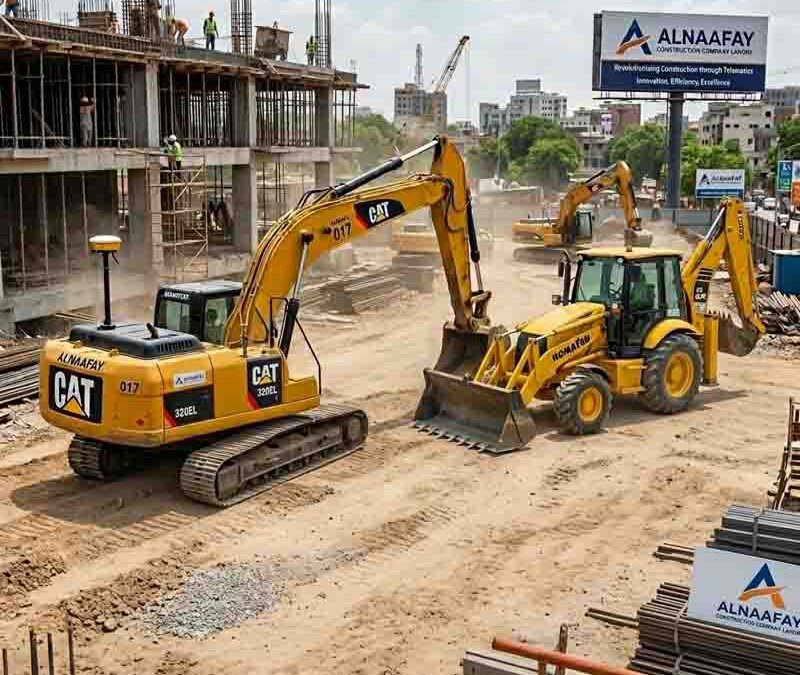
Excavator vs. Backhoe: Which One Do You Actually Need for Construction?
Choosing the right machine for a digging job sounds simple, yet it trips up many builders every single day. Two machines sit at the heart of this decision: the excavator and the backhoe. Both can dig, lift, and move material, so people often assume they are interchangeable. That assumption can lead to wasted money, slower work, and plenty of unnecessary headaches.
The truth is that each machine shines in different situations. While an excavator brings raw power and deep digging strength, a backhoe offers flexibility and easy movement between tasks. Knowing which one fits your project can save you serious time and cash. For a busy Construction Company Lahore juggling many sites at once, that knowledge becomes a real competitive edge.
In this detailed guide, we will break down everything you need to know about these two workhorses. You will learn what each machine is, how they differ, and exactly when to pick one over the other. Furthermore, we will look at how a smart Construction Company Lahore makes this choice, compare the costs involved, and answer the questions builders ask most often. By the end, you will choose your next machine with total confidence.
Table of Contents
- Introduction
- What Is an Excavator?
- What Is a Backhoe?
- Excavator vs. Backhoe: Key Differences
- When to Choose an Excavator
- When to Choose a Backhoe
- How a Construction Company in Lahore Chooses Between the Two
- Cost Comparison: Excavator vs. Backhoe
- Frequently Asked Questions (FAQs)
- Conclusion
Introduction
Construction projects live and die by the machines that power them. From digging foundations to clearing debris, heavy equipment does the hard work that human hands simply cannot. Because of this, picking the wrong machine for a task can throw an entire project off track. A delay here, a breakdown there, and suddenly the budget starts to crumble.
This challenge becomes even trickier when two machines look so similar yet behave so differently. The excavator and the backhoe both feature a digging arm and a bucket, which fools many people into thinking they are basically the same tool. In reality, their differences in size, power, and movement make them suited for very different jobs. Therefore, understanding those differences matters far more than most people realize.
Consider how often this decision comes up. Every trenching job, every demolition project, and every site clearance forces builders to ask the same question: excavator or backhoe? Get the answer right, and the work flows smoothly. Get it wrong, and you pay the price in lost hours and extra costs. For this reason, a thoughtful Construction Company Lahore treats equipment selection as a strategic decision rather than a quick guess.
Throughout this article, we will give you the clear, practical knowledge needed to make that call. Rather than drowning you in technical jargon, we will keep things simple and easy to follow. So let us start at the beginning by getting to know each machine on its own.
What Is an Excavator?
An excavator is a heavy digging machine built for power and precision. At its core, it features a long boom, a stick, and a digging bucket mounted on a rotating cab. Most excavators run on tracks rather than wheels, which gives them excellent stability on rough or uneven ground. Because of this sturdy design, the excavator can tackle the toughest digging jobs with ease.
The standout feature of an excavator is its full 360-degree rotation. While the machine stays planted in one spot, its entire cab and arm can spin in a complete circle. This means an operator can dig on one side and dump on the other without ever repositioning the machine. As a result, work on large sites moves quickly and efficiently.
The Main Parts of an Excavator
To understand the machine better, it helps to know its key components. An excavator is built around three major parts: the undercarriage, the cab, and the boom with its arm. The undercarriage holds the tracks and keeps the machine stable. Meanwhile, the cab houses the operator and rotates freely, and the boom and arm do the actual digging.
What an Excavator Can Do
Excavators are true heavy lifters on any job site. They excel at deep trenching, large-scale digging, demolition, mining, and earthmoving. Beyond standard buckets, they accept specialized attachments such as breakers, augers, grapples, and rippers. Thanks to this range of tools, a single excavator can crush concrete, drill holes, and tear down structures. For demanding projects, a serious Construction Company Lahore often reaches for an excavator first.
Excavators Come in Different Sizes
It is worth noting that excavators are not all the same size. Mini excavators weigh less than seven metric tons and squeeze into tight spaces with ease. Standard excavators can weigh up to 45 metric tons and handle most commercial work. Large excavators, the heaviest of the group, take on massive jobs like digging foundations for malls and apartment towers. Because of this variety, builders can match the machine size to the exact scale of the work.
What Is a Backhoe?
A backhoe, often called a backhoe loader, is a versatile machine that combines two tools in one body. On the front, it carries a large loader bucket for scooping and moving material. On the back, it features a jointed digging arm, which gives the machine its name. Mounted on wheels, the backhoe can roll easily across a site and even drive on public roads.
This two-in-one design makes the backhoe incredibly practical. Rather than switching between separate machines, an operator can dig a trench, then swing around to load a truck, all without leaving the seat. Because the seat itself swivels, the operator simply faces whichever end is being used. For mixed-task job sites, this flexibility is a huge advantage.
How a Backhoe Is Built
A backhoe's digging arm has a few key parts worth knowing. The section attached to the tractor is called the boom, while the part holding the bucket is the dipper, or dipper-stick. A pivot called the king-post connects the two. Despite its name, the digging bucket sits at the rear, and the machine digs by pulling earth toward itself rather than pushing it away.
What a Backhoe Can Do
Backhoes handle an impressive variety of tasks. They dig trenches, load materials, backfill holes, and clear debris with equal skill. On top of that, they accept a wide range of attachments, including augers, breakers, hammers, plows, forks, and stump grinders. This broad selection makes the backhoe one of the most adaptable machines on any site. A versatile Construction Company Lahore values this flexibility, especially on smaller projects with many different jobs.
How Deep Can a Backhoe Dig?
Digging depth matters when choosing equipment, so let us address it directly. Most backhoes can dig between 12 and 16 feet deep, and some models reach nearly 20 feet. While this depth handles plenty of residential and utility work, it does not match the reach of a large excavator. Even so, for many everyday projects, a backhoe digs more than deep enough.
Excavator vs. Backhoe: Key Differences
Now that we understand each machine on its own, let us put them side by side. Although both can dig and move material, they differ in several important ways. Grasping these differences is the key to choosing wisely, so we will explore each one in turn.
Difference in Size and Power
The most obvious difference between the two machines is size. Excavators are generally larger, heavier, and far more powerful than backhoes. Because of this extra muscle, they handle deeper digs, tougher soil, and bigger projects with ease. Backhoes, by contrast, are smaller and lighter, which makes them better suited to moderate jobs rather than heavy-duty excavation.
This power gap shapes how each machine is used. When a project demands serious digging force, the excavator clearly wins. However, when the work involves a mix of lighter tasks, the backhoe's modest power proves more than enough.
Difference in Mobility and Transport
Mobility is another major dividing line between the two. Backhoes run on wheels, which lets them drive between nearby sites at speeds up to 25 miles per hour. As a result, contractors can move a backhoe across town without a trailer. Excavators, on the other hand, usually run on tracks and require a trailer for transport, which adds time and cost to every move.
For projects spread across a wide area, this difference matters enormously. A backhoe can hop from one location to the next with little fuss. Meanwhile, an excavator stays put until a trailer arrives to haul it elsewhere.
Difference in Rotation
Rotation marks a clear operational gap between the machines. An excavator's cab spins a full 360 degrees, allowing the operator to work in any direction without moving the base. A backhoe's rear arm, however, swings only about 200 degrees. Because of this, the excavator works faster in tight, complex spots where constant repositioning would otherwise slow things down.
That said, the backhoe's narrower swing is not always a drawback. In fact, its smaller frame often makes it easier to maneuver in confined areas. So while the excavator wins on rotation, the backhoe holds its own on compact agility.
Difference in Versatility and Attachments
Versatility is where the backhoe truly stands out. Thanks to its loader bucket and rear arm, a single backhoe can dig, load, lift, and backfill across one job. Furthermore, it accepts a wider range of attachments than an excavator does. Excavators, while powerful, focus mainly on excavation and demolition with a smaller set of specialized tools.
This contrast shapes the value each machine brings. A backhoe acts like a Swiss Army knife, ready for many jobs at once. An excavator, meanwhile, behaves more like a specialist tool built to do one type of work exceptionally well.
Difference in Cost
Cost rounds out the major differences, and we will explore it in detail later. In short, backhoes usually carry a lower upfront price and replace several machines at once. Excavators tend to cost more initially, yet they deliver stronger long-term value on heavy, continuous digging work. Because of this, the smarter buy depends entirely on the type of work you do most.
A Quick Side-by-Side Look
To make the comparison crystal clear, here is a simple breakdown of how the two machines stack up:
Feature | Backhoe | Excavator |
|---|---|---|
Primary Use | Multi-purpose: digging, loading, backfilling | Excavation-focused: deep digging, heavy earthmoving |
Mobility | Wheeled; can travel on roads | Tracked; needs a trailer |
Rotation | About 200 degrees | Full 360 degrees |
Digging Depth | Moderate (12–20 feet) | Deep |
Power | Moderate | High |
Versatility | Very high | Moderate, specialized |
Cost | Lower upfront, multi-purpose | Higher upfront, specialized |
Transport | Often driven between sites | Requires a trailer |
When to Choose an Excavator
An excavator becomes the clear winner when raw digging power takes center stage. If your project demands deep trenches, heavy earthmoving, or serious muscle, this machine delivers. To help you decide, let us look at the situations where an excavator truly earns its keep.
For Deep and Heavy Excavation
Deep digging is where the excavator has no equal. Whether you are carving out a basement, laying a large foundation, or digging an extensive trench, the machine handles it with ease. Because of its long reach and powerful arm, it moves more earth in less time. For heavy excavation, no backhoe can match its output.
For Large Commercial and Industrial Projects
Big projects call for big machines, and the excavator fits the bill perfectly. On roadwork, site development, and major demolition jobs, its power and reach boost productivity dramatically. A growing Construction Company Lahore handling large commercial contracts will often depend on excavators to keep these demanding projects on schedule.
For Rough and Uneven Terrain
Difficult ground is no problem for a tracked excavator. The tracks grip muddy, sloped, or rocky surfaces far better than wheels ever could. As a result, the machine stays stable and safe even in challenging conditions. When a site features tough terrain, the excavator proves its worth again and again.
For Continuous Digging Efficiency
Nonstop digging work calls for efficiency, and the excavator's 360-degree rotation delivers exactly that. Operators dig and dump without endless repositioning, which keeps the workflow smooth and fast. On projects focused heavily on excavation, this rotational advantage adds up to significant time savings over the course of a job.
When to Choose a Backhoe
A backhoe makes the most sense when flexibility and mobility matter more than sheer digging depth. For mixed tasks and spread-out sites, this versatile machine often proves the smarter pick. Below are the situations where a backhoe shines brightest.
For Multi-Task Job Sites
Versatility is the backhoe's greatest strength. With a loader in front and a digging arm in back, it dig trenches, loads trucks, moves pallets, and backfills holes without switching machines. Because one unit handles so many jobs, you avoid the cost and hassle of renting several pieces of equipment. On busy, mixed-task sites, this all-in-one ability is hard to beat.
For Residential and Light Commercial Work
Smaller projects rarely need an excavator's heavy power. For utility trenching, small foundations, landscaping, and property maintenance, a backhoe's digging capacity is more than enough. A practical Construction Company Lahore working on homes and light commercial buildings often finds the backhoe to be the perfect fit. Rather than overspending on heavy equipment, builders match the machine to the modest scale of the work.
For Projects That Move Around Often
Frequent movement between sites favors the backhoe every time. Since it drives on roads at decent speeds, crews can shift it from one location to another without a trailer. This mobility saves both time and transport costs throughout the workday. For spread-out projects across a city, the backhoe keeps the team nimble.
For Tighter Budgets
Budget often drives equipment decisions, and the backhoe respects a tighter wallet. Its lower upfront cost, combined with its ability to replace multiple machines, makes it a cost-effective choice for smaller crews. Because one backhoe does the work of several specialized units, the savings stack up quickly. For value-minded builders, this efficiency carries real weight.
How a Construction Company in Lahore Chooses Between the Two
Lahore is booming, and competition among builders grows fiercer by the day. To win contracts and protect margins, companies must choose their equipment wisely. So how does a savvy Construction Company Lahore decide between an excavator and a backhoe? Let us walk through the practical thinking behind this important call.
Matching the Machine to the Project Scale
Project size always comes first in the decision. For a massive commercial development, a forward-thinking Construction Company Lahore reaches for an excavator to handle the heavy digging. For a modest residential build or a utility job, that same company picks a backhoe instead. By matching the machine to the scale of the work, builders avoid both overspending and underpowering their projects.
Considering the City's Layout
Lahore's projects often spread across many neighborhoods, which makes mobility a real factor. Because a backhoe drives on roads, it moves easily between scattered job sites without a trailer. A well-organized Construction Company Lahore values this flexibility when juggling several small projects at once. However, for a single large site, the excavator's power outweighs the backhoe's road mobility.
Weighing Local Costs and Budgets
Tight margins push builders to watch every rupee carefully. A budget-conscious Construction Company Lahore compares the upfront price, fuel use, and transport costs of each option. For many smaller jobs, the backhoe's lower cost and multi-purpose design win out. Yet for heavy, ongoing excavation, the excavator's long-term efficiency justifies its higher price tag.
Planning Around Lahore's Climate
The city faces scorching summers, dusty air, and heavy monsoon rains. These conditions strain machinery and influence equipment choices. On muddy, rain-soaked ground, a tracked excavator offers better stability and traction. Therefore, a careful Construction Company Lahore factors the weather into its decision, choosing the machine best suited to the season and the site.
Thinking About Long-Term Value
Smart builders look beyond a single project. A strategic Construction Company Lahore considers how often it will use each machine across many future jobs. If heavy excavation is a regular need, investing in an excavator makes sense. If versatility across varied work matters more, the backhoe delivers better all-around value. By thinking long term, the company spends its money where it counts most.
Cost Comparison: Excavator vs. Backhoe
Money plays a huge role in any equipment decision, so let us dig into the numbers. While the purchase price grabs the most attention, the true cost includes fuel, transport, maintenance, and long-term productivity. Understanding the full picture helps builders make a smarter choice.
Comparing Purchase Prices
Upfront cost usually favors the backhoe. Because a single backhoe combines a loader and a digging arm, it often replaces the need for extra machines. In Pakistan, a popular backhoe loader such as a JCB model can average several million rupees, depending on its age and condition.
Excavators, meanwhile, tend to demand a higher initial investment. New models built for commercial work can run from around one hundred thousand dollars well into the hundreds of thousands, while used machines have averaged roughly $155,000 in recent markets. For larger excavators, the price climbs even higher. As a result, a budget-focused Construction Company Lahore weighs this gap carefully before committing.
Looking at Rental Options
Renting offers a flexible alternative to buying outright. For short-term jobs that mix digging and material handling, a backhoe often delivers better rental value. For projects focused strictly on excavation, demolition, or deep trenching, the excavator proves more cost-effective. Because rental needs vary so much, a practical Construction Company Lahore matches the rented machine to the exact task at hand.
Counting Operating and Transport Costs
Daily running costs reveal another important difference. Backhoes travel between nearby sites on their own wheels, which trims hauling expenses considerably. Excavators usually need a trailer for transport, adding both logistics and fuel costs. On top of that, larger excavators tend to burn more fuel during heavy digging. So while the backhoe saves on movement, the excavator may cost more to run day to day.
Factoring in Maintenance
Both machines need regular service to stay reliable. However, owning one versatile backhoe instead of several specialized units can lower overall fleet maintenance. A cost-aware Construction Company Lahore weighs this carefully, since fewer machines often mean fewer repair bills. That said, a well-maintained excavator working at full capacity can still justify its upkeep through sheer productivity.
Judging Long-Term Value
Ultimately, the best value depends on how you use the machine. A backhoe rewards builders who need flexibility across many different job types. An excavator delivers a stronger return for companies focused on high-volume, heavy excavation. Therefore, a forward-thinking Construction Company Lahore looks at its typical workload before deciding which machine offers the better long-term payoff.
Frequently Asked Questions (FAQs)
What is the main difference between an excavator and a backhoe?
The biggest difference comes down to size, power, and movement. An excavator is larger, more powerful, and rotates a full 360 degrees, which makes it ideal for heavy digging. A backhoe is smaller, runs on wheels, and combines a loader with a digging arm for greater versatility. As a result, the excavator excels at heavy excavation, while the backhoe handles a wider mix of lighter tasks.
Can a backhoe do the same work as an excavator?
A backhoe can handle some of the same tasks, especially basic digging and material handling. However, it cannot match an excavator's digging depth, power, or 360-degree rotation. For deep trenches and heavy earthmoving, the excavator clearly wins. For mixed, lighter jobs, though, the backhoe often proves the more practical choice.
Which machine is better for small residential projects?
For small residential projects, a backhoe is usually the better fit. Because it is smaller, easier to move, and more versatile, it handles digging, loading, and cleanup with one machine. For tighter spaces that demand precise digging, a mini excavator can also work well. A skilled Construction Company Lahore often picks a backhoe for everyday residential work.
Is an excavator more expensive than a backhoe?
In most cases, yes. Excavators generally carry a higher upfront price than backhoes, especially larger models built for commercial work. However, the backhoe's lower cost comes with less digging power. Therefore, the right choice depends on whether you value affordability and versatility or raw excavation strength.
Which machine is easier to operate?
Many operators find backhoes slightly easier to learn at first, since they function much like a tractor with added controls. Excavators offer smoother, more precise joystick control once an operator grows familiar with them. Both machines, however, require proper training to run safely and efficiently.
How does a Construction Company in Lahore decide which machine to use?
A typical Construction Company Lahore weighs several factors, including project size, site location, budget, and the local climate. For heavy excavation on a single large site, the company chooses an excavator. For mixed tasks across scattered, smaller projects, it picks a backhoe instead. By matching the machine to the job, the company saves money and works more efficiently.
Can both machines work in tight spaces?
Compact excavators often handle tight spaces well, thanks to their small frames and zero-tail-swing designs. Standard backhoes may need more room to operate their rear digging arm. Therefore, for very confined areas, a mini excavator frequently becomes the smarter option.
Do excavators and backhoes use the same attachments?
No, their attachments are not always interchangeable. While both machines can run buckets, augers, and hammers, the mounting systems and hydraulic requirements differ. Because of this, builders must check compatibility carefully before buying any attachment. A careful Construction Company Lahore always confirms the fit before making a purchase.
Conclusion
Choosing between an excavator and a backhoe does not have to be confusing. Once you understand each machine's strengths, the right choice becomes far clearer. An excavator brings unmatched power, deep digging reach, and full rotation, which makes it perfect for heavy, large-scale work. A backhoe, meanwhile, offers flexibility, easy mobility, and a lower price, which makes it ideal for mixed tasks and smaller projects.
The key lies in matching the machine to your actual workload. For heavy excavation and demanding commercial jobs, the excavator earns its higher cost through sheer productivity. For varied tasks, spread-out sites, and tighter budgets, the backhoe delivers outstanding all-around value. Rather than guessing, smart builders weigh project size, mobility needs, terrain, and long-term plans before deciding.
For anyone building in
