
How Telematics Is Changing Construction Equipment Management
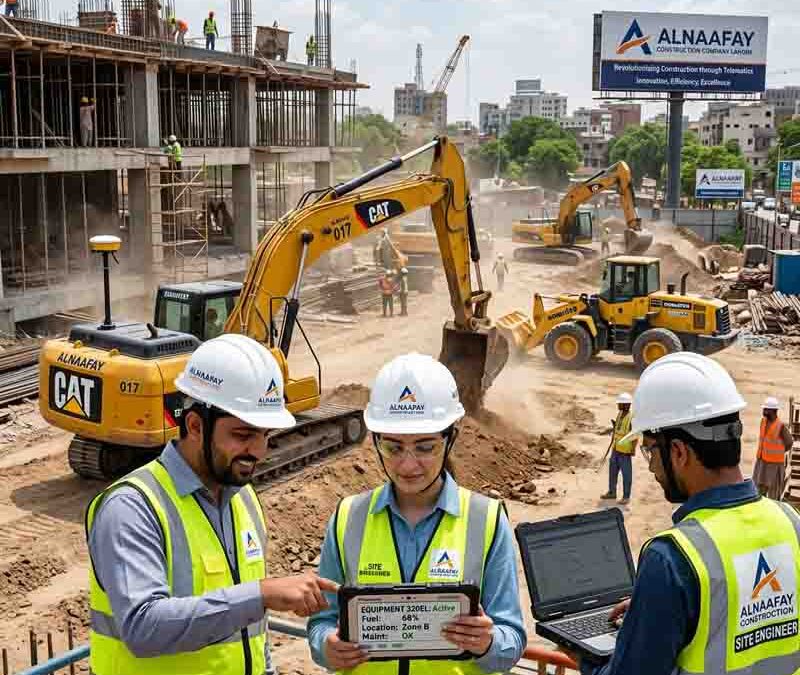
Construction sites have always run on machines, yet for decades those machines operated almost like black boxes. Once an excavator left the yard, managers had little idea where it went, how hard it worked, or whether it sat idle for hours. Today, that mystery is fading fast. Thanks to telematics, equipment now speaks for itself, sending a steady stream of useful data straight to a manager's screen.
This shift is reshaping how builders plan, track, and care for their fleets. Furthermore, it is helping companies cut costs, boost safety, and finish projects faster than ever before. For any modern Construction Company Lahore that wants to compete, understanding telematics has moved from a nice-to-have skill to a real necessity.
In this detailed guide, we will explore everything you need to know about telematics in construction. You will learn what it is, how it works, and the key benefits it delivers. Moreover, we will look at the challenges of adopting it, how a forward-thinking Construction Company Lahore puts it to work, and where this technology is heading next. By the end, you will see exactly why telematics has become such a powerful tool for the building world.
Table of Contents
- Introduction to Telematics
- What Is Telematics and How Does It Work?
- How Telematics Works on a Construction Site
- Key Benefits of Telematics for Equipment Management
- Challenges of Adopting Telematics
- How a Construction Company in Lahore Uses Telematics
- Future Trends in Construction Telematics
- Frequently Asked Questions (FAQs)
- Conclusion
1. Introduction to Telematics
The construction industry has never moved faster than it does today. With tighter deadlines, rising costs, and growing competition, builders need every edge they can find. As a result, technology now plays a central role on the modern job site, and few innovations have made a bigger splash than telematics.
To put the scale into perspective, consider the numbers. The global construction equipment telematics market was valued at several billion dollars and continues to grow at a healthy double-digit pace each year. Clearly, builders around the world recognize the value this technology brings. Meanwhile, even fast-growing markets like Pakistan are beginning to embrace these tools as competition heats up.
Why does all this matter so much? Simply put, equipment represents one of the largest investments any builder makes. When a machine sits idle, breaks down, or burns fuel inefficiently, it quietly drains money from the entire project. Therefore, gaining clear control over that equipment can transform a company's bottom line.
This growing awareness explains why telematics has spread so quickly. A modern Construction Company Lahore now treats equipment data as a vital resource rather than an afterthought. Throughout this article, we will unpack exactly how this technology delivers such impressive results.
2. What Is Telematics and How Does It Work?
Before we explore its many benefits, let us first define the term clearly. After all, understanding the basics makes everything that follows much easier to grasp.
Telematics is the blending of telecommunications and informatics, which simply means it combines sending data with processing that data. In practical terms, it is a system that collects information from a machine, transmits it wirelessly, and then displays it in a way people can actually use. Because of this, managers can monitor their equipment from miles away, often in real time.
The technology rests on a few key pieces working together. First, a small device called a telematics control unit sits inside each machine and gathers data from its sensors and onboard computer. Next, this unit uses GPS to track location and cellular or satellite networks to send the information onward. Finally, that data travels to a cloud platform, where software turns raw numbers into clear charts, alerts, and reports.
The Main Building Blocks of Telematics
To understand the system fully, it helps to break it into parts. The hardware includes the control unit, the GPS receiver, and the various sensors that measure things like fuel level, engine temperature, and operating hours. Meanwhile, the connectivity layer handles the wireless transfer of all that information. Lastly, the software dashboard presents everything in a simple, visual format that anyone on the team can read.
Why Telematics Differs From Simple GPS Tracking
People sometimes confuse telematics with basic GPS tracking, yet the two are quite different. While GPS only tells you where a machine is, telematics tells you almost everything about it. For example, it reveals how the machine is performing, how much fuel it uses, and when it needs service. Consequently, telematics offers a far richer and more useful picture than location alone. A data-driven Construction Company Lahore values this deeper insight because it supports smarter decisions across the board.
3. How Telematics Works on a Construction Site
Theory is helpful, but seeing telematics in action makes its value far clearer. So let us walk through how the system actually operates during a typical day on a busy site.
Picture a fleet of excavators, loaders, and dump trucks spread across a large project. Each machine carries a telematics unit that quietly collects data from the moment the engine starts. As the equipment works, this unit records location, engine hours, fuel consumption, idle time, and dozens of other details. Then, without anyone lifting a finger, it sends all of that information to the cloud.
Gathering Data From Every Machine
The first stage involves constant data collection. Sensors throughout each machine measure performance second by second, capturing everything from coolant temperature to hydraulic pressure. Because this happens automatically, no worker needs to write anything down or check gauges by hand. As a result, the data stays accurate, complete, and free from human error.
Sending Information to the Cloud
Once gathered, the data must travel somewhere useful. Through cellular or satellite networks, the telematics unit transmits its readings to a central platform almost instantly. Even when a machine operates in a remote area with weak signals, modern systems store the data and upload it once a connection returns. Therefore, managers rarely miss important information, no matter where the work takes place.
Turning Data Into Decisions
Raw numbers alone hold little value, so the software does the heavy lifting. It organizes the incoming data, spots patterns, and flags anything that needs attention. For instance, if a machine idles too long or shows signs of a failing part, the system sends an instant alert. Thanks to these timely warnings, a watchful Construction Company Lahore can act on problems before they grow into costly breakdowns.
Putting It All on One Screen
Finally, everything comes together on a single dashboard. Rather than juggling separate reports for each machine, a manager sees the entire fleet at a glance. Maps show where every unit sits, charts display fuel use, and alerts highlight urgent issues. Because of this clear overview, decisions that once took days of guesswork now happen in minutes.
4. Key Benefits of Telematics for Equipment Management
Now that we understand how the system works, let us explore why it matters so much. Telematics delivers a wide range of benefits, and together they can transform how a fleet performs. Below are the most important advantages every builder should know.
Smarter Fleet Tracking and Location Management
One of the most obvious benefits is the ability to track every machine in real time. Rather than wondering where a loader went, a manager can simply glance at a map and find it instantly. This visibility helps prevent theft, since stolen equipment can be located and recovered quickly. Moreover, it allows teams to move machines between sites efficiently, which reduces wasted time and transport costs.
Beyond simple location, fleet tracking also reveals how machines are being used. Some units may sit idle on one site while another site desperately needs them. By spotting these imbalances, a smart Construction Company Lahore can shift resources where they matter most. Consequently, the entire fleet works harder and delivers more value.
Predictive Maintenance That Prevents Breakdowns
Perhaps the most powerful benefit is predictive maintenance. Traditionally, machines were serviced on fixed schedules or, worse, only after they broke down. Both approaches waste money and time, since unexpected failures can halt an entire project for days. Telematics changes this completely by watching each machine's health continuously.
When sensors detect early warning signs, such as rising engine temperature or unusual vibration, the system alerts the team right away. As a result, repairs happen before a small issue becomes a major failure. Furthermore, service can be scheduled during planned downtime rather than in the middle of critical work. This proactive approach keeps equipment running longer and slashes expensive emergency repairs.
Better Fuel Management and Lower Costs
Fuel ranks among the biggest ongoing expenses on any site, so controlling it matters enormously. Telematics tracks fuel consumption for every machine, which reveals exactly where the money goes. Often, the data uncovers surprising waste, such as engines left idling for hours while no work happens at all.
Armed with this information, managers can take direct action to cut waste. They might train operators to shut off idle engines, adjust schedules to reduce unnecessary running, or identify machines that burn fuel inefficiently. Because even small savings add up across a large fleet, a cost-conscious Construction Company Lahore treats fuel data as a goldmine. Over a full year, these reductions can translate into substantial savings.
Improved Safety for Workers and Equipment
Safety always comes first on a responsible job site, and telematics strengthens it in several ways. The system can monitor operator behavior, flagging risky habits like harsh braking, speeding, or aggressive handling. By correcting these behaviors, companies reduce accidents and protect both their crews and their machines.
In addition, telematics supports safer maintenance by ensuring machines stay in good condition. A well-maintained excavator is far less likely to fail dangerously during operation. Some systems even enforce safety checks, requiring operators to complete inspections before a machine will start. Thanks to these features, a careful Construction Company Lahore builds a stronger safety culture across every project.
Higher Productivity Across the Whole Fleet
Finally, telematics boosts productivity in ways that ripple through an entire operation. By revealing how each machine is actually used, the data helps managers eliminate waste and maximize output. Idle machines get put to work, underused units get reassigned, and overworked equipment gets the support it needs.
This deeper insight also improves project planning. With accurate records of how long tasks really take, managers can create realistic schedules and avoid costly delays. Moreover, the data helps justify decisions to clients, since everything is backed by hard numbers rather than guesswork. For these reasons, a productivity-focused Construction Company Lahore relies on telematics to keep projects moving smoothly.
5. Challenges of Adopting Telematics
While the benefits are impressive, adopting telematics is not without hurdles. Honesty matters when making big decisions, so let us look at the challenges builders often face along the way.
The Upfront Cost of Hardware and Software
The first obstacle is usually cost. Installing telematics units across a large fleet requires an initial investment, and the software platforms often charge ongoing subscription fees. For a smaller business, these expenses can feel daunting at first. However, the long-term savings in fuel, maintenance, and productivity usually outweigh the upfront cost over time.
The Learning Curve for Staff
Technology only helps when people know how to use it, and telematics is no exception. Managers and operators alike must learn new systems, read new dashboards, and change old habits. Naturally, this learning curve can slow things down in the early stages. Even so, with proper training and patience, most teams adapt quickly and soon wonder how they ever worked without it.
Data Overload and Complexity
Another challenge involves the sheer volume of data telematics produces. With so much information flowing in, managers can feel overwhelmed and unsure where to focus. Without a clear plan, valuable insights may get lost in the noise. Therefore, successful adoption depends on choosing simple dashboards and concentrating on the metrics that matter most.
Connectivity Issues in Remote Areas
Construction often happens in places with weak or unreliable signals, which can interrupt data transmission. While modern systems store information and upload it later, persistent connectivity gaps can still cause frustration. For this reason, a practical Construction Company Lahore plans carefully around network coverage and chooses systems built to handle spotty connections.
Concerns About Privacy and Trust
Finally, monitoring equipment sometimes raises concerns among operators who feel they are being watched too closely. If handled poorly, this can damage trust and morale. Fortunately, clear communication solves most of these worries. By explaining that telematics improves safety and efficiency rather than spying on individuals, a thoughtful Construction Company Lahore keeps its team comfortable and engaged.
6. How a Construction Company in Lahore Uses Telematics
Lahore is growing rapidly, and with that growth comes fierce competition among builders. To stand out, companies must work smarter, cut waste, and deliver projects on time. As a result, telematics is steadily finding its place on local job sites. Let us explore how a skilled Construction Company Lahore puts this technology to practical use.
Managing Fleets Across a Busy City
Lahore's projects are often spread across many neighborhoods, which makes managing equipment a real challenge. By using telematics, a well-organized Construction Company Lahore can track every machine across the entire city from a single office. Rather than sending staff to check on sites in person, managers monitor everything remotely. Consequently, they save time, reduce travel, and respond to problems faster.
Reducing Costs in a Competitive Market
Margins in construction are often tight, so controlling costs can make or break a business. Through fuel monitoring and predictive maintenance, a cost-aware Construction Company Lahore trims expenses that competitors might overlook. These savings allow the company to offer fairer prices while still protecting its profit. In a crowded market, that financial discipline becomes a genuine advantage.
Handling Lahore's Climate and Conditions
The city experiences scorching summers, monsoon rains, and dusty conditions that can strain machinery. Because telematics monitors engine health continuously, it helps protect equipment from these harsh elements. When a machine shows signs of overheating during a hot afternoon, the system warns the team immediately. Thanks to this early warning, a careful Construction Company Lahore prevents damage and extends the life of its fleet.
Improving Safety and Accountability
Safety standards continue to rise across Pakistan, and clients increasingly expect responsible practices. By tracking operator behavior and enforcing maintenance checks, a responsible Construction Company Lahore raises its safety record significantly. Beyond protecting workers, this accountability also builds trust with clients who want assurance that their projects are in good hands. As a result, strong safety practices help win more business.
Winning Client Confidence With Data
Finally, telematics gives builders a powerful way to prove their value. Instead of vague promises, a transparent Construction Company Lahore can show clients exactly how their project is progressing, backed by clear data. Reports on machine usage, timelines, and efficiency demonstrate professionalism and build lasting trust. Because clients appreciate this openness, the company earns repeat work and strong referrals.
7. Future Trends in Construction Telematics
Telematics has already changed the industry, yet its journey is far from over. New technologies continue to push the field forward, promising even greater benefits in the years ahead. So let us look at the trends shaping the future of construction equipment management.
Artificial Intelligence and Smarter Predictions
Artificial intelligence is set to make telematics far more powerful. Rather than simply reporting data, AI can analyze it deeply to predict problems with remarkable accuracy. For example, it might forecast exactly when a part will fail or suggest the most efficient way to deploy a fleet. As these tools mature, a future-focused Construction Company Lahore will gain even sharper insights and make better decisions.
Deeper Integration With Other Systems
In the future, telematics will connect more closely with other construction software. Imagine equipment data flowing automatically into project management tools, accounting systems, and scheduling platforms. Because everything would work together seamlessly, managers could see the full picture in one place. This integration promises to remove silos and streamline operations across entire companies.
The Rise of Autonomous and Connected Machines
Self-operating equipment is no longer just science fiction. Already, some machines can perform tasks like grading and hauling with little human input, guided by telematics and GPS. Over time, these autonomous machines will likely become more common on job sites. While full adoption may take years, a forward-looking Construction Company Lahore should watch this trend closely.
Greener, More Sustainable Operations
Sustainability matters more every year, and telematics supports it directly. By reducing idle time, cutting fuel waste, and improving efficiency, the technology lowers a fleet's environmental footprint. Furthermore, as electric and hybrid machines spread, telematics will help manage their batteries and charging needs. For an eco-conscious Construction Company Lahore, these tools offer a clear path toward greener building.
More Affordable and Accessible Technology
Lastly, telematics is becoming cheaper and easier to use with each passing year. As prices fall and platforms grow simpler, even small builders will be able to adopt these tools. This wider access will level the playing field across the industry. Because of this democratization, telematics will soon become a standard part of construction rather than a luxury reserved for large firms.
8. Frequently Asked Questions (FAQs)
What exactly is telematics in construction?
Telematics in construction is a system that collects data from machines and sends it wirelessly to a central platform. It tracks things like location, fuel use, engine hours, and overall machine health. Rather than guessing how equipment performs, managers see clear, real-time information on a single screen. As a result, they can make smarter decisions about maintenance, scheduling, and costs.
How does telematics save money for a construction company?
Telematics saves money in several connected ways. First, it reduces fuel waste by revealing excessive idling and inefficient operation. Second, it prevents costly breakdowns through predictive maintenance that catches problems early. On top of that, it boosts productivity by ensuring every machine works efficiently. Together, these savings often far outweigh the cost of the technology itself.
Is telematics difficult to set up and use?
Setting up telematics does take some effort, since hardware must be installed and staff must learn new software. However, modern systems are designed to be user-friendly, with simple dashboards anyone can read. With proper training, most teams adapt within a short time. Moreover, many providers offer support to help companies get started smoothly.
Can small builders benefit from telematics, or is it only for large firms?
Small builders can absolutely benefit, and the technology grows more affordable every year. While large fleets see big savings, even a handful of machines can be managed more efficiently with telematics. Because falling prices make these tools increasingly accessible, smaller companies now compete on a more level field. For this reason, telematics is no longer reserved for big firms alone.
How does a Construction Company in Lahore use telematics in daily work?
A typical Construction Company Lahore uses telematics to track machines across many sites, monitor fuel use, and schedule maintenance proactively. The team also watches operator behavior to improve safety and protect equipment from Lahore's harsh climate. Beyond daily operations, the company shares clear data with clients to build trust. As a result, telematics supports both efficiency and strong client relationships.
Does telematics help with equipment theft?
Yes, telematics offers strong protection against theft. Because every machine carries a GPS tracker, stolen equipment can be located and recovered quickly. Some systems even send instant alerts when a machine moves outside approved hours or areas. Thanks to these features, builders dramatically reduce the risk of losing valuable assets.
What is the future of telematics in construction?
The future looks bright and full of innovation. Artificial intelligence will deliver sharper predictions, while deeper software integration will streamline entire operations. Meanwhile, autonomous machines and greener, more sustainable practices will become more common. Because the technology keeps improving and growing cheaper, a smart Construction Company Lahore should expect telematics to become an everyday standard.
9. Conclusion
Telematics has quietly revolutionized the way builders manage their equipment. By turning silent machines into sources of valuable data, this technology gives managers a level of control they could only dream of in the past. From real-time fleet tracking to predictive maintenance, fuel savings, and improved safety, the benefits touch nearly every part of a construction business.
Of course, adopting telematics comes with challenges, including upfront costs, learning curves, and the occasional connectivity hurdle. Nevertheless, these obstacles are easy to overcome with careful planning and proper training. In the end, the savings in fuel, maintenance, and time almost always outweigh the initial investment. Because of this, more and more builders are embracing the technology with confidence.
For anyone building in Lahore, the message is clear. With a competitive market, a demanding climate, and rising client expectations, smart equipment management is no longer optional. A trusted Construction Company Lahore that uses telematics gains a real edge, delivering projects faster, safer, and more affordably than rivals who rely on guesswork. Moreover, as artificial intelligence and automation continue to advance, that advantage will only grow stronger.
The path forward is exciting and full of opportunity. By embracing telematics today, a forward-thinking Construction Company Lahore positions itself for lasting success in a rapidly changing industry. Ready to take control of your fleet and build smarter than ever? Partner with an experienced local construction team that uses modern technology to deliver results you can count on, guiding your project confidently from the first machine to the final finish.
