
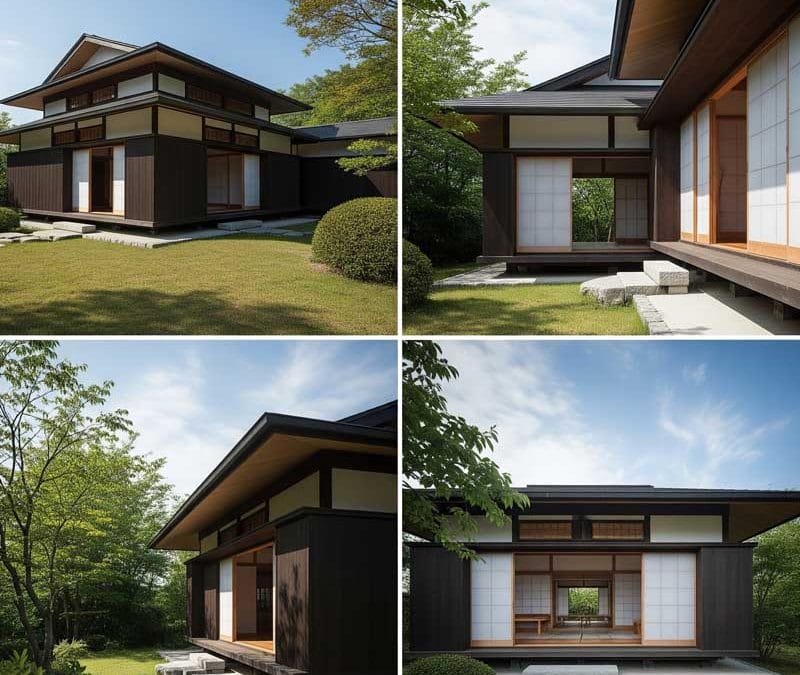
Japanese Zen House Design
Introduction
Imagine you are sitting with a friend and telling him about a house style that feels peaceful, simple, and deeply connected to nature. That is exactly what Japanese Zen House Design is all about. It is not just about walls and roofs, it is about creating a lifestyle where you find calmness and balance inside your home.
In this blog, I will explain Japanese Zen House Design in very easy English. I will talk to you as if I am explaining to a friend, not in a complicated way. And yes, this will also feel like a little marketing talk because by the end, you will feel inspired and may even start thinking, “I want my home like this!”
What is Japanese Zen House Design?
The word “Zen” comes from Japanese Buddhism. It means meditation, peace, and balance. When this idea is used in house design, it creates a home that is calm, simple, and very natural.
A Japanese Zen House is not heavy with decoration. It is clean, open, and has only those things that are really needed. The design helps people relax, focus, and feel closer to nature.
History and Origin
Japanese Zen design comes from the traditional Japanese lifestyle and Buddhist philosophy. In old Japan, monks used to live in simple houses near nature. They avoided too much furniture and decoration. The main goal was to live a life of simplicity and peace. Over time, this style became part of Japanese culture, and now people all over the world love it because life is stressful and everyone wants peace at home.
Main Features of Japanese Zen House Design
Let’s break it down step by step:
1. Simplicity (Minimalism)
Zen houses do not have extra furniture or unnecessary decoration. The rule is: “keep only what you need.” Less stuff means more peace.
2. Natural Materials
Wood, bamboo, stone, and natural fabrics like cotton or linen are used. These materials create a natural and earthy feeling.
3. Open Spaces
Japanese houses often use sliding doors (Shoji). These are light wooden frames with paper that can easily slide open. They make rooms look big and allow flexibility.
4. Neutral Colors
Zen homes are painted in natural and soft colors like beige, cream, white, light brown, and grey. These colors are calm and help the mind to relax.
5. Connection with Nature
Nature is the heart of Zen design. Zen gardens, indoor plants, water features, and natural light are always part of the house. A Zen garden can be as simple as sand with stones arranged beautifully.
6. Natural Light and Fresh Air
Large windows and open areas bring sunlight and air into the home. This makes the house feel fresh and alive.
7. Calm Atmosphere
The design always tries to make you feel relaxed. Warm lighting, simple decoration, and clean spaces create a calm mood.
Why People Love Japanese Zen House Design
Here’s why people fall in love with this style:
Peaceful Environment – The moment you step in, you feel relaxed.
Simple but Elegant – No need for heavy decoration, yet it looks beautiful.
Closer to Nature – Plants, stones, wood, and water make the house feel natural.
Healthy for the Mind – A calm house creates a calm mind.
Timeless Design – Zen design never goes out of fashion.
Benefits of Choosing Zen Design for Your Home
Stress Relief – The peaceful environment helps you reduce stress.
Better Sleep – Calm colors and cozy spaces improve sleep.
Easy to Maintain – Fewer things mean less cleaning and maintenance.
Energy Saving – Natural light reduces the need for artificial light.
Beautiful Lifestyle – It is not just a house; it is a way of living.
Japanese Zen Interior Design Ideas Room by Room
Let’s walk through a Zen-style house.
Living Room
Simple sofa or floor cushions.
Wooden flooring with a soft mat.
A small indoor plant or bonsai.
Neutral wall colors like cream or light beige.
A low wooden table in the center.
Bedroom
Low wooden bed or futon (Japanese mattress on the floor).
Simple bedding in white or light colors.
A lamp with soft yellow light.
No heavy cupboards, only a simple wardrobe.
Kitchen
Wooden cabinets in natural tones.
Open shelves instead of too many cupboards.
Minimal cooking tools on display.
Fresh herbs in small pots for cooking and decoration.
Bathroom
Wooden or stone textures.
White tiles for brightness.
A small bamboo plant for freshness.
A bathtub near a window for natural light.
Zen Garden (Optional)
Sand arranged with stones.
A small water fountain.
Bamboo or bonsai plants.
A peaceful corner for meditation.
How to Create Zen Style in Pakistan
You might think: can we really make Japanese Zen Houses in Pakistan? The answer is yes!
Here’s how you can do it:
Paint Walls in Light Colors – White, cream, or beige.
Use Wooden Furniture – Simple design, no heavy carving.
Add Plants – Indoor plants, bamboo, or bonsai.
Choose Sliding Doors – If possible, add sliding panels.
Keep Spaces Clean – Don’t overload rooms with furniture.
Use Natural Light – Large windows or open spaces.
And if you are in Lahore or any big city in Pakistan, our company Al Naafay Construction can help you design and build a Japanese Zen style home. We understand how to bring this peaceful design into local construction styles.
Japanese Zen House Design vs Other Styles
Let us compare quickly:
Traditional Pakistani Houses – Heavy furniture, bright colors, lots of decoration.
Zen Houses – Simple furniture, soft colors, less decoration.
Modern Western Houses – Stylish but sometimes too artificial.
Zen Houses – Stylish but natural and calming.
This comparison shows why many people are now looking towards Zen design.
Quick Links
Social Icons
Contact Us Information
443 J3 Johar Town Lahore near Expo Center Lahore
