
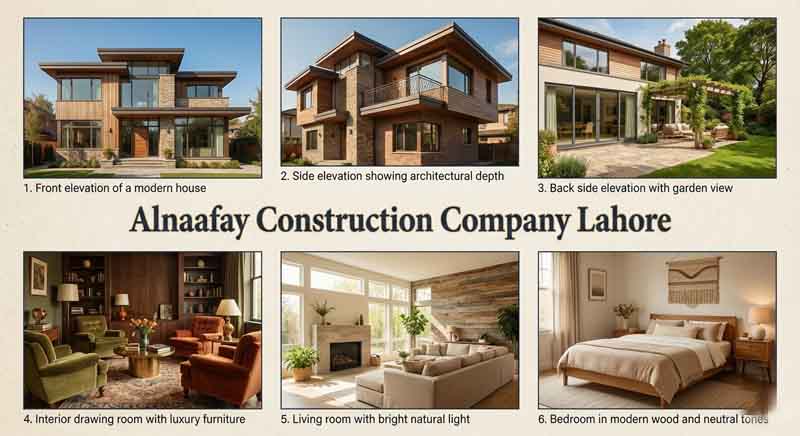
Retro House Design Architecture
Bringing the Past Back to Life
A Colorful Story from Yesterday
Imagine walking into a house where time seems to dance backward. The sofa looks bold and curvy, a bright turquoise fridge hums softly in the corner, and patterned tiles sparkle under your feet. On the shelf, you spot an old radio playing cheerful tunes that could easily have floated through your grandparents’ living room. The walls, filled with graphic art and geometric shapes, seem alive with memories.
This atmosphere, exciting yet familiar, describes the charm of Retro House Design Architecture—a style that lovingly borrows the energy, fun, and creativity of old decades and reshapes them for modern living.
People often say retro design feels like time travel without a time machine. It allows you to revisit the golden eras of the 1950s, 60s, 70s, and sometimes even the bold 80s, while enjoying today’s comforts. Let’s explore this vibrant look through its story, features, and practical lessons.
What Is Retro House Design Architecture?
In simple words, Retro House Design Architecture means combining elements from past architectural and interior design styles to recreate nostalgic vibes. “Retro” stands for “retrospective,” which means looking back at earlier times. Therefore, retro houses echo older generations but through today’s eyes.
Typical retro homes include bright colors, rounded furniture, neon or chrome accents, patterned wallpapers, vintage decorations, and playful materials. However, they’re not just copies of the past; modern innovation updates them with better comfort, lighting, and space planning.
In essence, retro architecture celebrates optimism and art. It’s about smiling at memories every time you step inside your house.
Why Do People Choose Retro House Design?
People across generations admire retro spaces for numerous practical and emotional reasons.
1. Nostalgia and Storytelling
Adults often wish to relive their childhood or parents’ memories. Retro decor keeps those eras alive tangibly within walls and furniture.
2. Playful Personality
Unlike minimalist styles, retro design loves colors and shapes. Consequently, people with creative energy feel at home surrounded by it.
3. Sustainability
Many retro homes reuse vintage furniture, recycled décor, and restored materials. As a result, they save resources while honoring craftsmanship.
4. Bold Uniqueness
Each retro home has its character. No two versions look identical; individuality shines bright.
5. Emotional Warmth
Because retro architecture carries memories, it feels charmingly human—far from cold or overly modern designs.
Therefore, people select this style to keep joy, comfort, and cultural echoes breathing together.
Top 5 Countries Famous for Retro Architecture
- United States: Iconic 1950s diners, suburban homes, and mid-century modern structures define retro style globally.
- United Kingdom: The UK revived 60s mod culture and patterned wallpapers with quirky touches.
- Japan: Retro influences from the 70s and 80s now merge with minimalist living beautifully.
- Italy: Italian retro brings sleek, curved furniture and loud artistic colors.
- Australia: Combines mid-century designs with tropical brightness and sustainability.
These countries stand out because each preserves nostalgia through modern innovation while celebrating expressive architecture.
Chronology of Retro Eras
Retro homes often mix visual gems from different decades. Understanding them clarifies your design direction.
- 1950s: Pastel colors, Formica countertops, checkerboard floors, and bubble-style furniture.
- 1960s: Space-age curves, geometric shapes, and bold primary colors.
- 1970s: Earth tones, wood paneling, patterned rugs, and playful textures.
- 1980s: Funky neon lighting, mirrored walls, and metallic finishes.
Consequently, each era offers fun inspiration for today’s planners.
Features of Retro House Design Architecture
Although each decade differs, some uniting features define this architectural language.
1. Bold Colors and Cheerful Contrasts
Teal, mustard, avocado green, orange, and pink combinations dominate. These hues reflect happiness and confidence.
2. Geometric Shapes and Playful Lines
Round edges on furniture and zigzag wall art add motion. Therefore, the layout feels friendly rather than stiff.
3. Mixed Textures
Plastic and wood, velvet and metal, glass and vinyl—retro loves mixing old and new materials daringly.
4. Distinct Lighting
Pendant lamps, arc lamps, and globe lights are common. Lighting doubles as decoration.
5. Nostalgic Furniture
Mid-century sofas, Formica-topped tables, and spindle-legged chairs transport you straight into vintage magazines.
6. Statement Flooring
Checkerboard tiles, mosaics, or thick carpets build creative rhythm underfoot.
The ultimate goal: comfort with a distinctive personality.
Common Materials Used in Retro Homes
A perfect retro design depends on its ingredients.
- Wood (Teak, Oak) – timeless warmth.
- Chrome and Steel – industrial gleam common in 50s diners.
- Glass Blocks or Panels – light play and transparency.
- Plastic and Formica – symbol of space-age optimism.
- Vinyl and Laminate Flooring – easy maintenance and pop color.
- Velvet or Leather Upholstery – classic soft luxury.
- Ceramic Tiles and Mirrors – shine and reflection.
Because these materials originated decades ago, sourcing sustainable re-creations preserves authenticity while preventing waste.
Color Theory of Retro Style
Retro designs smile boldly at color palettes. Children relate to this instantly because the look feels fresh and happy.
- Primary Colors: Red, blue, yellow for striking simplicity.
- Warm Tones: Mustard, brown, rust carry earthy calmness.
- Cool Accents: Mint green, turquoise, and teal add freshness.
- Black and White: Checkerboard flooring for contrast and rhythm.
Therefore, this color mix makes every space energetic without feeling cluttered.
Lighting in Retro House Architecture
Lighting in retro homes shapes their joyful glow.
- Pendant Lamps: Round or cone-shaped fixtures hanging above dining areas.
- Wall Sconces: Combine chrome with colored glass.
- Table Lamps: Often curvy with patterned shades.
- Neon Signs: Artistic phrases or shapes add humor.
Because retro celebrates brightness, lighting becomes design, not background.
Furniture Style Breakdown
Retro furniture balances functionality and art.
- Mid-Century Modern Units: Straight but slightly tapered legs and clean shapes.
- Curved Sofas: Semi-circular, low, and perfect for group conversation.
- Transparent Plastic Chairs: Iconic of the 70s futuristic optimism.
- Storage Cabinets: Compact, geometric, portable.
- Dining Sets: Bright laminated surfaces with metal legs.
Moreover, restored original pieces carry priceless nostalgia.
The Step-by-Step Process to Create a Retro House
Step 1: Choose Your Favorite Decade
Identify what inspires you—1950s pastels or 70s earthy oranges. That guides color, furniture, and flooring.
Step 2: Design Floor Plan
Retro homes thrive on open yet defined spaces. Include signature areas like compact lounges or circular dining spots.
Step 3: Structure External Look
Add flat or slightly inclined roofs, linear façades, and horizontal window alignments inspired by mid-century modern design.
Step 4: Interior Layout Planning
Select color themes for each room. For example, mint and white in kitchens, warm orange tones in living spaces.
Step 5: Furniture Restoration or Purchase
Refurbish old pieces or buy replicas. Reupholstery renews life affordably.
Step 6: Decorative Additions
Hang pop art, posters, and large mirrors. Combine metallic accents with wood warmth.
Step 7: Introduce Technology Invisibly
Hide modern devices inside retro cabinets to maintain aesthetic continuity.
With patient planning, respect for local climate and codes, and good teamwork with experts, Avoid using to go crazy as it is potentially harmful. Consider using an alternative, such as to go wild, to go out of control, to go up the wall, to be aggravated, to get confused.
Why Retro Design Suits Modern Families
Despite being inspired by the past, retro homes fit today’s busy routines perfectly.
- Practical Layouts: Compact yet comfortable design supports modern appliances easily.
- Durable Materials: Chrome, wood, and vinyl withstand heavy use.
- Positive Energy: Cheerful colors influence moods positively, even for kids.
- Low Maintenance: Surfaces clean quickly and wear proudly.
Therefore, retro houses connect emotions and practicality commendably.
Retro Architecture in Lahore
Lahore, with its deep art history and urban diversity, warmly welcomes nostalgia. In recent years, homeowners have revived Retro House Design Architecture through remodels and new builds alike.
In DHA Lahore, villas combine mid-century shapes with modern facilities, such as flat facades and accent walls.
Bahria Town Lahore plays with pastel kitchens and vinyl floors inside vibrant families’ homes.
Lake City Lahore shows bright lounges mixing retro pop art and chic furniture.
Valencia Town and Wapda Town reuse inherited furniture with updated color schemes.
Meanwhile, Johar Town, Model Town, and Gulberg enjoy renovated bungalows from the 1970s—reviving terrazzo floors and textured walls.
Askari and Lahore Cantt exhibit neat proportions and geometric window frames typical of retro simplicity.
These aren’t official rankings, simply observations that show Lahore’s growing admiration for timeless retro artistry.
Cost Factors to Estimate
Retro homes’ cost depends on balance between originality and replicas.
- Restoration of Vintage Items – Authentic pieces require polish or repair.
- Material Choices – Real teak and chrome cost more than laminates.
- Color Finishes – Custom pastel paints or patterned wallpapers add small extras.
- Lighting Fixtures – Designer lamps or neon signs slightly elevate budgets.
- Customization of Windows and Floors – Installing geometric tiles or new casements involves design labor.
Still, smart planning keeps expenses moderate. Preferring local craftsmen lowers import costs significantly.
Maintenance Tips
Although durable, retro styled homes require regular love.
- Clean Surfaces Regularly: Use mild cleaners on vinyl and chrome.
- Polish Wood Biannually: Keeps vintage shine alive.
- Check Electric Wiring: Ensure old lamps meet modern standards.
- Protect Fabrics from Sun Fade: Rotate curtains periodically.
- Repaint Lightly Every Five Years: Refreshes vibrancy affordably.
Because the retro vibe depends on color and texture, periodic refresh keeps nostalgia vibrant for decades.
Common Design Mistakes to Avoid
Even the brightest ideas can stumble. Beware of these pitfalls.
- Mixing Too Many Eras: Stick to one or two decades for focus.
- Using Excessive Brightness: Overusing neon can tire the eyes; keep contrast balanced.
- Ignoring Functionality: Comfort matters more than looks.
- Cheap Plastic Overuse: Real retro celebrates quality, not quantity.
- Skipping Professional Advice: Architects & decorators can prevent costly mismatches.
Therefore, thoughtful editing ensures your creativity doesn’t go out of control.
Kid-Friendly Safety Tips
Retro houses often include bold furniture and statement decor, but safety for families remains essential.
- Rounded Table Edges: Avoid sharp corners common in mid-century furniture.
- Slip-Proof Rugs: Retro carpets can be thick; secure them firmly.
- Childproof Electrical Fittings: Replace all old sockets.
- Stable Wall Mounted Decor: Artwork and mirrors should not hang loosely.
- Eco Paints: Choose non-toxic paints to protect children’s health.
As a result, safety complements nostalgia without compromise.
Retro Revival Trends Worldwide
Interest in retro architecture keeps rising. For example, the United States and Japan lead online searches for mid-century building plans. Meanwhile, designers in Dubai use retro color patterns for cafes and offices. Consequently, more people realize that retro isn’t old—it’s timeless energy reimagined.
Retro Design Meets Sustainability
Many retro materials, like solid wood and metal fittings, last long enough to reduce waste cycles. Moreover, upcycling old materials—tiles, benches, doors—decreases construction waste. Therefore, retro homes fit modern eco-goals perfectly.
Textures That Tell a Story
Retro architecture depends heavily on touch.
- Woven upholstery celebrates comfort.
- Smooth chrome reflects modernity’s birth.
- Chalky wall paints soothe memories of warmer times.
- Pitted terrazzo floors recall family gatherings and laughter.
Because retro homes combine texture layers carefully, they connect human senses with design history perfectly.
Modern Retro Fusion: A Fresh Twist
Architects today frequently mix nostalgic design with technology. For instance, a Lahore living room may contain a 1970s-style armchair beside a sleek flat TV hidden inside a wooden console. Kitchens borrow colored tiles from old American diners while integrating modern stoves. Consequently, homes appear classic but function entirely updated.
Lighting Plan Example for Retro Home
| Room | Lighting Style | Mood |
|---|---|---|
| Living Room | Pendant globes & recessed warm lights | Inviting |
| Dining | Cone mesh lamps above table | Cozy |
| Bedroom | Wall sconces with fabric shades | Gentle and relaxed |
| Kitchen | Colored LED strips under cabinets | Energetic |
| Entry | Neon accent in retro typography | Cheerful |
Such structured lighting balances brightness between nostalgia and modern comfort.
Retro Landscapes and Outdoor Details
Retro house design often extends beyond walls.
- Pathways lined with patterned tiles.
- Outdoor chairs in metal frames with bright cushions.
- Circular garden lamps reflecting geometric inspiration.
- Garage doors painted in pastel hues like mint or peach.
Because the past cared for front yards as family pride, outdoor care completes its heritage.
Lahore Climate Adaptation for Retro Homes
Retro-style roofing and large windows allow air flow—useful for Lahore’s summers. Add insulating paints for comfort while retaining vintage looks. Meanwhile, terrazzo or tile floors stay cooler than synthetic ones, ideal for local weather.
Therefore, retro houses merge beauty and practicality seamlessly within Pakistani conditions.
Practical Example: Restoring a 1970s Bungalow in Model Town
The Malik family inherited a 1974 Lahore bungalow. They wanted to keep its original retro charm while making it modern-livable. They repaired terrazzo floors, painted walls mustard and beige, refurbished rosewood doors, and inserted LED lighting behind vintage lampshades. Consequently, their living space now glows like vintage cinema scenes while meeting every modern sustainability code.
Retro Furniture Restoration Tips
- Sand Before Painting: Removes old polish safely.
- Choose Period-Correct Colors: Mint, teal, or mustard revive true character.
- Replace Fabrics Wisely: Vintage prints modernized with durable threads.
- Retain Hardware: Handles and knobs keep historical value.
- Seal for Protection: Transparent coatings guard against humidity.
Thus, even old pieces gain durability under proper love.
Emotional Power of Retro Homes
Colors and shapes influence feelings deeply. Retro’s bright palette and joyful forms subtly lift moods. For children, they spark curiosity about older themes; for adults, they relieve stress through happy familiarity. Consequently, people describe retro spaces as “mood boosters.”
Therefore, architecture becomes therapy disguised as design.
Maintenance Schedule Chart
| Task | Frequency | Benefit |
|---|---|---|
| Dust metal fixtures | Weekly | Retains shine |
| Check paint | Annually | Fast repair prevents dullness |
| Deep clean carpets | Every 6 months | Extends life of fiber |
| Oil wooden parts | Twice a year | Prevents cracks |
| Reassess electrical systems | Yearly | Safety assurance |
Following such small discipline ensures homes never lose liveliness.
Vintage vs. Retro vs. Antique: The Difference
- Antique: Over 100 years old; valuable historical pieces.
- Vintage: Around 20–100 years; classy old designs.
- Retro: New pieces inspired by those old styles.
Consequently, retro allows flexibility—you can create the past freshly without fragile antiques.
Lahore’s Modern Architects Reviving Retro
Local design firms now specialize in reinterpreting mid-century structures for Pakistan. Low-slung roofs and wide glass panes reflect Californian inspiration, while tiled courtyards recall old Pakistani bungalows. Such fusion defines Lahore’s architectural renaissance—modern yet warm.
Budget-Wise Creative Hacks
- Upcycle glass bottles into pendant lamps.
- Repaint old vanities in mint or pastel blues.
- Print family photos in black-and-white frames.
- Use leftover tiles to create geometric coasters.
- Display record covers as hallway art.
These easy, inexpensive tricks add authentic retro soul.
Educational Benefit for Children
Introducing young ones to retro culture teaches social history—how homes once looked before smartphones and touch switches. Seeing rotary phones or jukebox art sparks questions, encouraging curiosity about design and technology revolutions.
Challenges During Retro Renovations
- Finding Skilled Craftsmen: Solutions include specialized Lahore restoration workshops.
- Sourcing Period Materials: Use reliable reproduction suppliers.
- Electric Rewiring: Replace outdated systems completely.
- Moisture and Aging Issues: Apply protective sealants and anti-rust coats.
Still, these challenges refine patience and passion—qualities the retro era itself celebrated.
Environmental and Social Impact
Retro design not only preserves artistry; it revives community memory. Families often reunite over heirloom furniture or old records. Moreover, reusing materials reduces landfill waste. Consequently, sentimental value and sustainability coexist gracefully.
Cooling and Ventilation Techniques
Include adjustable awnings, ceiling fans resembling old blades, and cross ventilation designs. This reduces reliance on electric cooling while preserving vintage looks—especially valuable for Pakistani summer climates.
Climatic Safety and Durability
- Use termite protection for age-old wooden frames.
- Treat metal structures with rustproof paint.
- Ensure roofs carry waterproof membranes.
- Check retro tile grip to prevent slips for kids.
Thus, every nostalgic detail remains safe and functional.
Comparison Between Retro and Minimalist Design
| Category | Retro Style | Minimalist Style |
|---|---|---|
| Colors | Bright, mixed tones | Monochrome |
| Texture | Multiple layers | Smooth/simple |
| Principle | More is expressive | Less is elegant |
| Mood | Joyful energy | Calm balance |
| Furniture | Rounded, patterned | Straight, sleek |
Although opposite philosophically, both can harmonize when styled cleverly.
Future of Retro Architecture
Experts predict retro charm will never fade. Because emotion and identity drive choice more than trend, the future sees hybrid retro-smart homes—mid-century style powered by smart devices discreetly embedded into classic shells.
Conclusion
The Retro House Design Architecture rekindles art, laughter, and optimism from golden eras, proving that time’s old stories still suit today’s rhythm. Its playful lines, cheerful colors, and clever reuse of materials create spaces that feel personal and unique. Whether in Lahore’s bustling neighborhoods or calm suburbs around the globe, this style continues to shine as a bridge between yesterday and tomorrow.
It reminds us that memories don’t belong only in photos—they can live around us, painted in yellow kitchens, patterned floors, and curved wooden chairs.
A retro home is not just built; it’s composed like a loving melody—one that plays happily in every generation’s heart.
FAQ: Retro House Design Architecture
Q1. What makes a house “retro”?
It borrows architectural and interior trends from the mid-20th century while updating them for present-day comfort.
Q2. Which materials define retro style?
Teak wood, chrome steel, Formica, vinyl flooring, glass, and velvet fabrics are hallmark materials.
Q3. Can I mix retro with modern elements?
Yes. Many designers successfully combine retro colors and furniture with minimalist layouts for balanced charm.
Q4. Which areas in Lahore show this trend most?
DHA Lahore, Bahria Town, Model Town, and Gulberg increasingly include retro-inspired remodels or cafes.
Q5. Is retro design affordable?
It depends on item sourcing, but upcycling and local crafts make it cost-effective and fun.
Quick Links
Social Icons
Contact Us Information
443 J3 Johar Town Lahore near Expo Center Lahore
