
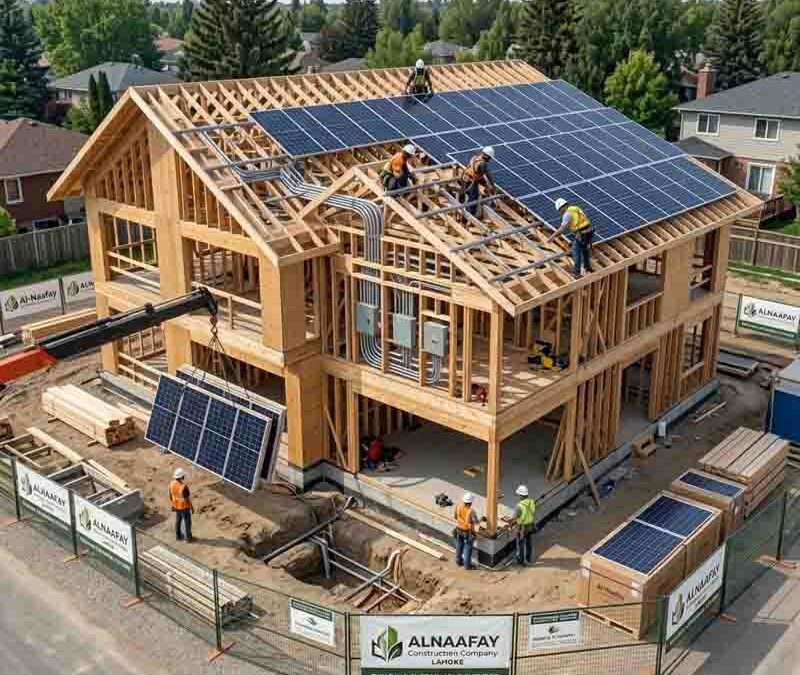
Solar Panel Integration During New Construction: What Builders Need to Know
Adding solar power to a finished building always feels like an afterthought, because it usually is one. Wires get squeezed into existing walls, panels get bolted onto roofs that were never designed for them, and costs climb higher than they should. Building solar into a project from the very first design, however, changes everything. When you plan for the sun before you lay a single brick, you save money, avoid headaches, and create a home that practically pays its own power bills for decades.
This detailed guide explains exactly what builders need to know about weaving solar into new construction. First, you will learn why integration beats retrofitting almost every time. After that, we will explore roof design, structural planning, pre-wiring, panel and inverter choices, battery storage, grid connection, and the real costs and returns. Furthermore, you will see how an experienced Construction Company Lahore plans and delivers solar-ready homes, how the local climate works in your favor, and how to overcome the common challenges along the way. By the end, you will know how to make solar a smooth, profitable part of any build.
Table of Contents
- Introduction
- Why Integrating Solar During New Construction Beats Retrofitting
- Roof Design and Structural Planning for Solar
- Electrical System Pre-Wiring for Solar
- Choosing the Right Solar Panels and Inverters
- Battery Storage Options for New Builds
- Net Metering and Grid Connection Explained
- Cost Savings and Return on Investment
- How a Construction Company Lahore Plans and Executes Solar Integration
- Local Climate Advantages for a Lahore Builder
- Challenges and How to Overcome Them
- Practical Tips for Builders and Homeowners
- Frequently Asked Questions (FAQs)
- Conclusion
1. Introduction
Solar power has shifted from a costly luxury into a smart, mainstream choice for modern buildings. Across the world, more homeowners now expect their new houses to come ready for clean energy, and builders who ignore this trend risk falling behind. Because energy prices keep climbing and power outages frustrate millions, the appeal of generating your own electricity has never been stronger.
The smartest way to add solar is during construction, not years later. When solar planning starts at the design stage, every part of the building works together to support it. The roof faces the right way, the structure carries the weight easily, and the wiring sits ready before the walls close up. As a result, the whole system costs less and performs better for its entire life.
Throughout this article, we will break the topic into clear, practical sections. To begin, we will explain why integration during construction wins over retrofitting. Then, we will cover the technical details, the financial picture, and the local realities that shape solar projects. Along the way, you will see exactly how a forward-thinking Construction Company Lahore approaches solar integration, turning a complex topic into a simple, repeatable process.
2. Why Integrating Solar During New Construction Beats Retrofitting
It might seem easier to add solar later, once the building stands finished. Yet integrating solar from the start almost always proves cheaper, cleaner, and more effective. Let us look at why timing makes such a huge difference.
Lower Costs From Day One
Money drives most building decisions, and early integration saves plenty of it. When solar gets planned during construction, the crew installs wiring, mounts, and supports while the structure is still open. Retrofitting, by contrast, forces workers to cut into finished walls, lift completed roofing, and redo work that was already paid for. Because of this duplication, retrofits often cost far more than building solar in from the beginning.
A Cleaner, Better-Looking Result
Appearance matters more than many builders admit. During new construction, panels, conduits, and mounts can hide neatly within the design, which produces a sleek, professional finish. Retrofitted systems, on the other hand, frequently show exposed wires and awkward brackets. Therefore, early planning delivers a home that looks intentional rather than patched together.
Perfect Roof Orientation and Pitch
The roof shapes how much energy a solar system produces. By planning early, a designer can angle and orient the roof to catch the most sunlight throughout the day. Retrofitting offers no such freedom, since the roof already exists exactly as built. As a result, integrated systems often generate noticeably more power than systems added later.
Stronger Structural Support
Solar panels add real weight to a roof, and that weight needs proper support. When the structure is designed with solar in mind, engineers build in the strength from the start. Retrofits, meanwhile, sometimes require expensive reinforcement after the fact. Consequently, a forward-thinking Construction Company Lahore prefers to plan for these loads early rather than fix them later.
One Coordinated Team
Building solar during construction keeps everyone on the same page. Architects, electricians, and solar installers work together, which prevents the conflicts that plague retrofit jobs. Rather than calling in separate contractors months apart, the project flows as one smooth effort. Because of this teamwork, the finished system performs exactly as planned.
The takeaway: Plan solar during construction, because doing so cuts costs, improves looks, boosts output, and avoids the headaches of cutting into a finished home.
3. Roof Design and Structural Planning for Solar
The roof carries the heart of any solar system, so its design deserves careful thought from the beginning. Smart choices here shape how much energy the building produces for decades. Because the roof is so hard to change later, this stage rewards real planning.
Getting the Orientation Right
Direction matters enormously for solar panels. In Lahore and across the northern hemisphere, a south-facing roof generally captures the most sunlight throughout the day. Where a true south slope is not possible, east and west faces still produce solid energy with the right setup. By planning orientation early, a designer maximizes output without any extra cost.
Choosing the Best Roof Pitch
The angle of a roof affects how directly sunlight strikes the panels. Generally, a pitch that roughly matches the local latitude works well for year-round production. Furthermore, a good pitch helps rain wash dust off the panels, which keeps them clean and efficient. For Lahore's dusty conditions, this self-cleaning benefit matters more than many builders realize.
Planning Enough Clear Roof Space
Panels need open, unshaded space to work well. During design, a smart team keeps vents, chimneys, water tanks, and other obstacles away from the prime solar area. In addition, it positions the roof to avoid shade from nearby trees and buildings. As a result, the system enjoys full sun and steady production.
Building in Structural Strength
Weight planning protects both the panels and the people below. A solar array adds a meaningful load, so engineers must design the roof and supports to carry it safely. Moreover, they account for wind, which can tug hard at panels during storms. Because of these factors, a careful Construction Company Lahore reinforces the structure during the build rather than patching it afterward.
Selecting Solar-Friendly Roofing Materials
Not every roofing material suits solar equally well. Durable surfaces that last as long as the panels save owners from removing the array for roof repairs later. Standing-seam metal and strong concrete roofs, for instance, pair beautifully with solar mounts. By matching the roof material to the system's lifespan, builders avoid costly future work.
The takeaway: Design the roof around the sun first, then build in the strength and clear space the panels need for a long, productive life.
4. Electrical System Pre-Wiring for Solar
Wiring forms the hidden backbone of every solar system, and new construction offers the perfect chance to get it right. By running cables and installing components before the walls close, builders save huge effort later. Let us walk through what pre-wiring involves.
Running Conduit Before the Walls Close
Open walls make wiring simple, so timing is everything. During construction, electricians can run conduit cleanly from the roof down to the electrical panel without tearing anything apart. Retrofitting this same path later means cutting through finished walls and patching them up afterward. Therefore, pre-wiring during the build saves both time and money.
Sizing the Electrical Panel Correctly
Solar systems push power into a home's electrical panel, so that panel must handle the extra load. By choosing the right panel size early, a builder avoids costly upgrades down the road. Furthermore, leaving space for solar breakers keeps the connection clean and safe. As a result, the system ties in smoothly when the panels go live.
Planning Inverter and Equipment Locations
Every solar system needs a home for its inverter, wiring, and safety gear. During design, a smart team picks a cool, shaded, accessible spot for this equipment. Moreover, planning these locations early keeps cable runs short, which reduces energy loss. Consequently, the system runs more efficiently for its entire life.
Preparing for Battery Storage
Even when owners skip batteries at first, smart builders plan for them anyway. By reserving space and running the right wiring, a construction firm in Lahore makes future battery installation quick and cheap. Rather than reworking the system later, owners simply add batteries when they are ready. This foresight protects the owner's investment for years.
Following Safety Codes and Standards
Electrical safety can never be an afterthought. Proper pre-wiring follows established codes, includes the right disconnects, and protects against faults and surges. In addition, careful labeling helps future technicians work safely on the system. Because of these precautions, a responsible Construction Company Lahore treats safe wiring as a top priority from day one.
The takeaway: Run conduit, size the panel, and plan equipment spots during the build, since clean pre-wiring makes the whole solar system safer and cheaper.
5. Choosing the Right Solar Panels and Inverters
Picking the right equipment shapes how well a solar system performs for decades. With many options on the market, builders and owners benefit from understanding the basics. Let us break down the main choices in simple terms.
Understanding Panel Types
Solar panels come in a few common varieties, each with its own strengths. Monocrystalline panels offer high efficiency and a sleek black look, which suits limited roof space well. Polycrystalline panels cost a little less but produce slightly less power per square foot. For most homes, monocrystalline panels deliver the best balance of performance and appearance.
Judging Panel Efficiency and Quality
Efficiency tells you how much sunlight a panel turns into electricity. Higher-efficiency panels generate more power from the same roof area, which matters greatly on smaller homes. Beyond efficiency, quality and warranty also count, since panels should last twenty-five years or more. Therefore, choosing trusted brands protects the owner's long-term investment.
Picking the Right Inverter
The inverter converts the panels' direct current into the alternating current a home uses. String inverters cost less and suit simple, unshaded roofs nicely. Microinverters and power optimizers, by contrast, perform better on complex roofs with shade or multiple angles. By matching the inverter to the roof, a Lahore builder ensures the system runs at its best.
Sizing the System to Real Needs
A solar system should match how much energy a household actually uses. To size it well, a builder reviews expected electricity consumption and available roof space together. Furthermore, leaving a little room for future growth, such as electric vehicles, proves wise. As a result, the system fits the family's needs both now and later.
Considering Durability for Local Conditions
Lahore's heat, dust, and monsoon rains test any equipment. Because of this, choosing panels and inverters built to handle high temperatures and harsh weather pays off. Quality components resist damage and keep producing reliably for years. For this reason, an experienced Construction Company Lahore selects gear proven to thrive in local conditions.
The takeaway: Match panel type, inverter style, and system size to the home and the climate, because the right equipment delivers more power and lasts far longer.
6. Battery Storage Options for New Builds
Solar panels produce power during daylight, yet homes need energy after dark too. Batteries bridge that gap by storing extra electricity for later use. For new construction, planning storage early makes the whole system smarter and more reliable.
Why Batteries Add Real Value
Storage transforms how a solar home works. Without batteries, a home uses solar power during the day and pulls from the grid at night. With batteries, however, the home stores its own daytime energy and uses it after sunset. As a result, the family relies far less on the grid and enjoys power even during outages.
Understanding Battery Types
Modern homes mostly use lithium-ion batteries, and for good reason. These batteries store plenty of energy, last many years, and need little maintenance. Older lead-acid batteries cost less upfront but wear out faster and demand more care. For most new builds, lithium-ion offers the best long-term value.
Sizing Storage to the Household
Battery size should match how a family uses power. A small system might cover only essential lights and appliances during an outage, while a larger one can run most of the home overnight. By studying the household's habits, a builder recommends the right capacity. Consequently, owners avoid paying for storage they will never use.
Planning Space and Ventilation Early
Batteries need a safe, cool, well-ventilated spot to live. During construction, a thoughtful building company in Lahore reserves the perfect location and runs the wiring ahead of time. Rather than squeezing batteries into a tight corner later, the home welcomes them easily. This early planning keeps installation simple and safe.
Weighing the Cost Against the Benefit
Storage does add cost, so owners should weigh it carefully. While batteries raise the upfront price, they deliver backup power and greater independence from the grid. Furthermore, as battery prices keep falling, the value improves every year. For owners who face frequent outages, the benefit often justifies the expense easily.
The takeaway: Plan battery space and wiring during the build, even if owners add storage later, because preparation makes future upgrades quick and affordable.
7. Net Metering and Grid Connection Explained
Most solar homes stay connected to the power grid, which brings real advantages. Through a system called net metering, owners can even earn credit for the extra power they produce. Understanding this connection helps builders design smarter systems.
How Grid Connection Works
A grid-connected solar system ties directly into the public electricity network. During sunny hours, the home uses its solar power first and sends any surplus to the grid. After dark, or on cloudy days, the home simply draws power back from the grid. Because of this two-way flow, the grid acts like a giant backup battery.
Understanding Net Metering
Net metering rewards owners for the power they share. When a solar system sends extra electricity to the grid, the meter effectively runs backward and credits the owner. Later, the home uses those credits to offset the power it draws at night. As a result, owners pay only for their net energy use over the billing period.
The Role of the Bidirectional Meter
A special meter makes net metering possible. This bidirectional meter measures both the power flowing into the home and the power flowing out to the grid. By tracking both directions, it calculates the true balance accurately. Therefore, installing the right meter forms a key step in any grid-connected solar project.
Handling Approvals and Paperwork
Connecting to the grid involves applications and approvals. The owner, often guided by the builder, must apply to the local utility and meet its technical rules. Furthermore, the system must pass inspection before it goes live. Because this process takes time, a well-organized Construction Company Lahore starts the paperwork early to avoid delays.
Deciding Between On-Grid, Off-Grid, and Hybrid
Owners can choose how independent they want to be. On-grid systems stay tied to the network and use net metering, while off-grid systems rely entirely on batteries. Hybrid systems blend both, combining grid connection with battery backup for the best of both worlds. By weighing cost and reliability, a skilled Lahore builder helps owners pick the right approach.
The takeaway: A grid-connected system with net metering lets owners earn credit for surplus power, so plan the meter and approvals early to keep the project on track.
8. Cost Savings and Return on Investment
Cost sits at the center of every solar decision, yet the full picture reaches far beyond the price tag. To judge solar fairly, builders and owners must weigh both the savings and the long-term return. Let us explore the numbers in simple terms.
Understanding the Upfront Investment
Solar does require real money at the start. Panels, inverters, wiring, and installation all add to the initial cost of a build. However, integrating solar during construction trims this cost significantly compared to retrofitting. Because the work happens alongside the rest of the build, owners avoid paying twice.
Counting the Monthly Savings
The real reward shows up on the electricity bill. Thanks to its own solar generation, a home pays far less for grid power month after month. With net metering, those savings climb even higher as surplus energy earns credit. Over a full year, these reductions add up to a meaningful sum.
Looking at the Payback Period
Smart owners think in terms of payback rather than cost alone. In sunny regions like Lahore, a well-designed solar system often repays its cost within several years through savings. After that point, every unit of electricity it produces becomes nearly free. Therefore, the longer an owner stays, the more money the system saves.
Boosting Property Value
Solar pays off again when it comes time to sell. Because buyers value low running costs, a solar-ready home often fetches a higher price and sells faster. Moreover, an integrated, well-built system signals quality and foresight. As a result, the investment protects both comfort and resale value.
Factoring in Rising Energy Prices
Electricity rates rarely drop, which makes solar even more valuable over time. As grid prices climb, the savings from solar grow larger each year. Furthermore, on-site power shields owners from the sting of frequent rate hikes. Consequently, a solar system from a trusted Construction Company Lahore becomes more rewarding the longer it runs.
The takeaway: Treat solar as an investment, not a cost, because the monthly savings, rising energy prices, and higher resale value repay the effort many times over.
9. How a Construction Company Lahore Plans and Executes Solar Integration
Knowing the theory is one thing, yet putting it into practice takes real skill and coordination. A professional Construction Company Lahore weaves all of these pieces together into one smooth process. Let us walk through how such a company delivers solar-ready homes from start to finish.
Setting Solar Goals From Day One
Every successful solar project begins with a clear plan. Rather than treating panels as an add-on, a thoughtful Construction Company Lahore decides the solar target before drawing the first design. The team studies the owner's energy needs, the budget, and the site together. As a result, every later decision supports the solar goal.
Designing the Building Around the Sun
Smart design unlocks the best solar performance. A forward-thinking Construction Company Lahore shapes the roof orientation, pitch, and clear space to capture maximum sunlight. Furthermore, the team coordinates architects and engineers so the structure carries the panels safely. Because of this teamwork, the finished building works beautifully with its solar system.
Coordinating Skilled Trades
Solar integration depends on many hands working together. A reliable Construction Company Lahore brings electricians, roofers, and solar installers into the plan early so their work aligns. Moreover, careful supervision ensures that wiring, mounts, and connections all meet high standards. Consequently, the project avoids the conflicts that slow down poorly coordinated jobs.
Sourcing Quality Local Equipment
Equipment choices shape both performance and reliability. To build well, a resourceful Construction Company Lahore selects trusted panels, inverters, and batteries suited to the local climate. In addition, sourcing locally simplifies support and repairs down the road. As a result, the system performs reliably for years.
Testing and Handing Over
Good builders verify their work before handing over the keys. A diligent Construction Company Lahore tests the system, confirms the grid connection, and checks that the panels produce as expected. Furthermore, the team teaches owners how to monitor and maintain their new system. Consequently, the family enjoys a solar home that performs perfectly from the very first day.
The takeaway: A skilled builder plans solar early, designs around the sun, coordinates every trade, and tests the result, turning a complex job into a smooth success.
10. Local Climate Advantages for a Lahore Builder
Lahore offers a climate that practically begs for solar power. With abundant sunshine and long, bright days, the city gives solar systems plenty to work with. Let us explore why these conditions favor a smart Lahore builder.
Plenty of Year-Round Sunshine
Sunlight powers every solar system, and Lahore enjoys it in abundance. For most of the year, the city basks in strong, steady sun that drives high energy production. Because the days stay bright and long, panels generate plenty of power across the seasons. As a result, solar systems in Lahore often outperform those in cloudier regions.
Long Summers That Match Demand
Lahore's hottest months bring the strongest sunshine and the highest cooling demand at the same time. When air conditioners work hardest, solar panels also produce the most power. Therefore, solar energy arrives exactly when homes need it most. This natural match makes solar especially valuable during the scorching summer.
Designing Around the Heat and Dust
Harsh conditions do require smart design, yet they hardly stop solar. A climate-aware construction firm in Lahore chooses heat-tolerant equipment and angles panels so rain helps wash off dust. Furthermore, the team plans easy access for occasional cleaning. By designing for the local weather, the builder keeps the system producing reliably all year.
Reducing the Pain of Power Outages
Power cuts frustrate households across the city, which makes solar even more appealing. With solar and battery storage, a home keeps running even when the grid goes down. Moreover, this independence brings real peace of mind during long outages. For this reason, a practical Construction Company Lahore often pairs solar with storage for local clients.
Supporting a Greener City
Solar does more than save money; it helps the whole city breathe easier. By cutting reliance on fossil-fuel power, solar homes reduce pollution and ease pressure on the grid. In addition, every solar roof sets an example for neighbors to follow. Consequently, a responsible building company in Lahore contributes to a cleaner, healthier community.
The takeaway: Lahore's abundant sun, long summers, and outage-prone grid make solar a natural fit, so local builders gain a real edge by embracing it.
11. Challenges and How to Overcome Them
While solar integration brings clear rewards, it also carries a few hurdles. Honesty matters when making big decisions, so let us look at the common challenges and their practical solutions. Understanding these obstacles helps builders and owners plan wisely.
Challenge 1: Higher Upfront Cost
The first hurdle is usually the initial expense. Panels, inverters, and batteries add cost to the build at the start. To overcome this, owners can view the spending as a long-term investment that pays back through savings. Furthermore, financing options and falling equipment prices make the upfront cost easier to manage each year.
Challenge 2: A Shortage of Skilled Installers
Quality solar work demands skilled hands, and good installers are not always easy to find. Without proper expertise, a system can underperform or even fail. To solve this, a serious Construction Company Lahore trains its team and partners with experienced solar professionals. As a result, the company delivers reliable, high-quality installations.
Challenge 3: Dust and Maintenance Needs
Lahore's dusty air can settle on panels and reduce their output over time. Left unchecked, this buildup quietly cuts production. To address it, a smart builder angles panels for rain runoff and plans easy access for cleaning. Consequently, the system stays clean and keeps producing strong power.
Challenge 4: Navigating Grid Approvals
Connecting to the grid involves paperwork and utility rules that can slow a project. Delays here frustrate owners eager to switch on their systems. To prevent this, a well-organized Construction Company Lahore starts the approval process early and handles the documentation carefully. By planning ahead, the team keeps the project on schedule.
Challenge 5: Choosing Reliable Equipment
The market offers many products, and poor choices lead to weak performance. Cheap, low-quality gear often fails early and disappoints owners. To avoid this trap, a careful Construction Company Lahore selects trusted brands with strong warranties. As a result, the system delivers dependable power for decades.
The takeaway: Plan for cost, skill, dust, approvals, and quality up front, because addressing these challenges early keeps a solar project smooth and successful.
12. Practical Tips for Builders and Homeowners
A few simple habits can make any solar project smoother and more rewarding. Whether you build homes or plan to live in one, these tips help you get the most from solar. Below are practical pointers worth keeping in mind.
Tips for Builders
Builders shape the success of every solar project, so smart habits matter greatly. Consider these key practices:
- Plan solar in the first design draft, not after the structure takes shape.
- Coordinate electricians, roofers, and installers early so their work aligns.
- Reserve space and wiring for batteries, even when owners skip them at first.
- Choose durable, heat-tolerant equipment suited to Lahore's climate.
- Start grid approvals early to avoid last-minute delays.
By following these steps, a construction firm in Lahore delivers cleaner, cheaper, and more reliable solar homes.
Tips for Homeowners
Homeowners also play a vital role in a solar system's success. Keep these pointers in mind:
- Share your real energy needs with your builder so the system fits.
- Ask about future upgrades like batteries or electric vehicle charging.
- Insist on quality equipment with strong warranties, not just the cheapest option.
- Learn to monitor your system so you can spot and fix problems early.
- Schedule occasional cleaning to keep dust from cutting your output.
When owners stay engaged, they protect their investment and enjoy stronger returns for years.
Working Together for the Best Result
Great solar projects rely on teamwork between builder and owner. By communicating clearly and planning together, both sides avoid surprises and costly changes. Moreover, an experienced Construction Company Lahore guides owners through every choice, from panel selection to grid connection. As a result, the finished home delivers clean, affordable power that satisfies everyone involved.
The takeaway: Builders should plan early and choose quality, while owners should stay involved and informed, because teamwork produces the best solar results.
13. Frequently Asked Questions (FAQs)
Why is it better to install solar during new construction?
Installing solar during construction saves money and effort in several ways. Because the crew runs wiring and mounts while the structure is still open, it avoids cutting into finished walls and roofs later. Furthermore, the roof can be designed for perfect orientation and the structure built to carry the panels easily. As a result, integrated systems cost less, look cleaner, and produce more power than retrofits.
How does a Construction Company Lahore plan solar integration?
A professional Construction Company Lahore sets the solar goal at the very first design stage. The team studies the owner's energy needs, shapes the roof for maximum sun, and coordinates electricians, roofers, and installers together. Moreover, it sources quality equipment, handles grid approvals, and tests the system before handover. Through these steps, the company delivers a reliable, solar-ready home.
What roof direction works best for solar in Lahore?
In Lahore, a south-facing roof generally captures the most sunlight throughout the day. Where a true south slope is not possible, east and west faces still produce solid energy. By planning orientation and pitch early, a builder maximizes output at no extra cost. A good pitch also helps rain wash dust off the panels, which keeps them efficient.
Do I need batteries with my solar system?
Batteries are optional, yet they add real value, especially in an outage-prone city. Without batteries, a home uses solar by day and draws grid power at night. With batteries, however, the home stores its own daytime energy and keeps running after dark or during outages. Even when owners skip batteries at first, a smart Construction Company Lahore reserves space and wiring for easy future installation.
What is net metering and how does it help?
Net metering rewards owners for the surplus power their system sends to the grid. When the panels produce more than the home needs, the extra energy flows to the grid and earns credit. Later, the home uses those credits to offset the power it draws at night. As a result, owners pay only for their net energy use, which lowers their bills further.
How long does a solar system take to pay for itself?
The payback period depends on system size, energy use, and local sunshine. In sunny regions like Lahore, a well-designed system often repays its cost within several years through savings. After that point, the electricity it produces becomes nearly free. Because every project differs, a Construction Company Lahore can estimate your specific payback before construction begins.
Does Lahore's climate really suit solar power?
Yes, Lahore's climate suits solar extremely well. The city enjoys abundant sunshine and long
