
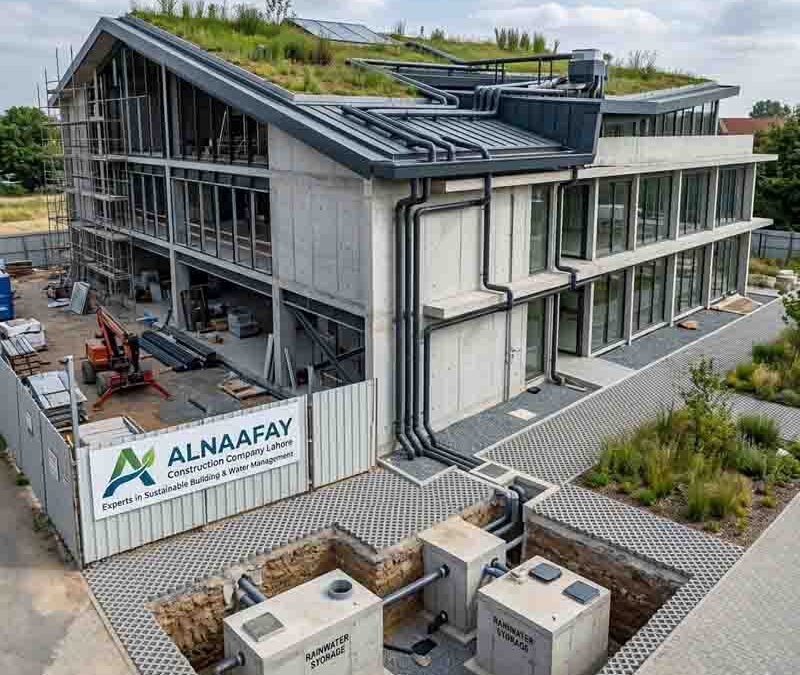
Water-Efficient Building Design Strategies That Work
Water shapes every building we live and work in, yet most structures waste far more of it than they should. Leaky taps, thirsty gardens, and outdated plumbing quietly drain both water and money, month after month. Because water grows scarcer while utility costs climb, smart builders now treat water efficiency as a core design goal rather than an afterthought. We have watched water-efficient design turn ordinary buildings into low-cost, low-waste properties, and we want you to understand exactly how it works.
Water-efficient design does far more than trim your monthly bill. It protects a precious resource, eases pressure on city supply systems, and raises the long-term value of your property. Furthermore, it prepares your building for a future where water rules grow stricter and prices climb higher. For any forward-thinking Construction Company Lahore, mastering these strategies has become both a money-saver and a genuine mark of quality.
This detailed guide walks you through everything you need to know about water-efficient building design in plain, simple language. First, you will learn why water efficiency matters so much today. After that, we will cover the strategies that actually work, including rainwater harvesting, greywater reuse, low-flow fixtures, water-wise landscaping, and smart metering. Moreover, we will explain how a skilled Construction Company Lahore puts these ideas into practice, along with honest costs, real savings, common challenges, and answers to the questions people ask most.
Table of Contents
- Introduction
- Why Water Efficiency Matters in Building Design
- Rainwater Harvesting Strategies
- Greywater Reuse Systems
- Low-Flow Fixtures and Efficient Plumbing
- Water-Wise Landscaping
- Smart Metering and Leak Detection
- How a Construction Company Lahore Implements Water-Efficient Design
- Costs and Long-Term Savings
- Challenges and Practical Solutions
- Frequently Asked Questions (FAQs)
- Conclusion
Introduction
Every building uses water, yet the amount wasted varies hugely from one property to the next. In a poorly designed home, water pours down drains, evaporates from thirsty gardens, and escapes through hidden leaks. In a well-designed building, however, water gets captured, reused, and stretched to do far more work. Because the difference comes down to design and planning, any project can improve with the right approach.
The scale of water waste surprises most people. Ordinary fixtures use far more water than modern efficient ones, and traditional landscaping can double a property's water demand. Rather than accepting this waste as normal, we design buildings to use every drop wisely. As a result, we cut both consumption and cost while easing the strain on the wider supply.
Interest in water-efficient design keeps growing across the industry, and the reasons are clear. Water shortages worsen each year, utility prices rise steadily, and clients increasingly expect responsible building. Meanwhile, the tools and methods needed to save water keep improving and growing easier to install. Throughout this article, we will explain exactly how these strategies work and how a trusted Construction Company Lahore applies them on real projects in the city.
Lahore shapes every choice we make here. With scorching summers, heavy monsoon rains, and a shrinking groundwater supply, the city demands designs built for its exact conditions. We plan for all three realities from the very first drawing, because we never leave water performance to chance.
Why Water Efficiency Matters in Building Design
Water efficiency touches your budget, your comfort, the environment, and the long-term value of your property all at once. Because the benefits reach so far, this topic deserves serious attention from anyone planning a building. Below, we explain the main reasons water efficiency matters so much today.
Lower Water Bills for Decades
Money speaks loudly, and water waste quietly drains it. Efficient fixtures, smart landscaping, and reuse systems all cut the amount of water you pay for each month. Over the twenty or thirty years a building stands, these savings add up to a substantial sum. Therefore, the effort you invest in efficient design today pays you back again and again.
Protection Against Rising Water Costs
Water prices rarely fall, which makes efficiency a smart hedge. As cities face shortages and raise their rates, an efficient building shields its owner from the steady climb. Furthermore, reuse systems reduce how much water you must buy in the first place. As a result, you gain both savings and peace of mind for years to come.
Easing Pressure on a Scarce Supply
Cities across the region face growing water stress, and Lahore feels this pressure acutely. The city relies heavily on groundwater, and that water table drops by roughly two to three feet every year. By using less water, an efficient building takes a smaller share from an already strained supply. Moreover, systems like rainwater harvesting reduce demand on the municipal network directly.
A Healthier, More Resilient Building
Efficient design often improves a building beyond simple savings. Rainwater harvesting provides backup water during shortages, while good drainage prevents dampness and structural damage. In addition, water-wise landscaping stays green with far less irrigation. Because of these features, an efficient building copes better with drought, outages, and rising costs.
Higher Property Value and Reputation
Water-efficient buildings stand out in any market, which boosts their worth. Since buyers and tenants increasingly value low running costs, these properties often sell faster and command better prices. On top of that, efficient design signals quality and foresight to anyone who inspects the property. For this reason, a forward-thinking Construction Company Lahore treats water efficiency as a genuine selling point rather than a box to tick.
The takeaway: Water efficiency lowers bills, protects you from rising costs, eases strain on a scarce supply, and raises your property value all at once.
Rainwater Harvesting Strategies
Rainwater harvesting captures the rain that falls on your building and stores it for later use. Rather than letting monsoon rain rush into overloaded drains, we collect it and put it to work. Because Lahore receives heavy seasonal rain, this single strategy recovers a large volume of free water each year. We design these systems to match both the roof area and the household's real needs.
How Rainwater Harvesting Works
A rainwater system follows a simple, reliable path from roof to storage. We install each part in order so the collected water stays clean and usable:
- Catchment surface: the roof that collects the falling rain.
- Gutters and downpipes: channels that carry water off the roof.
- First-flush diverter: a device that discards the dirty first rinse of the roof.
- Filter: a screen that removes leaves, dust, and debris.
- Storage tank: an underground or overhead tank that holds the clean water.
- Distribution system: pipes and pumps that deliver water where you need it.
Because each part depends on the one before it, we never skip a stage. Skipping the first-flush diverter, for example, lets dirty roof runoff spoil the whole tank.
Making the Most of the Monsoon
Lahore's monsoon delivers most of its yearly rain in just a few intense months. To capture this windfall, we size storage tanks to hold as much of that rain as the property can use. Furthermore, we design overflow paths so excess water recharges the groundwater rather than flooding the site. As a result, the system helps during both wet and dry seasons.
Using Harvested Rainwater Wisely
Harvested rainwater suits many uses around a building. We direct it toward tasks that do not require drinking-quality water, which stretches the supply further:
- Garden and landscape irrigation during dry spells.
- Toilet flushing, which uses a large share of household water.
- Floor and vehicle washing around the property.
- Cooling system top-ups where buildings use them.
Because these uses avoid the treated municipal supply, they cut both your bill and your demand on the city network.
Recharging the Groundwater
Sometimes the smartest move is to return water to the earth. Rather than storing every drop, we direct surplus rainwater into recharge pits and wells that refill the aquifer. Because Lahore's groundwater keeps dropping, this recharge carries real long-term value. We design these pits to filter the water naturally before it reaches the water table.
The takeaway: Rainwater harvesting turns Lahore's heavy monsoon into a free, reliable water source while helping recharge the city's falling groundwater.
Greywater Reuse Systems
Greywater is the gently used water from showers, basins, and washing machines. Rather than sending this water straight to the sewer, we treat it lightly and reuse it for suitable tasks. Because a household produces greywater every single day, reusing it delivers steady, year-round savings. We design these systems to keep the reused water safe and the plumbing simple.
What Counts as Greywater
Not all wastewater qualifies for easy reuse, so the distinction matters. Greywater comes from relatively clean sources, while blackwater carries heavier contamination:
- Greywater sources: showers, bathtubs, bathroom sinks, and washing machines.
- Blackwater sources: toilets and kitchen sinks, which need full treatment.
Because greywater carries far less contamination, it needs only light treatment before reuse. We keep these two streams separate right from the plumbing design stage.
How Greywater Reuse Works
A greywater system collects, treats, and redistributes water through a clear process. We build each stage to keep the water clean enough for its intended use:
- Collection: separate pipes gather water from showers and basins.
- Filtration: screens and filters remove hair, lint, and particles.
- Treatment: basic treatment reduces bacteria and odor.
- Storage: a holding tank keeps the treated water ready.
- Reuse: pumps send the water to toilets or the garden.
Because untreated greywater can turn stale quickly, we design systems that use it within a short window rather than storing it for long periods.
Best Uses for Greywater in Lahore
Greywater suits tasks that do not require drinking-quality water. During Lahore's long, dry summers, this reuse proves especially valuable for keeping gardens alive without tapping fresh supply. We typically direct treated greywater toward toilet flushing and landscape irrigation, since these uses consume large volumes daily. As a result, a household slashes its demand on both the municipal supply and its groundwater.
Keeping Greywater Systems Safe
Many owners worry that reused water could cause health or odor problems. This concern is fair, so we design every system with safety at its center. We use proper filtration, clear labeling on non-drinking taps, and separate piping that never mixes with the drinking supply. Because we never leave safety to chance, your family stays protected while the system saves water.
The takeaway: Greywater reuse recycles daily shower and basin water for toilets and gardens, delivering steady savings through Lahore's dry summers.
Low-Flow Fixtures and Efficient Plumbing
Low-flow fixtures reduce the water each tap, shower, and toilet uses without cutting comfort. Because these fixtures work every time someone opens a tap, they deliver savings across the entire life of the building. We install fixtures that meet clear efficiency ratings rather than trusting vague marketing claims. This single upgrade often returns the fastest, easiest savings of all.
Understanding Low-Flow Fixtures
Low-flow fixtures use clever design to do more with less water. Aerators mix air into the stream, so a tap feels strong while using less water. Meanwhile, efficient showerheads and dual-flush toilets cut consumption sharply at the point of use. Because these fixtures look and feel like ordinary ones, most people never notice the difference in daily use.
Fixtures That Save the Most
Some fixtures waste far more water than others, so we prioritize the biggest offenders first. Here is where efficient fixtures make the greatest impact:
- Dual-flush toilets cut flushing water, often by 40 to 50 percent.
- Low-flow showerheads reduce shower water while keeping strong pressure.
- Aerated taps trim basin and kitchen water use noticeably.
- Efficient washing machines use far less water per load.
Because toilets and showers consume the largest share of indoor water, upgrading them delivers the strongest returns.
Designing Efficient Plumbing
Fixtures matter, yet the plumbing behind them matters too. We route hot water pipes to reduce the wait and waste that comes from running taps until the water warms. Furthermore, we insulate pipes to hold heat and prevent losses. Because good pipe design cuts both water and energy waste, we plan the layout carefully before construction begins.
Preventing Waste From Poor Pressure
Lahore's water supply can arrive at uneven pressure, which affects how fixtures perform. To handle this, we install pressure-regulating devices that keep flow steady and prevent waste from surges. As a result, low-flow fixtures work exactly as designed regardless of supply swings. We test this performance before handover so you never face surprises.
The takeaway: Low-flow fixtures and smart plumbing cut water use at every tap, and upgrading toilets and showers first delivers the fastest savings.
Water-Wise Landscaping
Landscaping often accounts for a huge share of a property's water use, especially in a hot climate. Water-wise landscaping keeps your outdoor space green and attractive while using far less water. Because Lahore's summers are long and dry, this strategy saves large volumes during the very months when water grows scarce. We design gardens that thrive on the local climate rather than fighting it.
Choosing the Right Plants
Plant choice drives most of the water a garden needs. We select species that tolerate heat and require little irrigation once established:
- Native and adapted plants that suit Lahore's climate naturally.
- Drought-tolerant shrubs and grasses that survive long dry spells.
- Shade trees that cool the ground and reduce evaporation.
Because these plants match the local weather, they stay healthy with a fraction of the water thirsty imported species demand.
Watering Smarter, Not Harder
How you water matters as much as what you plant. We install drip irrigation that delivers water straight to plant roots, which cuts the waste from spraying and evaporation. Furthermore, we schedule watering for early morning or evening, when less water evaporates in the heat. As a result, the garden gets what it needs while wasting almost nothing.
Using Mulch and Smart Soil
Bare soil loses moisture fast under the Lahore sun. To slow this loss, we cover soil with mulch that holds moisture and keeps roots cool. Moreover, we improve the soil so it retains water longer and drains properly during monsoon downpours. Because healthy soil holds more water, plants need watering far less often.
Reducing Thirsty Lawns
Large grass lawns drink enormous amounts of water in a hot climate. Rather than covering a whole yard in thirsty grass, we design mixed spaces with paving, gravel, ground covers, and planted beds. As a result, the space stays attractive and usable while its water demand drops sharply. We help owners choose a balance that fits both their taste and their budget.
The takeaway: Water-wise landscaping uses native plants, drip irrigation, and mulch to keep gardens green through Lahore's dry summers with minimal water.
Smart Metering and Leak Detection
Smart metering and leak detection show you exactly where your water goes and catch waste before it grows costly. Because you cannot manage what you cannot measure, these tools form the backbone of any efficient building. We install monitoring systems that turn invisible water use into clear, useful information. This visibility often reveals waste that owners never knew existed.
How Smart Metering Works
A smart water meter tracks your consumption in real time and reports it clearly. Rather than reading a dial once a month, you see daily and even hourly usage on a phone or screen. Furthermore, the system flags unusual spikes that often signal a leak or a running toilet. Because you spot problems early, you fix them before they waste thousands of liters.
Catching Leaks Early
Hidden leaks waste water silently, sometimes for months before anyone notices. A single dripping fixture or buried pipe leak can drain a shocking volume over time. To catch these, we install detection systems that watch for continuous flow when the building sits idle. As a result, a small leak gets found and fixed before it becomes a large bill or a burst pipe.
Where Leaks Commonly Hide
Knowing where leaks form helps you find them faster. On most properties, leaks tend to appear in predictable spots:
- Toilet flush mechanisms that run quietly and constantly.
- Underground supply pipes that leak out of sight.
- Tap and fixture joints that drip slowly over time.
- Water tank overflows that spill unnoticed.
Because these spots waste water quietly, regular monitoring catches problems that a casual glance would miss entirely.
Using Data to Cut Waste
Good data drives better habits. When owners see exactly how much water each activity uses, they naturally change wasteful behavior. Furthermore, the monitoring system shows whether efficiency upgrades actually deliver their promised savings. We hand over every system with a clear explanation, so you know how to read the data and act on it.
The takeaway: Smart metering and leak detection reveal hidden waste and catch leaks early, protecting both your water supply and your budget.
How a Construction Company Lahore Implements Water-Efficient Design
Knowing the strategies is one thing, yet applying them on real projects takes skill and local knowledge. We weave every water-saving strategy into a clear, organized process suited to the city. Lahore presents real challenges, from intense summer heat and heavy monsoon rains to falling groundwater and uneven supply. Below, we explain how a dedicated Construction Company Lahore turns these strategies into a finished building.
Planning Water Efficiency From Day One
Every efficient building begins with a clear plan. Rather than adding water features as an afterthought, a thoughtful Construction Company Lahore designs them into the project before construction starts. We study the site, the roof area, the household size, and the local rainfall together. As a result, every later decision supports the goal of low water use.
Designing for Lahore's Climate
Lahore's climate shapes every choice we make on a water-efficient project. To handle the dry summers, a climate-aware Construction Company Lahore installs rainwater storage, greywater reuse, and drought-tolerant landscaping. Meanwhile, we design strong drainage and recharge pits to manage the heavy monsoon rains. Because we plan for both extremes, the building performs well in every season.
Sourcing the Right Local Materials
Material choices shape both performance and cost on any project. To build well, a resourceful Construction Company Lahore selects quality fixtures, filters, tanks, and pipes suited to the local supply. Furthermore, sourcing materials locally cuts transport costs and makes future repairs far easier. Consequently, the system performs reliably while staying within a sensible budget.
Coordinating Skilled Trades
Water-efficient design depends on quality workmanship at every stage. We coordinate skilled plumbers, tank installers, and landscapers so their work fits together correctly. Furthermore, careful supervision ensures that small but vital details, like separating greywater pipes, never get overlooked. Because everyone follows the same plan, the finished system works exactly as designed.
Testing and Standing Behind the Work
Good builders verify their work before handing over the keys. A diligent Construction Company Lahore tests the fixtures, checks the harvesting system, and confirms the leak detection works before completion. Moreover, we explain the whole system to owners and offer ongoing support afterward. As a result, you enjoy a water-efficient building that performs beautifully from the very first season.
The takeaway: A skilled local builder plans water efficiency early, designs for Lahore's climate, coordinates every trade, and stands behind the finished system.
Costs and Long-Term Savings
Many people assume water-efficient design costs a fortune, so let us look at the numbers honestly. While some features do require money upfront, the long-term picture often tells a happier story. We always lay out the full cost picture before any project begins, because we believe you deserve clear expectations. Below, we break down where the money goes and where it comes back.
Understanding the Upfront Investment
Water-efficient features add some cost at the start of a build. Rainwater tanks, greywater systems, quality fixtures, and smart meters all carry initial price tags. However, these features act as investments rather than mere expenses. Because they pay you back through lower bills, the upfront cost becomes far easier to justify.
Counting the Monthly Savings
The real reward appears on your water bill, month after month. Thanks to efficient fixtures, reuse systems, and smart landscaping, an efficient building uses a fraction of the water an ordinary one needs. Furthermore, these savings continue for the entire life of the building. Over the decades, the total adds up to a genuinely impressive amount.
Looking at the Payback Period
Smart owners think in terms of payback rather than cost alone. Low-flow fixtures often pay for themselves within a year or two through savings, since they cost little and cut usage sharply. Larger systems like rainwater harvesting take longer, yet they also deliver greater long-term value. Therefore, the longer you own the building, the more the whole system rewards you.
Valuing Resilience and Reputation
Some benefits never appear directly on a bill, yet they matter greatly. A water-efficient building copes better with shortages, price hikes, and dry spells. Moreover, its lower running costs and green features raise its appeal to future buyers and tenants. We encourage owners to weigh this resilience alongside the direct savings.
The takeaway: Treat water efficiency as an investment, because low-flow fixtures pay back quickly and the whole system saves money for decades.
Challenges and Practical Solutions
Water-efficient design brings clear rewards, yet it also carries a few hurdles. Honesty matters when making big decisions, so let us look at the common challenges and their practical solutions. We address each of these directly with our clients before work begins, so nothing comes as a surprise. Below, we walk through the obstacles and how we handle them.
Challenge 1: Higher Upfront Cost
The first hurdle is usually the initial expense. Tanks, greywater systems, and quality fixtures all add cost at the start of a project. To overcome this, we help owners view the spending as a long-term investment that pays back through savings. Furthermore, starting with low-cost fixtures delivers quick wins while larger systems follow later.
Challenge 2: Uneven Water Supply and Pressure
Lahore's municipal supply arrives at uneven pressure and timing, which can disrupt fixtures and systems. Without planning, this unevenness reduces performance. To solve this, we install storage tanks and pressure regulators that smooth out the supply. As a result, the building enjoys steady water regardless of when the municipal supply flows.
Challenge 3: Monsoon Flooding and Drainage
Heavy monsoon rains can overwhelm poorly planned drainage, which damages buildings and wastes water. Without proper design, that rain becomes a problem rather than a resource. To address this, a climate-aware Construction Company Lahore designs strong drainage, harvesting, and recharge systems together. Consequently, the monsoon becomes a source of free water rather than a hazard.
Challenge 4: Concerns About Reused Water
Many owners worry that greywater or rainwater could cause health problems. This concern is fair, so we design every system with clear safety measures. We use proper filtration, separate piping, and clear labels on non-drinking taps to keep supplies apart. Because we never mix reused water with the drinking supply, your family stays fully protected.
Challenge 5: Maintenance Worries
Some owners fear that efficient systems demand constant upkeep. Without a clear plan, maintenance can feel daunting at first. To ease this, we explain the simple maintenance schedule upfront and offer ongoing support. Moreover, we design systems with easy-access filters and tanks, so routine care stays quick and manageable.
The takeaway: Plan for cost, supply swings, monsoon drainage, reuse safety, and maintenance early, because addressing these challenges upfront keeps a project smooth.
Frequently Asked Questions (FAQs)
What exactly is water-efficient building design?
Water-efficient building design means planning a building to use as little water as possible while keeping full comfort. It combines low-flow fixtures, rainwater harvesting, greywater reuse, smart landscaping, and leak detection into one system. Rather than wasting water through leaks and thirsty gardens, the building captures, reuses, and stretches every drop. As a result, owners enjoy lower bills and a smaller strain on the water supply.
Why does water efficiency matter so much in Lahore?
Water efficiency matters greatly in Lahore because the city faces real water stress. The groundwater table drops by several feet each year, while summers stay long, hot, and dry. By using less water and harvesting the monsoon rains, an efficient building eases this pressure directly. For this reason, a responsible Construction Company Lahore treats water efficiency as essential rather than optional.
How does a Construction Company Lahore implement water-efficient design?
A professional Construction Company Lahore plans water efficiency from the very first design. We study the site, roof area, and rainfall, then install rainwater harvesting, greywater reuse, and efficient fixtures. Furthermore, we design drainage and recharge systems for the monsoon, coordinate skilled trades, and test everything before handover. Through these steps, we deliver a building that saves water in every season.
Is rainwater harvesting worth it in Lahore's climate?
Yes, rainwater harvesting suits Lahore extremely well. The city receives heavy monsoon rain over a few months, which a good system captures and stores for later use. Furthermore, surplus rainwater can recharge the falling groundwater rather than flooding the site. Because the rain is free and plentiful during the monsoon, harvesting delivers strong long-term value.
Is reused greywater safe for my family?
Yes, properly designed greywater systems are safe to use. We filter and lightly treat the water, then send it only to suitable uses like toilet flushing and garden irrigation. Moreover, we keep greywater pipes completely separate from the drinking supply and label non-drinking taps clearly. Because we never leave safety to chance, your family stays protected.
How much money can water-efficient design actually save?
Savings depend on the systems you install and how much water you use. Low-flow fixtures often pay for themselves within a year or two, since they cost little and cut usage sharply. Larger systems like rainwater harvesting take longer but deliver greater long-term savings. Over the life of a building, the combined savings add up to a substantial sum.
Can an existing building be made more water-efficient?
Yes, many existing buildings can gain real efficiency with the right upgrades. Swapping old fixtures for low-flow models, adding a rainwater tank, and fixing leaks all boost performance quickly. Furthermore, greywater systems and smart meters can often fit into an existing property. While building efficiently from the start is ideal, a skilled Construction Company Lahore can still improve an older building greatly.
How much maintenance do these systems need?
Most water-efficient systems need only simple, occasional care. Filters need cleaning, tanks need checking, and fixtures need the odd inspection to stay in good shape. Because we design systems with easy access, this upkeep stays quick and manageable. Moreover, we explain the full schedule at handover and offer ongoing support whenever you need it.
Conclusion
Water-efficient building design has become one of the smartest choices any property owner can make. By combining rainwater harvesting, greywater reuse, low-flow fixtures, water-wise landscaping, and smart metering, these strategies slash water use while keeping full comfort. Furthermore, they protect you from rising costs, ease the strain on a shrinking supply, and raise the value of your property. Because the benefits reach so far, water efficiency earns its place as a core goal rather than an optional extra.
Of course, building efficiently takes real planning and skill. Higher upfront costs, uneven supply, monsoon drainage, and safety concerns all require careful attention. Even so, with the right design, quality materials, and local expertise, these hurdles become entirely manageable. In the end, the steady savings, greater resilience, and higher property value repay the effort many times over.
For anyone building in Lahore, expert guidance makes all the difference. With scorching summers, heavy monsoon rains, and a falling water table, water efficiency has become a genuine necessity rather than a luxury. A trusted Construction Company Lahore brings the kn
