
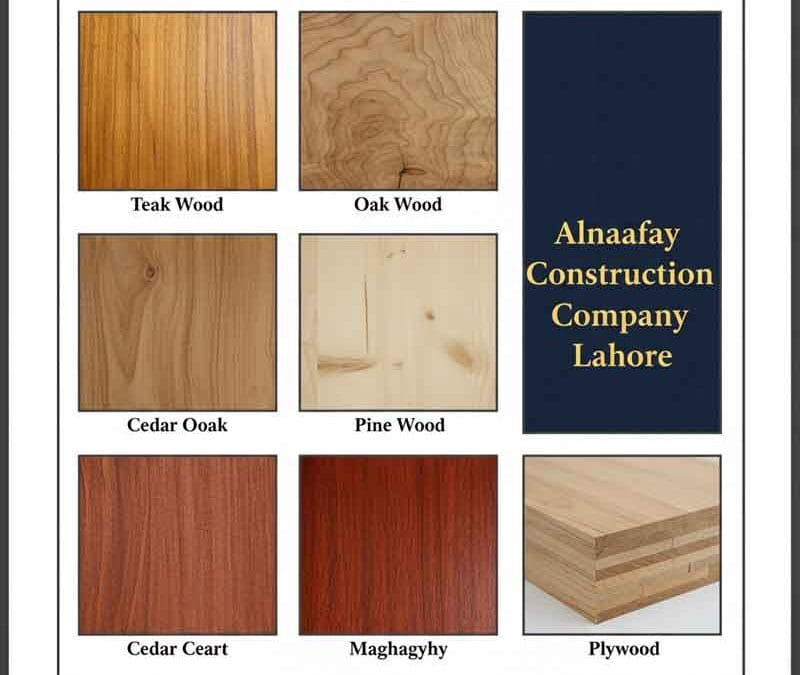
Wood Types for Construction
Wood has been a primary building material for thousands of years, offering a unique blend of strength, beauty, and versatility. From the structural framework of a house to the intricate details of cabinetry, the choice of timber plays a pivotal role in the success of any project. However, with so many options available, selecting the right material can be overwhelming. Understanding the different wood types for construction is essential for builders, architects, and homeowners alike. This extensive guide will explore the characteristics, benefits, and best applications of various timbers, helping you make informed decisions for your next building endeavor.
Understanding the Basics of Wood in Construction
Before diving into specific species, it is important to understand the fundamental categories of wood. Broadly speaking, timber is classified into two main groups: hardwoods and softwoods. These terms do not necessarily refer to the physical hardness of the material but rather to the type of tree it comes from.
Softwoods: The Structural backbone
Softwoods come from gymnosperm trees, which are typically evergreen conifers like pine, fir, spruce, and cedar. These trees grow relatively quickly, making their wood more abundant and generally less expensive than hardwood. Consequently, softwoods account for about 80% of all timber used in construction. They are lightweight, easy to work with, and have a straight grain, making them ideal for framing, cladding, and structural applications.
Hardwoods: Durability and Finish
In contrast, hardwoods come from angiosperm trees, which are usually broad-leaved deciduous trees like oak, maple, walnut, and teak. These trees grow much slower, resulting in a denser and more durable wood. Because of their complex structure and attractive grain patterns, hardwoods are typically used for flooring, furniture, cabinetry, and high-end joinery. While they are often more expensive, their longevity and aesthetic appeal make them a worthwhile investment for specific wood types for construction projects.
Major Softwood Types for Construction
Softwoods are the workhorses of the construction industry. Their availability and favorable strength-to-weight ratio make them indispensable for a wide range of applications.Wood types for construction
1. Pine
Pine is perhaps the most common softwood used in construction globally. It is widely available, affordable, and easy to cut, stain, and paint.
- Benefits: It has good resistance to shrinking and swelling. Additionally, its light color blends well with other materials.
- Applications: It is frequently used for framing houses, paneling, flooring, and making furniture.
- Climate Suitability: Treated pine is suitable for outdoor use, but untreated pine is best for indoor environments where humidity is controlled.
2. Cedar
Cedar is renowned for its natural resistance to decay, rot, and insect attacks. It has a distinct, pleasant aroma and a beautiful reddish-brown color.
- Benefits: It is lightweight yet dimensionally stable, meaning it doesn't warp easily. Furthermore, it can withstand harsh weather conditions without chemical treatment.
- Applications: Cedar is a top choice for exterior siding, decking, fencing, and shingles.
- Climate Suitability: Excellent for humid and wet climates due to its natural oils that repel moisture.
3. Spruce
Spruce is a light-colored wood that is often used interchangeably with pine and fir in general construction (often grouped as SPF lumber).
- Benefits: It is straight-grained and has a high stiffness-to-weight ratio. Moreover, it is relatively inexpensive.
- Applications: It is primarily used for structural framing, crates, and boxes.
- Climate Suitability: Like pine, it is best suited for dry, indoor environments unless it is specially treated.
4. Fir (Douglas Fir)
Douglas Fir is one of the strongest softwoods available. It is highly valued for its structural integrity.
- Benefits: It is incredibly tough and holds nails and screws well. Additionally, it has a distinct grain pattern that looks great when finished.
- Applications: It is widely used for heavy-duty framing, beams, posts, and flooring.
- Climate Suitability: It performs well in various climates but should be protected from direct ground contact to prevent rot.
Major Hardwood Types for Construction
When durability, wear resistance, and aesthetics are the priority, hardwoods are the material of choice.
1. Oak
Oak is a traditional favorite in construction, known for its incredible strength and hardness. There are two main varieties: Red Oak and White Oak.
- Benefits: It is very resistant to fungal attacks (especially White Oak). Furthermore, it finishes beautifully and adds a sense of luxury to any space.
- Applications: It is extensively used for flooring, cabinetry, timber framing, and furniture.
- Climate Suitability: White Oak is water-resistant and can be used outdoors, while Red Oak is better suited for interior use.
2. Teak
Teak is often considered the gold standard for outdoor furniture and marine applications. It contains high levels of natural oils and rubber, making it virtually immune to rot and pests.
- Benefits: It is extremely durable and requires very little maintenance. Moreover, it weathers to a beautiful silver-gray color if left untreated.
- Applications: It is used for boat building, outdoor decking, high-end furniture, and exterior joinery.
- Climate Suitability: It is perfect for tropical, humid, and coastal climates.
3. Maple
Maple is a creamy-white hardwood that is famous for its hardness and resistance to abrasion.
- Benefits: It has a fine, consistent texture and is very strong. Additionally, it resists shock and wear better than many other woods.
- Applications: It is a popular choice for heavy-traffic flooring (like bowling alleys and basketball courts), cabinetry, and butcher blocks.
- Climate Suitability: Best for stable indoor environments as it can be susceptible to movement with humidity changes.
4. Walnut
Walnut is prized for its rich, dark color and attractive grain. It is softer than oak or maple but still durable enough for many applications.
- Benefits: It works easily with hand and machine tools and takes finishes exceptionally well. Furthermore, it is dimensionally stable.
- Applications: It is primarily used for high-end furniture, architectural paneling, gunstocks, and veneers.
- Climate Suitability: Generally recommended for interior use due to its high cost and moderate durability against the elements.
Benefits of Using Wood in Construction
Choosing wood over other materials like concrete or steel offers several distinct advantages.
Environmental Sustainability
Wood is the only major building material that is renewable. Trees can be replanted and grown, absorbing carbon dioxide from the atmosphere as they mature. Therefore, using wood from sustainably managed forests helps reduce the overall carbon footprint of a building. In contrast to steel or concrete production, which requires massive amounts of energy, processing wood is relatively energy-efficient.
Natural Insulation
Wood has a cellular structure that creates air pockets, making it a natural insulator. This property helps to keep buildings warm in the winter and cool in the summer. Consequently, using wood can lower energy bills for heating and cooling. In fact, wood insulates 400 times better than steel and 15 times better than concrete.
Aesthetic Versatility
No two pieces of wood are exactly alike. The unique grain patterns, textures, and colors bring warmth and character to a space that synthetic materials simply cannot replicate. Furthermore, wood can be painted, stained, or varnished to match any design style, from rustic farmhouse to sleek modern. This versatility makes it a favorite among architects exploring different wood types for construction.
Strength and Durability
Despite being lightweight, wood has a high strength-to-weight ratio. Modern engineered wood products, such as glulam and cross-laminated timber (CLT), are even stronger and can span large distances, rivaling steel in structural capability. With proper maintenance, wood structures can last for centuries.
Global Design: The Scandinavian Influence
When discussing mastery of wood construction, Scandinavian countries—Sweden, Norway, Finland, and Denmark—stand out as global leaders.
Why Scandinavia is Famous for Wood Design
Scandinavia has a vast abundance of forests, making wood the most logical and accessible building material. Historically, this led to the development of sophisticated log building techniques. Today, this tradition has evolved into a modern architectural style that emphasizes simplicity, functionality, and a deep connection to nature.
Scandinavian design is famous for its light, airy aesthetic, often utilizing pale woods like pine, spruce, and birch. This choice of material helps to maximize light in the dark northern winters. Moreover, Scandinavian architects are pioneers in sustainable building practices, pushing the boundaries of what is possible with engineered timber. They have successfully demonstrated that wood can be used for large-scale public buildings and even skyscrapers, not just small cottages. As a result, the region sets the global standard for innovative and sustainable uses of various wood types for construction.
Wood Construction in Lahore: A Blend of Tradition and Modernity
In Lahore, Pakistan, the use of wood in construction is evolving. While concrete and brick remain the dominant structural materials, wood plays a crucial role in interior design, roofing, and decorative elements.
The Role of Wood in Lahore's Architecture
Historically, Lahore has a rich tradition of intricate woodwork, visible in the balconies and doors of the Walled City. Today, in modern housing societies, wood is a symbol of luxury and comfort. It is extensively used for doors, wardrobes, kitchen cabinets, and flooring. The extreme heat of Lahore's summers and the humidity of the monsoon season require careful selection of timber. Therefore, durable hardwoods like Teak, Ash, and imported Oak are highly sought after.
Top Societies Embracing Wood Design
You can see excellent examples of modern woodwork in Lahore's premier residential areas.
- DHA (Defence Housing Authority): Homes here often feature grand wooden entrance doors and elaborate media walls.
- Bahria Town: Known for its diverse architectural styles, Bahria Town features houses with extensive wooden pergolas and deck areas.
- Lake City: This society embraces a modern lifestyle where wooden flooring is a common feature in bedrooms and drawing rooms.
- Valencia & Wapda Town: These established communities have many homes that utilize wood for durable cabinetry and solid wood furniture.
- Johar Town & Model Town: In these central areas, renovations often involve upgrading to premium wood types for construction for a fresh, modern look.
- Gulberg, Askari, and Cantt: These areas feature a mix of colonial-era bungalows with original woodwork and contemporary apartments using engineered wood for a sleek finish.
Mistakes to Avoid When Choosing Wood
Even with the best intentions, mistakes can happen. Avoiding these common pitfalls will save you time, money, and frustration.
Ignoring Moisture Content
One of the biggest mistakes is using wood that hasn't been properly dried. Green wood (wood with high moisture content) will shrink and warp as it dries, leading to cracks in walls and floors. Therefore, always ensure you are using kiln-dried lumber, especially for interior applications.
Failing to Acclimate the Wood
Wood is hygroscopic, meaning it absorbs and releases moisture from the air. If you install wood flooring or paneling immediately after it arrives on site, it may expand or contract as it adjusts to the room's humidity. As a result, you should let the wood sit in the room where it will be installed for at least 48 to 72 hours before installation.
Choosing the Wrong Wood for the Environment
Using a softwood like untreated pine for an outdoor deck in a rainy climate is a recipe for disaster. It will rot quickly. Similarly, using a very soft wood for a high-traffic floor will result in dents and scratches. Always match the properties of the wood types for construction to the specific demands of the location.
Neglecting Maintenance
Wood is an organic material and requires care. Failing to seal or paint exterior wood will lead to UV damage and rot. Meanwhile, ignoring scratches or water spills on interior wood floors can cause permanent damage. Regular maintenance is key to longevity.
Maintenance Tips for Wood Structures
To keep your wood looking its best and performing well, a regular maintenance routine is essential.
Exterior Wood Care
- Cleaning: Wash exterior wood surfaces annually to remove dirt, mildew, and pollutants. A gentle pressure wash or a scrub with soapy water usually suffices.
- Sealing/Staining: Apply a water-repellent sealer or stain every 2-3 years. This protects the wood from moisture and the sun's UV rays, which can turn the wood gray and cause it to crack.
- Inspection: Regularly check for signs of rot, especially near the ground or where water collects. If you find soft spots, replace the affected wood immediately to prevent the spread of decay.
Interior Wood Care
- Dusting: Dust wooden surfaces frequently to prevent the buildup of abrasive particles that can scratch the finish.
- Humidity Control: Wood moves with changes in humidity. Using a humidifier in the winter and a dehumidifier in the summer can help keep the indoor environment stable, preventing gaps and warping.
- Protection: Use mats at entryways to catch dirt and grit. Additionally, use felt pads under furniture legs to prevent scratching the floor.
Budget Considerations for Wood Projects
Wood prices vary wildly depending on the species, grade, and availability. Proper budgeting requires understanding these factors.
Softwood vs. Hardwood Costs
Generally, softwoods are significantly cheaper than hardwoods. For structural framing, softwoods like pine or fir are the economical and practical choice. However, for visible finish work, you might want to splurge on a hardwood.
Grading Matters
Lumber is graded based on its appearance and structural integrity. "Clear" grades with no knots are the most expensive. If you are painting the wood or if it will be hidden behind drywall, you can save money by choosing a lower grade with knots and other imperfections. These defects usually do not affect the structural strength significantly.
Local vs. Imported
Using locally sourced wood is almost always cheaper than importing species from halfway around the world. It saves on transportation costs and avoids import duties. Furthermore, local wood is already adapted to the local climate. Researching local wood types for construction can yield significant savings.
With patient planning, respect for local climate and codes, and good teamwork with experts, you can create a stunning and durable project that fits your budget.
Climate Suitability of Different Woods
The performance of wood is heavily influenced by the environment.
Hot and Dry Climates
In hot, dry climates, wood can dry out, shrink, and crack. Woods with high stability, like Teak or Cedar, are good choices. Engineered woods are also excellent because they are manufactured to be more stable than solid wood.
Wet and Humid Climates
Humidity is the enemy of wood, promoting mold and rot. For these areas, naturally rot-resistant woods like Cedar, Redwood, and Cypress are ideal. Pressure-treated lumber is also a cost-effective solution for structural elements exposed to moisture.
Cold Climates
In cold climates, the freeze-thaw cycle can damage wood if moisture gets inside cracks. Dense hardwoods and tight-grained softwoods generally fare better. Proper sealing is absolutely critical in these regions to keep moisture out.
Engineered Wood: The Modern Solution
In addition to solid timber, engineered wood types for construction are gaining popularity.
Plywood
Plywood is made by gluing together thin layers of wood veneer with the grain of each layer running perpendicular to the one before it. This cross-graining technique makes plywood incredibly strong and stable. It is widely used for sheathing walls, roofs, and subfloors.
MDF (Medium Density Fiberboard)
MDF is made from wood fibers glued together under heat and pressure. It is very smooth and has no knots, making it perfect for painted cabinetry and trim. However, it swells easily if it gets wet, so it should not be used in high-moisture areas.
Glulam (Glued Laminated Timber)
Glulam consists of layers of dimension lumber bonded together with durable, moisture-resistant adhesives. It is used to create large structural beams and arches that are stronger than solid timber of the same size. This material allows for open, airy designs with long spans.
Frequently Asked Questions (FAQs)
Q: Which wood is best for house framing?
A: Softwoods like Pine, Spruce, and Fir are the standard for framing. They are strong, lightweight, and cost-effective.
Q: Can I use indoor wood outside if I paint it?
A: Painting helps, but it is not a perfect solution. Indoor woods lack the natural oils to resist rot. If the paint cracks or peels, water will get in and the wood will rot. It is always better to start with a wood species suited for exterior use.
Q: Is wood construction fire safe?
A: Heavy timber construction actually has excellent fire resistance. When large logs burn, a layer of char forms on the outside, which insulates the inner wood and slows down the burning process. Additionally, modern building codes require fire-retardant treatments for many wooden components.
Q: How do I know if wood is sustainably sourced?
A: Look for certification from organizations like the Forest Stewardship Council (FSC) or the Programme for the Endorsement of Forest Certification (PEFC). These labels ensure the wood comes from responsibly managed forests.
Q: What are the different grades of lumber?
A: Lumber is graded for either appearance or strength. Appearance grades range from "Select" (highest quality, few defects) to "Common" (more knots and blemishes). Structural grades evaluate the strength and stiffness of the board.
Conclusion
Wood is a timeless material that connects us to nature while providing the strength and shelter we need. By understanding the various wood types for construction, from the humble pine stud to the elegant walnut veneer, you can make choices that enhance the beauty, durability, and sustainability of your home. Whether you are building a deck in a rainy climate or installing floors in a busy household, there is a perfect wood for the job. Remember to consider the climate, maintenance requirements, and your budget. With the right knowledge and careful planning, your wood construction project will stand as a testament to quality and craftsmanship for generations to come.
Quick Links
Social Icons
Contact Us Information
443 J3 Johar Town Lahore near Expo Center Lahore
